>
From a 1979 fishing border town to a forest of skyscrapers in one generation: the miniature wonders of Window of the World, the rollercoasters of Happy Valley, the Swiss-valley lakes of OCT East, the golden beaches of Dameisha, a Ming-dynasty coastal fort and the wild hiking coast of Dapeng — all across the harbour from Hong Kong.
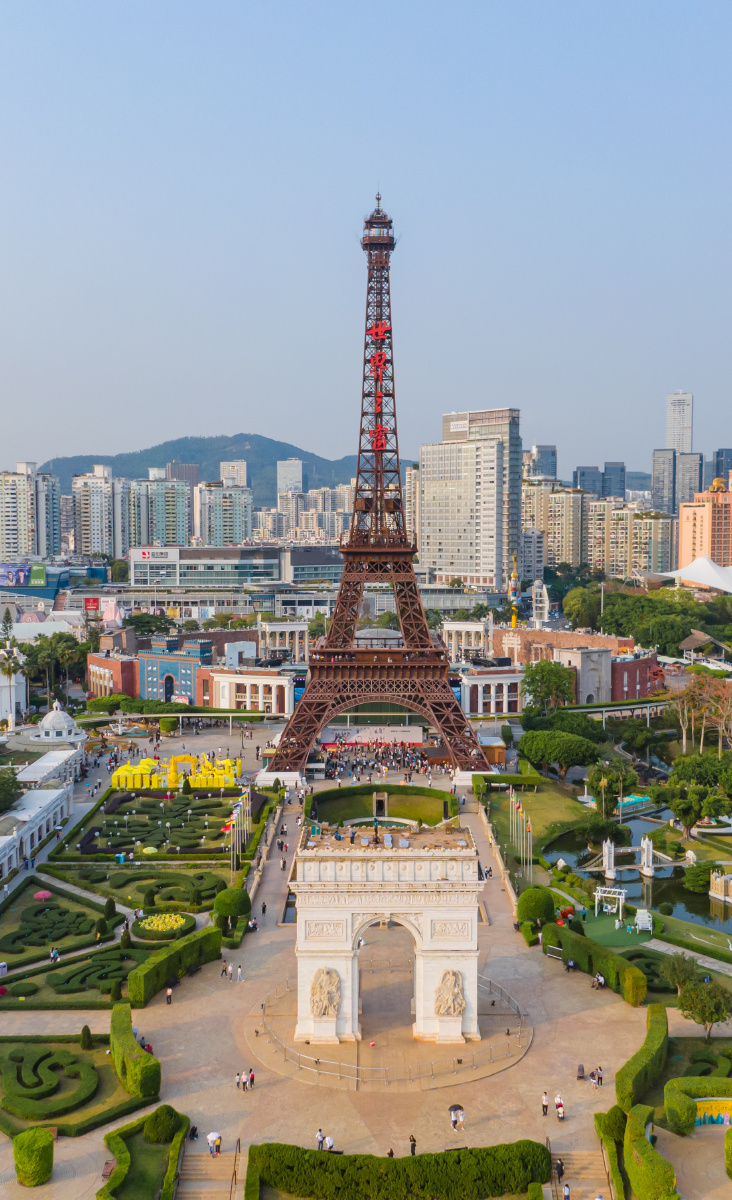
At Window of the World, buy a "passport" and walk through replicas of the Eiffel Tower, the Taj Mahal, Niagara Falls and the Grand Canyon — and stay for the carnival parade and the beer festival after dark.
The city's two favourite golden crescents on Dapeng Bay: surf, beach volleyball and sunbathe at free-entry Dameisha, or pay the small fee for the quieter "Oriental Hawaii" that is Xiaomeisha.
The Diwang Building observation deck — "Window on Shenzhen and Hong Kong" — looks straight down on the city's rush-hour grid and across the border hills to Hong Kong. Six high-power telescopes face south.
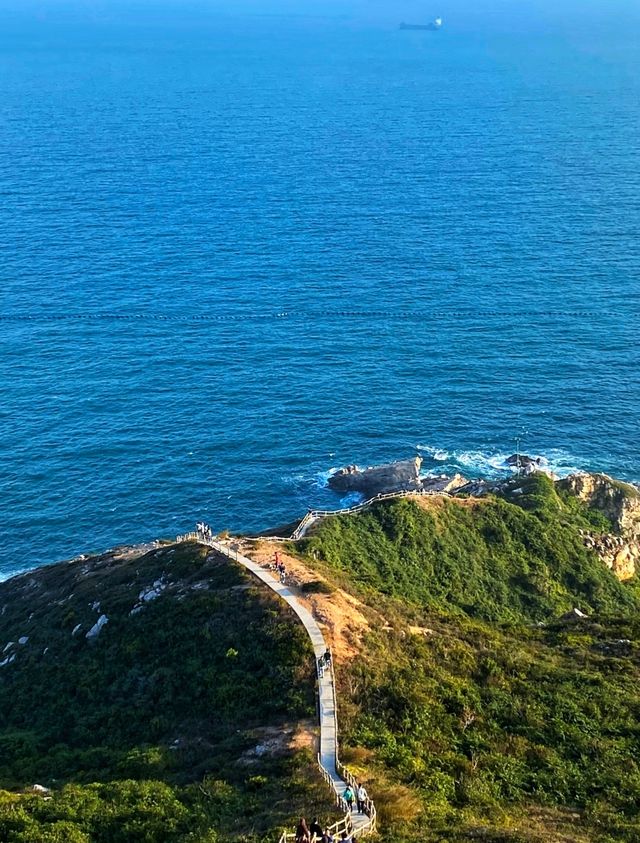
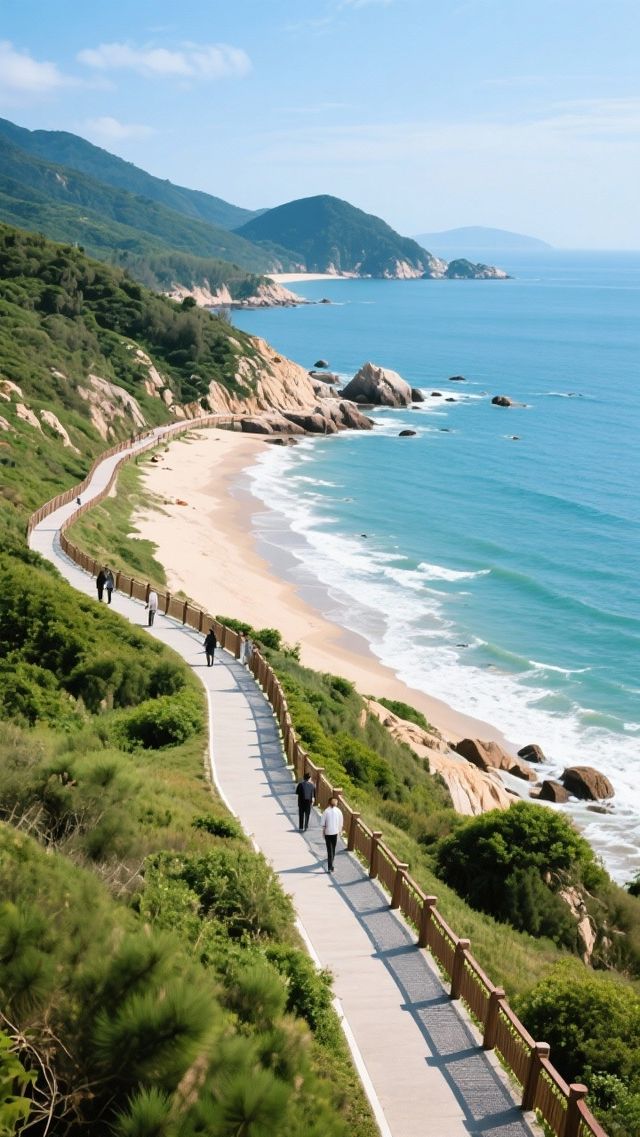
The classic Shenzhen coastal hike: rocky headlands, turquoise water and wild pineapple scrub on the Dapeng Peninsula's southern tip — about four hours of scrambling between two fishing villages.
An hour from downtown, the salt-water-and-fresh-water oysters of Shajing, the abalone of Nan'ao and the whole clambake culture of the eastern seafront — Hakka and Chaoshan cooking at its freshest.
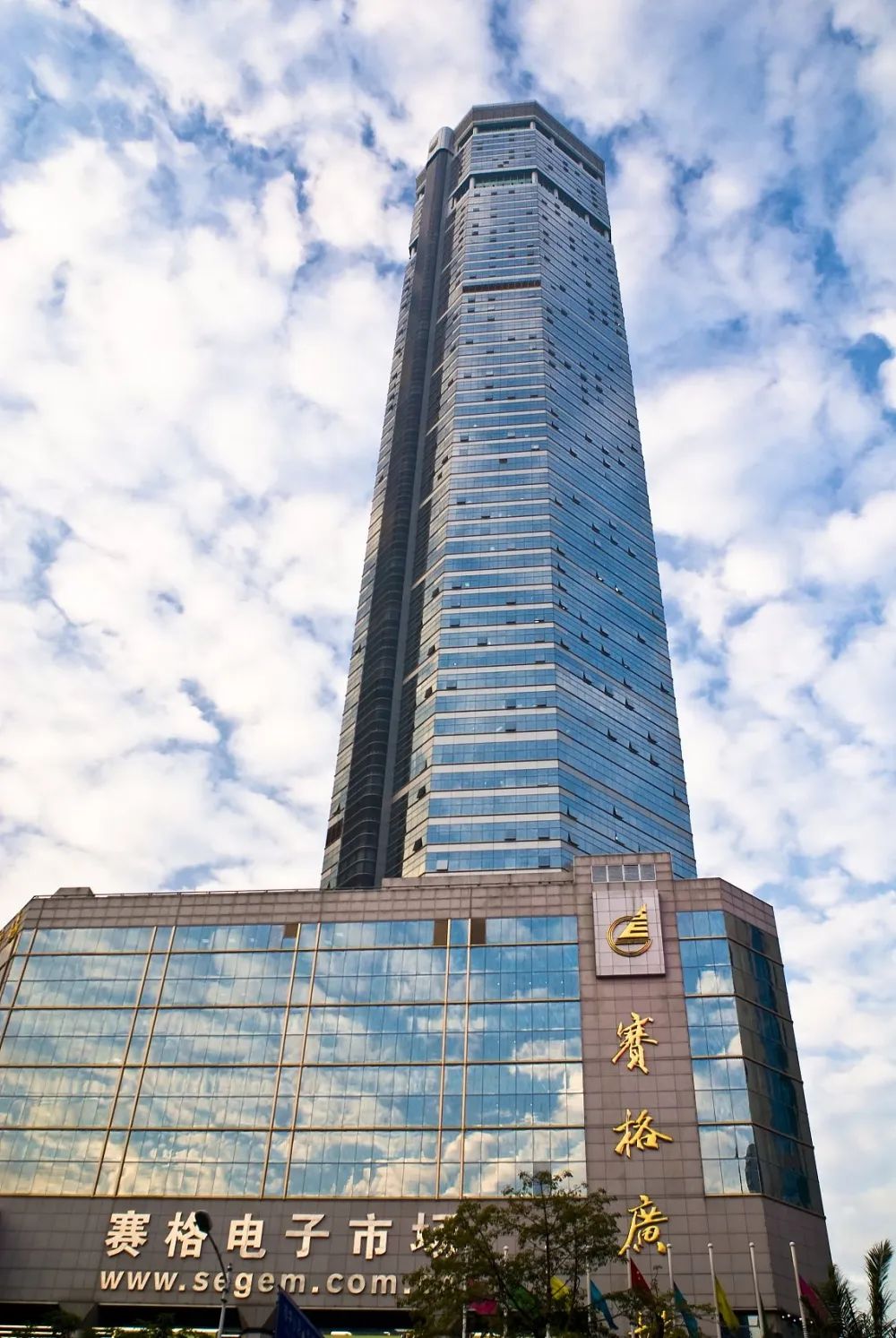
"China's No.1 electronics street": the SEG Plaza towers over alleys of components, phones and gadgets — the place the world's hardware makers come to shop.
Classic sights of every continent in one 480,000 m² park: from the Eiffel Tower to the Niagara Falls simulation, with a "carnival night" parade and a famous summer beer festival every evening. Take metro line 1 or 2 to the Window of the World station.
The city's signature theme park — a flood ride with the highest drop in the world, China's first suspended roller coaster and Asia's first 4-D cinema. Packed with staged street shows and band performances all day.
On the Dapeng Peninsula's southern tip, two fishing villages linked by a wild coastal trail — rock scrambles, thorn scrub, white sand and clear, unpolluted water. Shenzhen's favourite half-day outdoor adventure.
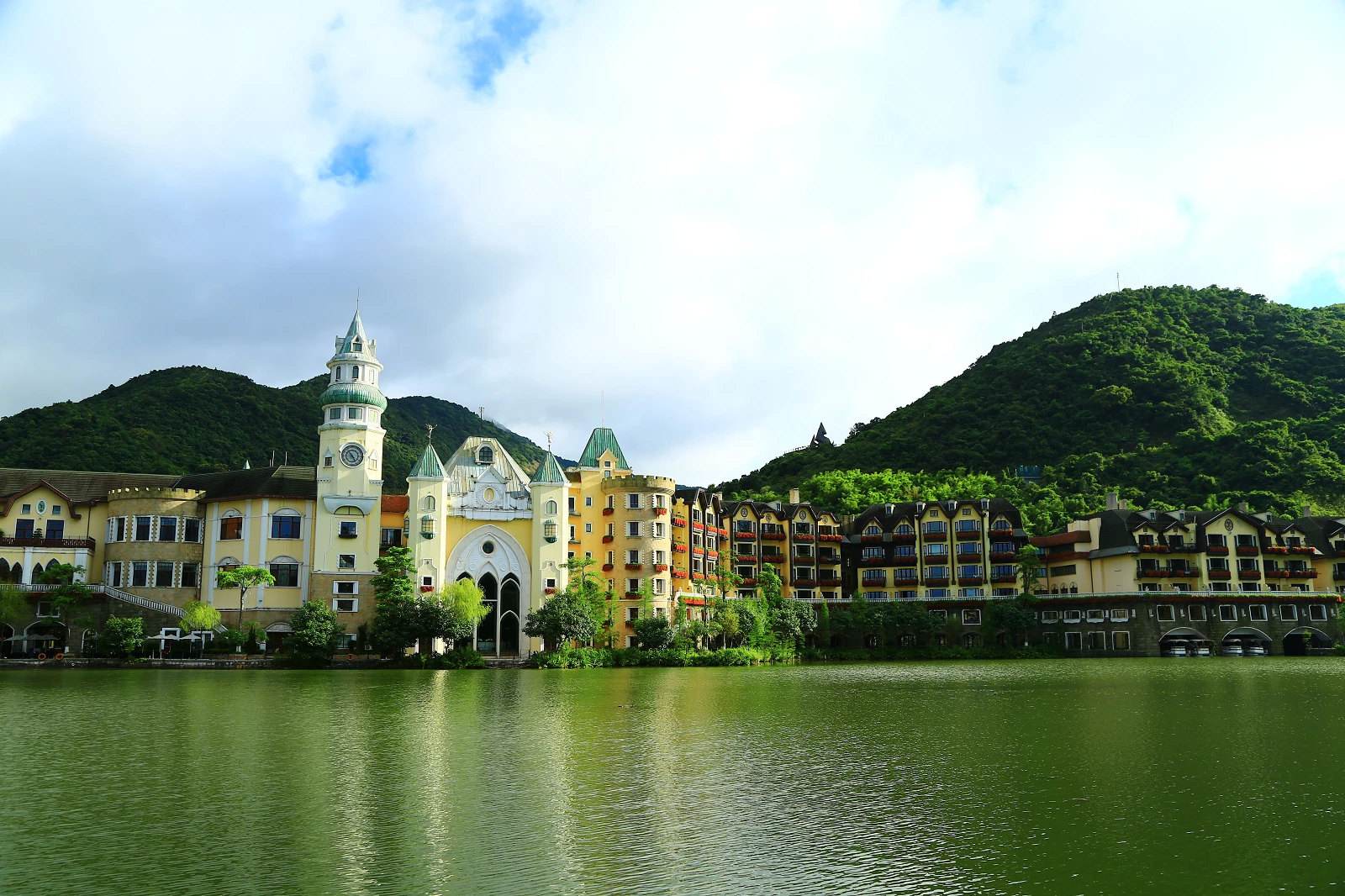
In the hills behind Dameisha, the Tea Stream Valley hides a replica Interlaken lakeside town — flower meadows, mountains and European turrets, a calm counterweight to the city's rush.
"North has Zhongguancun, south has Huaqiangbei" — China's No.1 electronics street, with the SEG Plaza at its heart. Components, finished phones and the city's best cheap eating streets all under one sky.
Once China's tallest building and still the classic observation deck: from the 69th floor, hundreds of metres of Shenzhen rush-hour traffic glitter below, and the telescopes point straight across to Hong Kong's Tai Mo Shan.
All seasons work, but winter and early spring are the classic window — short, mild winters with little rain, and the theme parks are quiet. Come May–October for the beaches: Dameisha and Xiaomeisha are made for surfing, bungee jumps and long sunbaths. Summer is hot but the sea breeze keeps it bearable, far cooler than inland Wuhan or Beijing.
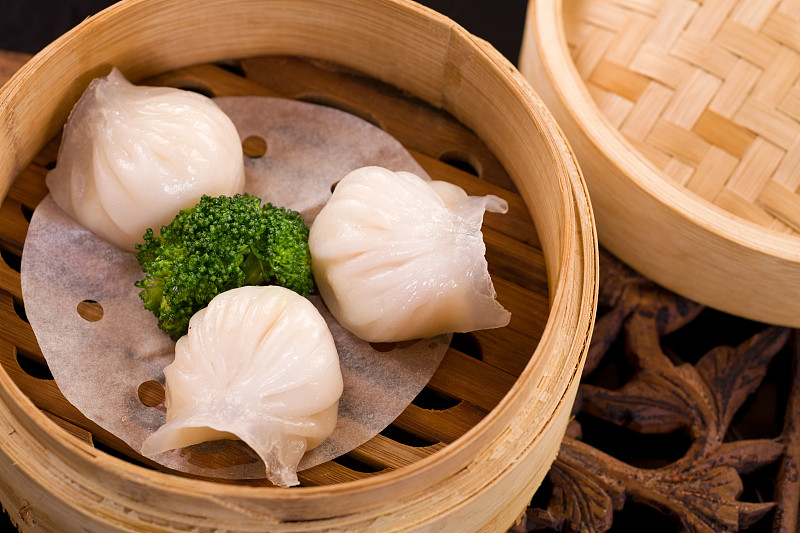
Shenzhen is a textbook immigrant city: Cantonese (Yue) cooking is the base, but every province's home dish is here, plus the flavours of a dozen countries. Morning tea (dim sum) has its own local take, and the dai pai dong food streets are where the city actually eats.
For a special-zone city, no — if you avoid the hotel-minibar lifestyle. Local dai pai dong and snack shops are cheap; budget travellers can live well. Roughly RMB 1,000–2,000 per person for five days; the three theme parks (¥160 + ¥180 + ¥150) are the single biggest splurge.
Shenzhen sits on China's southern coast — warm almost all year, with fewer than 20 genuinely cold days. From March to January the weather stays mild; May to October is the hot season. January averages 15.4°C, July 28.8°C; typhoons are blocked by the hills, with a direct hit averaging less than once a year.
No. Cantonese is the local mother tongue, but Shenzhen is an immigrant city and Mandarin is universal — every visitor can simply speak Mandarin to anyone, anywhere.
Yes — email [email protected] or message us on WhatsApp. We book hotels, theme-park tickets, airport transfers and guides free of charge, with no obligation.
The classic: Window of the World and Splendid China in OCT on day one, then Happy Valley and the Dongmen old street on day two. Highlights: Window of the World · Splendid China · Happy Valley · Dongmen View day-by-day plan →
Window of the World and Splendid China. Morning: metro line 1/2 to Window of the World station (exits H/I/J) for Window of the World (RMB 160, 09:30-22:30) — the Eiffel Tower, Taj Mahal and Niagara Falls simulation, with the international street for lunch. Afternoon: walk next door to Splendid China (RMB 150, 09:00-18:00) and its Folk Culture Village — 50,000 pottery figures of China sights, plus free ethnic shows. Evening: the carnival-night parade back at Window of the World, or the converted factory lofts of OCT-LOFT for a craft beer and the creative-studio buzz.
Happy Valley and Dongmen. Full day at Happy Valley (RMB 180, 09:00-22:00; night entry RMB 60 after 18:30) — the world highest-drop river-rapids ride, China first suspended roller coaster and the 4-D cinema; take metro line 1 to Window of the World station and walk. Evening: metro to Laojie (Old Street) station, exit A, and wander Dongmen Pedestrian Street — Lingnan arcade houses, street snacks and the Sun Dong An and Maoye malls for souvenirs.
The skyline and the border on day one, the Ming fortress and a wild coastal hike on day two, Yangmeikeng and the botanical garden on day three. Highlights: Diwang · Zhongying Street · Dapeng Fortress · Dongchong–Xichong · Yangmeikeng View day-by-day plan →
Diwang, Zhongying Street and Dameisha. Morning: metro line 1 to Grand Theatre station, exit D, for the Diwang Building observation deck (RMB 80, 08:30-22:00) — the 69th floor looks over Shennan Road and telescopes point at Hong Kong. Midday: east to Shatoujiao for Zhongying Street (free, with the RMB 10 Zone Permit) — the 1898 boundary stones running down the middle of one street. Evening: Dameisha Beach Park for the sunset and a seafood dinner at Yantian.
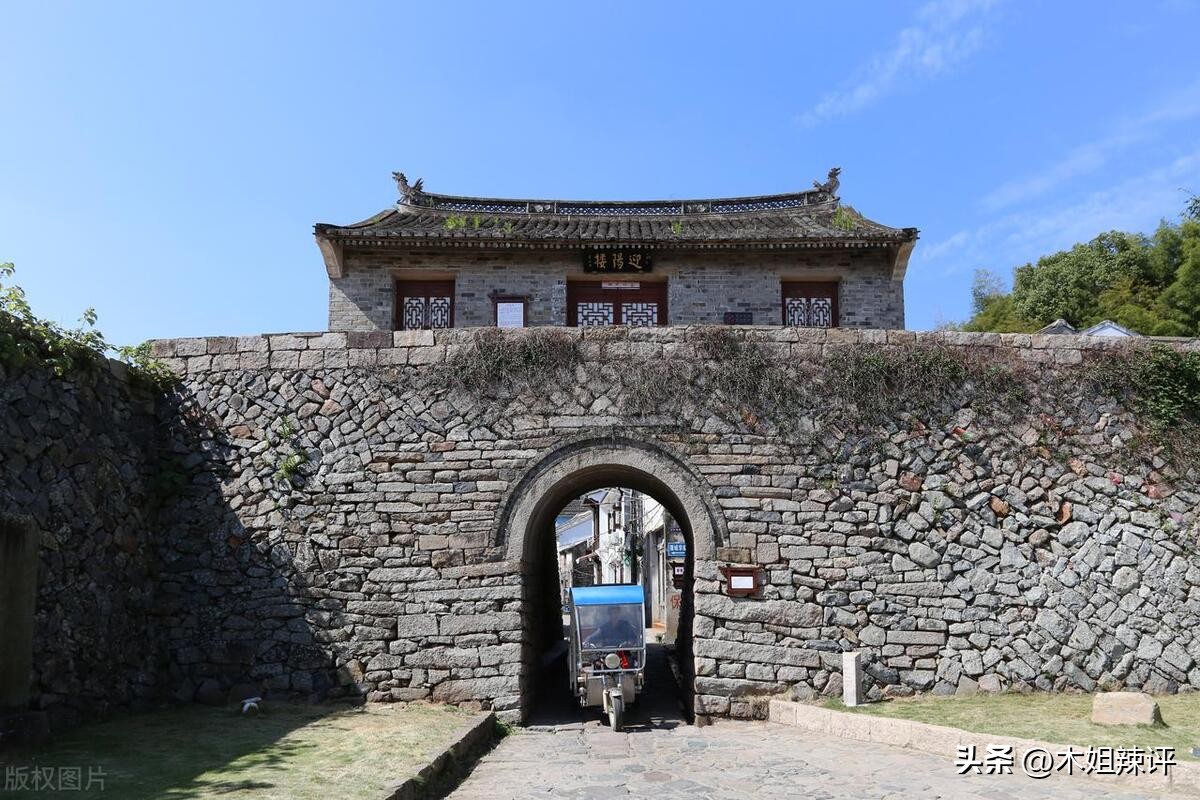
Dapeng Fortress and the coastal crossing. Early bus 360/364 out to Dapeng, then 818 to the Dapeng Fortress (RMB 20, 08:00-20:00) — the Ming coastal stronghold of 1394, flagstone lanes and general mansions, the origin of Shenzhen nickname Pengcheng. Afternoon: continue to Nan'ao and the Dongchong-Xichong coastal trail (about 4 h) — rocky headlands, turquoise water and a swim at the far village. Sleep in a Nan'ao or Xichong guesthouse.
Yangmeikeng and Fairy Lake. Morning: bus M427 to Yangmeikeng — the beach road made for bicycles, wedding photographers and slow coast rides. Lunch at Nan'ao seafood. Afternoon back west: Fairy Lake Botanical Garden (RMB 20, 07:00-22:00) at Liantang, or the free Wutong Mountain trails if you still have legs. Evening back in the city.
A slow eastern escape: the Tea Stream Valley's Swiss-style lakeside town, then Dameisha and Xiaomeisha beaches and the salt-and-seafood of Yantian. Highlights: OCT East · Interlaken town · Dameisha · Xiaomeisha · seafood street View day-by-day plan →
OCT East, Tea Stream Valley. Out to the Dameisha hills for OCT East Tea Stream Valley (RMB 150; 09:30-17:30) — the replica Interlaken town with its lake reflection, the flower meadows and the hill walkways; add the Daxia Valley eco-park next door for the theme-park rides. Stay the night at a Dameisha resort.
Dameisha, Xiaomeisha and seafood. Morning on the free sand of Dameisha Beach Park — surf, beach volleyball, a boardwalk along the shore. Midday: the quieter Oriental Hawaii of Xiaomeisha (RMB 30). Evening: Yantian Seafood Street for the fresh catch in Hakka and Chaoshan style — oysters, abalone and steamed fish — before the bus back west.
All three plans are bookable end-to-end by our team — see the full day-by-day Shenzhen itineraries hub, or the day-trip pages for single-day options.
On the Shenzhen Bay shore next to Splendid China, 480,000 m² of the world's landmarks in miniature — from Niagara Falls to the Eiffel Tower, with street song-and-dance shows all day and a carnival parade at night. Metro line 1/2 to Window of the World station, exits H/I/J.
| Admission | ¥160 |
| Hours | 09:30–22:30 |
| Phone | +86 755 2660 8000 |
In the hills behind Dameisha: the Tea Stream Valley leisure park with its Swiss-style Interlaken town, flower meadows and lakes, plus the Daxia Valley eco-park next door. Half a day minimum; book the combo ticket for both valleys.
| Admission | ¥150 (park) |
| Hours | Tea Valley 09:30–17:30, Daxia Valley 09:30–18:30 |
One of the few real old towns left in Shenzhen — a Ming coastal defence stronghold founded in 1394, the top of the "Eight Views of Shenzhen". Ming-Qing houses, flagstone lanes and the old general's mansions inside; the city's nickname "Pengcheng" comes from here.
| Admission | ¥20 |
| Hours | 08:00–20:00 |
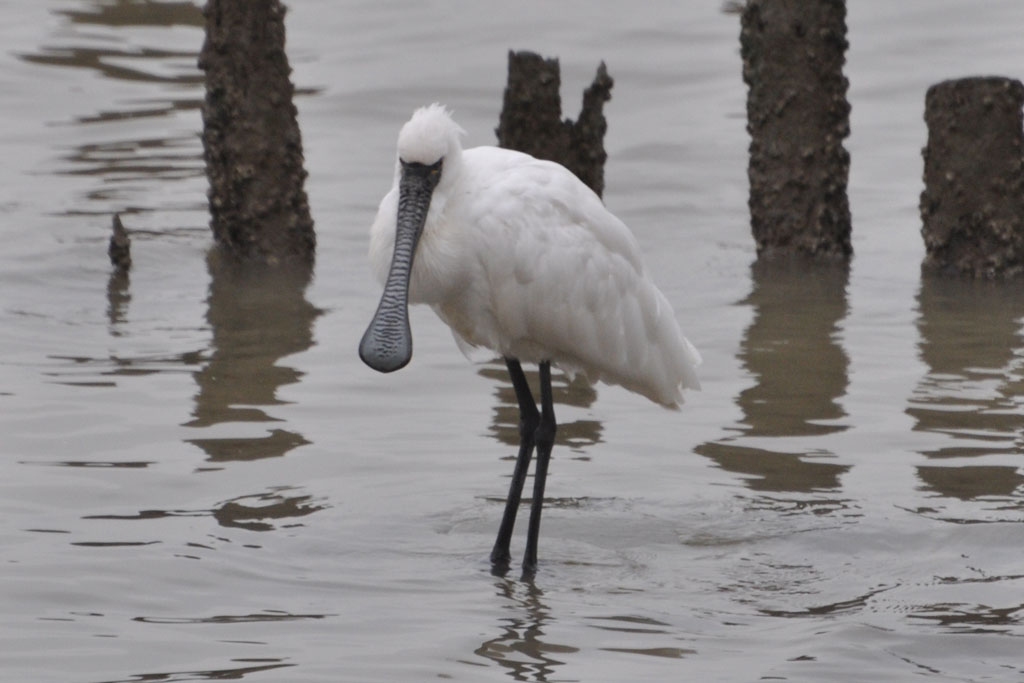
A national bird reserve on the east bank of the Shenzhen River estuary — mudflats, shallow water and mangrove woodland where the east-Asian flyway stops over. Every winter the rare black-faced spoonbills (fewer than pandas) fly in from the north to wait out the cold. Free, all day; best in August–September.
| Admission | free |
| Hours | all day |
The southern tip of the Dapeng Peninsula and Shenzhen's favourite coastal hike — two fishing villages linked by four hours of rocky headlands, white sand and clear water. Swim, beach volleyball, speedboats and bonfire nights at Xichong; free entry.
| Admission | free |
| Phone | +86 755 2784 8856 |
"Window on Shenzhen and Hong Kong" — the 69th-floor observation deck of the old Diwang Building, once China's tallest. Look straight down on the grid of Shennan Road, and south through six telescopes to the hills of Hong Kong. Metro line 1 to Grand Theatre station, exit D.
| Admission | ¥80 |
| Hours | 08:30–22:00 |
| Address | 69F, Shun Hing Square, 5002 Shennan East Rd |
Called Shenzhen's most beautiful stream valley — on the Daya Bay shore, the seven-niang mountain behind it, a beach road made for bicycles. A weekend favourite for weddings and slow coastal rides; free, all day. Bus M427 out of Nan'ao.
| Admission | free |
More in and around the city: free-entry Dameisha Beach Park and the "Oriental Hawaii" Xiaomeisha (¥30), the miniature nation of Splendid China and its Folk Culture Village next door, the border strip of Zhongying Street (free with a ¥10 special permit), the Wutong Mountain country park, Fairy Lake Botanical Garden (¥20), the former aircraft-carrier park at Minsk World (Yantian, now closed), the creative lofts of OCT-LOFT, Litchi Park and the Shenzhen Museum. Browse every Guangdong sight on the Guangdong attractions page.
The two classic east-shore bathing beaches on Dapeng Bay: fine sand, gentle surf, beach volleyball, speedboats and summer bungee jumps. Dameisha Beach Park is free (buses 308/380/B620/M207/M362); Xiaomeisha charges ¥30 and stays calmer (buses 103/360/364/380/387).
The signature Shenzhen outdoor day: scramble the rocky headlands between the two villages on the Dapeng tip — about four hours, sun, spray and a swim at the far end. Wear old shoes, take water; buses 360/364 to Nan'ao then a local shuttle.
The park runs a full seasonal calendar — ice-and-snow festival, midsummer beer festival with international dance troupes, and a Halloween carnival, plus the nightly "carnival night" parade of national songs and dances. The beer festival adds bartender shows and a beer-food plaza.
Next to Splendid China, 25 stockades show the customs of all 56 Chinese peoples — folk dances, handicraft stalls and big festival events (Water-Splashing Festival, Torch Festival, Xishuangbanna month). Ticket ¥130, 09:00–18:00 with evening shows to 22:00; metro line 1 to OCT station.
The city's biggest annual cultural festival, every November 1–30 — a book-lover's city event that now reaches national scale. Drop by the Shenzhen Book City flagship on Fuzhong 1st Road (free) if you are in town for it.
By Lianhua Hill, next to the Concert Hall and the library — free, 09:00–17:00, closed Mondays; buses 34 or K105 to the art-museum stop. A quiet counterweight to all the rollercoasters.
Shenzhen's tourism industry is young but complete — beds span every price, and the airport-border corridor is the busiest. Stay by Luohu station for the Hong Kong crossing, or by OCT for the theme parks. Every hotel below is bookable by our team; browse the full Guangdong hotels directory.
The city's sky-hotel: 100 floors up in the KK100 tower, with the 95th-floor lobby looking over the whole city, moments from luxury retail and the Diwang skyline. From ¥2,000. Address: Tower A, KK100, 5016 Shennan East Road, Luohu District · +86 755 8882 0548
Opposite Luohu Port, Shenzhen Railway Station and the metro — ten minutes by metro to Dongmen and Huaqiangbei, with an in-hotel check-in counter for airport flights. From ¥498. Address: 1085 Heping Road, Luohu District (metro Luobao line exit D) · +86 755 2558 6333
The OCT-group business boutique, right beside Happy Valley and within walking distance of Splendid China, the Folk Culture Village and Window of the World. From ¥315. Address: west of Happy Valley, Dujuan West Hill Street, Nanshan District · +86 755 2693 0666
The backpacker pick: in OCT, 800 m from Qiaocheng North metro, ringed by the OCT-LOFT creative park, supermarkets and the big theme parks — and the mangroves beyond. Dorm beds from ¥75. Address: 7 Xiangshan East Street, Overseas Chinese Town · +86 755 8609 9773
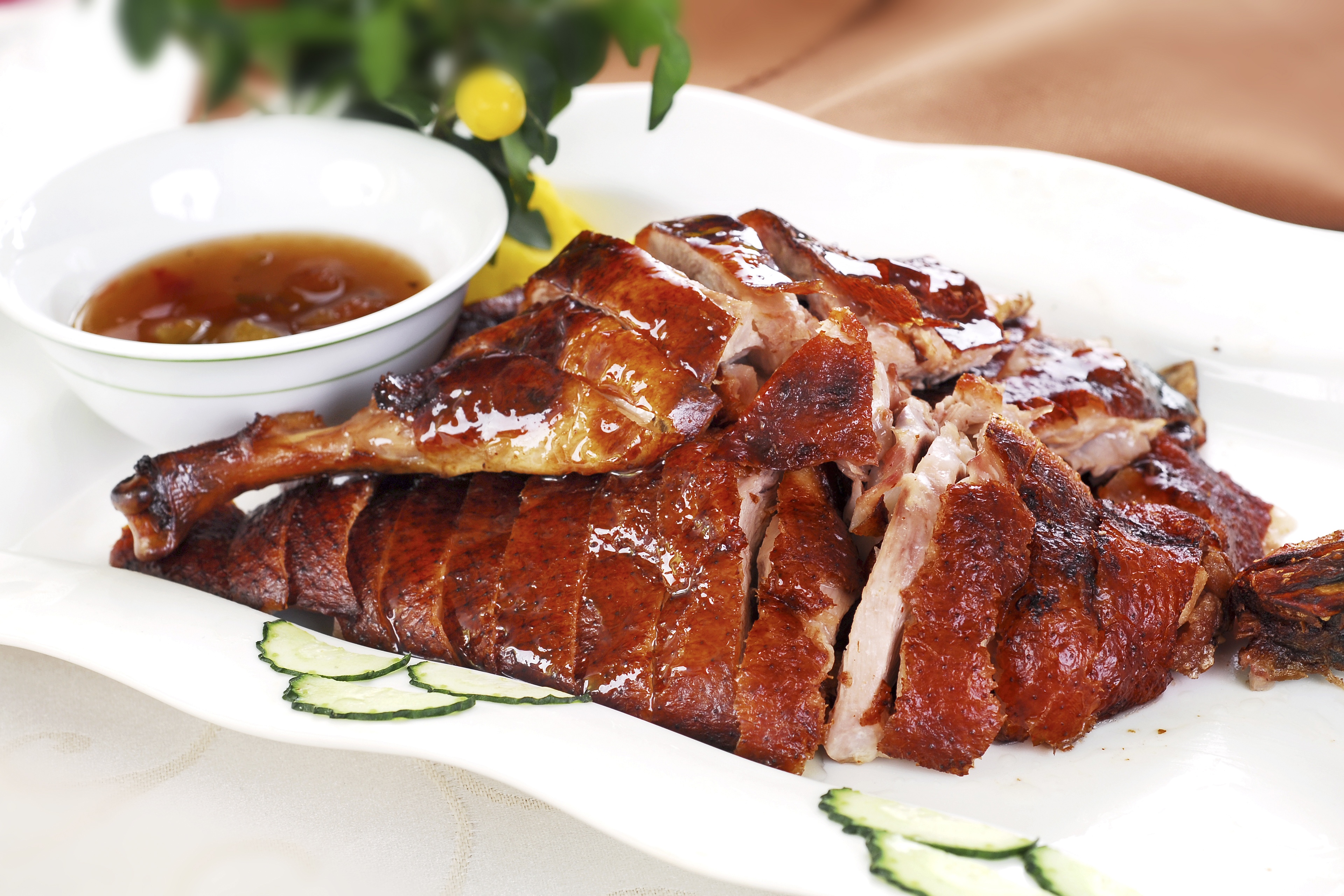
The local obsession: glossy, lacquered roast goose with crisp skin and plum sauce. Wah Heung Goose (Hua Xiang E) beside the Huaqiangbei clay-pot soup shop is the city's first stop — roast goose, char siu, roast goose rice and soy sauce chicken. Address: 93 Huafa North Road, Futian · +86 755 8376 3344.
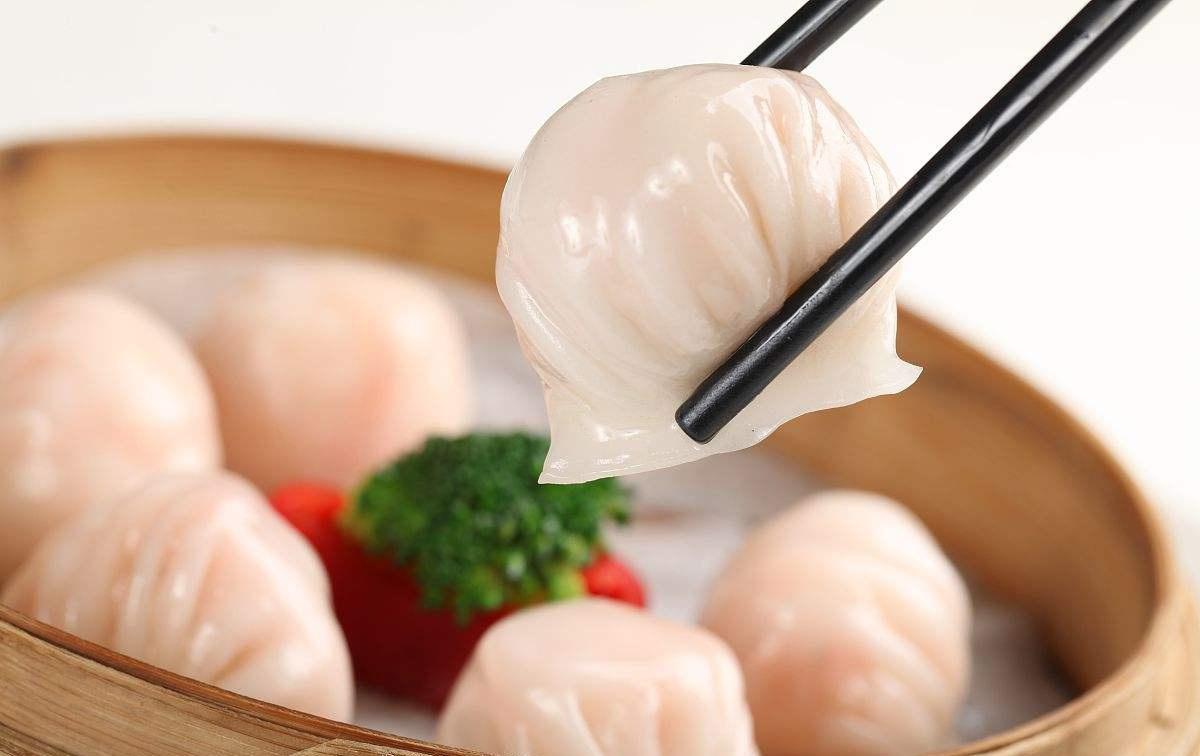
Dim sum and the street rice noodle roll (chang fen) — "white as snow, thin as paper, glossy and smooth". Sing Ji Rice Roll King (Zhuhai Road branch) is the local favourite: translucent rice rolls, coriander-beef rolls, fried noodles and double-egg congee. Address: 1096 Jianshe Road, Luohu · +86 755 8220 5627.
Kangle Fish Stall opposite Shekou Theatre — salt-and-pepper nine-head fish, pan-fried sole, oyster omelette (219 Shekou St, Nanshan · +86 755 2668 2075). Chaozhou Beef Shop — hand-rolled beef balls with satay sauce (Bldg 501 Huaqiangbei 1F · +86 755 8332 9089). Sheng Ji old branch — home-style Cantonese, refined and clean (1F Bldg 15 Pengshencun, Bagua 1st Rd · +86 755 8249 1668). Shunde Double-Skin Milk — the city's best shunde milk pudding (62 Puwei Village · +86 755 2598 7822).
Xiangmihu Food Street (6038 Shennan Rd, Futian) is the city's busiest grilled-food strip; Bagua 1st Road gathers nine side streets of regional cooking (the famous Hui Ji snake restaurant is here); Futian Food Street on Jingtian North Road covers Yue, Xiang, Chuan and Northeast kitchens; Yantian Seafood Street on the eastern shore is all about the fresh catch in Hakka and Chaoshan style. Wash it down with a glass of Wong Lo Kat herbal tea — the classic Cantonese cooler.
Shenzhen Bao'an International Airport in Fuyong is one of China's top-five airports, on the world's top-100 list. It links to Metro Line 1 at Airport East Station — Luohu to the airport is ¥9, about 68 minutes. Airport info: +86 755 2345 6789. Taxi to the Luohu/Guomao area is about ¥130 including the ¥20 toll; from Luohu station square, ¥100–110, 35–40 minutes off-peak.
Shenzhen Station by Luohu Port is the south terminus of the Guangzhou–Shenzhen railway (1008 Jianshe Rd · +86 755 8232 8647). Shenzhen North in Minzhi, Longhua District, is the high-speed hub on the Xiamen–Shenzhen and Guangzhou–Shenzhen–Hong Kong lines. Shenzhen West (Nantou) sits on Xuefu Road in Nanshan.
Shenzhen runs 40+ long-distance terminals, focused on Guangdong: Futian Coach Station (Futian transport hub · +86 95000) and Luohu Coach Station (east square of the railway station · +86 755 8232 1670). By sea, Shekou Port sails to Zhuhai, Hong Kong, Macau and the Hong Kong airport (+86 755 2669 5601); Fuyong Port near the airport sails to the Hong Kong airport and Macau (+86 755 2345 5300).
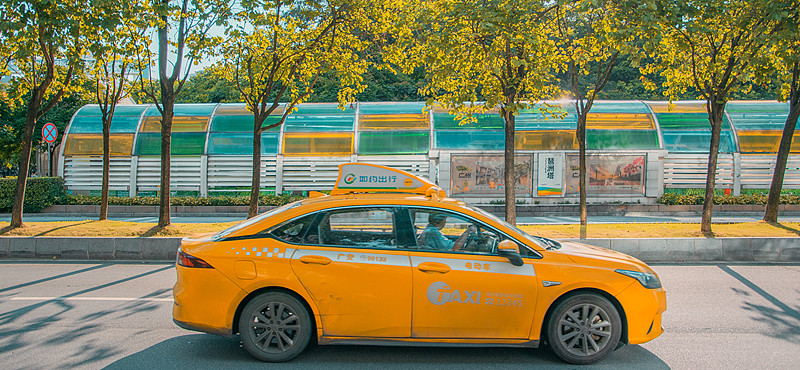
Buses run 1,000+ routes — blue trunks, yellow branches, green expresses, with cross-city buses to Hong Kong, Guangzhou, Dongguan and Huizhou. The metro already runs five lines (Luobao, Shekou, Longgang, Longhua, Huanzhong), interchangeable anywhere. Taxis: red/yellow start at ¥10 for 2 km then ¥2.4/km; green start ¥6 for 1.5 km. Night surcharge applies 23:00–06:00.
"China's No.1 electronics street" — the SEG Plaza at its heart, components, finished phones and foreign-trade boutiques under one sky, with cheap seafood and snacks on every side lane.
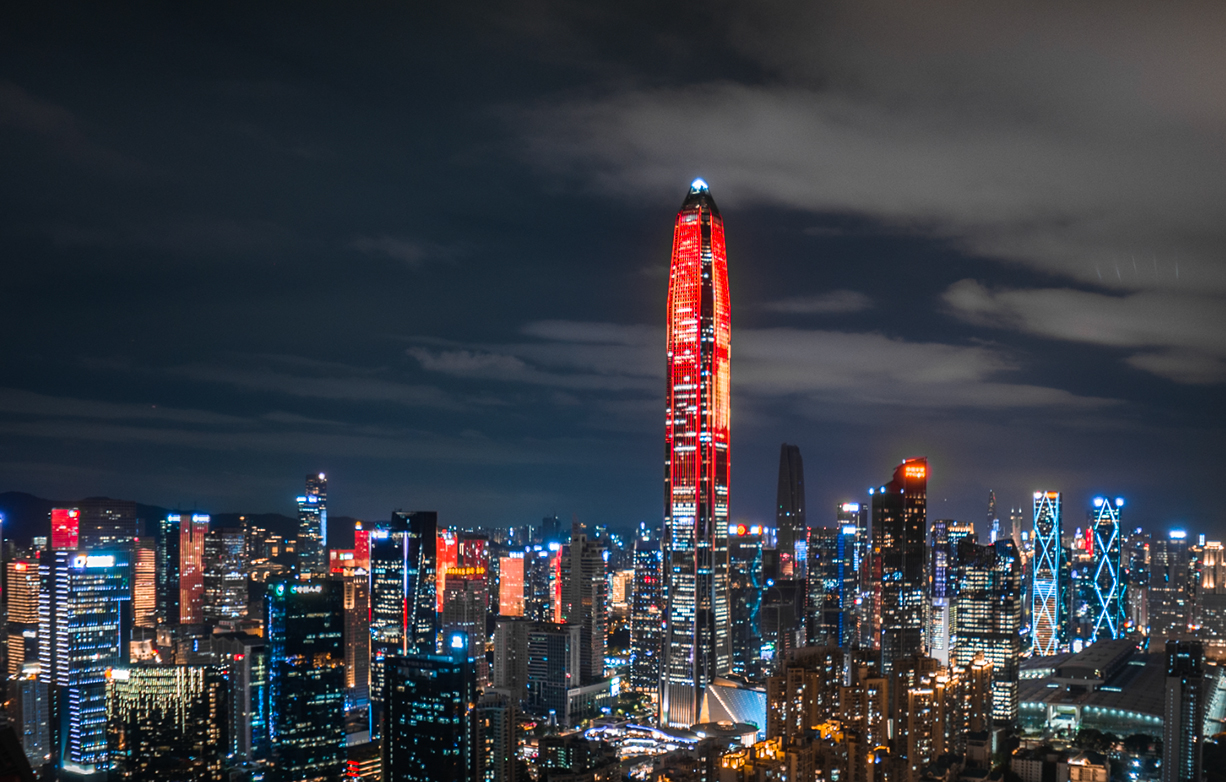
The 100-storey KK100 tower (the new tallest after Diwang) hosts the K K Mall and UA IMAX cinema — Luohu, metro Grand Theatre station on the Luobao/Shekou lines.
China's model one-stop mall — Reel lifestyle department store, Ole' supermarket, Jiahe cinema and the ice rink. Address: 1881 Bao'an South Road, Luohu · metro Grand Theatre station.
Old-shenzhen shopping: Lingnan arcade houses, temples, academies and old banyan trees beside the cheap stalls — Sun Dong An, Maoye and Rainbow malls. Metro Longgang line to Laojie (Old Street) station, exit A.
The Shajing oyster — plump, milky-white oysters from the Pearl River estuary; Nanshan litchi (Nuomici, Guiwei, Feizixiao), the world's only litchi with a geographical-indication mark, once a Tang-Song imperial tribute; and Nan'ao abalone from China's largest land abalone base. Full local-product guides live on the Guangdong specialties page.
Shenzhen People's Hospital — 1017 Dongmen North Road, Luohu · +86 755 2553 3018. Peking University Shenzhen Hospital — 1120 Lianhua Road, Futian · +86 755 8392 3333. Shenzhen Second People's Hospital — 3002 Sungang West Road · +86 755 8336 6388.
Tourist complaints: Guangdong +86 20 8751 3619, Shenzhen +86 755 8200 2253. Shenzhen Tourism Distribution Centre — 9F Block B, Taipingyang Trade Mansion, Jiabin Road, Luohu · +86 755 2733 6678.
Cantonese is the local mother tongue, but Shenzhen is an immigrant city — Mandarin works everywhere and every visitor can converse in Mandarin directly.
Moderate by Chinese first-city standards: local dai pai dong and snack shops are cheap, and budget travellers can live well. Plan about RMB 1,000–2,000 per person for five days; the theme-park tickets are the main splurge.
To enter the "one street, two systems" border strip of Zhongying Street in Shatoujiao, you need a special Zone Permit (¥10 handling fee) from the border authorities — the street is a special administration zone inside the Special Zone.
The Tea Stream Valley's Swiss-style lakeside town in the morning, the golden beach of Dameisha in the afternoon, and Yantian seafood for dinner.
View the plan →Window of the World's miniature landmarks by day, then the rollercoasters and carnival parade of Happy Valley next door — two parks, one ticket-card day.
View the plan →The Ming fortress in the morning, then the wild Dongchong–Xichong coastal trail — Ming history, rocky headlands and a swim at the end.
View the plan →Even in mild winters the evenings cool down — pack a light jacket. And a swimsuit: the whole point of a Shenzhen summer is the beach, and the OCT East hills are cooler than the city.
The subtropical sun is strong. There is no such thing as overdoing sunscreen, a hat and a shirt — the Dongchong–Xichong hike in particular offers almost no shade.
After a seafood feast, wait an hour before iced drinks or watermelon, and do not jump straight into the sea — both upset the stomach. Eat first, swim later.
Shenzhen's route numbers look alike: 309 and M309 both stop at Liuyue station but run completely different roads. Double-check the exact number and direction before boarding.
To enter Zhongying Street you need the Zone Permit (¥10) from the border administration office at Shatoujiao — bring your ID, allow time, and go in the morning before the crowds.
Shenzhen is a southern coastal city on the east bank of the Pearl River estuary, facing Hong Kong across the Shenzhen River — Daya Bay and Dapeng Bay to the east, the estuary and Lingdingyang to the west, Dongguan and Huizhou to the north. It has a subtropical monsoon climate: average 22.5°C, extremes 38.7°C / 0.2°C, a 355-day frost-free season, 1,924 mm of rain and 2,120 hours of sun a year. January averages 15.4°C, July 28.8°C; hills block most typhoons — a direct strike averages under once a year.
Shenzhen's story goes back 6,000 years — Neolithic pottery has been found on the site. A settlement called Xin'an was established here in 1573, living on salt, tea, spices and rice. The 1842 Treaty of Nanjing ceded Hong Kong across the water, and the old county became Bao'an. In 1979, Deng Xiaoping carved out China's first Special Economic Zone on this former colonial fishing port — and over one lifetime the border town grew into a global metropolis of skyscrapers, electronics and immigration.
A city of immigrants: 500-year-old banyan trees on the shore, 200-plus butterfly species in the hills, black-faced spoonbills wintering in the mangroves, Hakka old houses in Longgang, and a dumpling-and-morning-tea street feeding every newcomer — the old and the brand-new side by side.
Everything on ToursChinaTravel is bookable through our team by email or WhatsApp. Here's where each part of your Shenzhen trip lives on the site.
Star-rated sight details — hours, tickets, phones and tips for every Guangdong attraction.
Browse Guangdong sightsStar-rated hotels across Guangdong — from the St. Regis to hostels, all bookable by our team.
Book a Guangdong hotelRoutes, airlines and schedules for Bao'an airport, Shenzhen Station and Shenzhen North.
See China flightsShajing oysters, Nanshan litchi, Nan'ao abalone and the classic Cantonese pantry.
Browse Guangdong specialtiesLicensed agencies with addresses, phones and booking contacts for theme-park and coast tours.
Find a Guangdong agencyGuangdong's other cities — the Guangzhou guide, Zhuhai guide and Huizhou guide — plus the Shenzhen itineraries.
Browse all guides