China · Beijing
Beijing Travel Guide
The capital of China — imperial rooftops, hutong lanes, the Great Wall and the best duck in the world. A complete, bookable guide.
China · Beijing
The capital of China — imperial rooftops, hutong lanes, the Great Wall and the best duck in the world. A complete, bookable guide.
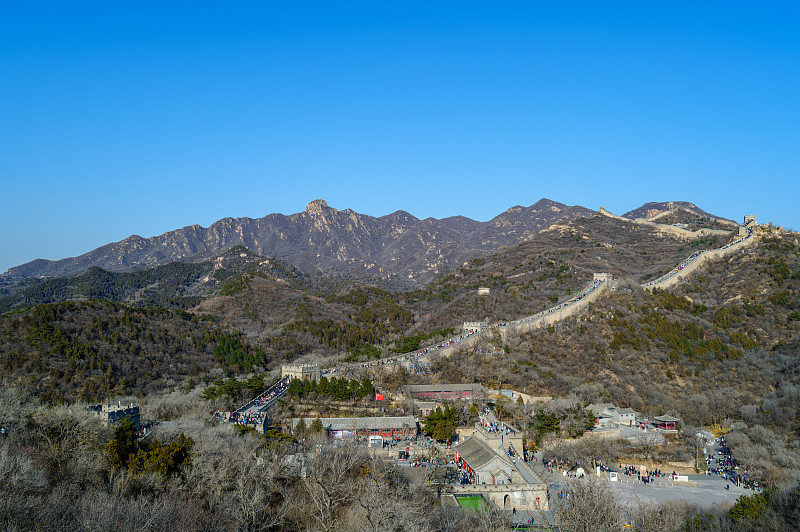
The best-preserved Ming section and the classic first climb — cable car up, walk the towers, hero photo at the top.
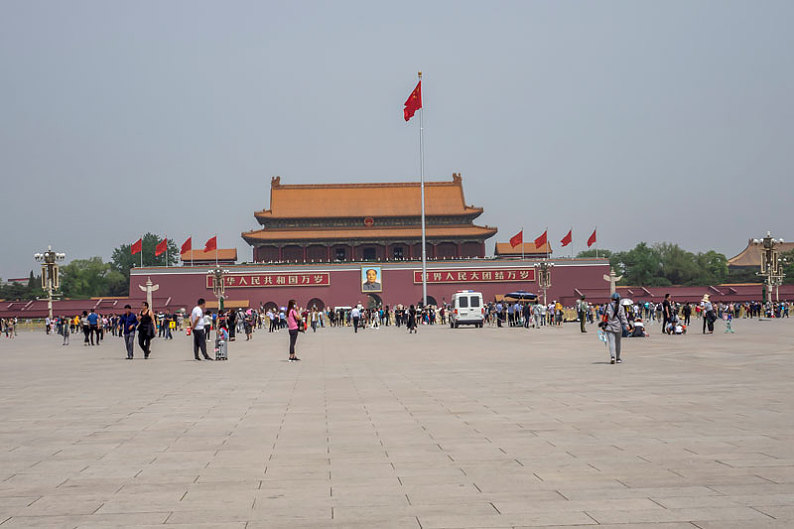
The world's largest city square, flanked by the National Museum and the Great Hall — and the sunrise flag ceremony.
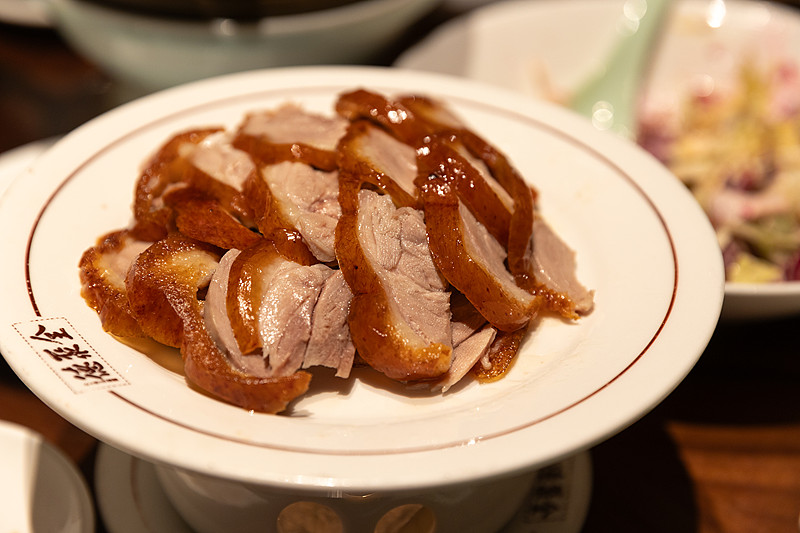
Crisp lacquered skin carved at the table with pancakes, sweet bean sauce and spring onions — a Beijing rite of passage.
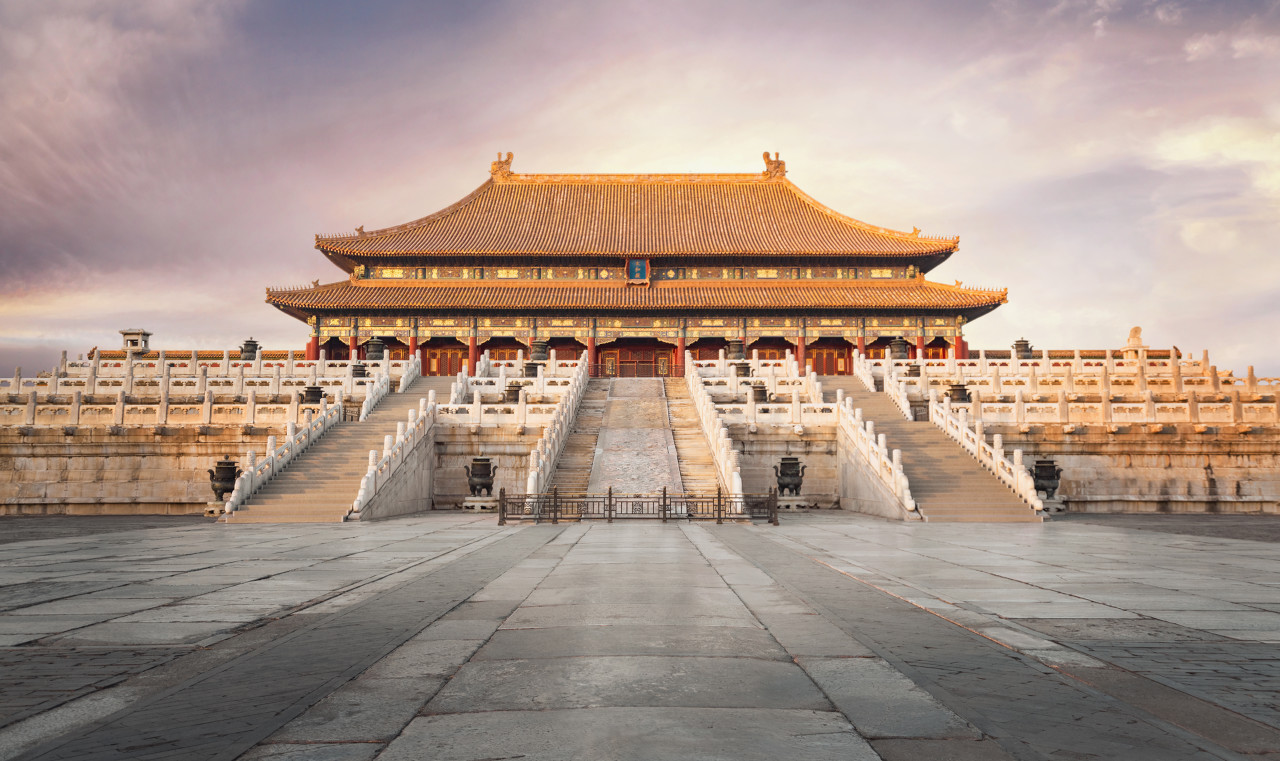
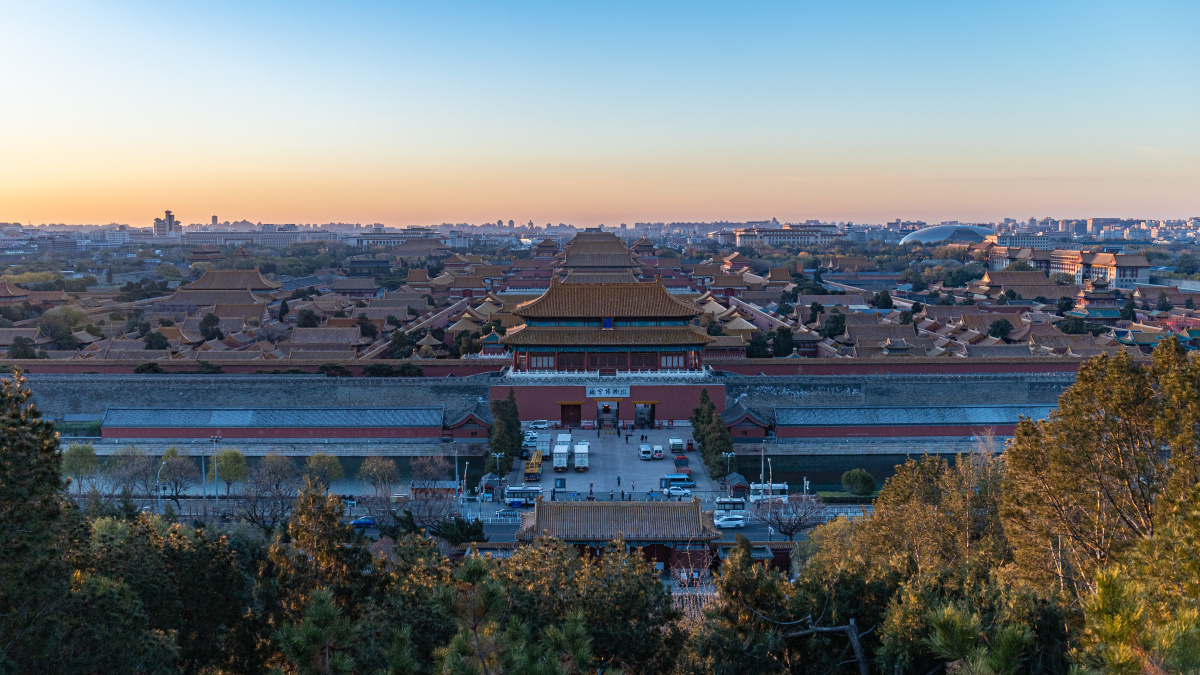
China's imperial palace for 500 years — 8,707 rooms of gold, jade and history. Reserve tickets in advance.
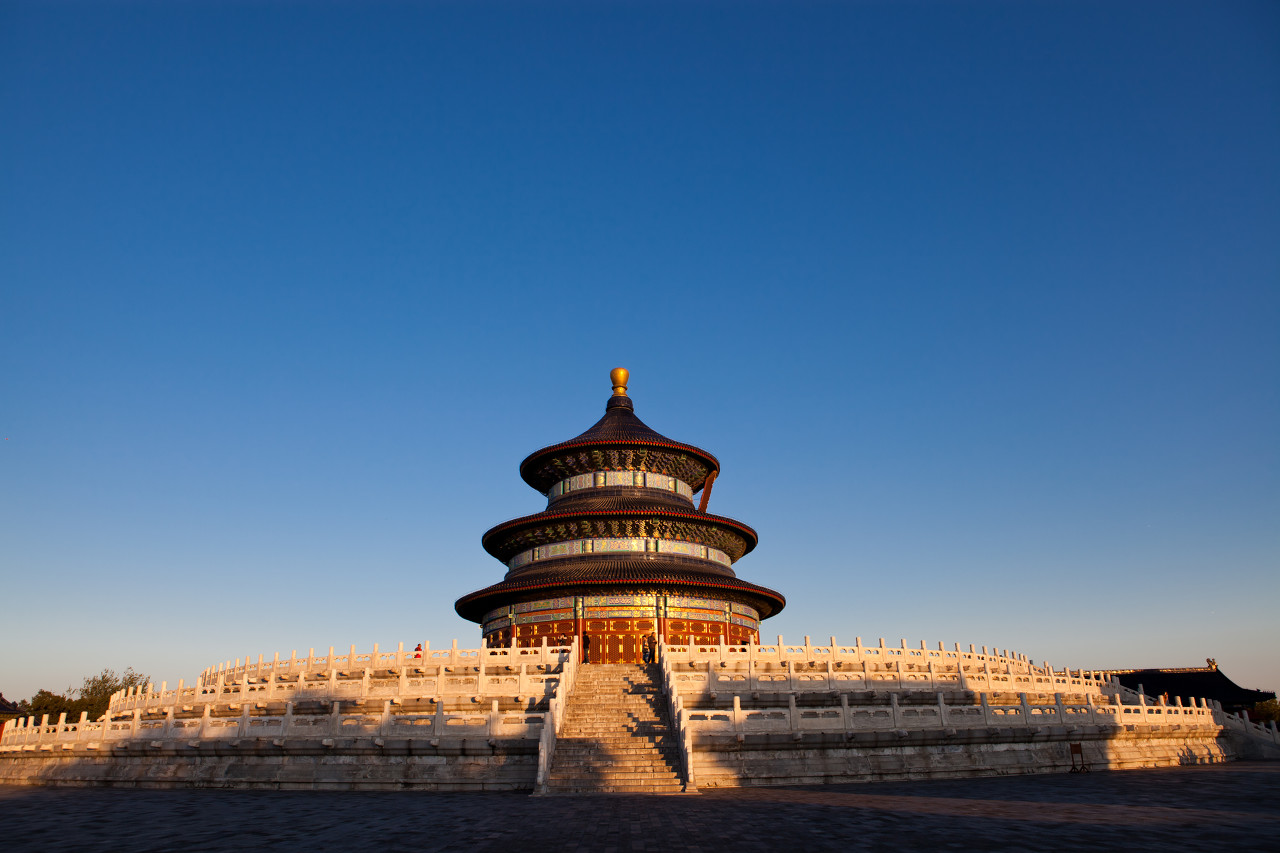
The emperor's altar to Heaven, four times larger than the Forbidden City — the Hall of Prayer and its famous Echo Wall.
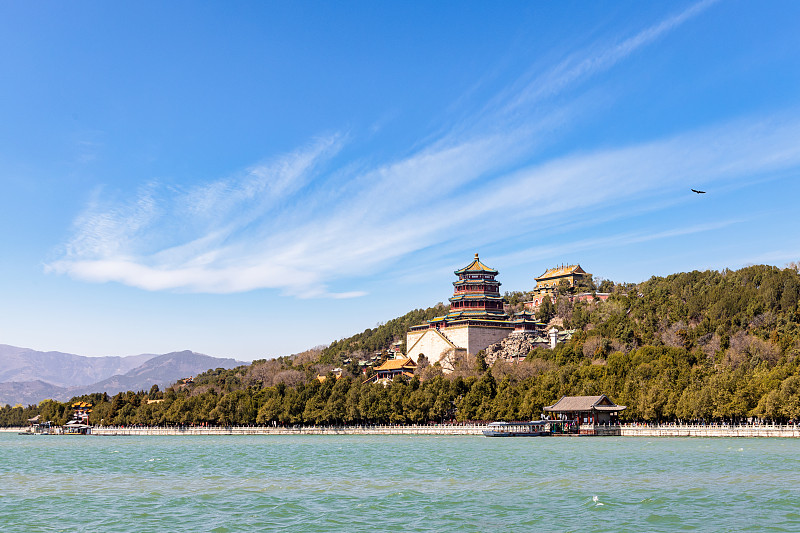
The largest imperial garden in China — Long Corridor, Kunming Lake and the Tower of Buddhist Incense.
Forbidden City, Tiananmen, the Temple of Heaven and the Summer Palace — 600 years of dynastic grandeur, all within a metro ride of each other.
Courtyard homes, jianbing stalls, bicycle bells and roof-top bar views — the old city is best walked, not rushed.
Sanlitun bars, Houhai lakeside lounges, Guijie's 24-hour crayfish street — Beijing parties late and eats later.
The Bird's Nest and Water Cube glow after dark, and 798 keeps the capital's art scene alive year-round.
Late spring (April–May) and autumn (September–October) bring clear skies and mild air — the classic window, with golden ginkgo lanes in October. Summer is hot and wet; winter is cold but quiet, and snow on the Forbidden City rooftops is a rare reward.
Five days covers the essentials: the Forbidden City and Tiananmen, the Great Wall at Badaling or Mutianyu, the Temple of Heaven, the Summer Palace and a hutong evening. With two to three days you can still manage the Forbidden City plus one wall day and one temple.
First-timers should stay inside or just outside the Second Ring: Dongcheng near Wangfujing or the Drum Tower keeps the Forbidden City, hutongs and subway close. Budget hostel dorms run ¥55–95 per bed, mid-range rooms ¥200–300, and the Beijing Hotel on Chang'an Avenue is the classic splurge.
No — the Palace Museum now requires advance reservation with your passport through its official channels, usually sold out days ahead in peak season. Book early, then queue at the Meridian Gate (Wumen) with your ID.
Yes. Badaling is the most famous section and easiest by public transport (bus 877 from Deshengmen, ¥7–12), while Mutianyu is the most beautiful and less crowded. Allow a full day for either.
Forbidden City & Tiananmen day one; the Great Wall at Badaling and a hutong evening day two — the perfect weekend. View the plan →
The imperial heart. Early entry to the Forbidden City via the Meridian Gate (book ahead; ¥60 peak) — walk the Central Route to the Jingshan panorama. Afternoon: Tiananmen Square , the National Museum if time allows, then dinner on Wangfujing street.
The Great Wall. Bus 877 from Deshengmen to Badaling (¥45; 1.5 h) — climb the towers, cable-car down if tired. Return for an evening in Nanluoguxiang and the Drum Tower hutongs: courtyard cafes, jianbing and rooftop bars.
The full tour: the Forbidden City, the Wall, the Summer Palace and Yuanmingyuan, 798 art, temples and the Bird's Nest. View the plan →
The Forbidden City. Morning: Forbidden City Central Route (book ahead; ¥60). Afternoon: Jingshan Park panorama and Tiananmen Square . Evening: Wangfujing snack street.
The Great Wall. Bus 877 to Badaling (¥45) for the classic climb; on return, the Drum Tower and Nanluoguxiang hutongs for dinner and a courtyard bar.
Royal gardens. Metro Line 4 to the Summer Palace (¥30, ¥60 combo) — the Long Corridor and Kunming Lake — then Yuanmingyuan next door for the ruined Western Mansions and its haunting history.
Temples & alleys. Morning: the Temple of Heaven (¥15) with its Echo Wall; afternoon: Lama Temple (¥25) and the Confucius Temple lane. Evening: Qianmen and Dashilan old streets.
Art & Olympics. Morning: 798 Art District galleries. Afternoon: Olympic Park — Water Cube (¥30) and the Bird's Nest (¥50) — then Sanlitun for dinner and the neon night.
The world's largest city square, flanked by the National Museum and the Great Hall — and the sunrise flag ceremony.
Free · Gate tower ¥15
China's imperial palace for 500 years — 8,707 rooms of gold, jade and history. Reserve tickets in advance.
¥60 peak / ¥40 off-peak · 08:30–16:10
The emperor's altar to Heaven, four times larger than the Forbidden City — the Hall of Prayer and its famous Echo Wall.
¥15 peak / ¥10 off-peak · 06:00–22:00
The largest imperial garden in China — Long Corridor, Kunming Lake and the Tower of Buddhist Incense.
¥30 (¥60 combo) · 06:30–18:00
The best-preserved Ming section and the classic first climb — cable car up, walk the towers, hero photo at the top.
¥45 · Bus 877 from Deshengmen
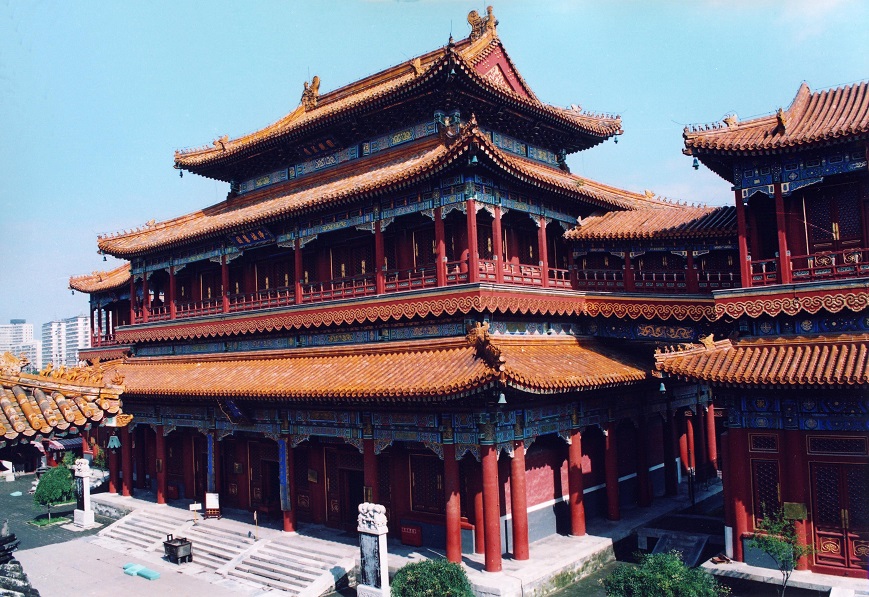
Beijing's grandest Tibetan Buddhist temple — gilded pavilions, the 18-metre sandalwood Buddha and ginkgo lanes in autumn.
¥25 · 08:00–17:00
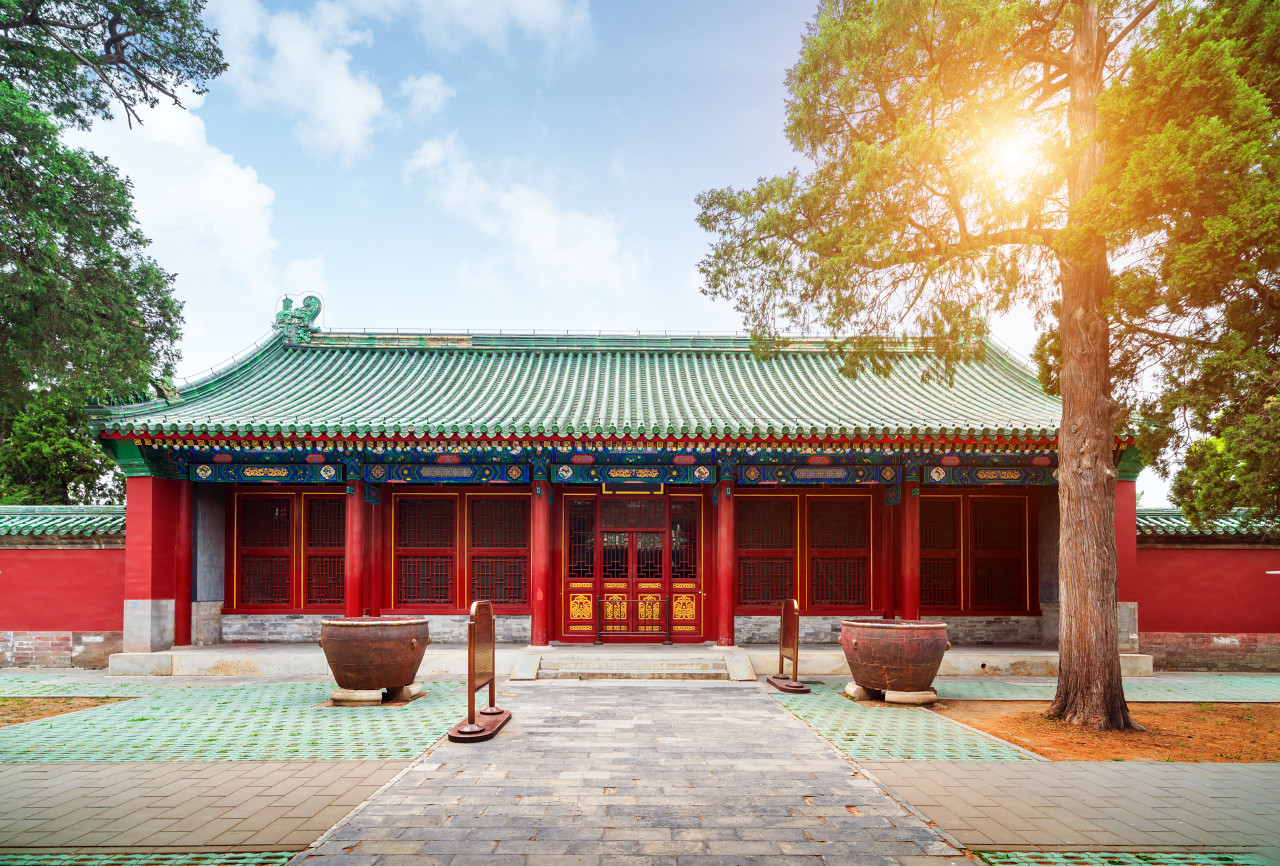
"Half of Qing history lives in Prince Gong's Mansion" — Heshen's sprawling courtyard palace with garden and opera stage.
¥40–70 · 07:30–16:30
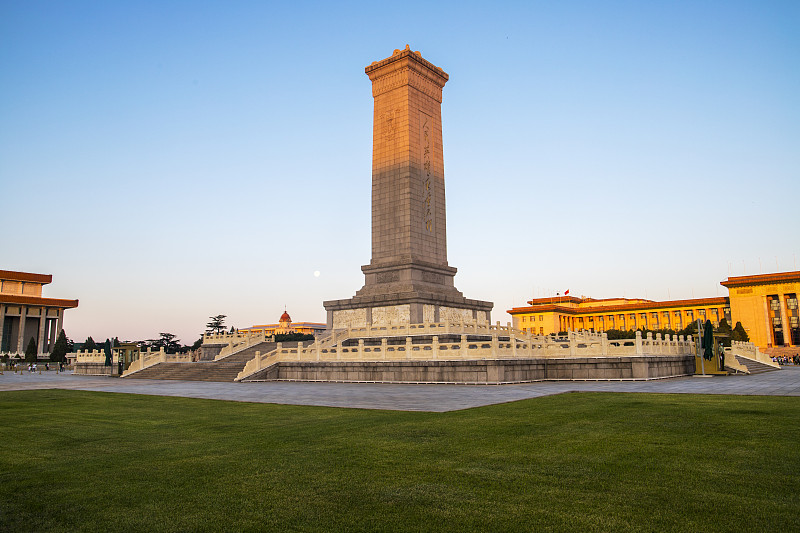
Climb Jingshan's artificial hill for the postcard panorama over the Forbidden City — ¥2 and the best view in Beijing.
¥2 · 06:30–21:00
36 guards march from the Meridian Gate at sunrise in the national ceremony — arrive 60–90 minutes early; times change daily, check ahead.
MAO Livehouse on Gulou East Avenue (Dongcheng) hosts the capital's rock and folk scene most nights — catches bands like the Repro and Zhou Yunpeng when they play home.
Deyun Society, Guo Degang's xiangsheng (crosstalk) theatre, sells out fast — cheap seats, old-school humour, roaring crowds. Tianqiao Theatre is the classic venue.
Li Yuan Theatre inside the Qianmen Hotel stages nightly Peking opera — the 200-year-old art of singing, dance and acrobatics that the West calls "Peking Opera".
Roof terrace with bell-tower views over old Dongcheng, steps from the Drum Tower, Nanluoguxiang and Houhai. Dorms ¥55–65, twins ¥240, singles ¥200.
A protected hutong courtyard north of Dongsi — sunny common room, tea in the yard, beds from ¥95. Near the Lama Temple and Nanluoguxiang.
Jacky Lee's design courtyard in Nanluoguxiang, featured by German and Japanese TV — rooms from ¥310 in a genuinely old siheyuan.
Reliable budget chain next to Happy Valley on the East 4th Ring — twins ¥280, handy for Joy City and the airport express.
The grand dame on Chang'an Avenue at the mouth of Wangfujing — a short walk to Tiananmen, and a piece of Beijing history itself. From ¥1,500.
Quanjude's hanging-oven duck (front-gate ¥150/person, +86 10 6511 2418), the local favourite Bianyifang, or Da Dong's modern classic.
Noodles with fried bean sauce, cucumber and bean sprouts — the everyday Beijing staple. Try Haiwan Ju, Jingweizhai or Siji Minfu.
Paper-thin lamb swished in a charcoal copper pot with sesame sauce — Donglaishun (Wangfujing 198, +86 10 6513 9661), Nanmen or Jubaoyuan.
Luzhu (braised tripe with flatbread), chao gan (stewed liver), bao du (quick-scalded tripe), douzhi (fermented mung-bean drink) and lü da gun rolls — hunt them at Qianmen, Huguosi, Niujie and Donghuamen night market.
Dongzhimen's two-kilometre crayfish and grilled-fish strip, red lanterns until dawn. Huda restaurant's spicy crayfish is the legend (+86 10 6400 3511, ¥80/person).
The most authentic halal street in Beijing — Jubaoyuan lamb hotpot, the Turpan Restaurant's lamb skewers and Dàshunzhai's sweet pastries.
The century-old "golden street" of department stores and the Donghuamen snack night market at its north end. Metro Line 1.
Malls everywhere plus the Xidan Book Building, China's biggest bookstore. Metro Lines 1 & 4.
Designer flagships and open-air lanes beside the bar street — Beijing's fashion frontier. Metro Line 10 Tuanjiehu.
"Climb the Wall, tour the Palace, eat the duck, shop Xiushui" — the classic market for knock-offs; haggle hard and check quality.
The great flea market of antiques, curios and Mao memorabilia — browse for hours, buy with your eyes open. Metro Line 10.
The oldest shopping street in Beijing — Ruifuxiang silks, Neiliansheng shoes, Liubiju pickles and Zhangyiyuan tea since imperial times.

Three terminals 20+ km from the city. Airport express to Dongzhimen ¥25 (06:00–22:30); city buses ¥16 (9 routes); taxi T3–Dongzhimen about ¥60. Info +86 10 6454 1100.

Beijing, Beijing West, Beijing South, Beijing North and Beijing East serve every corner of China — book via 12306 (phone +86 10 9610 5105). South Station runs the Shanghai high-speed (4.5 h).

Eight main terminals — Bawangfen +86 10 6774 0320, Dongzhimen +86 10 6467 3094, Liuliqiao +86 10 8383 1716 and more — cover all nearby provinces.
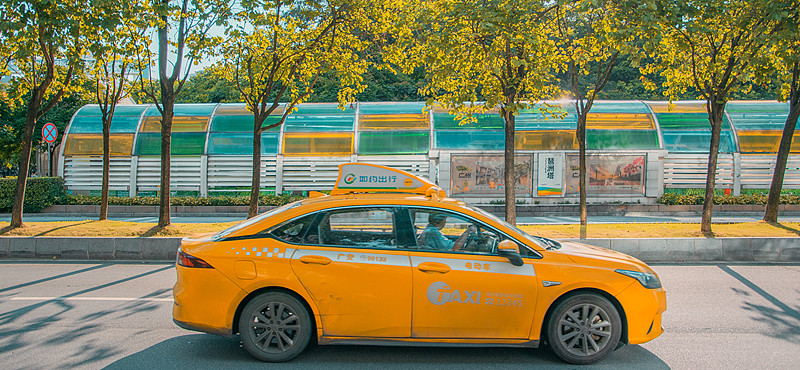
16 lines, flat ¥2–10 per ride with the Yikatong card (¥20 deposit; 40% bus discount). Taxis start ¥10/3 km; official ones are yellow-blue — never take the red-light touts.

A Beijing entry permit (jinjingzheng) is required, with odd-even plate bans on weekdays and rush-hour restrictions inside the 5th Ring — most visitors just take the metro.
Get it at any metro station (¥20 deposit + top-up); use it on metro, buses, some shops and even the Badaling rail (¥7 return). Refund only at select stations.
Less crowded than Badaling, the restored Mutianyu ramparts run across thick forest hills — a favourite with photographers and families. Cable car up, toboggan down.
The wildest, most photographed stretch of the Great Wall — unrestored Ming towers marching over the ridges, 2.5 h by car or bus from the city.
A 3-day escape to the northern forest-and-grassland park on the Hebei–Inner Mongolia border — horseback rides, birch woods and starry nights.
Morning flag-raising at Tiananmen and the Forbidden City moat, then an afternoon of hutongs, lakeside teahouses and bars around Houhai.
The Forbidden City, National Museum and summer Palace Museum all require passport-based advance reservation — reserve days, even weeks, ahead.
Police 110 · Fire 119 · Ambulance 120 · Traffic 122 · Directory 114. PUMC Hospital Dongdan +86 10 6529 6114.
April–May and Sept–Oct are ideal; summer storms hit July–August (80% of rain); winter needs serious layers plus warm hats for the Wall.
At Tiananmen, the Wall and temple entrances, ignore "cheap tour" hawkers and red-light taxis; use official ticket counters and app-ordered rides.
Buy a Yikatong card at the first metro station — it cuts bus fares 40% and lets you tap onto the suburban rail.
Email [email protected] or WhatsApp +86 138 0000 0000 — we book hotels, tickets and trains for free.
Beijing began as the Yan capital 3,000 years ago and has been China's capital since the Yuan dynasty (13th century). The Ming rebuilt it into today's walled city, the Qing enlarged it, and in 1949 it became the capital of the People's Republic — 859 years of continuous capital history.
Nestled at the north-western edge of the North China Plain, cupped by the Western Hills and Jundu Mountains, Beijing sits at 43.5 m average elevation. A warm-temperate continental monsoon climate: hot wet summers, dry cold winters, short springs and autumns.
82 universities, the world's third-largest national library, 100+ religious sites and the living arts of Peking opera, xiangsheng and hutong courtyard life — the capital is a museum you can walk through.