>
Frozen palaces, Russian-style domes and Siberian tigers: Harbin turns winter into a fairytale. This guide covers the Ice and Snow World, Central Street, honest itineraries, where to eat and how to book your whole trip — all in one place.
Four experiences every first-time visitor should not miss — the essence of a Harbin winter in a single walk.
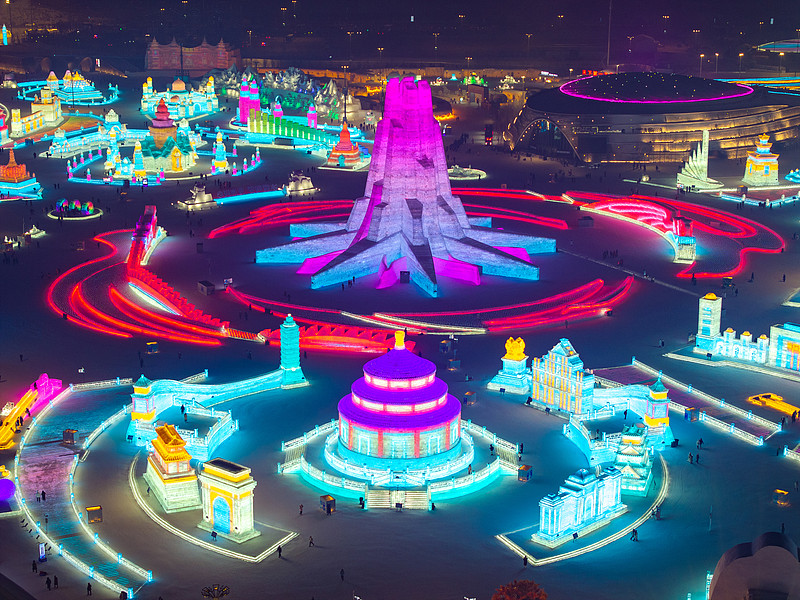
When night falls, the Ice and Snow World glows in every colour — the moment every Harbin traveller comes for.
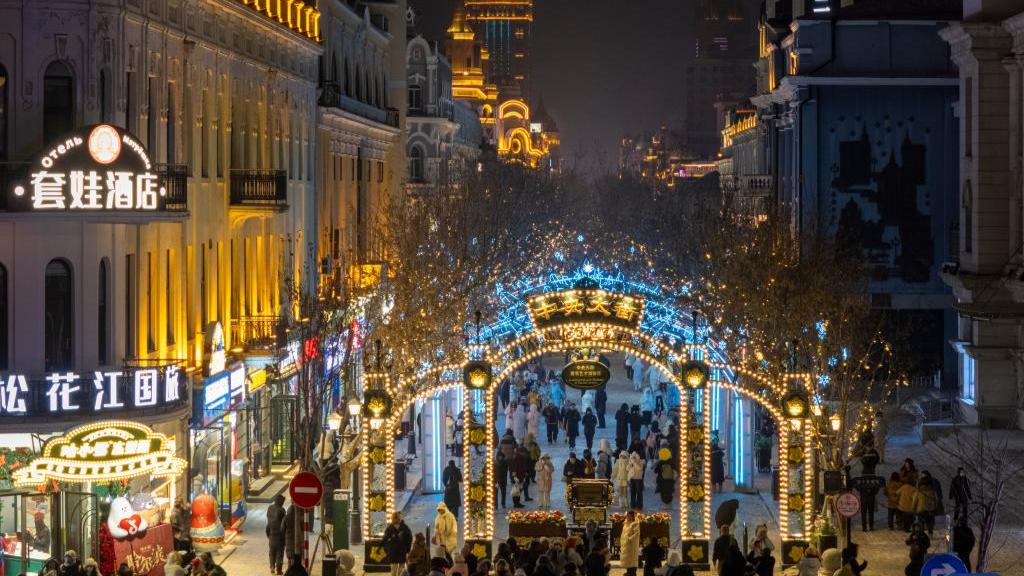
Asia's longest pedestrian street, paved in granite and lined with European facades — even in deep winter locals eat ice cream here.
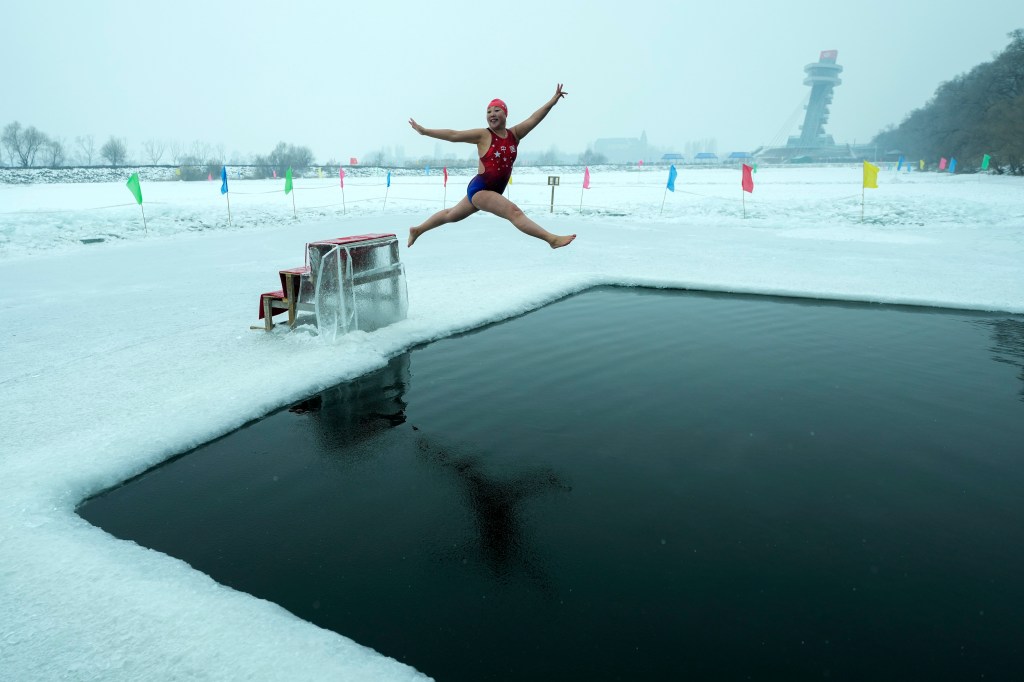
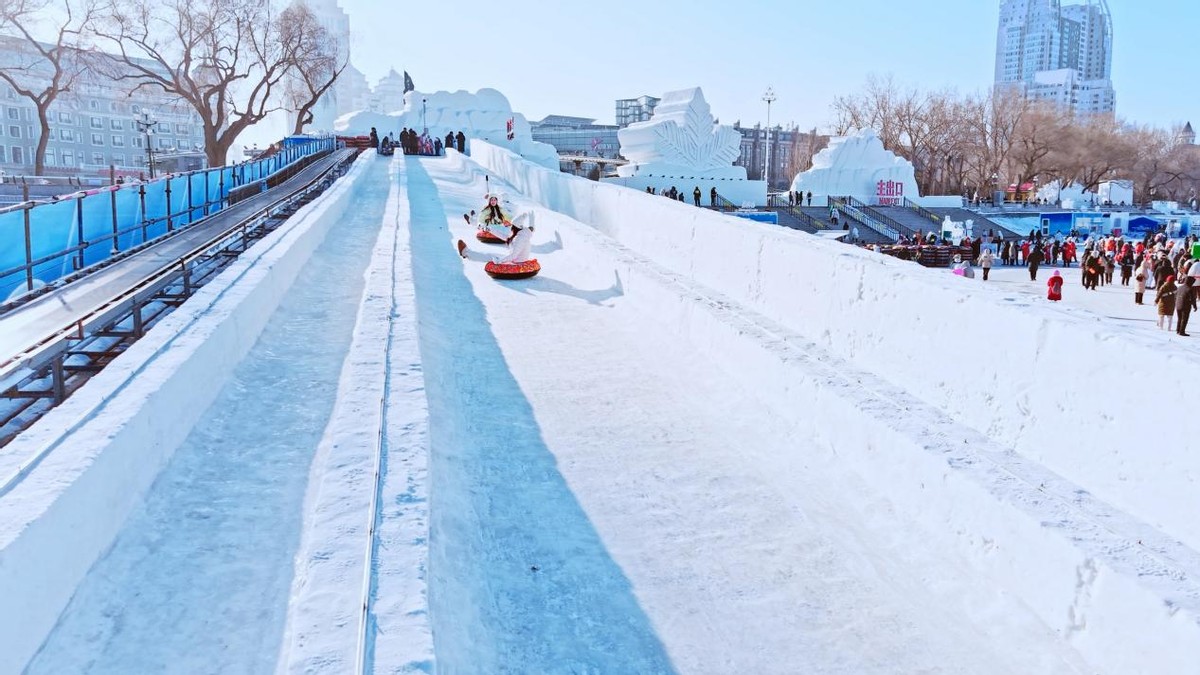
Hurtle down a frozen slide cut into the Songhua River — the simplest, loudest winter joy in the city.
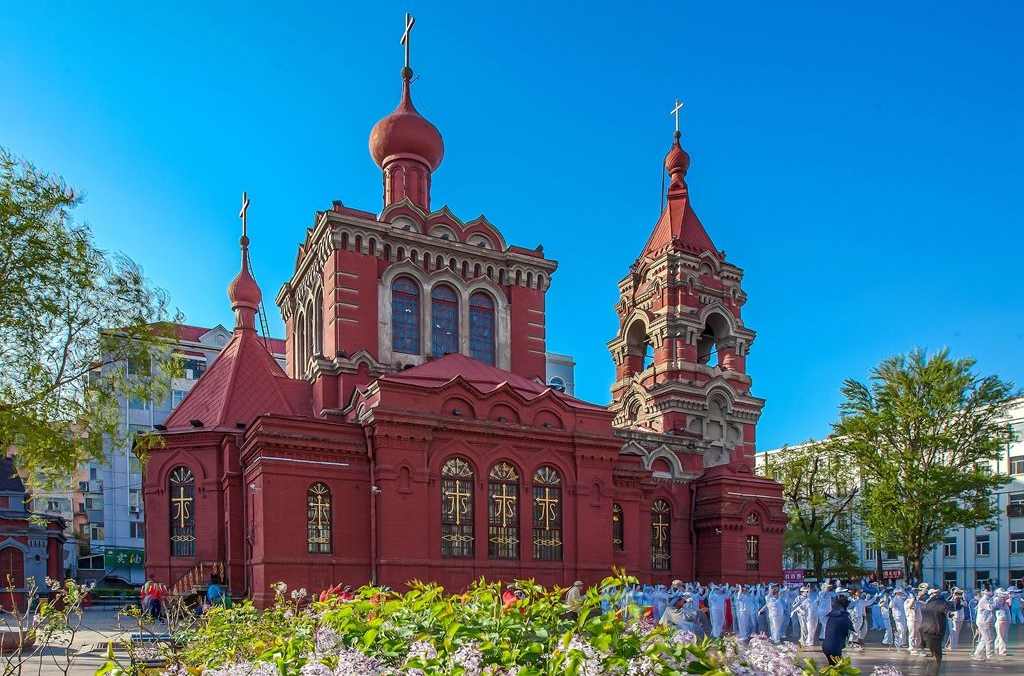
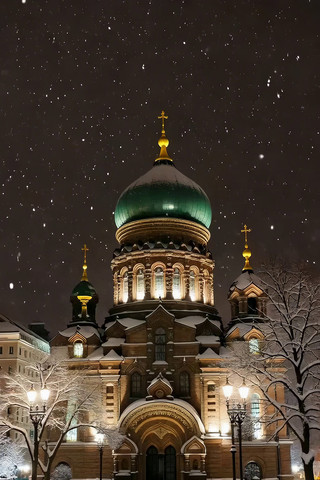
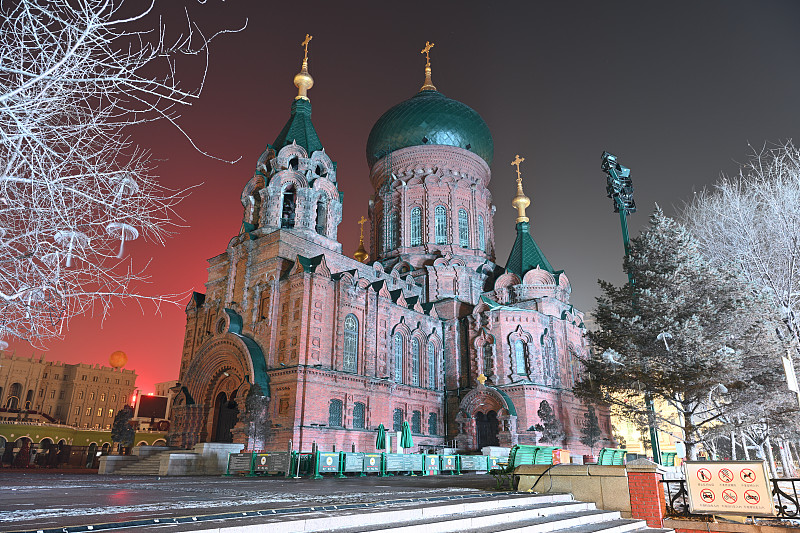
The green onion dome of this Russian Orthodox church rises over the snow — Harbin's most photographed landmark.
The Ice City's signature experiences — the reasons travellers brave the cold for northern China.
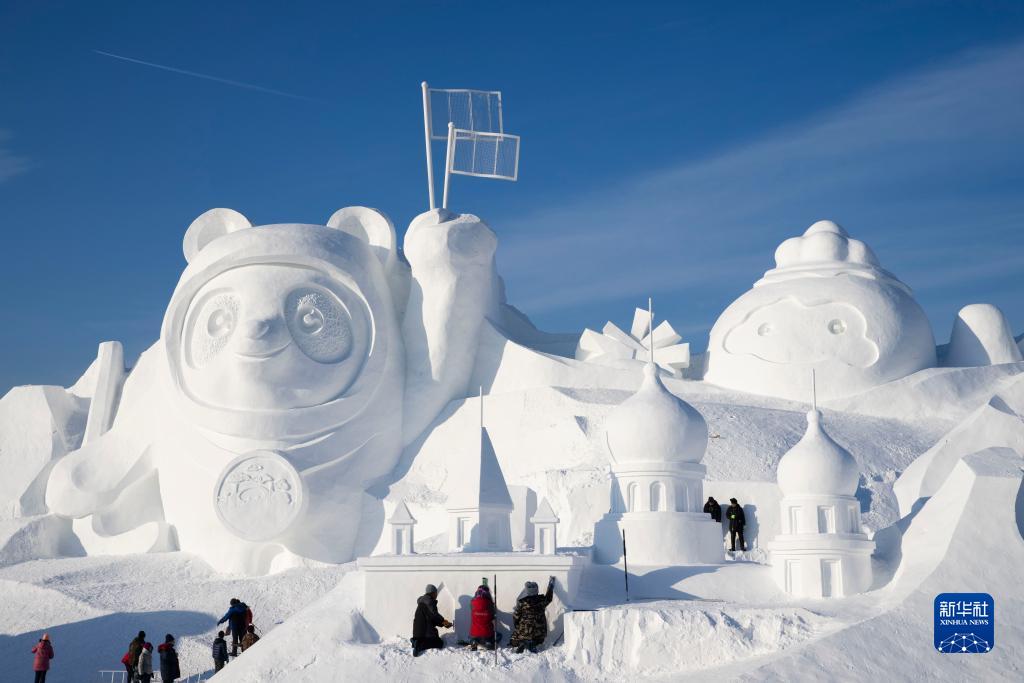
Average winter temperature sits around –15°C, yet the city builds a glittering kingdom of ice. The Ice and Snow World is the largest of its kind on Earth.
Locals cut a pool through the Songhua ice and dive in at –20°C — a startling display you can watch, safely from the bank.
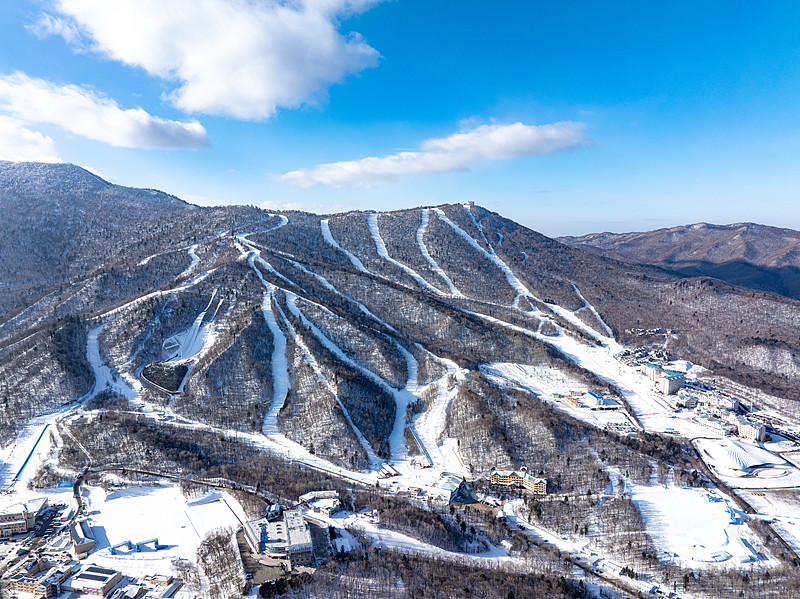
China's landmark ski resort, a three-hour ride away — beginner slopes and championship runs through forested peaks.
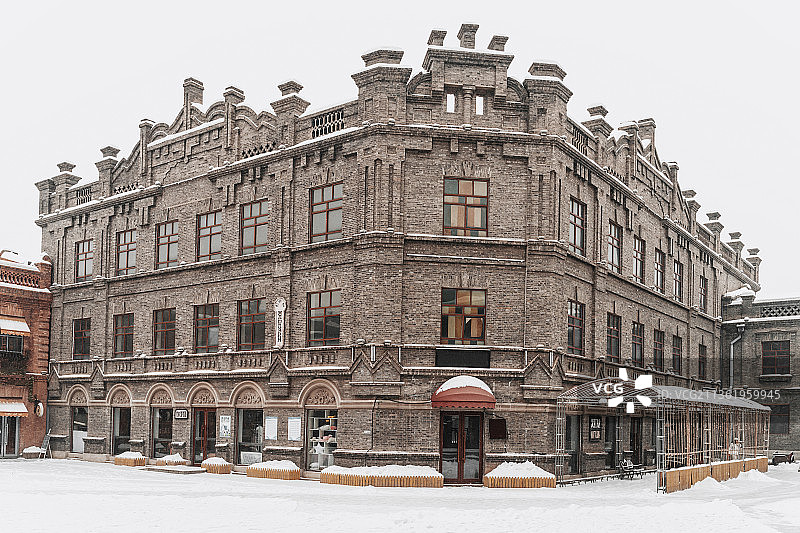
Central Street, Gogol Street and old Daowai are open-air galleries of Art Nouveau, Baroque and Russian architecture.
Borscht, pot-roasted beef and the Harbin original guo bao rou — a city of hearty northern plates washed down with local beer.
Ice bikes, sleds, snow tubes and horse carts spread across the Songhua all winter — an open-air playground for every age.
Known as both the Ice City and a summer retreat, Harbin shines in winter and summer alike. The Ice and Snow Festival runs from around 5 January through late February; May brings lilac blossoms, and July–August offers cool, green days far from the southern heat.
Daytime lows sit around –30 to –35°C, but it is a dry cold and the city is built for it — interiors are well heated. Dress in the layers below and the cold is entirely manageable; many first-time visitors find the dry snow exhilarating rather than painful.
A long down coat, thermal base layers, a fleece or wool sweater, a windproof outer shell, a thick hat, scarf, gloves and warm boots with grip. The indoor-outdoor temperature gap is huge — layers you can add and remove work best.
Batteries drain very fast in the cold. Carry spares close to your body, keep the camera inside your coat when not shooting, and let a sealed camera warm slowly indoors to avoid condensation. Phones and laptops should stay in inner pockets.
Yes. First-timers can snow-tube, ride the gondola or simply play in the snow. At Yabuli, gentle beginner slopes come with instructors, and the rime ice and mountain views alone justify the trip — no skill required.
Absolutely. Stroll the riverbank, listen to music, visit the July Beer Festival, ride a boat through the wetlands and escape the furnace heat of inland cities — a relaxed, green side of Harbin most winter visitors never see.
Add a day at Yabuli, three days at China Snow Town, or a four-day Dongsheng snow-trekking route. In summer, the volcanic lakes at Wudalianchi and the Changbai Mountains are an easy train ride away.
Summer is fine; in winter, only drive if you are experienced on snow and ice — use winter tyres or chains, ABS and gentle inputs. Most travellers find trains, coaches and private transfers far easier in the snowy season.
The essential winter route — ice palaces and the city's Russian landmarks in two packed days. Full itinerary page with tickets & transport →
Central Street, Sun Island & the Ice and Snow World. Bus to Central Street in the morning, browse the shops and walk across the frozen Songhua to Sun Island for the snow expo. After dark, head to the Ice and Snow World and stay for the lit-up palaces.
Saint Sophia, the Flood Control Tower, Qiulin & Gogol Street. Start at Saint Sophia Cathedral, then walk to Central Street and the Flood Control Tower by the river. After lunch, visit the Qiulin department store and the churches along Gogol Street; catch an evening show if time allows.
For slow travellers, photographers and history lovers — the Harbin most tourists rush past. Full itinerary page with tickets & transport →
Qiulin, Saint Sophia, Central Street & the Flood Control Tower. Begin among the three churches near Qiulin, then ride to Architecture Art Plaza for Saint Sophia. Follow Central Street to the river and end at the Flood Control Tower before crossing to Sun Island.
Old Daowai & the New Jewish Synagogue. Wander the morning market, then lose yourself in the Zhonghua Baroque lanes of old Daowai, hunting the famous local snacks. After lunch visit the New Jewish Synagogue and the old synagogue site for the city's history.
No ice, no problem — green Harbin in the warm months. Full itinerary page with tickets & transport →
Saint Sophia, Central Street & old Daowai. Ride to the cathedral, then walk the tree-lined streets, lunch on Russian-style food and browse the Zhonghua Baroque quarter in the afternoon.
Sun Island & the Songhua wetlands. Bus across the river to Sun Island, rent a bike and take a boat through the wetlands before returning for an evening along Gogol Street.
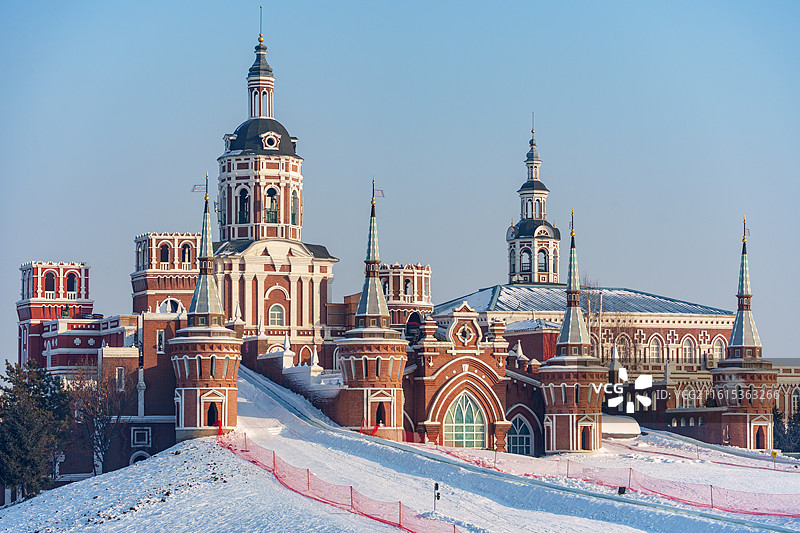
Volga Manor. Drive or take the bus out to the Russian-themed manor, spend a few hours among the gardens and reconstructed churches, and return to the city in the late afternoon.
Seven essential Harbin sights, each with practical details. Prices are reference rates — always confirm at the gate or with our booking team.
Built in 1907, this Byzantine Revival Russian Orthodox church is the largest of its kind in the Far East. Its 53-metre green onion dome and red-brick walls now house the Harbin Architectural Art Gallery, with photographs of the city's old buildings inside. Set in a square ringed by modern shops, it is Harbin's most photographed sight — best at dusk when the lights come on.
| Admission | RMB 20; combined pass RMB 35 (≈ US$3–5) |
| Hours | 8:30–17:30 (closed some Mondays) |
| Address | No. 88 Toulong Street, Daoli District, Harbin |
| Getting there | Buses 1, 5, 13, 16, 20, 61, 74, 83, 113 or 206 to Architecture Art Plaza stop |
First laid out in 1898 and paved with granite cobblestones in 1924, Central Street runs 1.45 km through the heart of Harbin. Its 71 listed buildings span Renaissance, Baroque, Eclectic and Art Nouveau styles — an open-air museum of European architecture. Lined with restaurants, bakeries and souvenir shops, it is the city's living room; locals famously eat Madier ice lollies here even at –30°C.
| Admission | Free |
| Hours | Open 24 hours; shops roughly 9:00–22:00 |
| Address | Central Street, Daoli District, Harbin |
| Getting there | Buses 53, 113, 114, 126 or metro Line 2 to Central Street station |
Built fresh every winter from blocks of Songhua River ice, the Ice and Snow World spreads across more than a square kilometre of towers, palaces and slides. By day it glitters like cut glass; after dark, coloured lights turn it into a luminous fairytale. Allow at least three hours, and go after sunset — the lit sculptures are the whole point.
| Admission | About RMB 300 peak season (reference — confirm at booking) |
| Hours | Roughly 11:00–21:30 during the festival (early Jan – late Feb) |
| Address | Songbei District, north bank of the Songhua River, Harbin |
| Getting there | Metro Line 2 to Ice and Snow World station, or taxi across the river |
A large park and wetland on the north bank of the Songhua, Sun Island hosts the annual Snow Sculpture Art Expo in winter — towering white carvings and the famous giant snow figures. In summer it is a green retreat of gardens, lakes and the Russian-style town. Reach it by cable car over the frozen river or by road.
| Admission | Park RMB 30; Snow Sculpture Expo about RMB 150 (≈ US$4–21) |
| Hours | 8:00–18:00 (winter expo to 20:00 on some days) |
| Address | Sun Island, Songbei District, Harbin |
| Getting there | Songhua River cable car, ferry in summer, or buses 29, 80, 88 |
The old Chinese district of Harbin holds a unique architectural hybrid: European Baroque facades wrapped around traditional Chinese courtyards, decorated with bats, peonies and pomegranates. Centred on Jingyu Street, the lanes are full of historic shops and the city's most authentic snack stalls — rougher and less polished than Central Street, and all the more atmospheric for it.
| Admission | Free |
| Hours | Open all day; food stalls best late morning |
| Address | Jingyu Street and lanes from Bei Toudao to Shidao Street, Daowai District |
| Getting there | Buses 1, 3, 7, 12, 19, 28 or metro Line 3 to the old town |
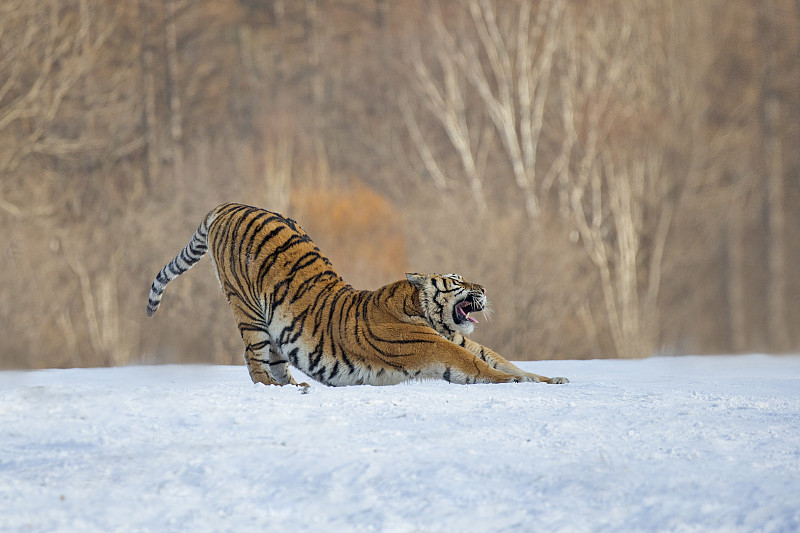
On the north bank of the Songhua, this park protects more than a hundred Siberian (Amur) tigers — the largest cats on Earth. Visitors ride a caged bus through open enclosures while the tigers roam outside, and can watch feeding time from raised walkways. Seeing a 300-kilo tiger bound through deep snow is unforgettable.
| Admission | RMB 90 (≈ US$13); meat for feeding extra |
| Hours | 9:00–16:00 (winter), to 16:30 in summer |
| Address | Songbei District, north bank of the Songhua River, Harbin |
| Getting there | Buses 35, 88, 119 or combine with Sun Island by taxi |
Set on the banks of the Ashi River about 40 minutes from downtown, Volga Manor recreates a 19th-century Russian world of wooden castles, golden-domed churches and landscaped gardens — including reconstructions of Harbin's lost old Russian buildings. Popular for photos, weddings and winter scenery, it offers a quieter, romantic contrast to the busy city sights.
| Admission | RMB 100 (≈ US$14) |
| Hours | 9:00–18:00 (winter to 20:00 for night lights) |
| Address | Chenggaozi Town, Xiangfang District, Harbin |
| Getting there | Shuttle bus or taxi, about 40 min from the city centre |
One of the world's four major ice and snow festivals, opening around 5 January and running through late February. Besides the Ice and Snow World and Sun Island snow expo, there are ice weddings, ice sports and performances across the frozen river.
Harbin has brewed beer since 1900 — China's oldest brewery. Every summer the riverside hosts a beer festival with tents, live music and local food, alongside open-air concerts and a riverside carnival.
All winter the river becomes a giant playground: ice slides, ice bikes, snow tubes, sleds, horse carts and the famous winter swimmers. Most activities are cheap or free and fill an easy afternoon.
Walk from the red-brick Saint Alekseyev Church along Gogol Street, once the city's literary and nightlife quarter, now lined with bars and bookshops. Several lesser-known churches sit within a few blocks of Qiulin.
Staying near Central Street puts every major sight within walking distance. Winter is peak season and prices rise sharply during the festival — book early. Our team books any of these for you free of charge.
The legendary 1906 hotel on Central Street, birthplace of the Madier ice lolly. Old-world lobby, central location and a famous bakery — the classic Harbin stay.
A well-located mid-range hotel a block from Central Street and the river, with comfortable rooms and easy access to the flood control tower.
A riverside five-star with river views, heated pool and full service — the most comfortable choice in the city centre, a short ride from Central Street.
A clean, simple budget chain within walking distance of Central Street and the railway station — great value for the location.
Housed in a historic old building near the river, with a lively common area and helpful travel desk for ski and snow-town trips.
A long-running hostel close to Central Street and Saint Sophia, with dorms, private rooms and a busy noticeboard of winter activities.
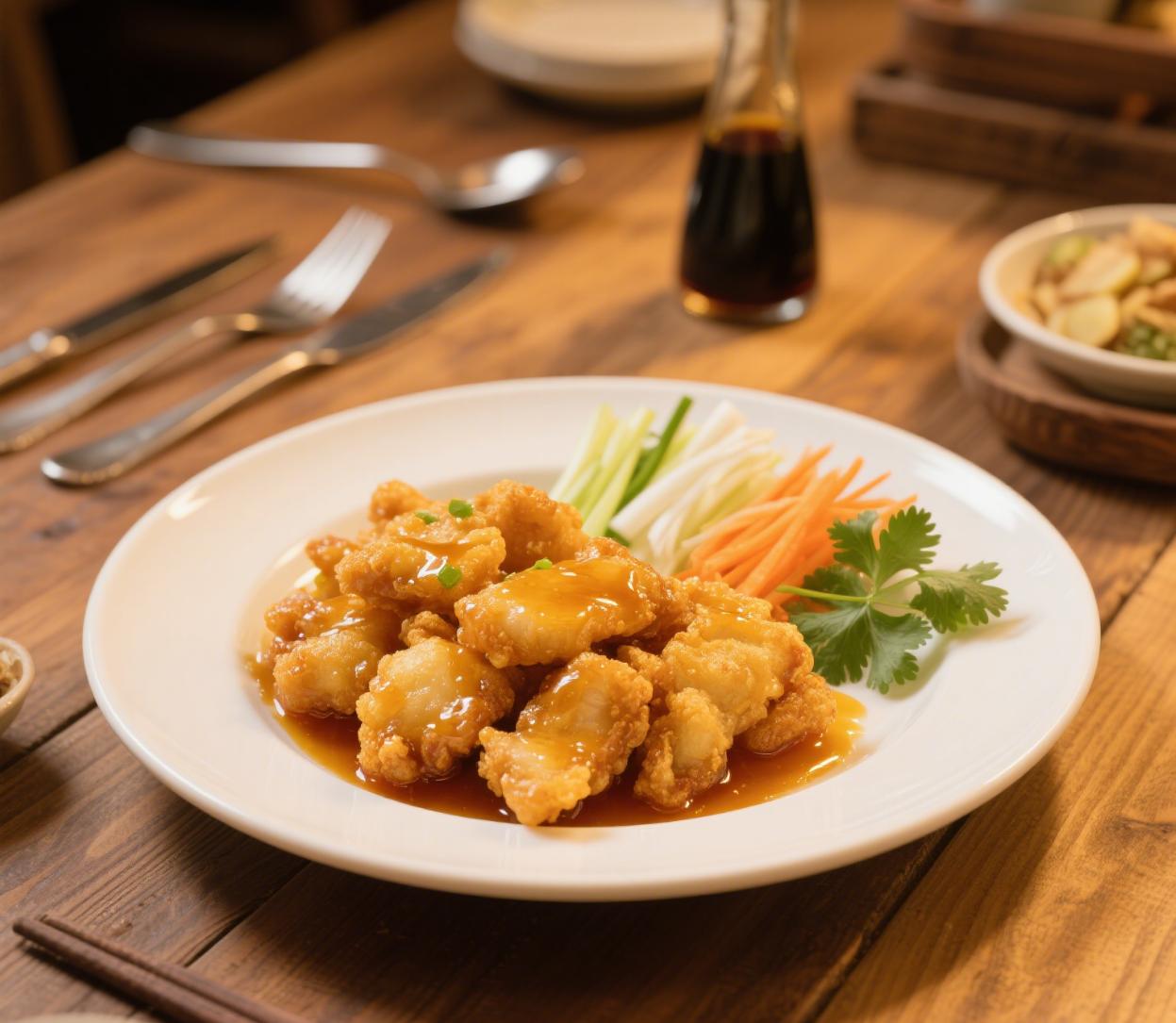
Harbin's table blends Russian and northeastern Chinese cooking: borscht and pot-roasted beef sit beside guo bao rou (sweet-and-sour crispy pork, invented here), smoked red sausage and fresh Harbin beer.
Open since 1925, the grand old name of Harbin Russian food — borscht, pot-roasted beef, sour pickles and bread in a classic dining room.
A polished Russian-European restaurant off Central Street, popular for its set dinners, steaks and house-baked bread.
The restaurant credited with perfecting Harbin's signature guo bao rou: thin pork, crisp batter and a bright sweet-sour glaze.
Fast, cheap and filling — roll stir-fried dishes into thin spring pancakes, a Harbin institution with branches along Central Street.
Harbin Taiping International Airport is a major northeast hub with domestic flights nationwide and regional routes to Russia, Korea and Japan.
Three main stations — Harbin, Harbin East and Harbin West — with high-speed services to Beijing, Shenyang, Changchun and Dalian.
Coach stations serve Yabuli, Snow Town and surrounding towns; expressways connect Harbin to the regional network.
In summer, cheap ferries cross from the Flood Control Tower to Sun Island; in winter the river freezes and you simply walk over.
Harbin's metro (Lines 1, 2 and 3) links the railway stations, Central Street and the north-bank sights; buses cover the rest.
The old city is compact and best walked; plentiful taxis and ride-hailing apps fill the gaps, with modest fares.
Harbin red sausage (smoked, garlicky), the round da lie ba rye bread, fermented kvass, Madier ice lollies and candied hawthorn skewers. From the surrounding forests come wild mushrooms, wood-ear fungus, blueberries and ginseng.
Qiulin Company (No. 319 East Dazhi Street, Nangang) is the historic department store for red sausage, bread and Russian goods. Central Street has bakeries and souvenir shops; Gogol Street is quieter for browsing. Buy vacuum-packed sausage to take home.
Harbin Medical University has several large affiliated hospitals in the city centre; most have international-patient desks. Keep your passport and travel insurance details with you.
Police 110 · Ambulance 120 · Fire 119. Tourism complaint hotline +86 451 12301. ATMs and mobile payment are widespread; free Wi-Fi is common in hotels, malls and Central Street cafes.
China's landmark ski resort in Shangzhi, with beginner slopes, championship runs, a gondola and rime-covered forest — about three hours from Harbin by train or road.
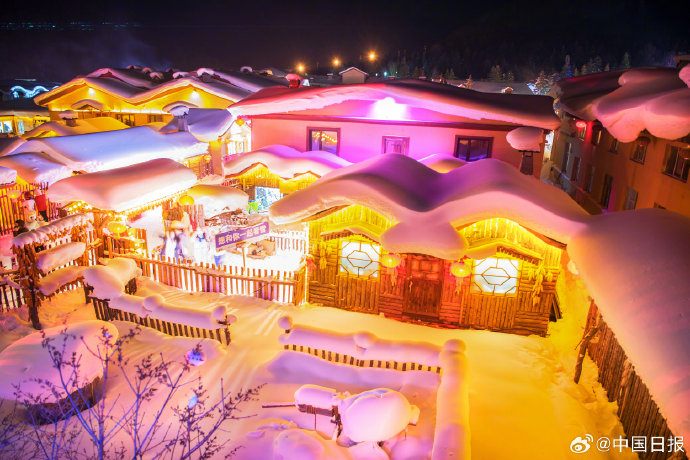
Full day-tour pageShuangfeng Forest Farm, where deep powder buries wooden houses under cream-coloured snow — the postcard village of the northeast, best with an overnight stay and lantern-lit evenings.
Full day-tour pageKeep phones, cameras and spare batteries in inner pockets close to your body; the cold drains them within minutes.
The indoor-outdoor temperature gap can exceed 40°C — add and remove layers rather than overheating indoors.
Pavements and river ice are slippery — warm, non-slip soles are more important than looks.
Central rooms fill and prices jump during the festival and around Chinese New Year; reserve weeks ahead.
Let cold cameras and lenses warm inside a sealed bag to stop condensation before you use them again.
Capital of Heilongjiang province in northeast China, Harbin sits on the south bank of the Songhua River, near the border with Russia. Winters are long, dry and bitterly cold — often below –20°C — while summers are short and cool. The surrounding region is forest, wetland and farmland, with ski hills and volcanic lakes within easy reach.
A small riverside settlement until the Chinese Eastern Railway arrived in 1898, Harbin grew rapidly as Russians, Poles, Jews and other communities built a European-style city — earning the names "Oriental Moscow" and "Oriental Paris". It brewed China's first beer (1900) and built its first sugar refinery. After 1949 the foreign community left, but the domes, cobbled streets and Russian dishes remain, and the winter ice festival has made the city world-famous.
Everything on ToursChinaTravel is bookable through our team by email or WhatsApp. Here's where each part of your Harbin trip lives on the site.
Hours, tickets, phones and travel tips for every Harbin attraction.
Browse Harbin sights499 hotels in Harbin, sorted by rating — 5-star first, all bookable by our team.
Book a Harbin hotelRoutes, airlines and schedules for Harbin Taiping International Airport.
See Harbin flightsLicensed Heilongjiang agencies with addresses, phones and booking contacts.
Find a Harbin agencyRed sausage, rye bread, mushrooms, berries and more — where each comes from.
Explore Harbin specialtiesBeijing, Shanghai, Xi'an, Dalian and more — the best of China, city by city.
All travel guidesCombine hotels, festival tickets, ski trips and Snow Town in one message — our team confirms everything and arranges your Harbin stay free of charge.
Prices and opening hours are compiled from public sources and may change — always confirm with the venue or our booking team. ToursChinaTravel is an independent China travel portal; bookings are arranged by our team at [email protected].