>
A vast dormant volcano on the China–Korea border, Changbaishan holds the sapphire crater lake Heavenly Lake, a 68-metre waterfall, steaming hot springs and endless ancient forest. This guide covers all three slopes, honest itineraries, where to stay and how to book tickets — all in one place.
Four experiences every first-time visitor should not miss — the essence of Changbaishan in one visit.
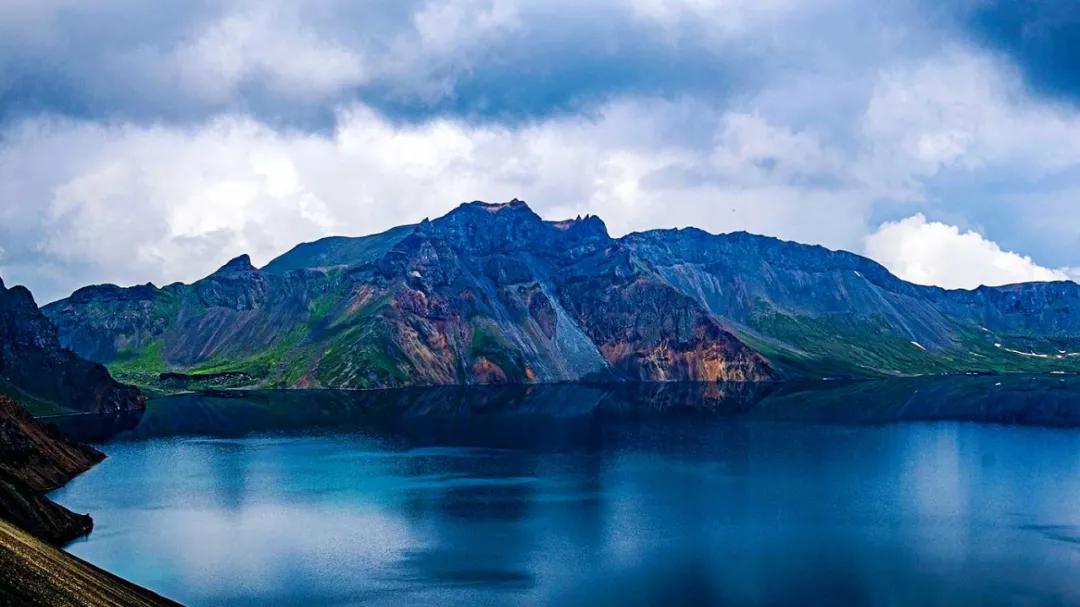
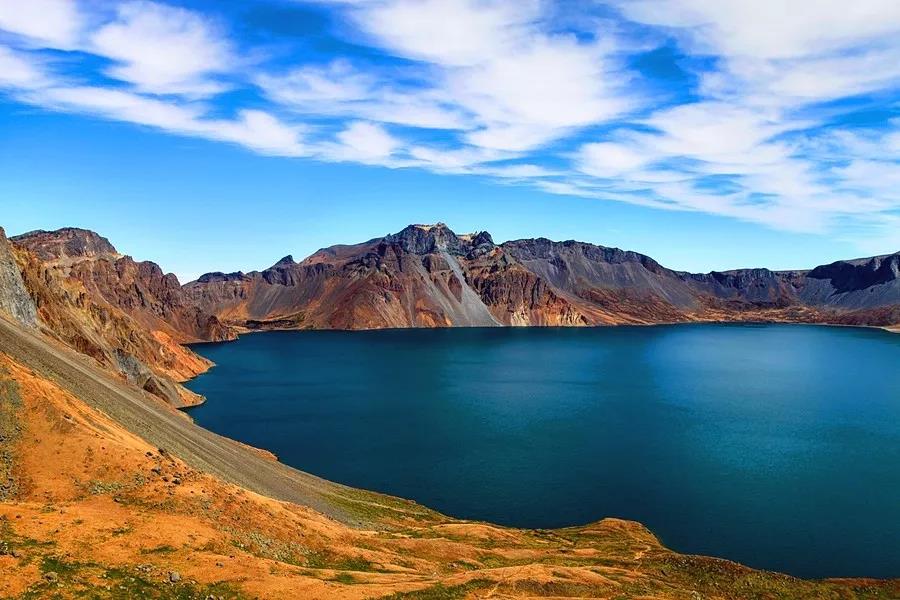
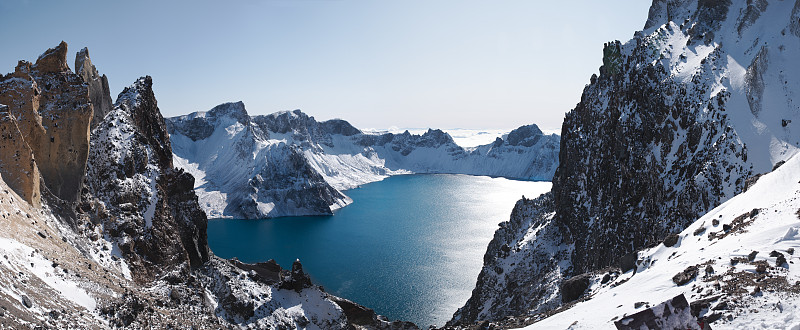
Reach the crater rim on a clear morning and look across China’s deepest alpine lake, ringed by 16 peaks.
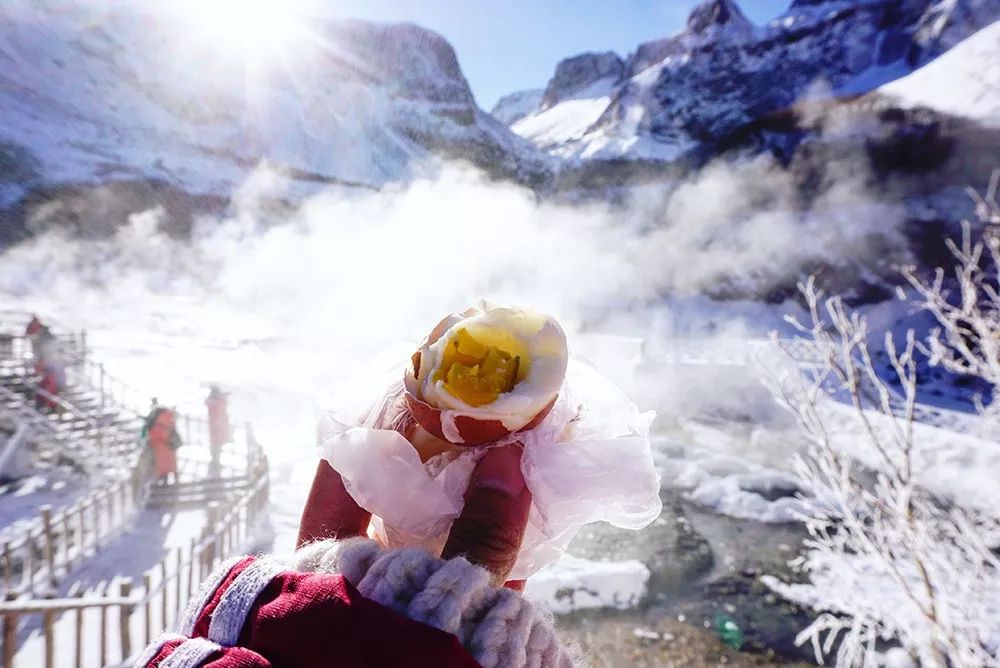
At Julong Hot Spring the eggs cook in steaming mineral water — the classic Changbaishan snack.
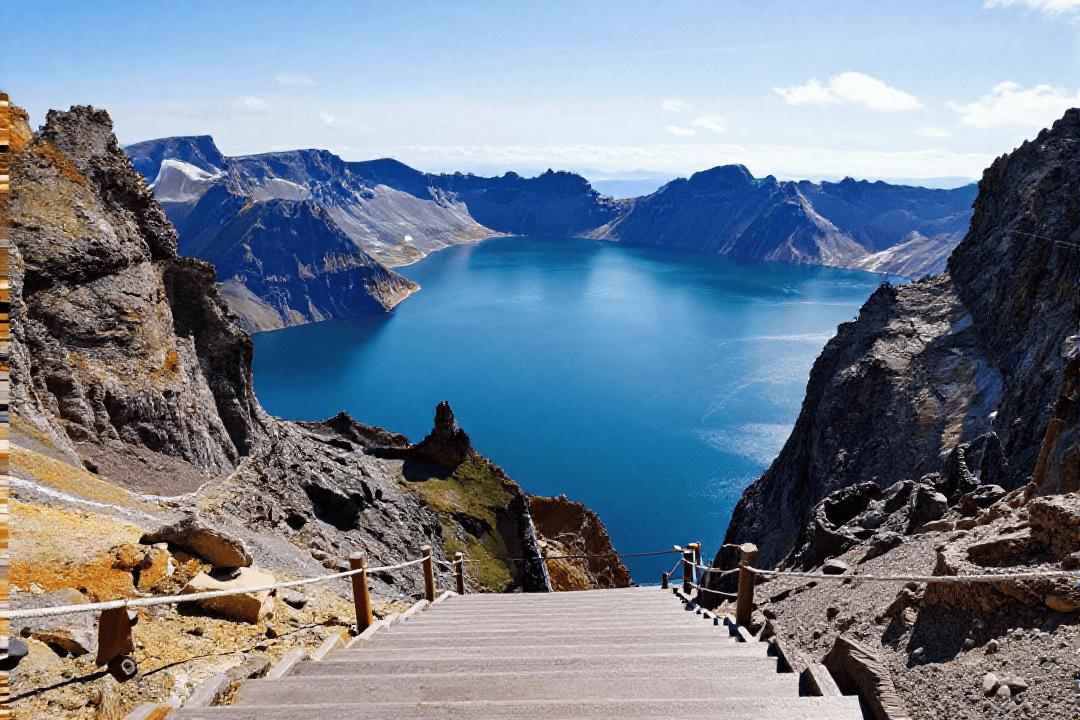
Walk 1,442 stone steps to the broadest panorama of the lake and the China–Korea border marker.
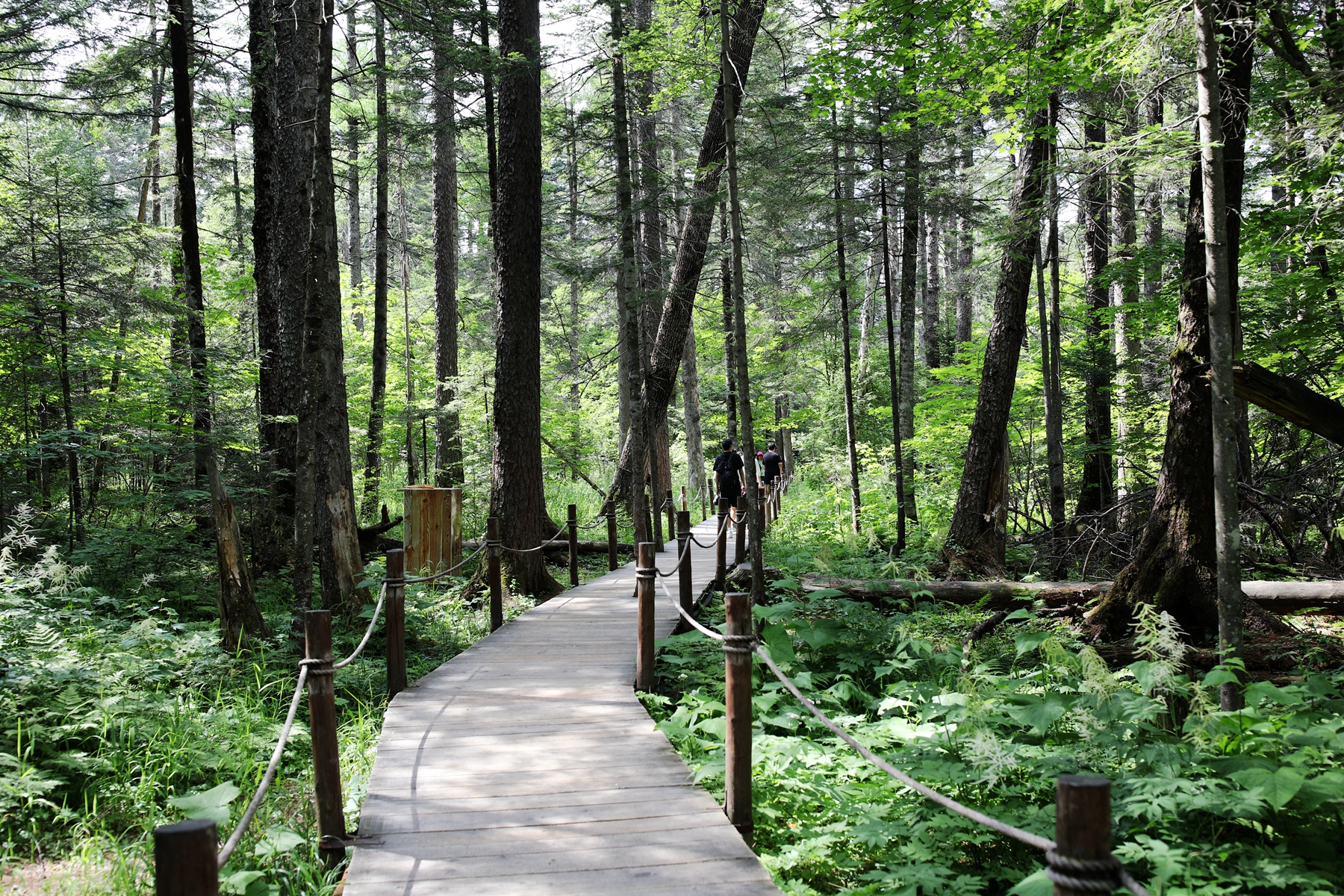
Descend a boardwalk through ancient Korean pines to the quiet headwaters of the Songhua River.
The great volcano’s signature experiences — the reasons travellers climb to the roof of the northeast.
A sapphire lake in the volcano’s vast caldera, shared with North Korea — the prize of the whole trip.
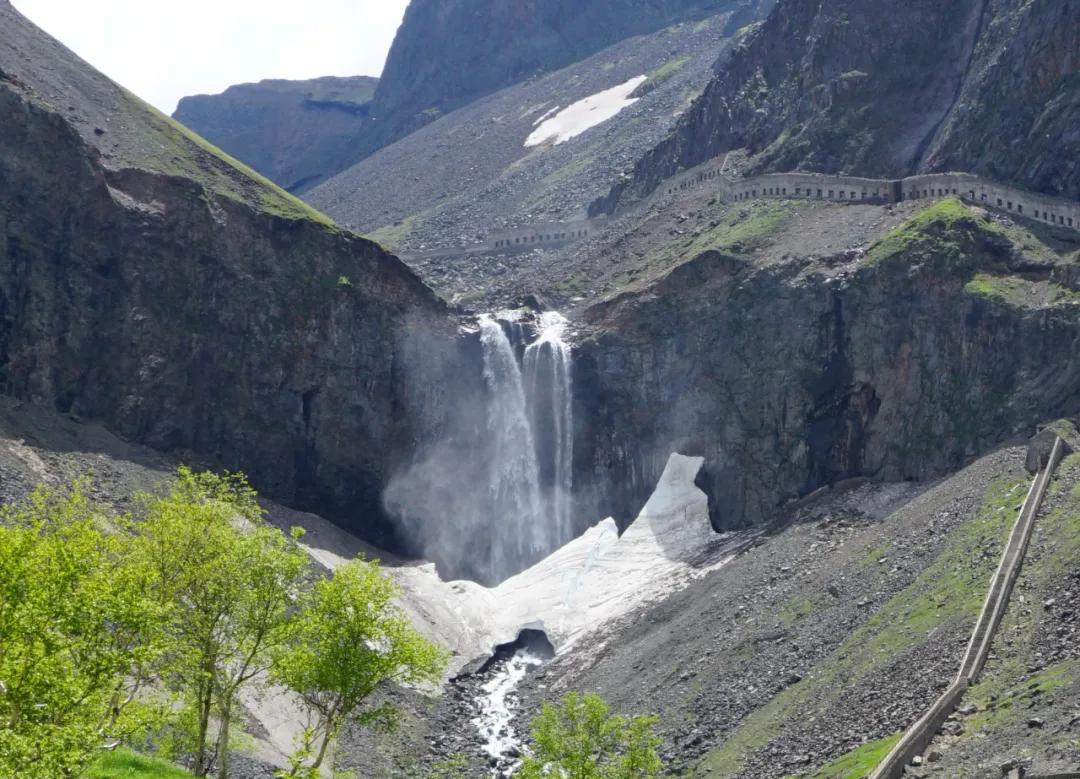
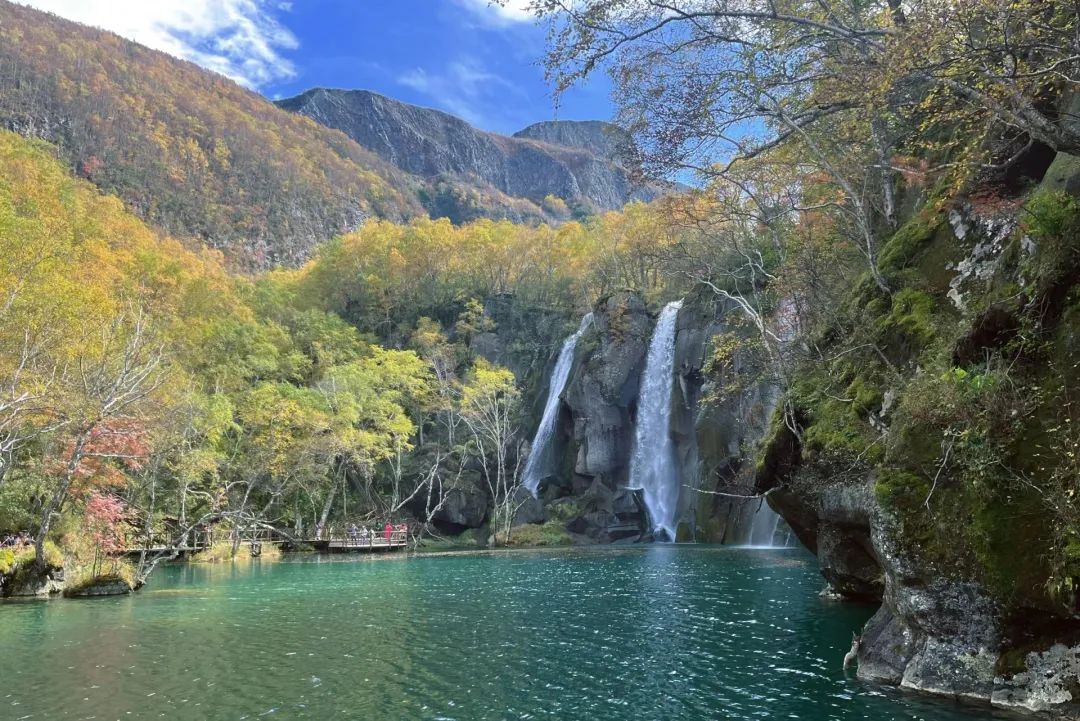
The lake’s overflow plunges 68 metres — the world’s highest waterfall fed by a volcanic crater lake.
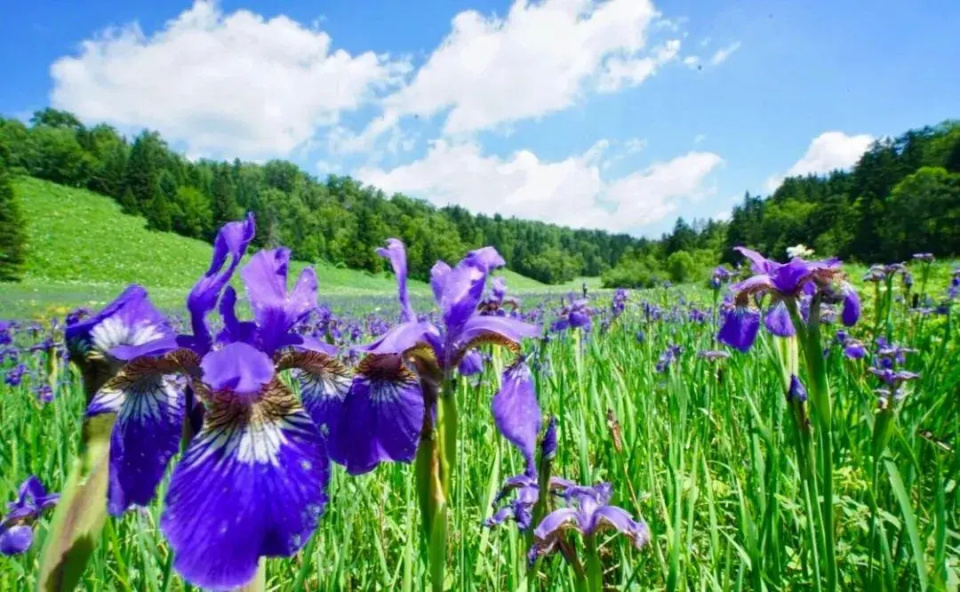
From mid-July, irises and lilies carpet the high ground between the forest and the crater rim.
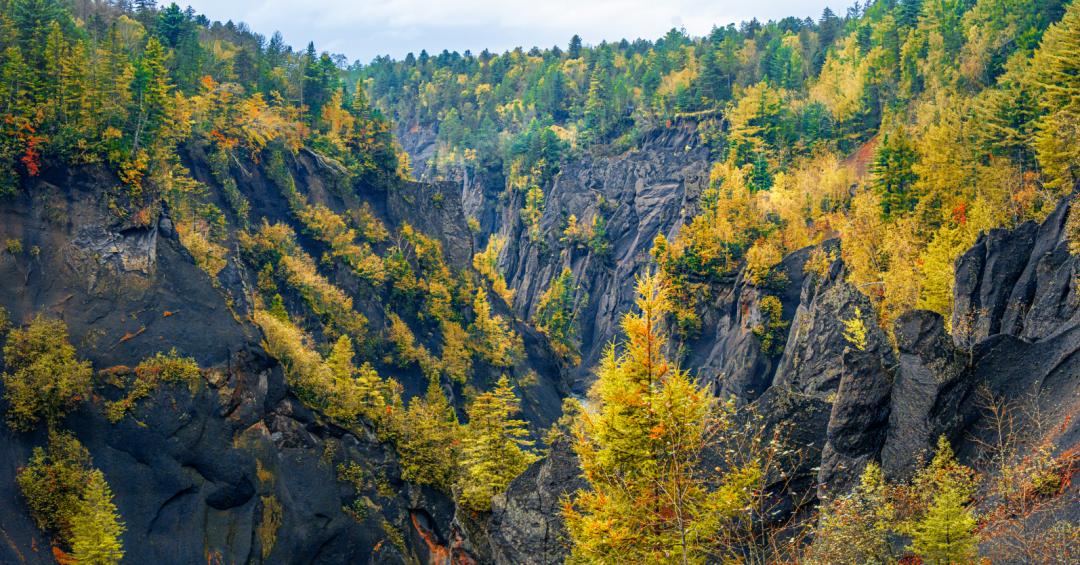
Primeval Korean pine and birch forest on the floor of a volcanic rift, rich in birds and clean air.
A 70-kilometre volcanic rift of strange rock pillars and dense forest on the West Slope.
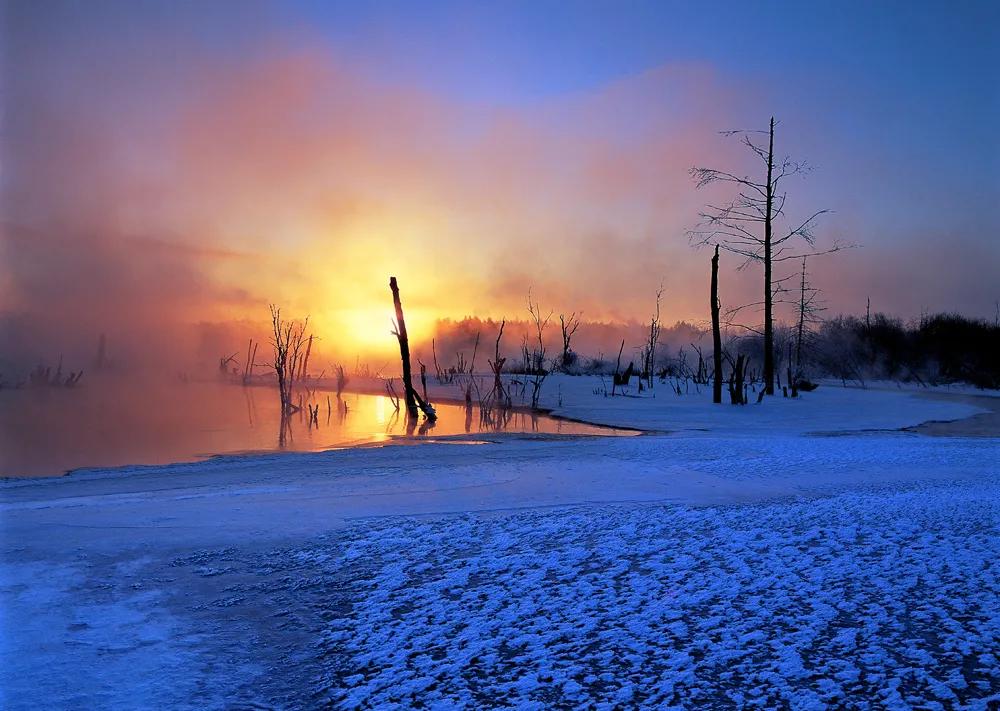
Near Erdaobaihe, spring water stays unfrozen all winter; rime and dead trees rise through the dawn mist.
June to September offers the best chance of an open lake and the mid-July alpine flowers; winter brings snow, rime and skiing.
The North Slope has the most sights and easy access; the West Slope has the widest lake view; the South Slope is quietest, with limited daily tickets.
The crater is often cloudy. Go early on a clear day, allow two slopes over two days and check the weather — patience is usually rewarded.
Not on the North Slope, where vehicles and short boardwalks reach the sights; the West Slope requires 1,442 steps (about 40 minutes up).
Slope entry is about RMB 100–110, plus around RMB 85 for the eco-shuttle and, on the North Slope, about RMB 80 for the crater transfer vehicle.
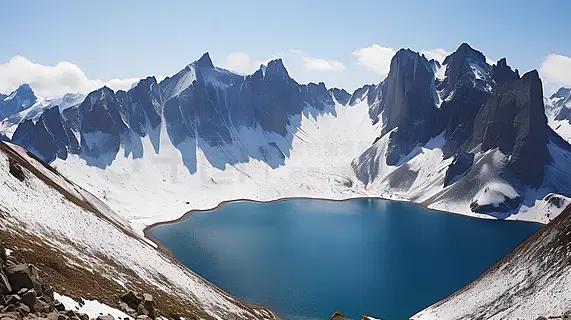
Yes — the snow-covered crater, frozen waterfall, rime at Mojie and natural ski slopes make a dramatic, far quieter winter trip.
Layers and a windproof jacket at the windy crater, comfortable walking shoes, sun protection for the bright high-altitude light and a light rain shell.
Two days cover the North and West slopes; add a third for the South Slope, Mojie or a relaxed forest and hot-spring day.
The easiest first day — lake, waterfall, hot springs and forest. Full itinerary page with tickets & transport →
Enter the North Slope at Erdaobaihe, take the eco-shuttle and transfer vehicle up to the Heavenly Lake crater rim.
Visit Changbai Waterfall, eat hot-spring eggs at Julong, then walk to Lvyuan Pool and the Underground Forest.
The best all-round plan — both classic lake viewpoints. Full itinerary page with tickets & transport →
North Slope: Heavenly Lake, Changbai Waterfall, Julong Hot Spring, Lvyuan Pool and the Underground Forest; stay at Erdaobaihe.
West Slope: climb 1,442 steps for the broad lake view and border marker, then walk the Grand Canyon and Alpine Garden.
Seven essential Changbaishan sights, each with practical details. Prices are reference rates — always confirm at the gate or with our booking team.
| Admission | Included with slope ticket (RMB 110 North Slope) |
| Hours | About 7:00–16:30 (seasonal) |
| Getting there | Eco-shuttle plus North Slope crater transfer vehicle (about RMB 80) |
| Admission | Included with North Slope ticket |
| Hours | Same as North Slope |
| Getting there | Boardwalk from the Julong Hot Spring stop |
| Admission | Included with North Slope ticket |
| Hours | Same as North Slope |
| Getting there | On the boardwalk between the entrance and the waterfall |
| Admission | Included with North Slope ticket |
| Hours | Same as North Slope |
| Getting there | Short walk from the hot-spring area |
| Admission | Included with North Slope ticket |
| Hours | Same as North Slope |
| Getting there | Final stop on the North Slope shuttle route |
| Admission | Included with West Slope ticket (about RMB 100) |
| Hours | About 7:00–16:30 (seasonal) |
| Getting there | West Slope shuttle from Songjianghe |
| Admission | Included with West Slope ticket |
| Best time | Mid-July for peak flowers |
| Getting there | West Slope shuttle, between entrance and steps |
Held around 20 December and through winter, with snow and ice sculptures, a frozen waterfall and ski events across the slopes.
The forests hold old ‘mountain god’ customs and the ginseng-gathering (‘going to the mountain’) culture of the northeast.
Gentle natural snow slopes and winter sports areas around the volcano, suited to beginners and families.
In summer, gentle rafting trips run on the mountain’s clear rivers; in winter, warm-spring drift at Mojie stays unfrozen.
Most visitors stay at Erdaobaihe for the North Slope or Songjianghe for the West Slope. Our team books any of these for you free of charge.
The comfortable international-standard resort near the West Slope, with full facilities.
Right at the West Scenic Area entrance — the most convenient base for an early start.
A well-equipped resort hotel popular with tour groups and families.
Simple rooms inside the North Scenic Area — handy for staying close to the sights.
A friendly budget hostel at Erdaobaihe for backpackers and small groups.
A clean, good-value guesthouse in the North Slope town.
Around Changbaishan the cooking leans Korean-Chinese: cold noodles, kimchi, stone-pot bibimbap and rice cakes, plus hearty northeastern dishes. Restaurant pages with phones and booking are linked below.
Chilled buckwheat noodles in a tangy iced broth — the Yanbian classic, refreshing in summer.
Rice, vegetables, meat and a fried egg mixed in a hot stone pot with sweet-chilli sauce.
Fermented spicy cabbage and chewy pounded rice cakes — staples of the Korean-Chinese table.
Hearty stews, wild mushrooms, wood-ear and river fish from the surrounding forests.
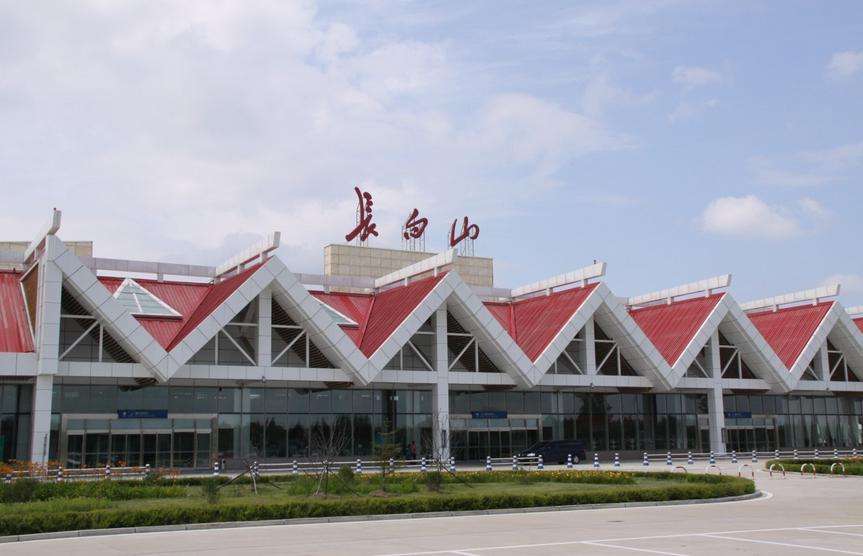
Changbaishan Airport (NBS) at Songjianghe is China’s first forest-tourism airport, close to the West Slope.
Baihe Station serves the North Slope town of Erdaobaihe; Songjianghe Station serves the West Slope.
Coaches reach Erdaobaihe and Songjianghe; the forest roads make a scenic drive in fine weather.
Inside the reserve, mandatory eco-shuttles (about RMB 85) connect the gates and sights.
Local taxis are cheap in the towns; chartered cars suit moving between slopes.
Well-made boardwalks reach the waterfall, pools, forest and crater viewpoints.
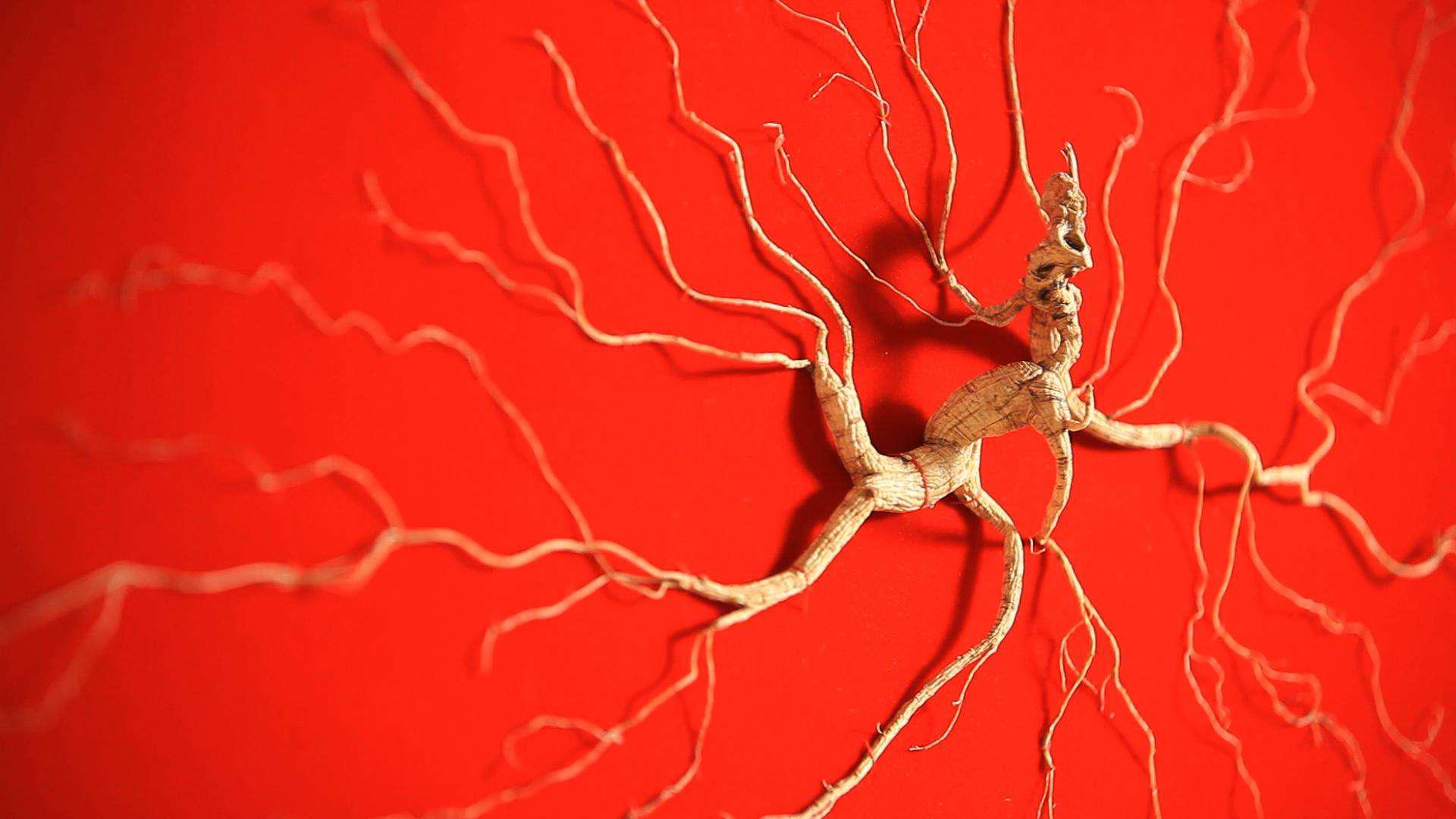
Ginseng heads the northeast’s ‘three treasures’, along with lingzhi, wild blueberries, dried berry snacks, wood-ear and wild mushrooms from the forests.
The Changbaishan peddler market and Erdaobaihe shops sell ginseng, berries and packaged forest goods; buy vacuum-packed dried fruit to take home.
Erdaobaihe and Songjianghe have county-level hospitals and clinics; larger hospitals are in Yanji and Changchun. Keep your passport and travel-insurance details handy.
Police 110 · Ambulance 120 · Fire 119. ATMs and mobile payment are widespread in the towns, and free Wi-Fi is common in hotels and the visitor centres.
Dawn mist and rime at the Demon Realm, a short ride from Erdaobaihe.
Full day-tour pageThe Jilin provincial capital, with the Manchukuo Palace Museum and Jingyuetan forest park.
Full day-tour pageCloud and mist can hide Heavenly Lake for days — go early on clear forecasts and allow two slopes to improve your odds.
Bring a windproof jacket, sunglasses and sunscreen; the high-altitude sun is strong even when it feels cool.
Eco-shuttles are mandatory and transfer vehicles limited; secure them with entry tickets to avoid long midday queues.
July and August and the flower season fill resort hotels; reserve ahead for the West Slope gate and Erdaobaihe.
The reserve protects fragile volcanic terrain and wildlife — keep to marked trails and carry out all rubbish.
Changbaishan, the ‘Ever-White Mountain’, is a dormant stratovolcano on the border of China and North Korea in southeast Jilin. Its peaks rise above ancient forest and alpine meadows; summers are short and mild, winters long, snowy and bright, with the crater lake frozen for much of the year.
Sacred to local peoples for millennia and central to Manchu and Korean-Chinese culture, the mountain became one of China’s earliest nature reserves, protecting old-growth forest, ginseng and wildlife including the Siberian tiger. Today it is a national park-style reserve visited for its crater lake and clean wilderness.
Everything on ToursChinaTravel is bookable through our team by email or WhatsApp. Here’s where each part of your Changbaishan trip lives on the site.
Hours, tickets, phones and tips for every Changbaishan sight.
Browse Changbaishan sightsResort hotels and forest inns, sorted by rating, all bookable by our team.
Book a Changbaishan hotelRoutes and airlines for Changbaishan Airport (NBS) at Songjianghe.
See Changbaishan flightsLicensed Jilin and Yanbian agencies with addresses, phones and booking.
Find a Jilin agencyGinseng, lingzhi, berries, mushrooms and more — where each comes from.
Explore Jilin specialtiesBeijing, Shanghai, Harbin, Dalian and more — the best of China, city by city.
All travel guidesCombine slope tickets, resort hotels, transfers and rafting in one message — our team confirms everything and arranges your Changbaishan stay free of charge.
Prices and opening hours are compiled from public sources and may change — always confirm with the venue or our booking team. ToursChinaTravel is an independent China travel portal; bookings are arranged by our team at [email protected].