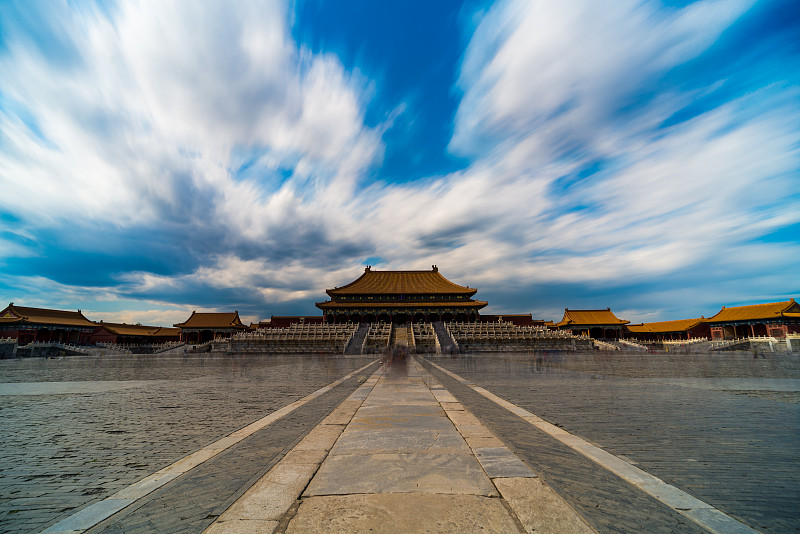
The Palace That Ruled China for Five Centuries
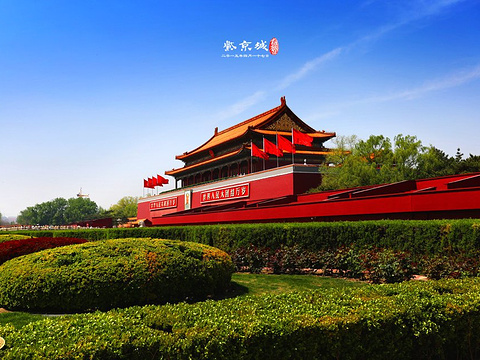
The Forbidden City — known in Chinese as the Palace Museum (故宫博物院) — was the imperial palace of the Ming and Qing dynasties from 1420 to 1912. It is the largest and best-preserved wooden palace complex in the world: more than 70 palace compounds, hundreds of buildings and over a million priceless artifacts now open to the public as a living museum.
The palace is split into two worlds. South of the Gate of Heavenly Purity lies the Outer Court, where emperors governed — crowned by the Hall of Supreme Harmony, where grand ceremonies unfolded. North of it lies the Inner Court, the emperors' private residence: the Palace of Heavenly Purity, the Palace of Earthly Tranquility and the imperial gardens. Walking this axis today is the closest thing to stepping into a period drama.
The collection is as much the story as the architecture — the Treasure Gallery's coral lions and pearl court necklaces, the Clock Gallery's mechanical wonders, and galleries of paintings and ceramics that span five thousand years.
Highlights not to miss: the Hall of Supreme Harmony (the "Golden Throne Hall"), the Hall of Mental Cultivation where emperors actually worked, the Five Marble Bridges in front of the Gate of Supreme Harmony, the Treasure Gallery inside the Palace of Tranquil Longevity, and the Clock Gallery, which holds demonstrations at 11:00 and 14:00 daily. The Hall of Preserving Harmony hosted the imperial examinations; today the palace hosts over ten million visitors a year — plan ahead and you will have it at its best.
Data verified against the official Palace Museum site dpm.org.cn and intl.dpm.org.cn; source dataset: Qunar travel listings, last checked October 2026.