>
Chengdu is the panda city of the west — a megalopolis that still sips tea in bamboo chairs, eats fire from the hotpot table and watches opera behind masks. The giant pandas of the breeding base, the courtyards of Kuanzhai Alley, the lanterns of Jinli and the teahouses of the People's Park make the days; the hotpot, the wontons and the face-changing opera make the nights. Two days for the city, a third for the irrigation wonder and the Taoist mountain beyond.
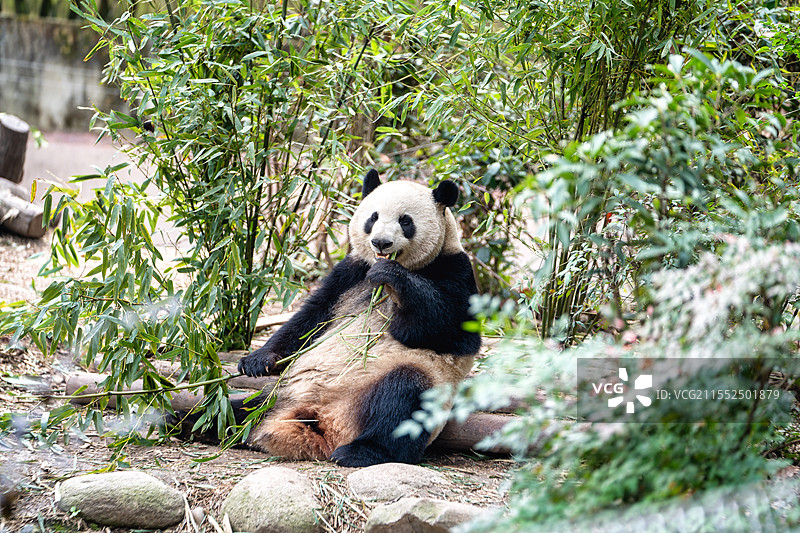
The morning feeding hour at the breeding base — the world's best place to see giant pandas, cubs and red pandas up close.
An afternoon in a People's Park teahouse — a covered bowl of jasmine tea, an ear-cleaning session and the slow life.
A bubbling pot of mala broth, plates of tripe and a night of Sichuan pepper — the city's shared ritual.
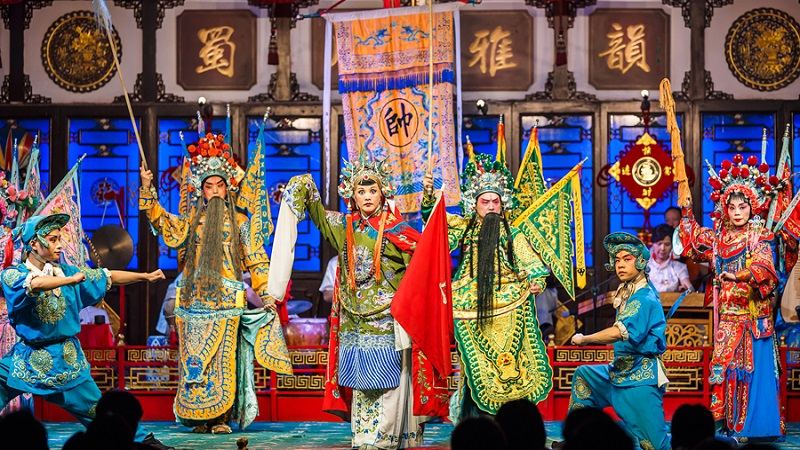
Sichuan opera's bian lian — masks changing in a blink — at the Shufeng Yayun house by the Culture Park.
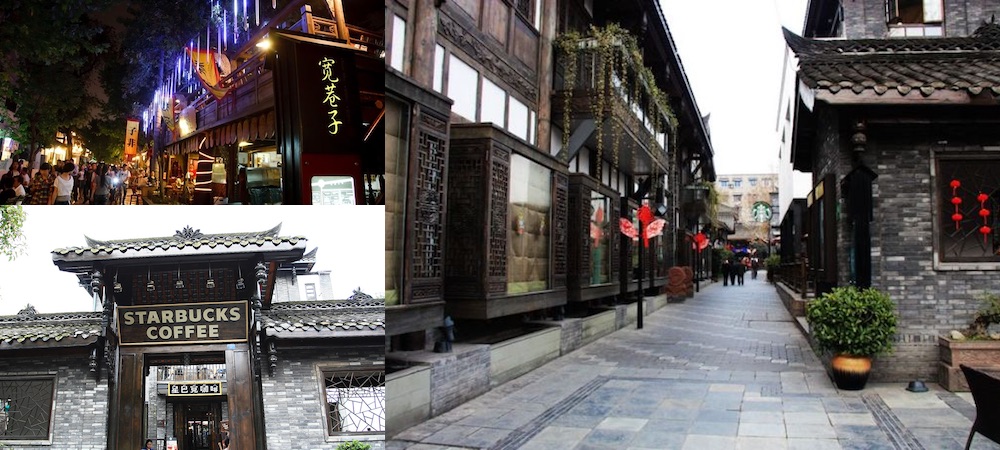
Three lanes of restored Qing courtyards — snacks, teahouses and the old Chengdu in the middle of the new.
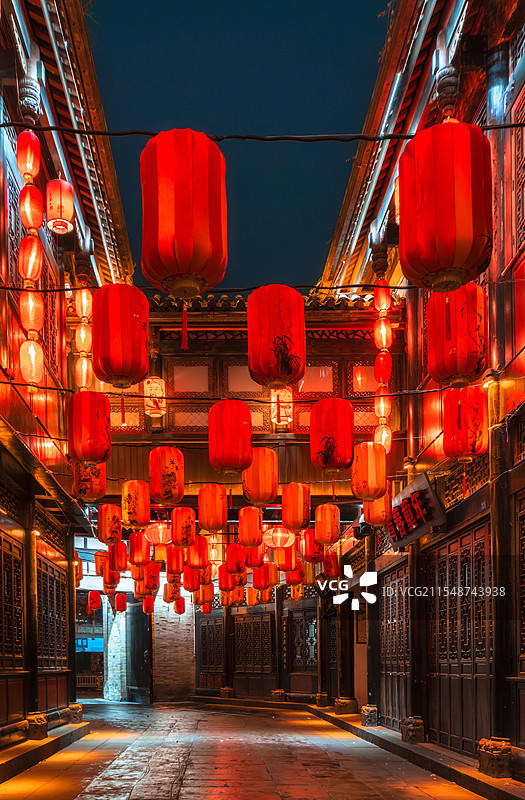
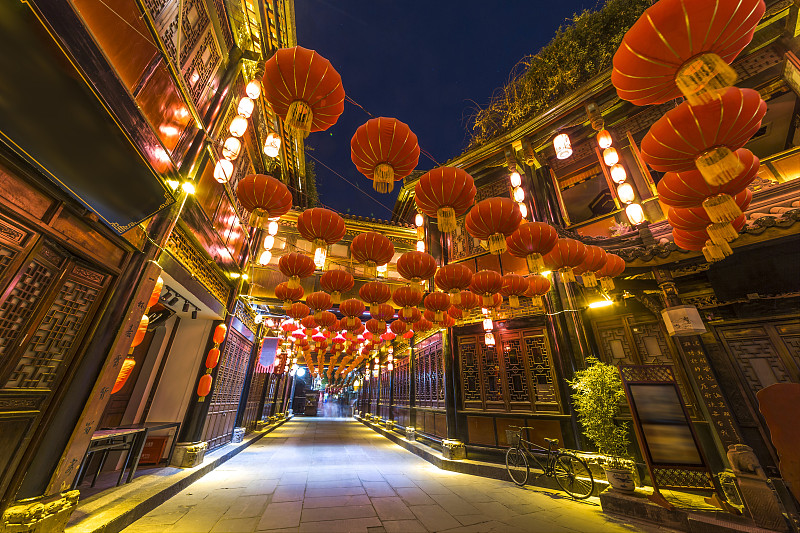
The lantern-lit arcade beside Wuhou Shrine — folk crafts, snacks and the red-lit alleys after dark.
The world's best place to watch giant pandas up close — the morning feeding hour is the moment.
Kuanzhai Alley's courtyard lanes and Jinli's red lanterns — the two poles of old Chengdu.
Shufeng Yayun's nightly stage at the Culture Park — face-changing, fire-spitting and the opera of the west.
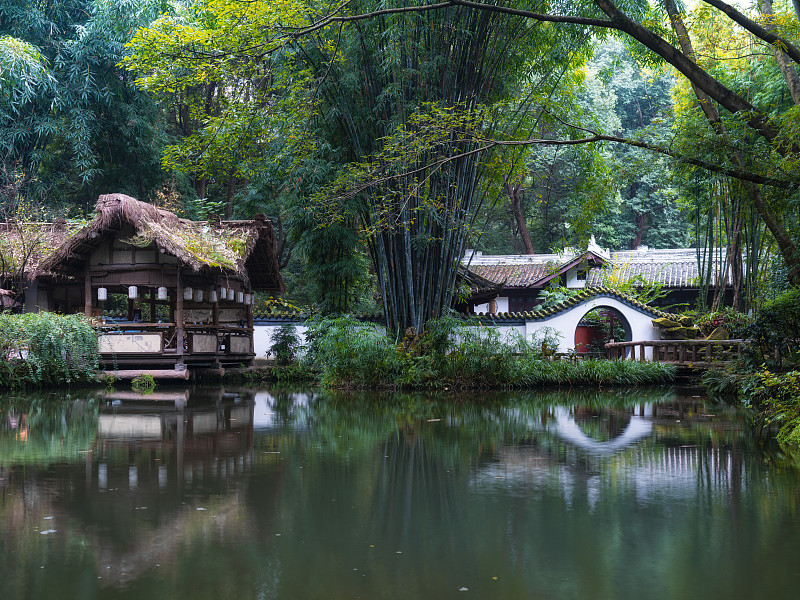
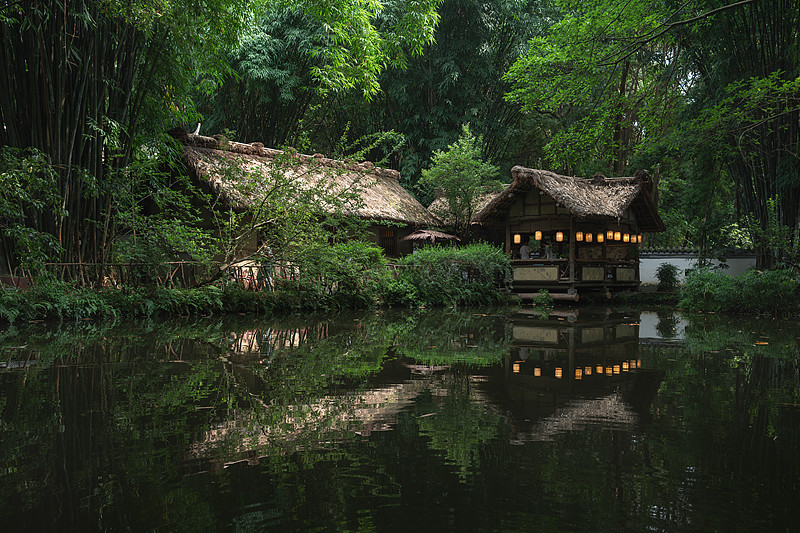
The poet's garden of bamboo and lotus in the western suburbs — the quiet classic.
March–June and September–November are ideal — mild days, green parks and clear air. Summer is hot and wet, winter is grey but mild; the teahouses and hotpots make every season work.
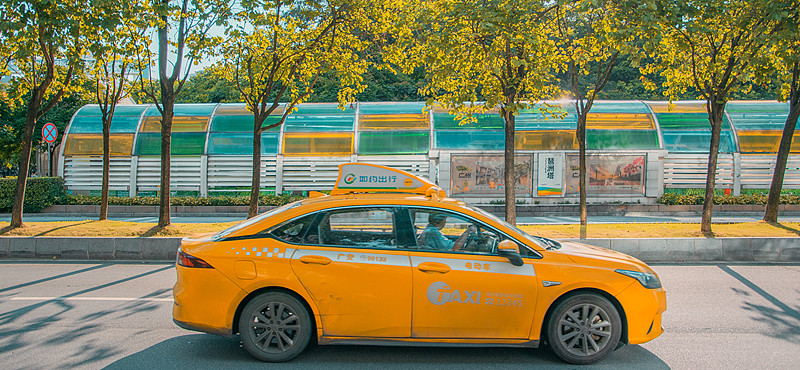
The base opens at 07:30, 10 km north of the city — metro Line 3 to Panda Base station, then the shuttle, or taxi (about 40 minutes). The feeding hour before 09:00 is the reason to go early. Tickets are RMB 55.
A three-day trip for one person runs about RMB 700 (≈ US$95) excluding the panda base — hostels from RMB 45 a bed, hotpot about RMB 80 a head, the opera from RMB 130.
Chengdu has two airports — Shuangliu (Terminal 1 for Sichuan Airlines and international, Terminal 2 for the rest) and the new Tianfu — plus two mega stations, Chengdu East and North, on the high-speed network from Beijing, Shanghai and Xi'an.
The mala heat is real but adjustable — say 'bu la' (no chilli) and most kitchens will tone it down; the dumplings and noodles have mild versions.
Yes — email [email protected] or message us on WhatsApp. Our team arranges the panda tickets, the opera, a hotpot table, hotels and a local guide, free of charge and without obligation.
Pandas, old streets, opera and hotpot — the essential Chengdu. View the plan →
Morning at the giant panda base for the feeding hour; afternoon Kuanzhai Alley and the People's Park teahouse; evening the Sichuan opera and a hotpot night.
Morning Wuhou Shrine and Jinli; afternoon Du Fu Thatched Cottage; evening the Lan Kwai Fong or the Jinjiang night streets.
The city plus the irrigation wonder and the Taoist mountain. View the plan →
The city day — pandas, Kuanzhai Alley and the opera.
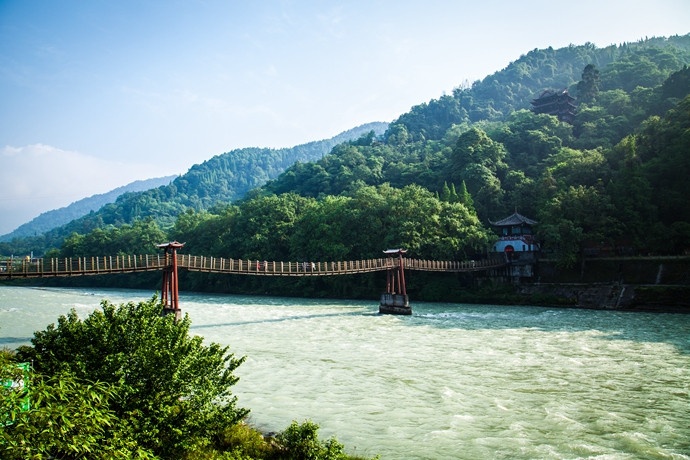
Day trip by high-speed rail to Dujiangyan — the Fish Mouth, the Anlan Bridge and the old town.
Morning on Qingcheng Mountain — the Tianshi Cave and the Shangqing Palace — then the rail back to Chengdu.
All plans are bookable end-to-end by our team — see the full day-by-day Chengdu itineraries hub, or the day-trip pages for single-day options.
Three parallel lanes of restored Qing courtyards — snack stalls, teahouses and the old Chengdu of the inner city, free and lively all day.
View details →The lantern-lit arcade beside Wuhou Shrine — folk crafts, face-changing street acts and the red-lit alleys that glow after dark.
View details →The shrine to Zhuge Liang of the Three Kingdoms, entered through a red-wall corridor of cypresses — RMB 60, open 07:30–21:00 in summer.
View details →The poet's reconstructed garden of bamboo and lotus at Qinghua Road 37 — the quiet classic of the west, RMB 60, open 07:30–19:00.
View details →The famous panda nursery and research base north of the city — the morning feeding hour, the cub pavilion and the red pandas, RMB 55.
View details →The classic opera house at the east gate of the Culture Park — face-changing, fire-spitting and the teahouse opera of Chengdu, from RMB 130.
View details →More in the region on the Sichuan attractions page.
A covered-bowl jasmine tea in a bamboo chair — the ear-cleaning session, the mahjong clicks and the People's Park afternoon.
The bian lian masks, fire-spitting and puppet acts of the Shufeng Yayun stage — the 80-minute show with tea service.
Seasonal street-festival editions bring the city's snacks — the 'three big shots', the wontons and the rabbit heads — to one lane.
The shared-table ritual of the mala pot — tripe, mushrooms and greens in a bubbling broth, from about RMB 80 a head.
Every hotel below is bookable by our team; browse the full Sichuan hotels directory.
The famous traveller hostel of Kuanzhai Alley — beds from RMB 45, doubles from RMB 135, courtyard and tea.
The green hostel of the old city, from RMB 30 a bed — 028-86628336, the friendly base of the backpacker circuit.
The courtyard hostel of the Wen Shufang lanes — beds RMB 60, doubles RMB 260, teahouse nights.
The riverside and Chunxi Road hotels of the new city — from the comfortable chains to the Jinjiang heritage houses.
The city's signature — a mala broth of Sichuan pepper and chilli, dunking tripe, mushrooms and greens; Shujiu Xiang from RMB 80 a head (028-82996969).
The two great dumpling houses — Long Chao Shou's wontons in red oil and Zhong Shui Jiao's pork dumplings, the classic snack pair.
The dan dan noodles of the old lanes and the pig-intestine noodles of the breakfast streets — the spicy staples.
The 'three big shots' of the snack world — glutinous-rice balls in brown sugar, the sticky rice cake and the fried rice balls.
The braised rabbit heads of the Shuangliu district — the Chengdu delicacy that divides families, from RMB 35 a head (028-85825978).
Chengdu's two imperial crafts — the silk brocade woven since the Han dynasty and the embroidery of the Shu school, from RMB 200–1,000.
The fermented broad-bean paste that seasons the whole province — the edible souvenir of Sichuan cooking.
The covered-bowl jasmine tea of the teahouses and the liquors of the province — the liquid gifts.
The plush pandas and panda-themed gifts of Jinli and the base — the universal souvenir of Chengdu.
Full local-product guides live on the Sichuan specialties page.
Shuangliu Airport's Terminal 1 serves Sichuan Airlines and international routes, Terminal 2 the rest; the new Tianfu Airport is 50 km south-east. Airport coaches run from RMB 10.
Chengdu East and North stations link Beijing, Shanghai, Xi'an and Chongqing — the network hub of the south-west.
Sixteen lines under the city — Line 3 reaches the panda base, Line 2 the old lanes; the metro card is the way around.
The 2,300-year-old irrigation system and the Taoist mountain — the two world-heritage sights an hour by rail.
The morning feeding hour at the world's best panda base — cubs, red pandas and bamboo before the crowds.
The golden sunrise over Mount Gongga, the glacier cable car and the hot springs — western Sichuan's greatest short escape.
The feeding hour ends before 09:00 — the base is a dawn trip, not a lunchtime one.
The mala heat is numbing as well as spicy — if you are new to it, order one mild pot and one full.
Shufeng Yayun's good seats sell out nightly — book through your hotel or our team.
RMB 20 for a covered bowl and a bamboo chair for as long as you sit — the People's Park is the real Chengdu.
The panda base, the airports and the rail stations all sit on the metro — the card is faster than taxis in traffic.
Chengdu lies on the western edge of the Sichuan Plain, ringed by the Longmen Mountains — a humid subtropical city of 16 million, famous for its grey skies and its green parks.
The capital of the ancient Shu kingdom, the city was already thriving when the Qin built the Dujiangyan irrigation in 256 BC. It became the refuge of the poet Du Fu in the Tang dynasty, the great market of the tea-horse road, and today the high-speed hub of western China.
Teahouse culture, mahjong, Sichuan opera's face-changing and the world's spiciest table define the slow life — a city of 16 million that still stops for a covered bowl of tea.
Everything on ToursChinaTravel is bookable through our team by email or WhatsApp. Here's where each part of your Chengdu trip lives on the site.
Star-rated sight details — hours, tickets, phones and tips for every Sichuan attraction.
Browse Sichuan sightsStar-rated hotels across Sichuan — sorted by rating, all bookable by our team.
Book a Sichuan hotelLocal products, crafts and foods of Sichuan — where to find each one.
Browse Sichuan specialtiesLicensed agencies with addresses, phones and booking contacts.
Find a Sichuan agencyMore city and region guides across China, including the Sichuan guide.
Browse all guides