China · Shanxi
Datong Travel Guide
The ancient Northern Wei capital — colossal cliff Buddhas, a temple nailed to a cliff, the world's oldest wooden pagoda and a bowl of knife-cut noodles.
China · Shanxi
The ancient Northern Wei capital — colossal cliff Buddhas, a temple nailed to a cliff, the world's oldest wooden pagoda and a bowl of knife-cut noodles.
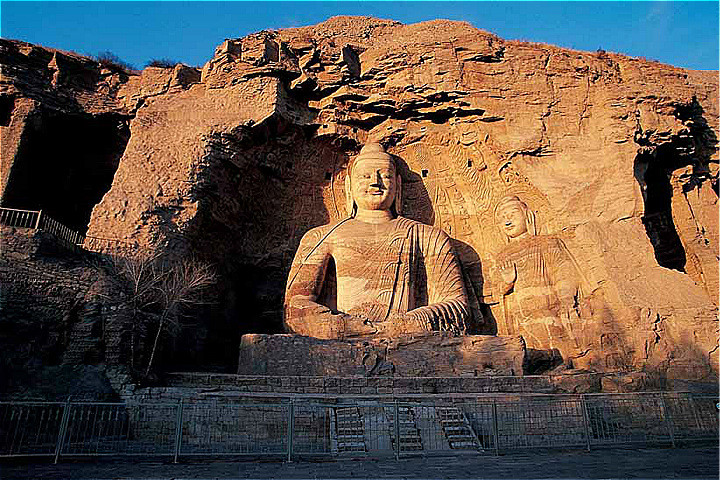
51,000 Buddhist statues carved into one cliff face — a whole dynasty of faith in stone.
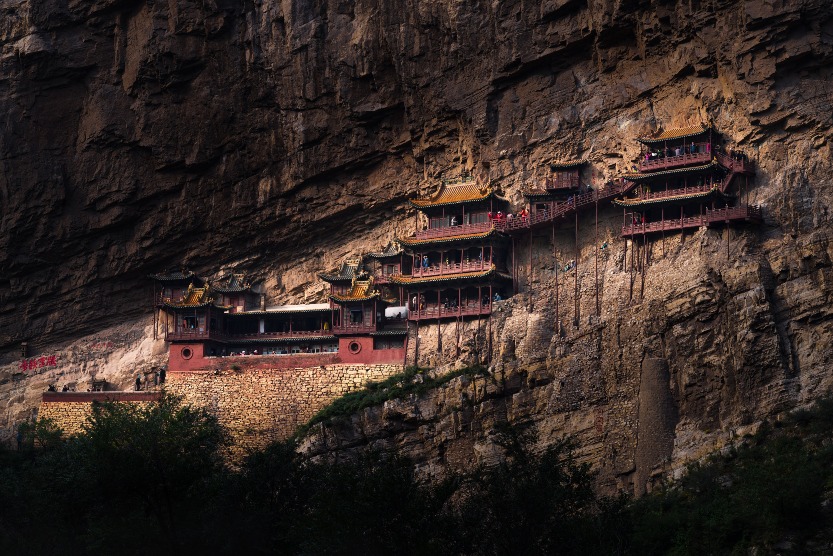
A 1,500-year-old temple pinned to a sheer cliff — Confucian, Taoist and Buddhist under one roof.
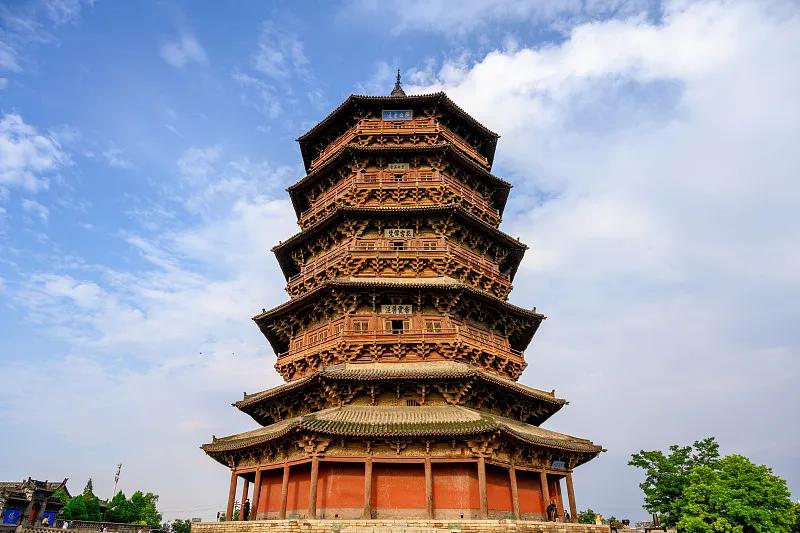
The world's oldest and tallest wooden pagoda — 67 m of interlocking beams, no nails, a millennium old.
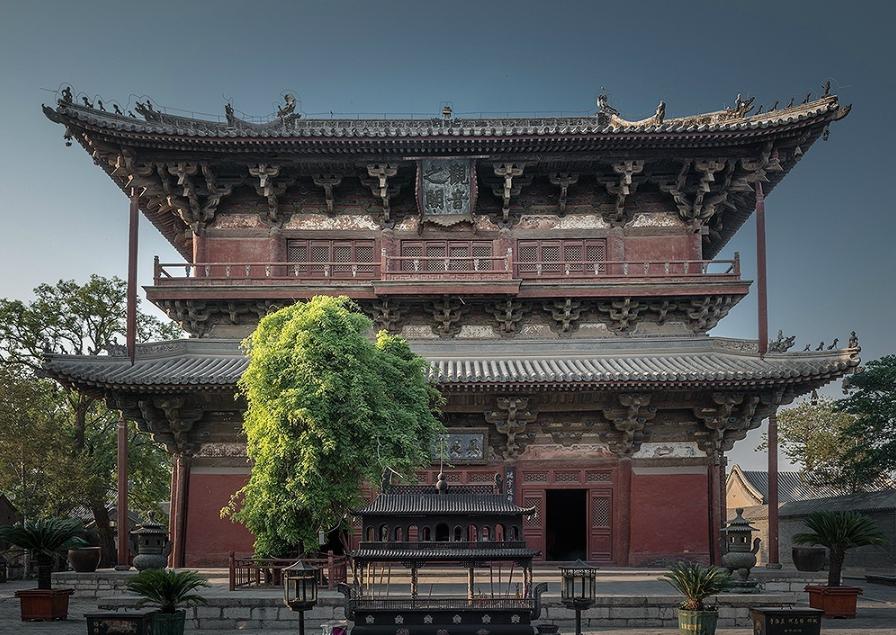
A Liao-dynasty masterpiece — the largest surviving Buddhist hall in China, full of majestic statues.
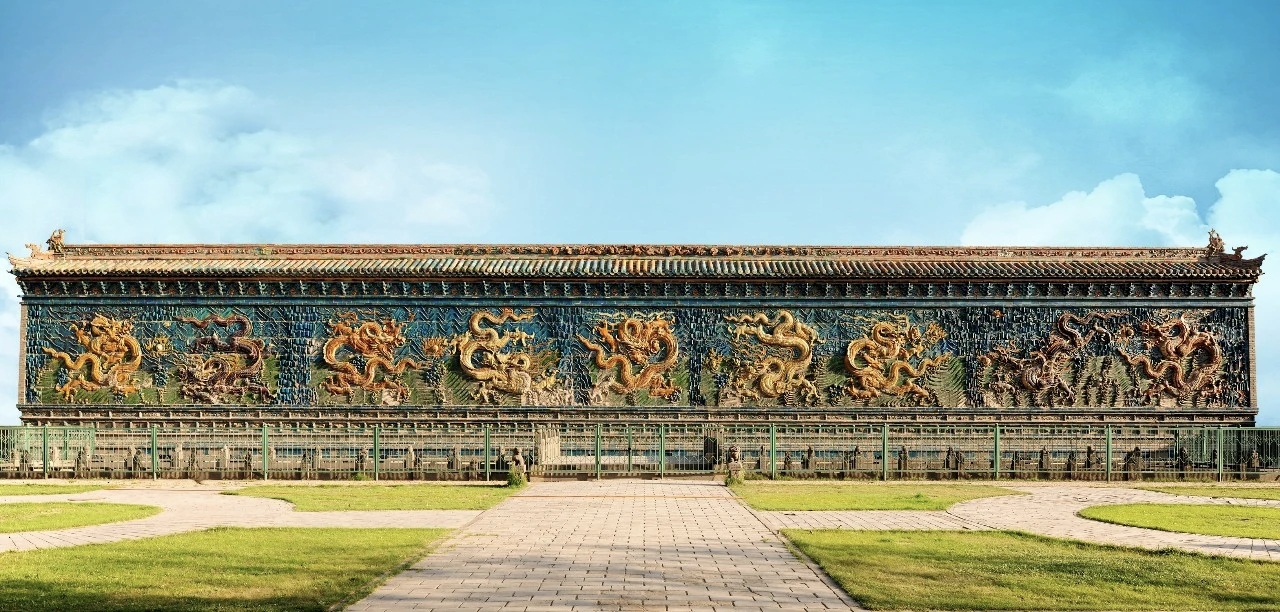
The largest and oldest glazed dragon screen in China, from the Ming prince's mansion.
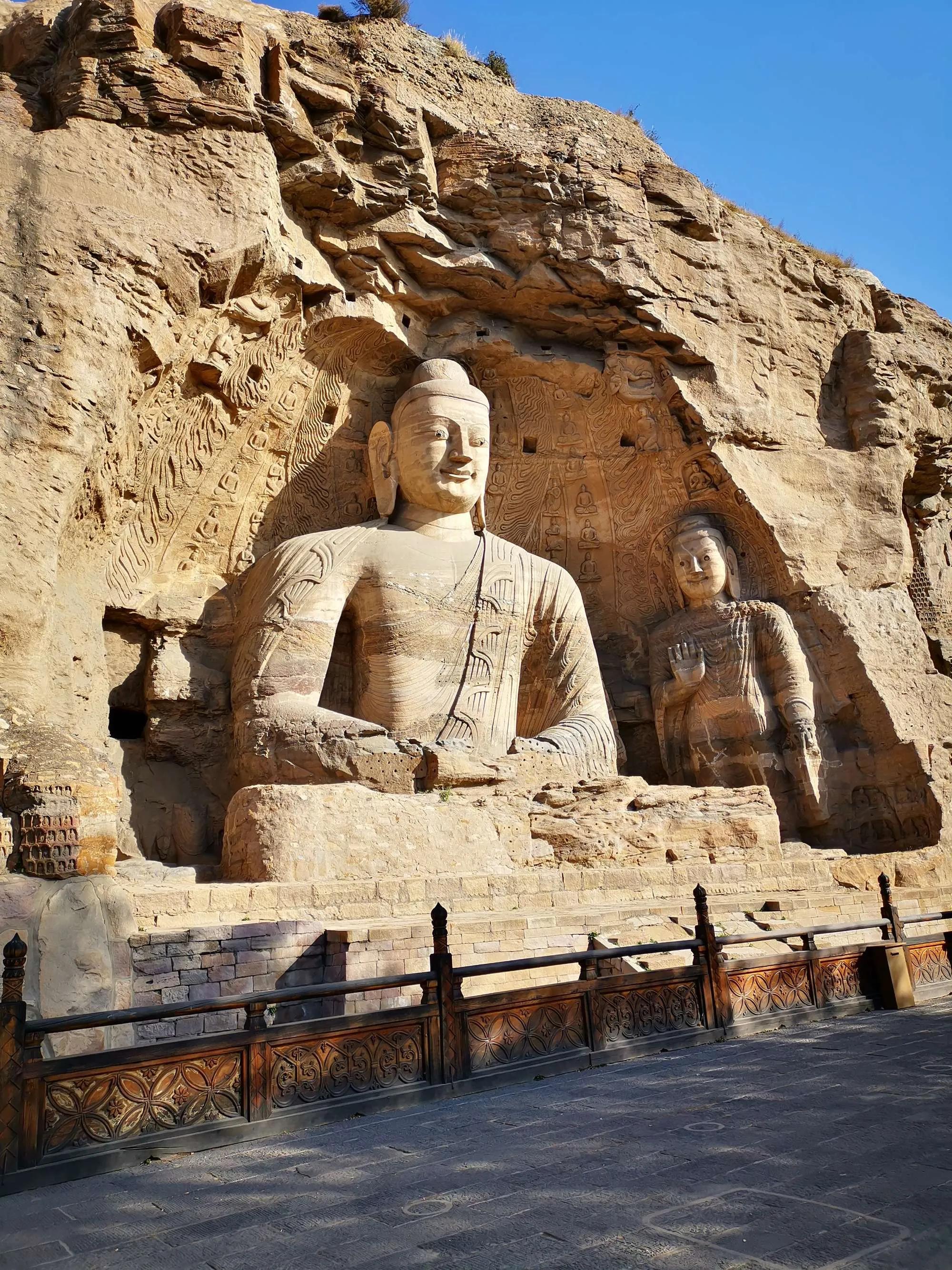
Elegant stone Buddha heads and reliefs that made Datong "the capital of Chinese sculpture".
Yungang made Datong "China's sculpture capital" — a full dynasty of faith carved into one cliff.
Northern Wei capital (398–494) and Liao–Jin secondary capital — three dynasties of temples within a walled city you can circle in an evening.
Dynasty borderland where Han, Mongol and Khitan cultures met — reflected in the food, the forts and the open northern horizon.
Rooms from ¥140, hearty ¥13 noodle bowls, quiet crowds next to Beijing — one of the best-value destinations in north China.
May to October is ideal — clear skies, mild air and the grottoes at their most photogenic. Winters are dry and biting (the annual average is only 5.5 C), but snow on the pagoda roofs is a rare reward and crowds vanish.
Two days covers the essentials: Yungang Grottoes plus the city temples on day one, then Xuankong Temple and Yingxian Wooden Pagoda on day two. Add a third day for Mount Heng and the Datong Earth Forest.
The caves sit 16 km west of the city at the foot of Wuzhou Mountain. Bus 3 runs direct from the railway station (06:00–18:40, ¥3), or take a taxi for about ¥25. Tickets are ¥150 in peak season (April 15–October 27, 08:30–17:20).
It clings to a sheer cliff 50 m above the ground on 27 beams — one of the world's ten most dangerous buildings. The walkways are firm and the railings solid, but visitors with vertigo may prefer to admire it from the valley floor.
Inside the old city wall is most convenient: Rujia Huaxin at ¥140, Jinjiang Inn Pingcheng Bridge at ¥190, or the Garden Grand Hotel (¥360) near the Drum Tower. The Datong Hotel at ¥560 is the classic splurge on Yingbin West Road.
Morning at Yungang Grottoes, afternoon through the old city: Huayan Temple, Shanhua Temple, the Nine Dragon Screen and the city wall at dusk. View the plan →
Add the Hanging Temple, Mount Heng and the Yingxian Wooden Pagoda on the second day — the full frontier loop. View the plan →
The world's treasure-house of Buddhist cliff art, begun in 460 AD — caves 16–20 (Tanyao Five) hold the colossal seated Buddhas.
¥150 · 08:30–17:20
The Hanging Temple of Hengshan — Buddhist, Taoist and Confucian halls sharing one cliff since 491 AD.
¥130 · 08:00–18:00
The world's oldest wooden pagoda (1056) — 67 m, 9,000 cubic metres of timber, no nails, still standing after 21 earthquakes.
¥61 · 07:00–19:00
Liao dynasty monastery facing east in Khitan style — the Sutra Library Hall hides the famous Smiling Bodhisattva.
¥80 · 09:00–17:00
China's oldest glazed dragon screen (1392), 45.5 m long — all that survives of Prince Dai's burned palace.
¥10 · 08:00–18:00
Three complete Tang-layout halls of the Liao dynasty — the finest surviving group of its kind in China.
¥50 · 08:00–18:00
The northern of China's Five Sacred Mountains, 2,016 m of forested peaks — cable car up, temple terraces below.
¥30 + temple ¥60
Ride or walk the fully restored 7.2 km Ming wall — lanterns, towers and the best evening view over the old city.
¥15 · 08:00–22:00
On Chinese New Year's Eve families build charcoal towers in the streets and light them at midnight, jumping over the flames for luck — a uniquely Datong custom.
On the eighth day of the first lunar month, locals visit the eight immortal temples of the old city — incense, folk opera and fried cakes on every corner.
All of the first lunar month the city wall and temple grounds host dragon dances, stilts, sugar painting and night lanterns — the wall's nightly light show runs year-round.
Each September the grottoes host performances, photography shows and lectures under the great Buddha — check current dates before you go.
The city's grand classic on Yingbin West Road 37 — banquet halls, gardens and walkable to the wall's west gate. From ¥560.
Comfortable three-star near the Drum Tower on Danan Street 59, a short walk to Shanhua Temple and the wall. From ¥360.
Reliable Home Inn brand on Weidu Avenue beside the wall — spotless budget rooms from ¥140, great for early grotto starts.
Steady chain rooms from ¥190 with the old city within one taxi hop — handy for the railway station.
Friendly hostel on the antique street with bunk beds at ¥50 and doubles at ¥158 — the backpacker base in the old city.
Shanxi's most famous noodle, shaved straight into the pot — chewy, slippery, served with braised pork. Dongfang Xiaomian at ¥13 a bowl is the local legend.
Liangfen from the county of Hunyuan, topped with lotus seeds, tofu skin and chilli oil — cool and sharp on a hot day.
Datong's cult snack, braised for over three hours with chilli and star anise — Tu Tou Wang's branch on the old street (+86 352 2060 153, ¥37).
Northern lamb swished in a copper pot — Yonghe Food City (+86 352 5100 333, ¥74) is a local favourite.
Steamed dumplings, Guangling tofu and pickled vegetables — Lin Laolao (+86 352 2025 266, ¥50) plates them all.
Honest Shanxi home cooking, from braised pork to stir-fried mountain greens — Kaige Jiulou (+86 352 6020 033, ¥41).
The old city's main shopping strip — department stores and food stalls between the west and drum gates.
Sweet-sour dried apricots from Yanggao county — the classic Datong souvenir, sold everywhere in the old city.
Hand-hammered copper pots and kettles, a craft famous since the Ming — practical and beautiful.
Intricate folk paper-cutting from Guangling county — framed sets make excellent gifts.
Roasted buckwheat tea from the Zuoyun highlands — toasty, caffeine-free, easy to pack.
Huangqi (milk vetch root) grown on Mount Heng, prized in Chinese medicine for centuries.

15.2 km from downtown; airport bus takes 30 minutes (info +86 352 5688 114). Direct flights from Beijing (CA1120), Shanghai (MU5248), Guangzhou, Shenzhen and Tianjin.

High-speed and classic services from Beijing (~2 h) and Taiyuan. Bus 3 from the station square runs direct to Yungang (06:00–18:40). Info +86 352 7122 922.

Datong Bus Station (+86 352 6029 790) and Xinnan Terminal (+86 352 5025 222) serve Taiyuan, Hohhot, Pingyao and beyond.
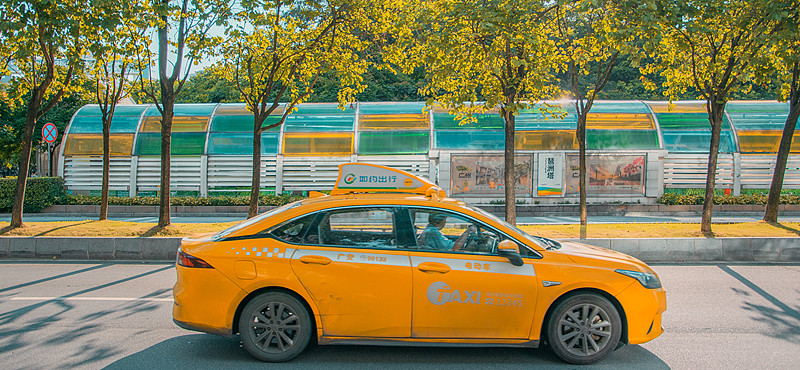
Taxis start at ¥6 for 3 km, then ¥1.2/km (complaints +86 352 2022 322). City buses are ¥1–2; the wall-top walk and old city are best on foot.

A car makes the Xuankong–Hengshan–Yingxian triangle easy; parking is cheap. Winter ice on mountain roads — check conditions before driving to Hengshan.
Special tourist buses run to Xuankong and Yingxian in season from the station square — or book a private car through your hotel; our team can arrange it too.
Mount Heng, one of China's Five Sacred Mountains, with the 1,500-year-old Hanging Temple pinned to its cliff — a 90-minute drive from Datong.
The 67-metre pagoda of Fogong Temple — the world's oldest tall timber structure, still standing after a millennium, an hour's drive east.
Huayan Temple's Liao-dynasty hall, then walk the rebuilt Ming city wall for the evening panorama over Datong.
The largest glazed dragon screen in China (1392), then the old-town lanes and the Ming prince's palace ruins around it.
Yungang sells timed-entry tickets through its official WeChat channel; peak-season weekends sell out by mid-morning.
Photography is allowed in most caves but flash is banned — the pigments and carvings are 1,500 years old.
The walkways are safe, but the drop is real. Go early (before 09:00) to beat tour groups and queue for the upper halls.
Yingxian restricts upper-level climbing to protect the 970-year-old timber — expect to admire the view from the ground floor.
High sections of Mount Heng close after heavy snow; check with your hotel before setting out in December–February.
Email [email protected] or WhatsApp +86 138 0000 0000 — tickets, hotels, trains and drivers arranged free.
Datong was the Northern Wei capital Pingcheng from 398–494 AD, then a Liao and Jin secondary capital — the reason its Buddhist art and temple architecture rival any dynasty site in China.
A frontier basin on the northern Shanxi plateau at 1,000 m elevation, ringed by mountains and loess plains. Continental monsoon climate with dry cold winters — annual average just 5.5 C.
"China's sculpture capital" — Yungang, the folk arts of paper-cutting and copperware, and the dialect flavoured by centuries of northern frontier life.