China · Shanxi
Taiyuan Travel Guide
The 2,500-year-old "Dragon City" — the jewel of Jinci, Ming twin pagodas, a free national museum and the soup that wakes a province.
China · Shanxi
The 2,500-year-old "Dragon City" — the jewel of Jinci, Ming twin pagodas, a free national museum and the soup that wakes a province.
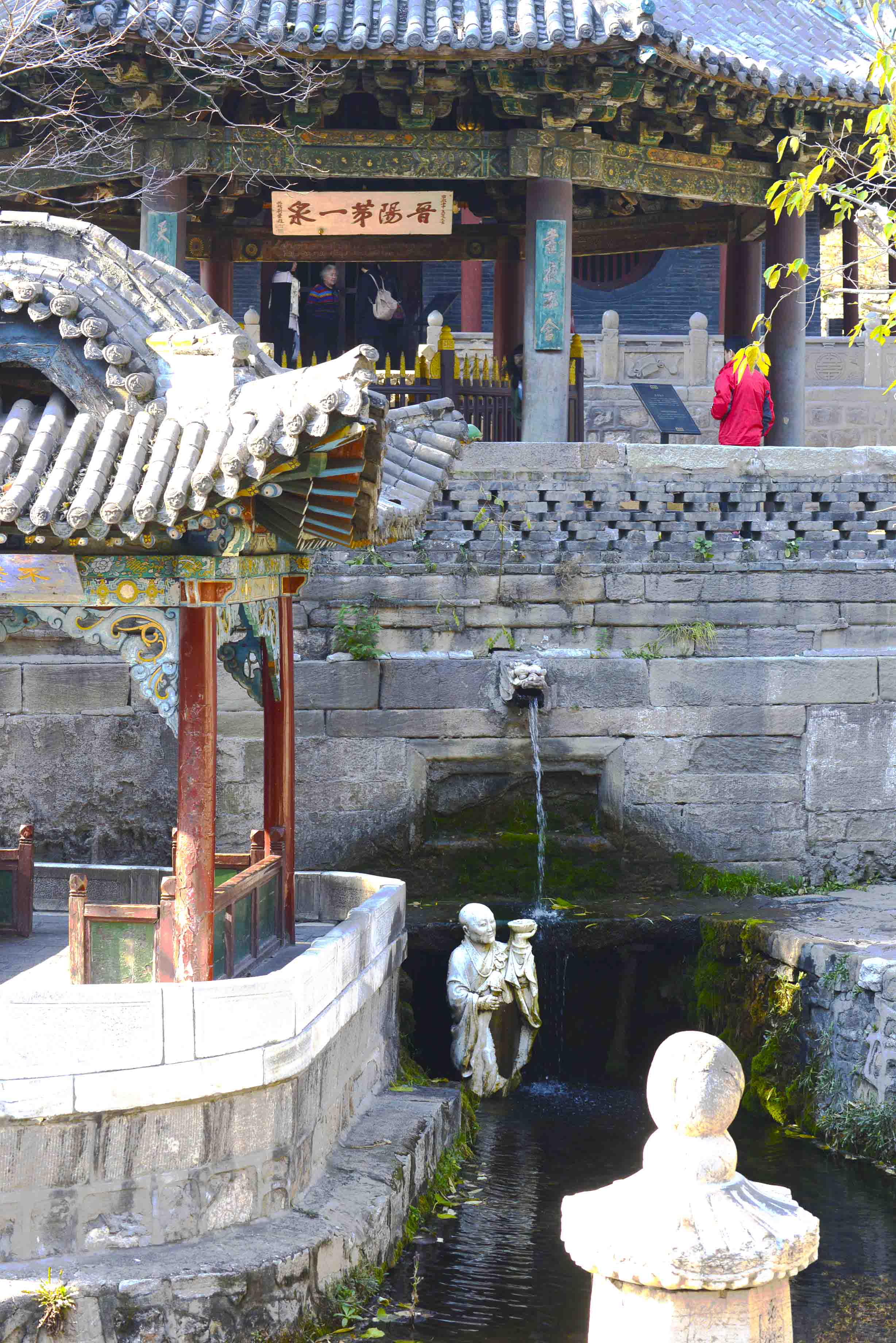
An ever-flowing spring, 1,000-year-old cypresses and the Song dynasty goddess statues — a temple complex that outlived every dynasty around it.
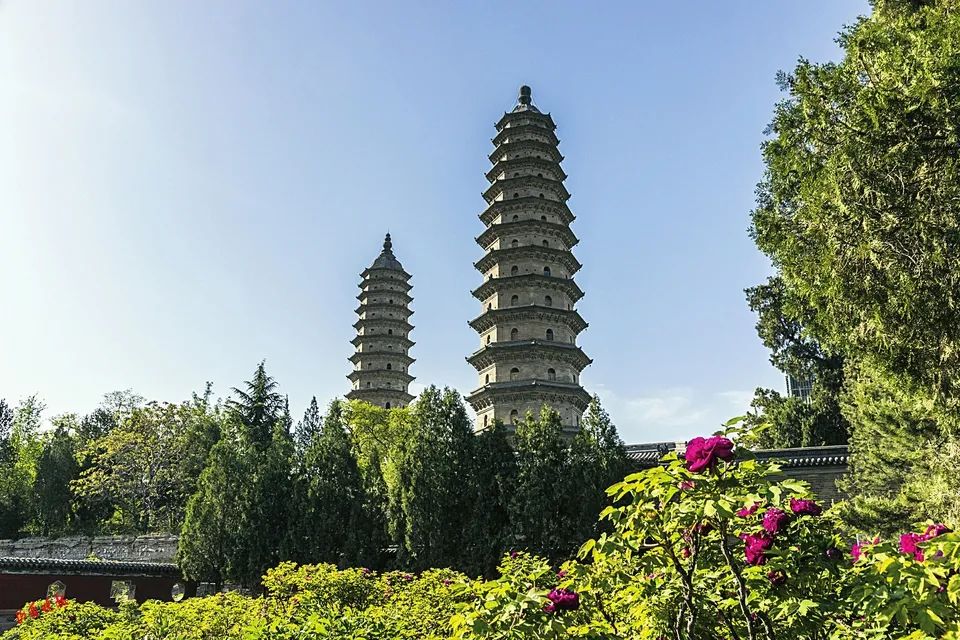
Two Ming brick towers, 54 and 55 metres — the symbol of Taiyuan since 1608, with the city laid out below like a map.
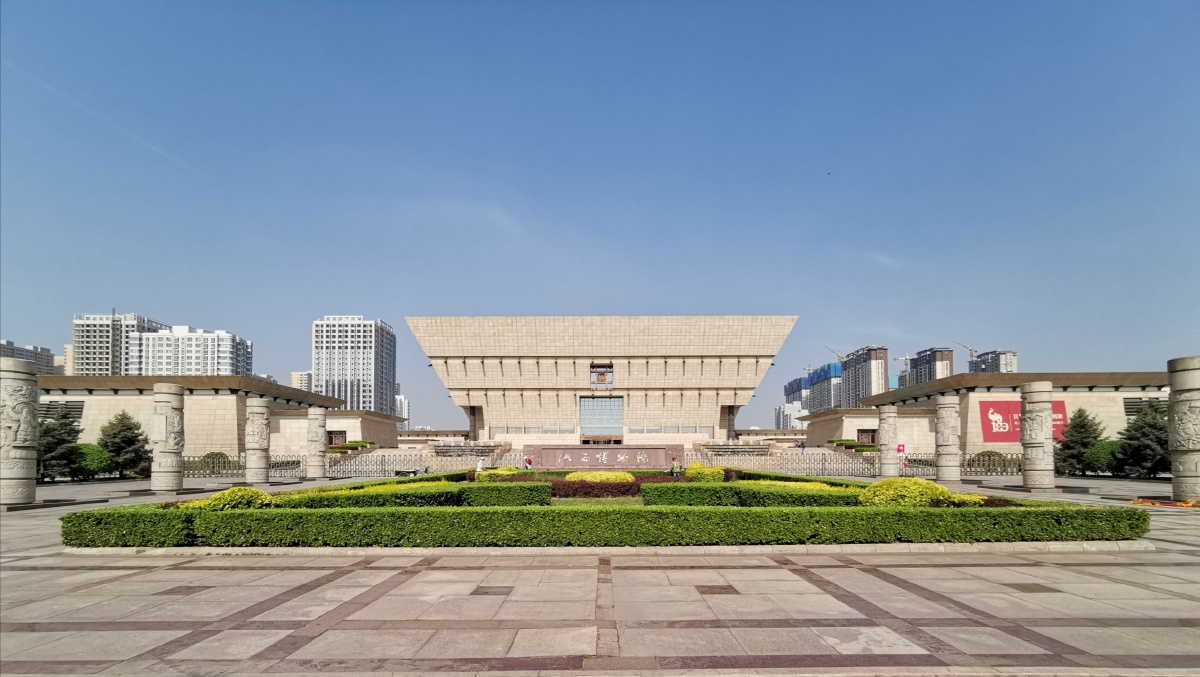
400,000 artefacts and the "Jin Soul" story of the province — bronzes, Buddhist art and the richest museum north of the Yangtze.
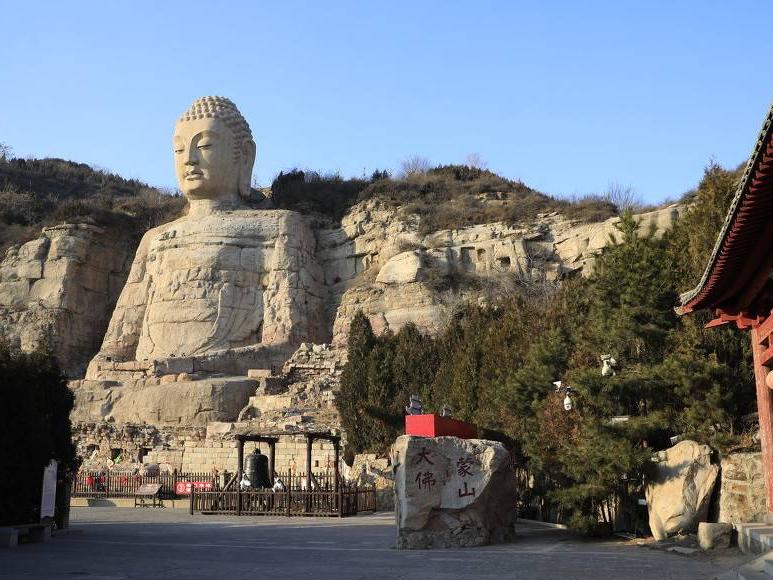
A 63-metre colossus carved in 551 AD — the world's earliest large cliff Buddha, its head lost for 600 years and restored in 2008.
The "Fenhe Evening Crossing" — a 6 km riverside park, bridges and evening lights that locals have loved for a thousand years.
The 400-year-old mutton-and-yam soup of the Ming loyalist Fu Shan — served only in the cold months, with shaobing bread.
Capital of three dynasties and birthplace of the Tang — "dragon" emperors were founded and buried here for 1,500 years.
Jinci, the Shanxi Museum, Tianlongshan and the Twin Pagodas — one compact city holding Shanxi's greatest hits.
Daoxiaomian, youmian, cats' ears, wotou — more noodle shapes than any other city in China, best before noon.
Rooms from ¥178, museum free, noodle bowls under ¥20 — big-city culture at small-city prices.
May to October — warm days, cool evenings and the Fen River park at its greenest. Late autumn colours the Juewei Mountain maples; winter is dry and quiet.
Two days covers the classics: Jinci Temple and the Mengshan Giant Buddha on day one; the Twin Pagodas, Shanxi Museum and Chongshan Temple on day two. Add a third day for Tianlongshan Grottoes or Yuci Old Town.
Entry is free but requires an online reservation with your passport, usually 3 days in advance (call +86 351 8789 188). Hours 09:00–17:00, closed Mondays.
Tounao ("brain") is Taiyuan's signature breakfast — a savoury soup of mutton, lotus root and long yam, simmered with astragalus and rice wine. The Qingheyuan restaurant serves it only from October to April, 06:00–10:00.
The ¥50 Taiyuan Tourism Pass (available at Postal Savings Bank) gives free entry to many sights but is not valid during May Day and National Day weeks — worth it only if your dates avoid the golden weeks.
Jinci, Mengshan and the Fen River park on day one; the Twin Pagodas, Shanxi Museum and Chongshan Temple on day two. View the plan →
Add Tianlongshan Grottoes, Juewei Mountain's autumn maples and a day at 1,400-year-old Yuci Old Town. View the plan →
China's earliest ancestral temple (built 1,500+ years ago) — the Spring, the Song Goddess Hall and the ancient cypresses.
¥70 · 08:00–18:00
Yongzuo Temple's Ming brick towers (1608) — climb one for the panorama, admire the Ming peonies in April–May.
¥30 summer / ¥20 winter
Free, magnificent and huge — reserve 3 days ahead with your passport. The "Jin Soul" halls tell the province's 3,000-year story.
Free · 09:00–17:00, Mon closed
The world's earliest large cliff Buddha (551 AD, 63 m) — free to visit, a 30-minute climb through pines to the colossus.
Free · daylight
Twenty-one Tang and Sui caves of exquisite Buddhas on a ridge west of town — 1,500 statues, many now abroad, the story told in situ.
¥30 · 08:30–17:00
A Ming monastery with a Sung canon of sutras, a rare scroll library and three gilded Buddha statues.
¥6 · 08:00–17:00
Six kilometres of riverside boardwalks and bridges through the city — the "Fenhe Evening Crossing" at dusk.
Free · all day
A 1,400-year-old walled town 25 km east — courtyards, towers and the grandest county yamen in Shanxi.
¥60 · 08:00–18:00
Every other September, drum troupes and folk artists from across the world parade the streets — Taiyuan luogu drumming is the local specialty.
On the second day of the seventh lunar month, the temple holds its ancient fair — opera, snacks and pilgrims around the Holy Mother Hall.
The day before Qingming honours Jie Zitui of nearby Mianshan — cold noodles, cold cakes and the origin story of China's grave-sweeping festival.
Shanxi's thunderous gong-and-drum folk music, played at festivals and on street corners — catch a performance in the old city on weekends.
Shanxi's "state guesthouse" beneath the hills at Jinci — gardens, history and quiet. From ¥300.
The classic city-centre hotel on Yingze Avenue 118 — a five-minute walk to the railway station. From ¥500.
Reliable budget classic at Yingze East Avenue 2 — rooms from ¥178, handy for trains and buses.
Steady chain rooms from ¥239 on the Liuxiang shopping street — the best budget base in town.
Modern business rooms from ¥243 with 24-hour service — comfortable, central and good value.
Mutton, lotus root and yam in a milky broth — Qingheyuan (Tongluowan, +86 351 2027 118, ¥29) serves the definitive version, October–April only.
Sliced blade-straight into the pot, chewy and glossy — the city's pride, best with braised pork and vinegar.
The legendary breakfast queue at Liuxiang North Gate (¥17) — peppery yangzasui with flatbread, from 06:00.
A 200-year-old deli famous for soy-braised meats and tofu — the Qing dynasty chain still drawing queues (+86 351 1979 131).
"Rat-hole" glutinous rice balls at Zhonglou Street (¥10) — Taiyuan's sweet legend since the 1920s.
Fine noodle banquets and Shanxi classics at Tiyu Road 7 (+86 351 7088 885, ¥135) — the place for a farewell feast.
The 300-year-old shopping spine — Tongluowan mall, century-old snack shops and the city's liveliest pedestrian blocks.
South Taiyuan's modern malls — Sunshine Plaza, Meiyuan and the upscale Changfeng shopping street.
Buy Shanxi vinegar where the Ming prince's kitchen brewed it — the Ninghua Lane brand, aged and raw.
Grain grown on Nanlao Spring water for a thousand years — fragrant, slightly brown, an imperial tribute.
Carved jade and reproduction Han–Ming ironwork from the northern city workshops.
Sweet county grapes from the "grape village" southwest of the city — in season from late August.

13 km southeast; airport bus ¥15 (30 min, info +86 351 7286 741), city bus 201 ¥2. Direct flights nationwide.

Taiyuan (+86 351 2637 109), Taiyuan East (+86 351 2622 242) and Taiyuan South (high-speed) cover every direction — book via 12306.

Taiyuan Station bus terminal (+86 351 4129 993), Jianshan (+86 351 7071 191), West and East terminals serve all of Shanxi.
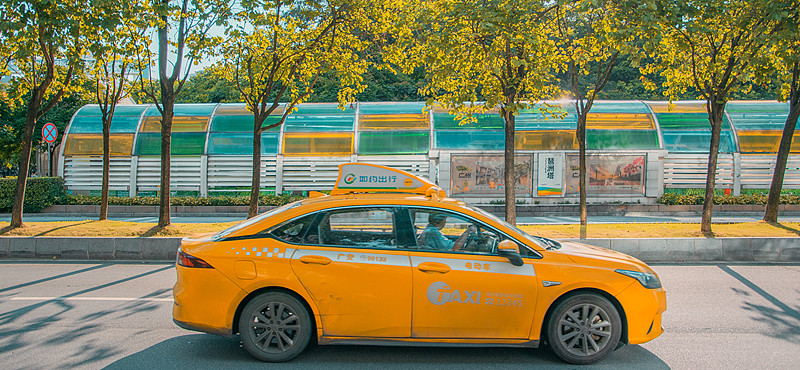
Taxis start ¥8/3 km then ¥1.6/km; buses ¥1 flat with a ¥20-deposit IC card (student ¥2.5). Bus 308/856/804 go direct to Jinci.

Streets are wide and parking cheap; Jinci and Mengshan have big car parks. Weekday rush hours (08:00–09:00, 18:00–19:00) are best avoided.
¥50 at Postal Savings Bank branches — free entry to listed sights, but invalid during May Day and National Day golden weeks.
Tang grottoes and a rare Yuan dynasty Taoist cave complex, both on forested ridges an hour from town.
The 1,400-year-old walled town — county yamen, city god temple and 300-year-old snack streets.
A living cave-dwelling village of the loess plateau — ¥40, rural Shanxi frozen in time.
The red-leaf mountain north of the city — the classic late-October colour outing.
The Shanxi Museum needs a passport-based online reservation, normally 3 days ahead — book before you fly.
Tounao and lamb soup both sell out by mid-morning — the queues at 06:30 are worth it.
May Day and National Day fill Jinci and the museum; if your dates collide, start at 08:00 sharp.
Shanxi First Hospital, Jiefang South Road 85: +86 351 4639 114; Provincial People's Hospital: +86 351 4960 081.
Bottled Shanxi vinegar is the essential souvenir — buy the brewed, aged kind, not the supermarket blend.
Email [email protected] or WhatsApp +86 138 0000 0000 — tickets, hotels, museum slots and trains arranged free.
Founded as the Qin commandery of Taiyuan, and as Jinyang the cradle of the Tang — the city Li Yuan launched his dynasty from, burned in 979, rebuilt and crowned again under the Ming.
In the north of the Taiyuan Basin between the Fen and Jin rivers — mountains on three sides, a warm-temperate continental monsoon climate with long frost-free seasons.
The land of the Jin merchants and their piao hao banks, of Lotus Flower storytelling and Taiyuan luogu drums — and of China's greatest noodle culture.