China · Shanxi
Pingyao Ancient City Travel Guide
The best-preserved walled county in China — 2,800 years of Ming streets, the world's first bank and a whole city that is a UNESCO World Heritage site.
China · Shanxi
The best-preserved walled county in China — 2,800 years of Ming streets, the world's first bank and a whole city that is a UNESCO World Heritage site.
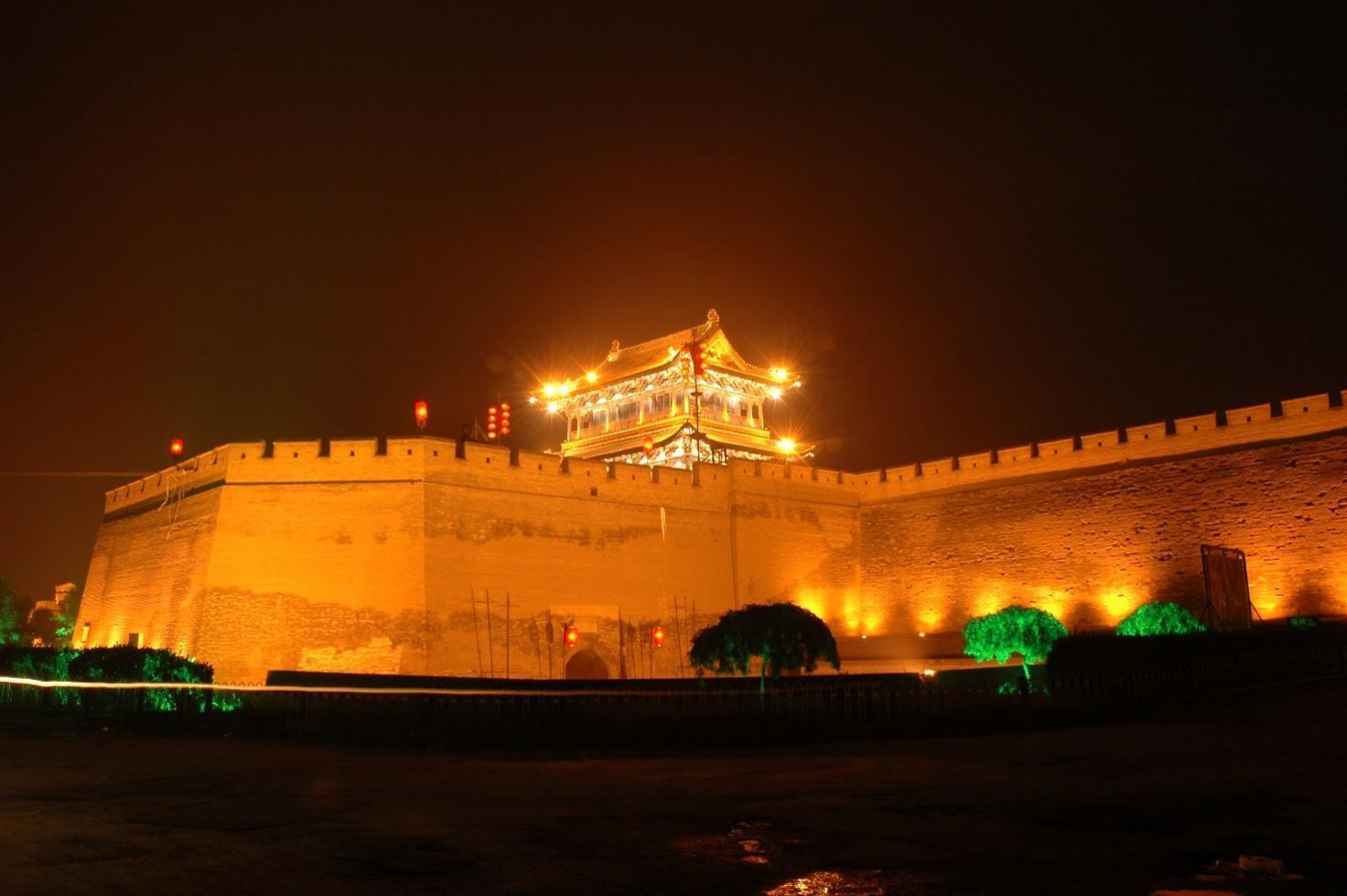
Six kilometres of intact Ming ramparts shaped like a turtle — 72 watchtowers, 3,000 crenellations, one unforgettable loop.
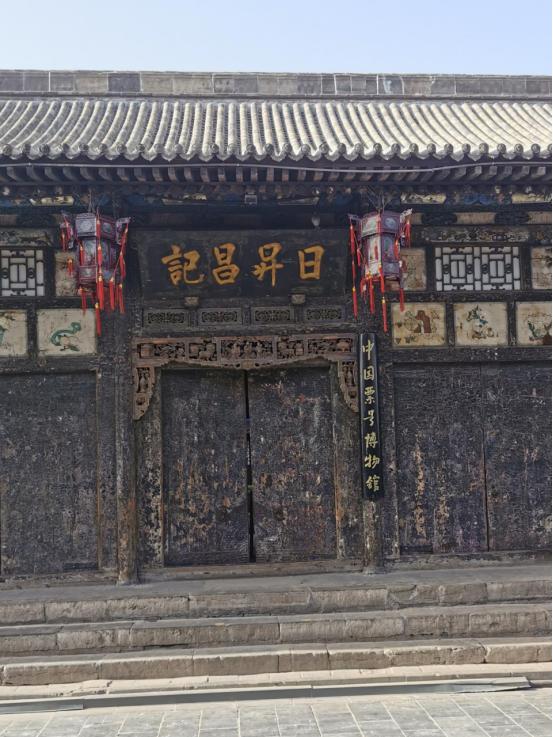
Rishengchang (1823) invented the piao hao draft — "drafts under Heaven, a single seal travels 10,000 li". Walk its counting rooms and vaults.
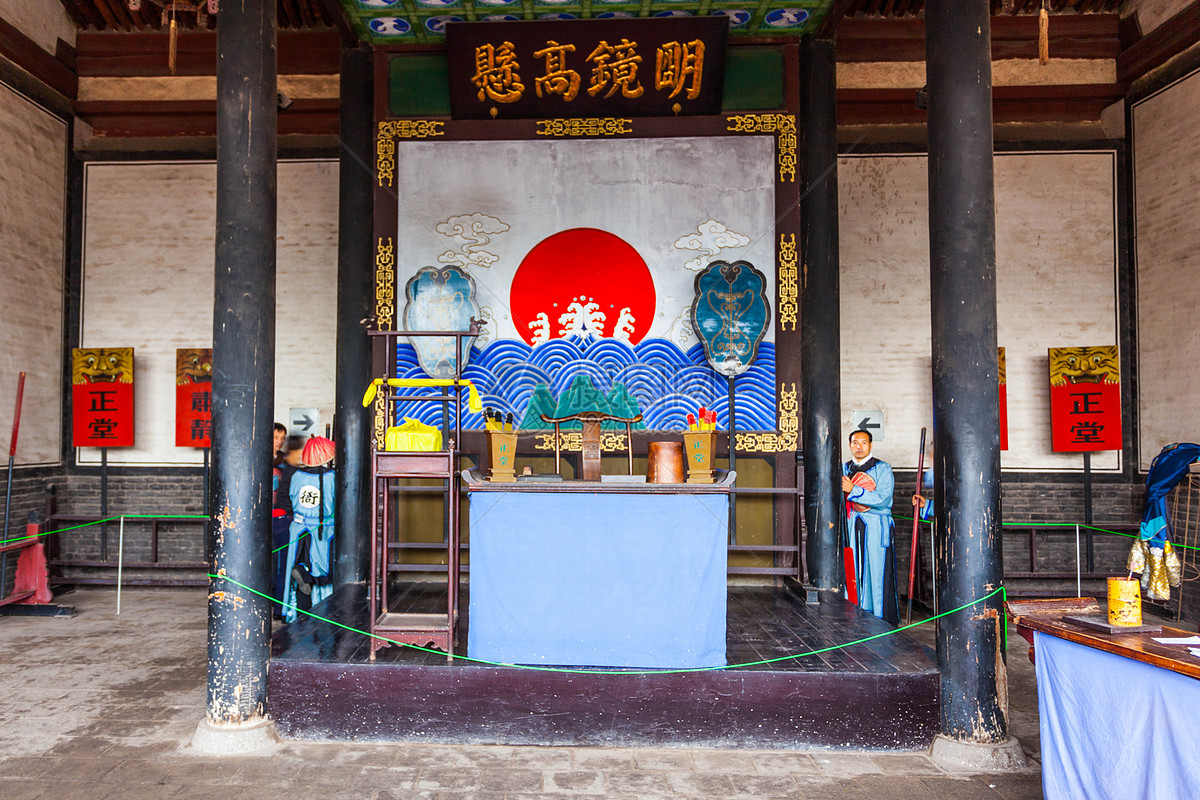
China's largest surviving county government — actors in Qing costume stage real trials daily at 10:00, 11:00 and 15:30 (16:00 weekends).
South Avenue's lantern-lit shops, lacquerware and beef stalls — the most atmospheric street in northern China after dark.
2,000 polychrome clay statues in a 1,400-year-old temple 6 km south — the finest surviving Tang-style sculpture gallery in China.
Marinated, vacuum-packed and sliced at your table — with shaojiu (sorghum wine) and a plate of youmian kao laolao, this is the old capital's taste.
No other Chinese city survived the 20th century so whole — every street, gate and courtyard within the turtle-shaped wall is original.
Rishengchang and its rival piao hao made Pingyao the financial heart of Qing China — "the town that could not be filled".
Courtyard hotels, Qing court shows, lantern festivals and noodle steam rising at dawn — you are the extra in your own period drama.
Tuiguang lacquerware, long yam dishes, push-through courtyards and the finest beef in Shanxi.
The combined pass is ¥150 (¥160 around Spring Festival) and covers 22 sights inside the wall — it is valid for three days and each sight admits you once. The city wall, Shilou tower and county offices are all inside the pass; Shuanglin and Zhenguo temples are bought separately (¥40 / ¥30).
September to November is superb — the Pingyao International Photography Festival runs in late September and the autumn light on the grey-tiled roofs is beautiful. Spring Festival (late Jan–Feb) is festive but packed.
Take the high-speed train from Taiyuan South to Pingyao Ancient City station (~40 minutes), or a coach from Taiyuan Jianshan bus station (every 15 minutes, ¥25, about 1.5 hours). The old town is a 5-minute walk from the main railway station.
Absolutely — courtyard hotels and hostels inside the wall are the experience: heated brick kangs, courtyard dinners and lantern-lit lanes after the day-trippers leave. Beds from ¥30–40, boutique rooms ¥150–500.
Yes — the largest Qing merchant mansion complex in China (123 courtyards, 1,118 rooms) is 40 minutes away by bus (07:10 and 13:20 from Pingyao station) or shared minivan (¥50 round trip). Half a day is enough.
The wall loop, Rishengchang, the yamen court show and a lantern-lit Ming-Qing Street evening — the complete old city. View the plan →
Add Shuanglin's painted sculptures and Zhenguo's Tang hall, plus a beef and lacquerware shopping morning. View the plan →
The 2,800-year-old walled county town — the complete UNESCO-listed Ming city, turtle-shaped and intact.
Pass ¥150 · 3 days
6.4 km of Ming ramparts from 1370 with 72 watchtowers — walk or cycle the full loop at golden hour.
In pass · 08:00–19:30
China's largest surviving county government (from 1346) — daily Qing court re-enactments draw standing-room crowds.
In pass · court at 10:00/11:00/15:30
The first piao hao in China (1823) — vaults, counting rooms and the motto "Huitong Tianxia", drafts under heaven.
In pass · 08:00–18:00
2,000 painted clay statues across 10 halls — the "museum of oriental sculpture", 6 km southwest of the wall.
¥40 · 08:00–18:00
The Wanfo Hall of 963 AD — the second-oldest timber building in China, hidden 15 km northeast.
¥30 · 08:00–18:00
A Jin-dynasty Dacheng Hall (1163) and the only surviving imperial exam paper by a zhuangyuan (top scholar).
In pass · 08:00–18:00
The three-storey landmark straddling South Avenue, built over an ancient well — climb for the best roofscape view.
¥5 · 08:00–18:00
Actors in Qing costume try cases daily — Monday to Friday at 10:00, 11:00 and 15:30, weekends at 16:00. Arrive 20 minutes early for a seat.
The whole first lunar month: lantern riddles at the yamen, a Confucian sacrifice at the temple, fireworks over the wall and a city-wide shehuo parade.
Every September since 2001, the old city becomes the world's largest open-air photo gallery — check exact dates before booking.
After 19:00 the wall towers light up and Ming-Qing Street glows — join locals walking the ramparts under the red lanterns.
The most exquisite boutique in the old city, on East Avenue 16 — silk courtyard, fine dining, a short stroll to the wall. From ¥1,500.
Elegant courtyard hotel at Chenghuangmiao Street 76 with a handsome restaurant — from ¥500.
Charming restored courtyard at Shaxiang Street 16 — from ¥290, kangs and courtyard teas included.
Authentic cave-kang rooms at Chenghuangmiao Street 33 from ¥150 — the budget boutique of the old city.
The only HI hostel in Pingyao — 200-year-old courtyard near the yamen, dorm beds ¥40, twins ¥188.
Marinated beef from the Guan Yun brand, sliced thin — the "new three treasures" star. Eat it cold with vinegar and garlic.
Steamed wheat "bowl cakes" invented by Qing chef Dong Xuan — slippery with garlic vinegar, cold or wok-fried.
Rolled oat-noodle honeycomb, steamed and dipped in mutton or mushroom broth — the great Shanxi comfort food.
Huai yam grown locally — candied, honeyed, stir-fried or in soup; the second of Pingyao's new treasures.
The grand name on South Avenue 64, calligraphy by Yu Qiuyu over the door — Shanxi classics at ¥50 (+86 354 5689 188).
Famous courtyard dining at South Avenue 73 — slightly pricier, consistently good, ¥60 (+86 354 5680 069).
South Avenue's lantern-lit souvenir strip — beef, lacquerware, long yam products and "old treasures" (buy with your eyes open).
Hand-burnished lacquer boxes and screens — five processes, palm-polished to a mirror shine; the classic Pingyao craft.
Vacuum-packed Guan Yun brand beef — the official gift of the old city, sold on every street corner.
Dried and ground local yam for tea — the nourishing, easy-to-pack third treasure.
The imperial tribute that once fed the Empress Dowager — rich, smoky, sliced like ham.
A pillow that pleased Cixi herself, and Changshengyuan glutinous rice wine from the shop below Shilou.

No airport at Pingyao — fly to Taiyuan Wusu (info +86 351 7286 741) and take the 40-minute high-speed train down.

High-speed from Taiyuan South in ~40 min. The classic Pingyao station is 300 m west of the wall — walk straight in. Book via 12306.

Taiyuan Jianshan station runs Pingyao buses every 15 minutes, ¥25, ~1.5 h. Pingyao bus station: +86 354 5691 899.
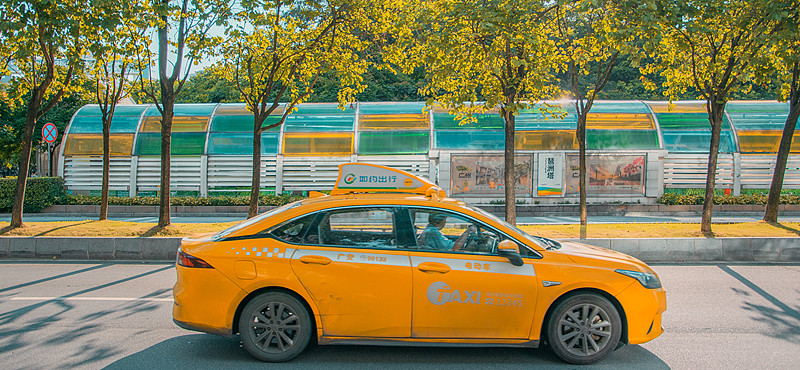
Rent a bicycle ¥5/hour, take a rickshaw ¥2–3 a ride, or an electric sightseeing cart ¥20–30. Taxis outside the wall start at ¥4/2 km.

Cars must park outside the wall (¥10–20) — between 20:00 and 08:00 you may drive in for drop-off. Everything inside is walkable anyway.
Direct coaches leave Pingyao station at 07:10 and 13:20, returning at 11:00 and 16:30 — or share a minivan for ¥50 round trip.
123 courtyards of Qing merchant power at Lingshi — "come home from Wang's and never look at any other compound".
The Raise the Red Lantern courtyard, 40 minutes north — cinematic, crowded, quintessential.
Cliff temples and the birthplace of the Cold Food festival — the area's sacred mountain, 1 hour by car.
A 1,300-year-old underground city of tunnels and caves — one of China's strangest and best-kept secrets.
The ¥150 pass covers 22 sights over three days, one entry each — start with the wall and yamen, save the smaller temples for day two.
Day-trippers flood in from 10:00–16:00; walk the wall at 08:00 or after 17:00, and book your court-show seat early.
ATMs live outside the wall (Postal Savings inside); most shops take mobile payment — carry a little cash for the night stalls.
Buy vacuum-packed Pingyao beef as gifts — it travels and keeps for weeks; the freshly sliced is for eating right now.
If you visit in late September for the photography festival, book rooms months ahead — the city sells out.
Email [email protected] or WhatsApp +86 138 0000 0000 — passes, hotels, trains and mansion trips arranged free.
Founded as Pingtao under Qin, renamed Pingyao in 446, walled in 1370 and crowned by Rishengchang's founding in 1823 — the commercial and financial capital of Qing China.
On the east bank of the Fen River at the southwest edge of the Taiyuan Basin — warm-temperate continental monsoon, hot rainy summers and crisp autumns.
Listed as UNESCO World Heritage in 1997, one of the four best-preserved ancient cities — the complete picture of a Chinese county's culture, economy and religion from the 14th to 19th centuries.