China · Inner Mongolia
Hulunbuir Travel Guide
The world's best grassland — rolling prairie, birch-forest railways, the Argun River border and villages where Russian log houses bloom with flowers.
China · Inner Mongolia
The world's best grassland — rolling prairie, birch-forest railways, the Argun River border and villages where Russian log houses bloom with flowers.
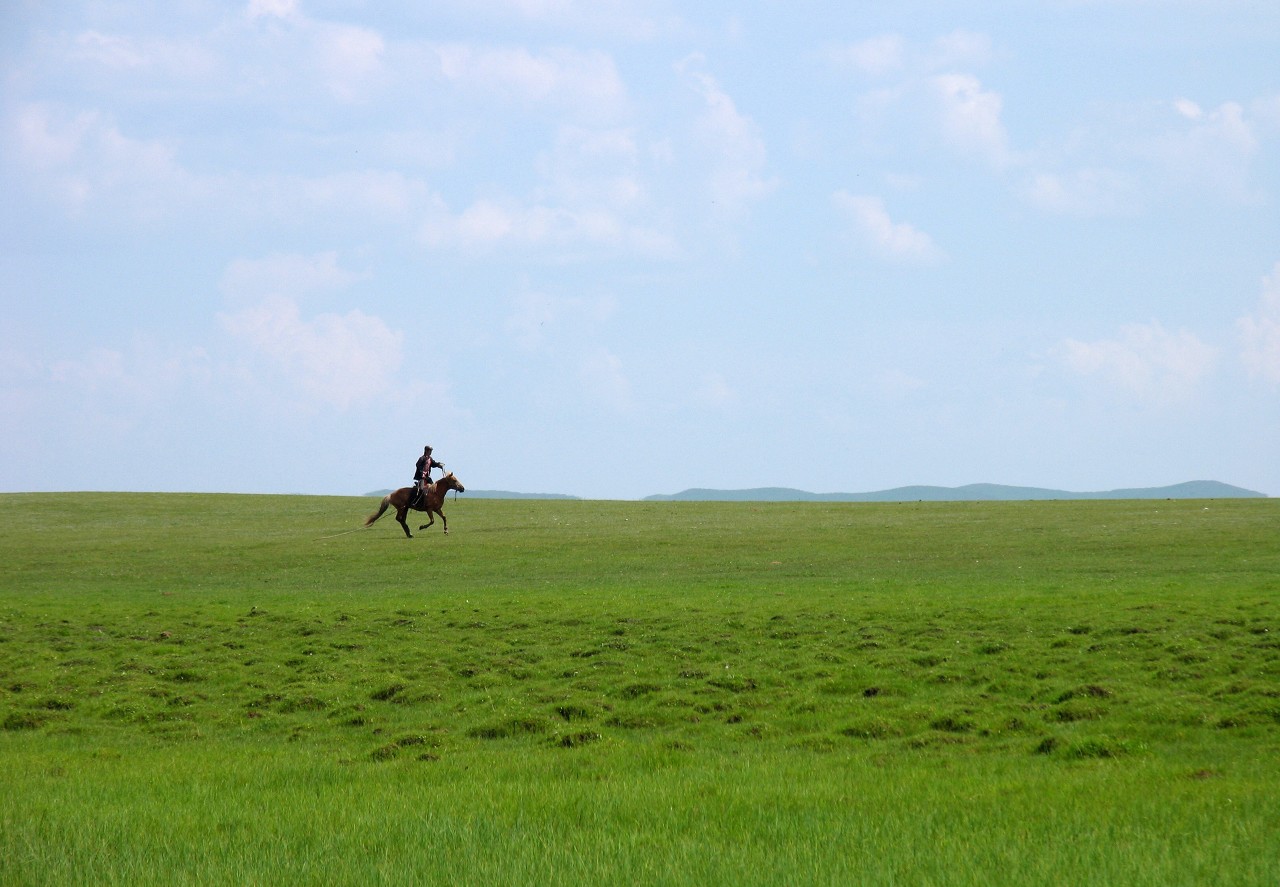
Chase the clouds on horseback over the "world's best grassland" — herds, yurts and the endless green horizon that made Genghis Khan's homeland.
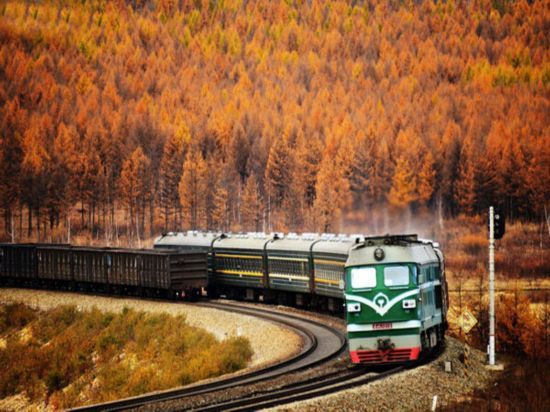
Slow trains cross the Greater Khingan birch woods — no haste, just golden light sliding past the window on the way to Mordaoga.
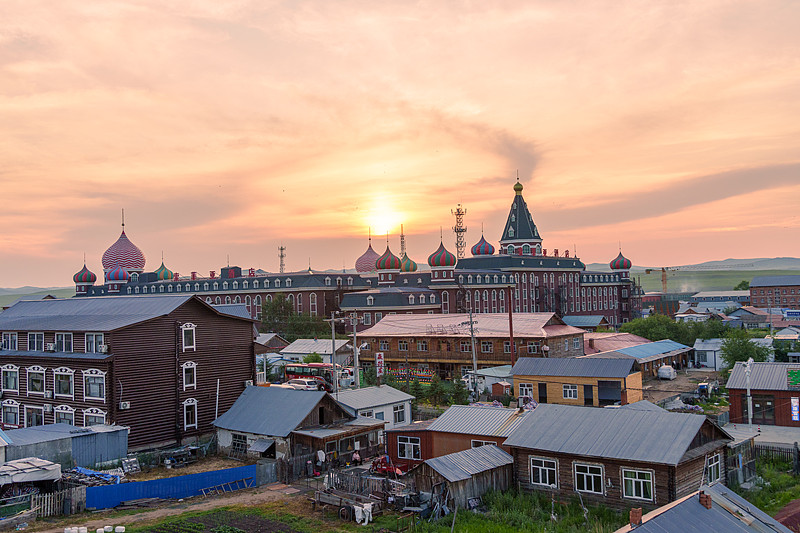
From Shiwei's riverbank the Russian village of Oluchi lies a stone's throw away — a border drawn by water, not by fences.
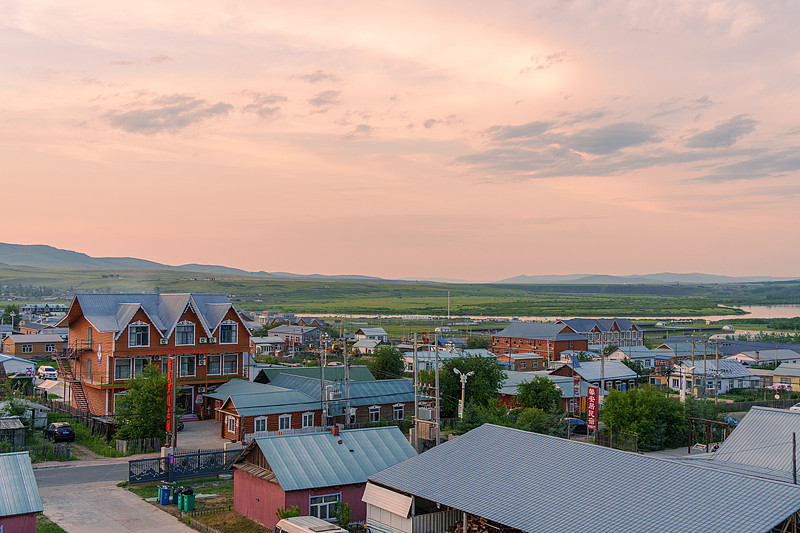
Russian-style log cabins with lace curtains, flower gardens and a swing in the yard — bed and blueberry-jam breakfast for ¥30–60 a night.
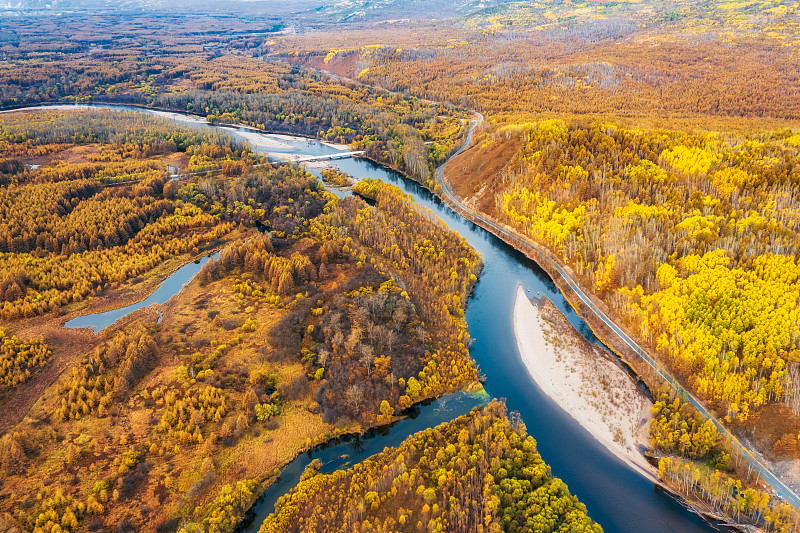
The "First Wetland of Asia" — a winding river and mist-lit treetops from the hilltop viewpoint above Ergun city.
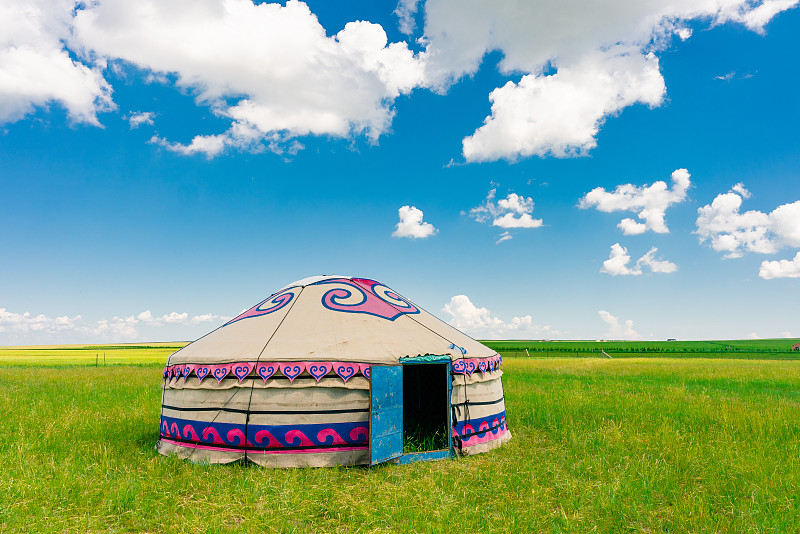
Shouba rou (hand-held mutton), roast whole lamb, Mongolian pot tea and Hailar beer — the grassland feeds you like family.
Named for Hulun and Beier lakes, this prairie is said to be the finest on earth — water-rich, horse-rich and utterly open under a huge sky.
The Argun River separates China and Russia — no walls, just a green valley, villages of log houses and cross-river waves in the morning.
Green trains and logging roads cross the Greater Khingan to Qiqian — a village of seven families and one frontier post, cut off from the world.
Xiongnu, Xianbei, Khitan and Mongol herders grew up here — 32 ethnic groups still live side by side, from reindeer-herding Evenki to Russian-origin villagers.
June to mid-September is the golden season — the grassland turns emerald from late June, wildflowers peak in July, and autumn birch forests blaze gold in mid-September. Winter (December–February) is a different world: -30 C, snow-covered grassland and the reindeer people of the northern forests.
Five days covers the classic loop — Hailar, Genhe Wetland, Shiwei, Linjiang and back. Add four more for the full nine-day route through Qiqian village, Mordaoga forest and Manzhouli. Distances are vast; do not try to rush.
Fly to Hailar Dongshan Airport (direct flights from Beijing, Shanghai, Harbin, Shenyang and more) or take the train from Beijing, Harbin or Hohhot. Within the region, chartering a car (¥300–500 a day) is by far the best way — the scenery is on the roadside.
The villages along the Argun River — Shiwei, Linjiang and Qiqian — lie in a border zone. Chinese citizens need no permit; foreign passport holders should carry their passport and confirm with the local police station or their hotel, as rules at the border checkpoints can change.
Hailar has the best hotels (from budget ¥60 beds to the Ibis at ¥438). In Shiwei and Linjiang stay in family-run log mukele houses for ¥30–60 a night, breakfast of black bread and blueberry jam included. On the grassland, overnight in a real yurt at a nomad camp.
Hailar, Genhe Wetland, the Argun River, Shiwei and Linjiang — the classic loop through prairie and border villages. View the plan →
Arrive Hailar & the forest park Land at Dongshan Airport or the railway station, then the Scots-pine forest park on the city edge (¥20) — a green warm-up before the prairie. Evening: Mongolian feast of shouba rou and pot tea in town.
Moleger River & Genhe Wetland Charter north past the winding Moleger River to Ergun city, climb the boardwalk above Genhe Wetland (¥65) for the golden-hour view, sleep in Ergun.
Enhe birch forest to Shiwei The prettiest road in the north: birch woods and flower meadows to Enhe, then on to Shiwei on the Argun River — log mukele house for the night, Russia across the water.
Shiwei to Linjiang Walk or drive the 10 km river road to Linjiang — half mountain birch, half open grassland, ending at the eagle-beak crag of Laoyingzui. Sleep in a Linjiang log house.
Back to Hailar Drive the forest road to Mordaoga for lunch and a short green-train hop if time allows, then return to Hailar for your flight or overnight train.
The complete route — grassland, Genhe Wetland, Shiwei, Linjiang, Qiqian's lost valley, Mordaoga forest and back to Hailar. View the plan →
Hailar Arrive, walk the Yimin River and visit the forest park (¥20) and the Nationalities Museum — the warm-up day before the grassland.
Hailar → Ergun The Moleger River bend and Genhe Wetland (¥65) in the afternoon light; sleep in Ergun.
Ergun → Enhe → Shiwei Birch forests and flower meadows to Enhe, then the Argun River to Shiwei — first night in a log mukele house.
Shiwei A slow day: riverbank walks, the Russian township, a horse ride (¥100–300) and sunset across the border.
Shiwei → Linjiang The 10 km river road on foot or by car — birch hills, open grassland and the Laoyingzui crag; night in Linjiang.
Linjiang → Mordaoga → Qiqian Forest roads through Mordaoga's Bailu Island gate (¥160), then the empty taiga road to Qiqian — seven families and a frontier post.
Qiqian The lost valley: pine forest, the river and total silence. Hike the ridge, photograph the border meadows, sleep in a village cabin.
Qiqian → Mordaoga → Hailar Back through the forest; catch the green train from Mordaoga to Hailar if the timing works — the birch-window ride of the trip.
Hailar & depart A final bowl of pot tea, any last blueberry shopping, then the airport or overnight train south.
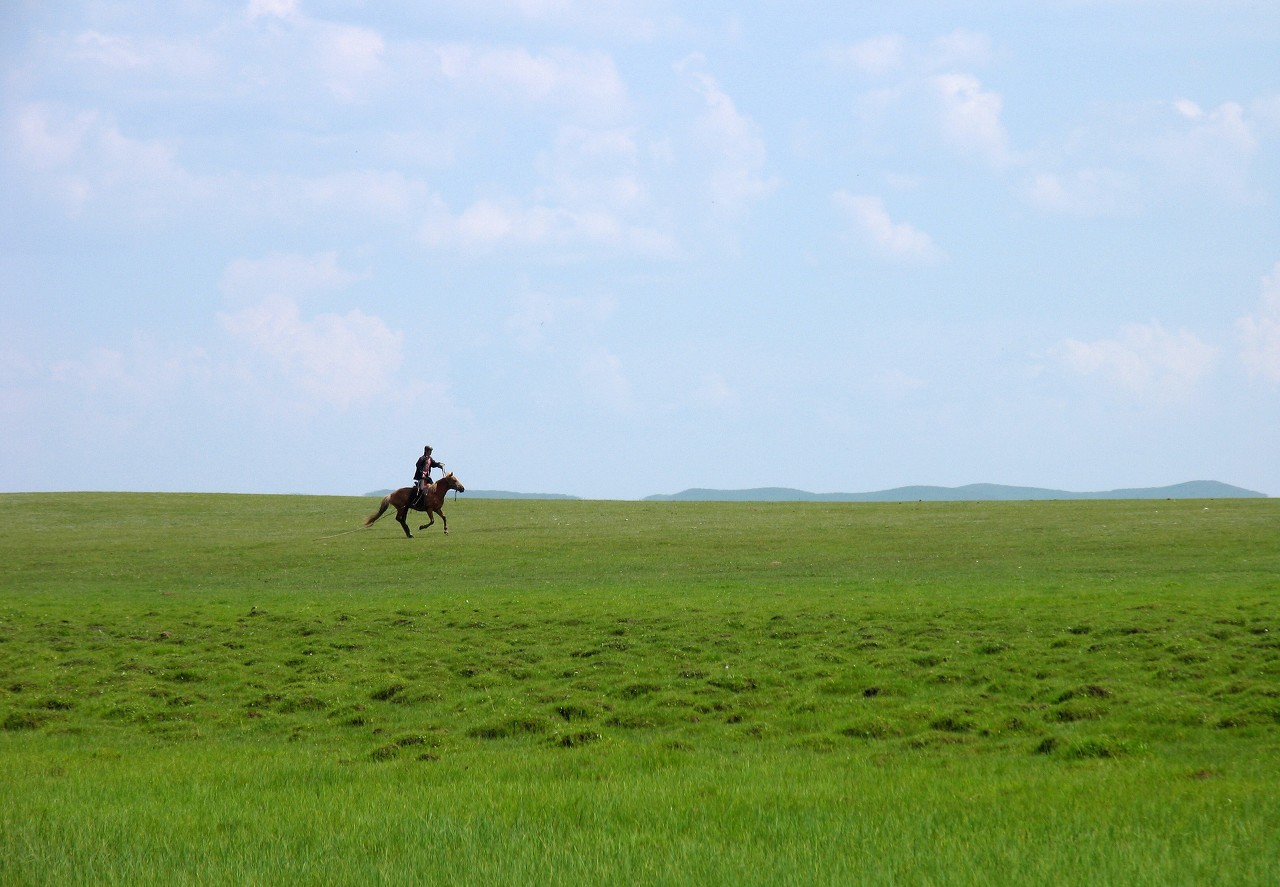
The world's best prairie — riding, yurts and nomad camps around the Hulun and Beier lakes.
Free · always open
The "First Wetland of Asia" — a hilltop boardwalk above the winding Genhe river, magical at dawn.
¥65 · 07:30–19:00
Log mukele houses, flower gardens and the Argun River — with Oluchi, Russia, across the water.
Free · always open
The ethnic-minority township where Russian-Chinese families keep their language, bread ovens and festivals.
Free · always open
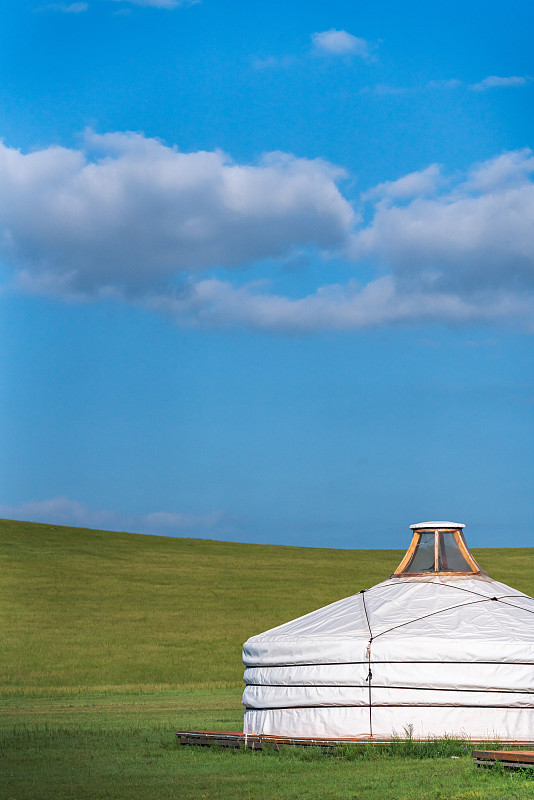
The "Green Queen" Scots pines on Hailar's doorstep — a half-day forest walk before the grassland.
¥20 · 08:00–17:30
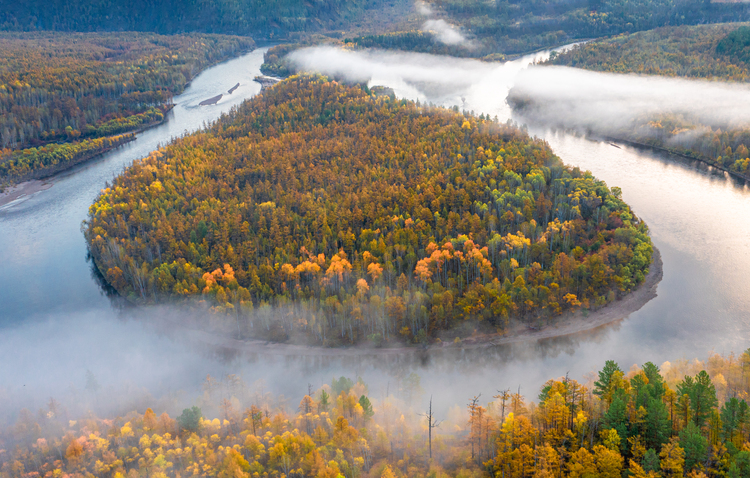
Old-growth larch and birch around Bailu (White Deer) Island — the green-train stop in the Khingan.
¥160 · 08:00–17:00
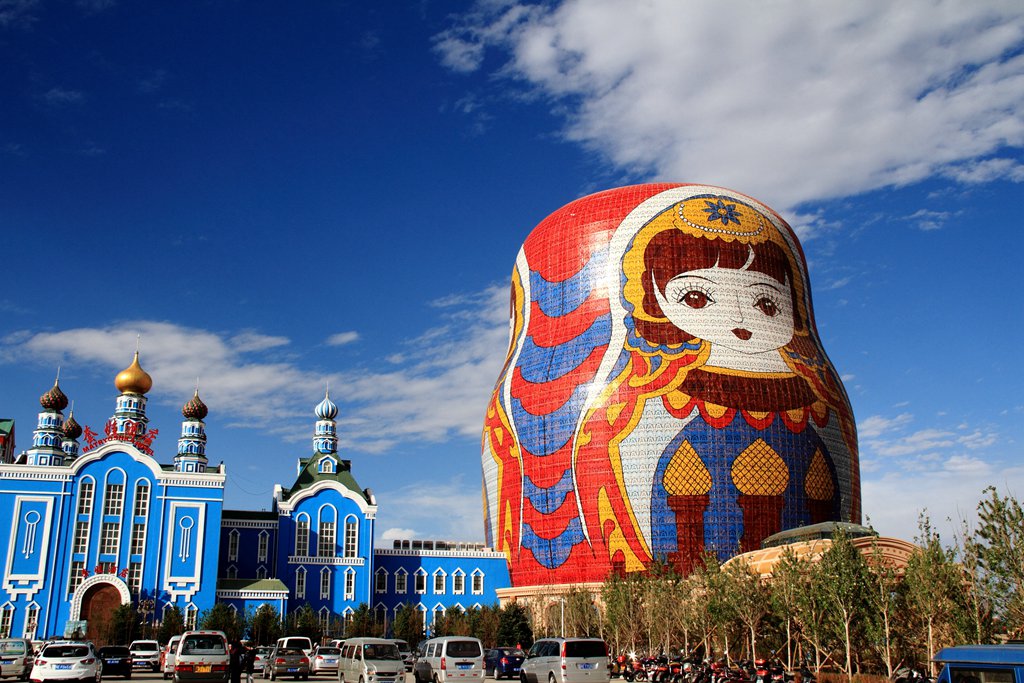
The border town's 41-metre gate, the doll square and Russian-market streets — the overland gateway to Russia.
¥40 · 09:00–18:00
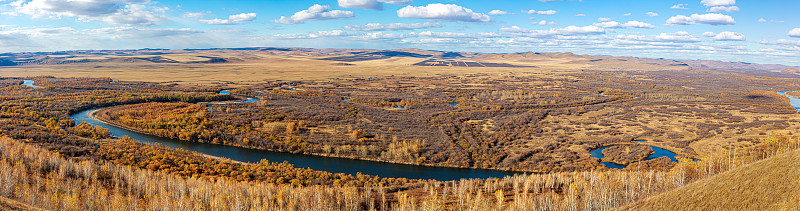
One of China's five great freshwater lakes — reeds, gulls and sunset on the "Pearl of the Grassland".
¥20 · all day
In early summer each banner holds its Nadam — Mongolian wrestling, archery and horse racing on the open prairie, with roast mutton and aiyu (fermented mare's milk) on the sidelines.
Yurt camps around the grassland offer guided rides (¥100–300 an hour) and herder visits — milk tea, homemade cheese and a try at the Mongolian lasso.
Most yurt camps light a bonfire after dinner — singing, dancing and (if the mood takes) a bowl of strong baijiu around the flames.
December to February Hailar hosts ice-snow festivals, reindeer-sledding with the Evenki and the deep-quiet beauty of a frozen grassland.
Reliable city hotel on the Yimin River at Shengli Avenue 23 — evening river-walk from the door. From ¥438.
Clean rooms in a quiet compound at Guomao Garden Phase 2 — a solid mid-range base in Hailar. From ¥180.
Friendly family hostel with a kitchen and washing machine — dorm beds from ¥60, doubles ¥240. Hailar new district, Building 2-4-208.
Mukele cabins with lace curtains and flower yards — ¥30–60 a night, breakfast of black bread and blueberry jam included. Book at the village info boards.
Overnight in a real yurt at a nomad camp (from ¥100–200) — pot tea at dawn, horses outside and the biggest starry sky you have ever seen.
The grassland's eternal dish: lamb boiled whole and eaten by hand with garlic and salt — the deeper the grassland, the better the meat.
A ceremony as much as a feast — a whole two-year-old lamb roasted golden and carved at the table; reserved for Nadam and special evenings.
Brick tea simmered three hours, then finished with butter, cheese, dried curd and millet in a copper pot — the grassland's breakfast of champions.
Paper-thin grassland lamb swished in a copper pot — a northern classic you will find on every Hailar corner.
The Russian-border breakfast of Shiwei and Linjiang — sweet-sour wild blueberry jam on fresh daleba bread with warm milk.
Local lager brewed with clear grassland water — cold, light and remarkably good with lamb; try it before judging.
Jam, juice and dried berries from the Khingan forests — the souvenir everyone takes home from the north.
Hand-felted slippers, saddlebags and leather boots from the grassland craft markets of Hailar and Manzhouli.
Boxes, ornaments and bark paintings made by the Evenki and Oroqen peoples of the northern forests.
Dried milk curd, cheese strips and roasted millet — the sweet-sour taste of the prairie, easy to pack.
From the reindeer camps of the Greater Khingan — carved ornaments and traditional tools.
In Manzhouli, the border market sells Russian chocolates, matryoshka dolls and honey — a fun hour of browsing.

5 km east of town — direct flights from Beijing, Shanghai, Harbin, Shenyang, Nanjing, Hangzhou, Guangzhou and more. Airport bus ¥5 to the centre, taxi about ¥30. Info +86 470 8271 114.

Overnight and daytime trains from Beijing, Harbin, Hohhot, Qiqihar and Dalian — and the slow green trains along the Binzhou line. Info +86 470 2221 322.

Daily coaches to Mordaoga, Genhe, Yakeshi, Ergun, Manzhouli, Arxan and Harbin. Station on Jiaxinzi Road — info +86 470 8333 719.

Chartering is the way to travel — ¥300–500 a day including fuel and driver. Taxis in Hailar start at ¥6 for 2 km, then ¥2/km; book charters through your hotel or our team.

The roads are good and nearly empty — the scenery is the point, so stop often. Fill the tank in Hailar; fuel stations thin out beyond Ergun.
Hailar to Mordaoga via Genhe — the classic slow ride through birch and larch forest. Not fast, but the most scenic two hours in the north.

The national gate, the giant doll square and Russian-market streets — the overland door to Russia, 200 km west of Hailar.
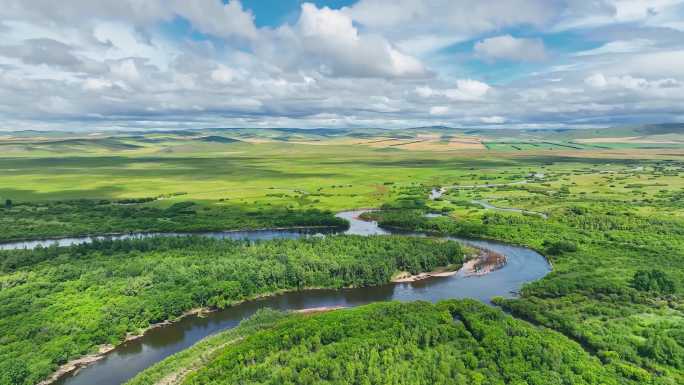
Hot springs, alpine lakes and the Xing'an larch forest south of Hailar — a different, gentler side of Inner Mongolia.
China's northernmost point — aurora in season, the arctic marker and the reindeer village of the Evenki.
Horse towns and river valleys on the way toward Qiqihar — forest, water and history without the crowds.
Even in July pack a windproof jacket and long sleeves — the prairie wind is relentless and evening air drops fast. In winter, real cold: -30 C needs full Arctic layering.
Hailar has no formal taxi-charter company — arrange a driver through your hotel, the bus station or us in advance; good drivers double as guides and photographers.
Fuel stations are scarce beyond Ergun — and so are shops. Buy water, snacks and cash before leaving town.
Carry your passport along the Argun River; at Qiqian the frontier post is part of the experience — wave to the soldiers and keep your camera at home near the post itself.
June–July evenings bring mosquitoes at the wetland and river villages — repellent is not optional.
Email [email protected] or WhatsApp +86 138 0000 0000 — camps, horses, hotels, trains and drivers arranged free.
The cradle of the northern nomads — Xiongnu, Xianbei, Khitan and Mongol peoples grew up on this prairie, and Genghis Khan's homeland lies at its heart. The region was the Russian borderland through the Qing and the site of the 1930s Hailar Fortress built by occupying forces.
An area larger than Shandong and Jiangsu combined: Hulunbuir's grassland in the west, the Greater Khingan forest in the east, the Argun River border in the north. Continental climate — long bitter winters, short glorious summers.
32 ethnic groups — Mongolian herders, Evenki reindeer people, Daur, Oroqen and Chinese-Russian families — make Hulunbuir China's richest living mosaic of northern cultures.