>
China's most comfortable summer city — a river pavilion that never sleeps, mountains of green, one of the country's great old towns, and night markets worth flying for. This guide covers the must-see sights, honest itineraries, where to eat and how to book your whole trip.
Four experiences every first-time visitor should not miss — the essence of Guiyang in a single day's walk.
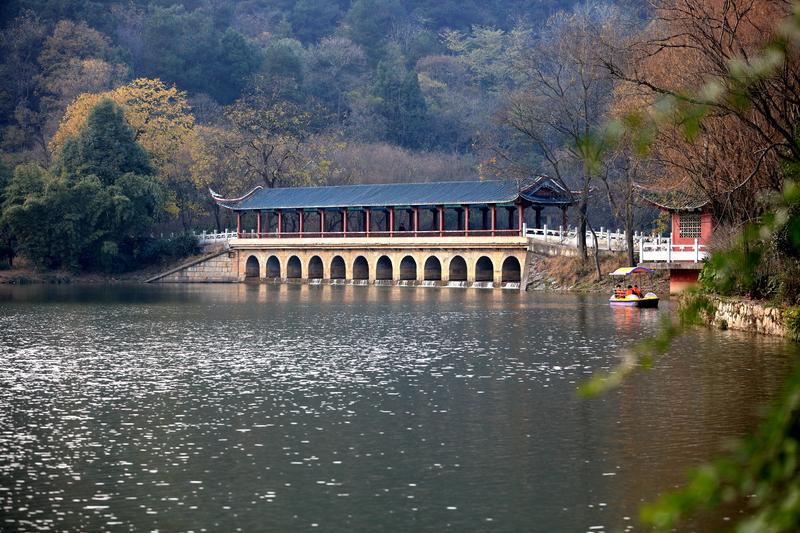
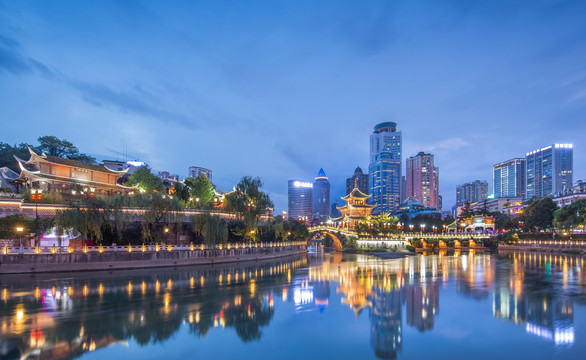
Guiyang's symbol — a three-tiered riverside pavilion on the Nanming River, first built in the Ming Dynasty and rebuilt in 1909. The floating-jade bridge and its reflection make the classic Guiyang picture.
Ancient trees, a clear lake and cheeky wild macaques along the Nine-Bend Path. Climb to Hongfu Temple — "the first mountain of southern Guizhou" — and watch the city spread out below.
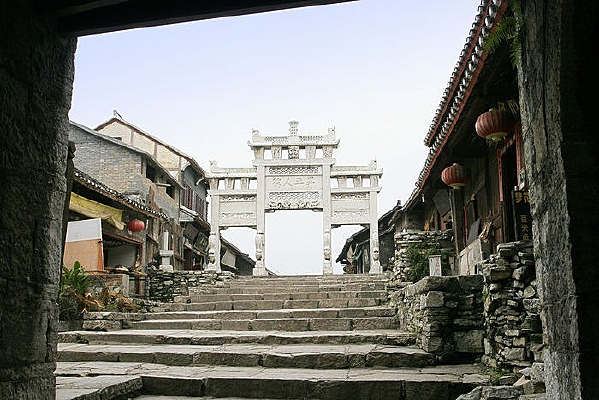
A 640-year-old fortified town of slate houses, carved gateways and rose-sugar sweets — one of Guizhou's four great ancient towns, an hour south of the city.
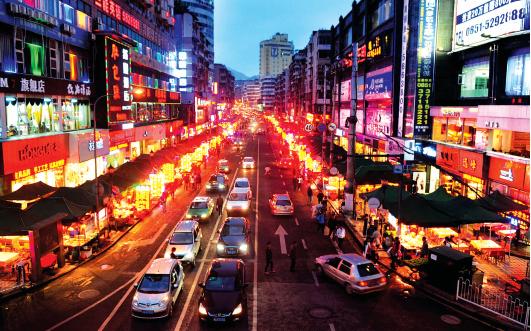
Hequn Road, Shaanxi Road, Qingyun Road — after 19:00 the streets fill with sour fish, changwang noodles and grills. This is how Guiyang really lives.
Guiyang's signature experiences — the reasons travellers fall for this green, easy city.
One of China's ten famous towers, a white-stone pavilion on a rock in the river. Cross the Floating Jade Bridge, dip into the lakeside gardens, and come back at night when it glows gold.
A 300-hectare urban park of forest, lake and temple where locals hike, tai-chi and feed the monkeys. Entrance costs just ¥5 — the best-value green space in any Chinese capital.
Founded in 1378, Qingyan keeps its Ming–Qing walls, pagodas and slate alleys. Eat the local braised pig's trotters — the "champion's hoof" — while you're there.
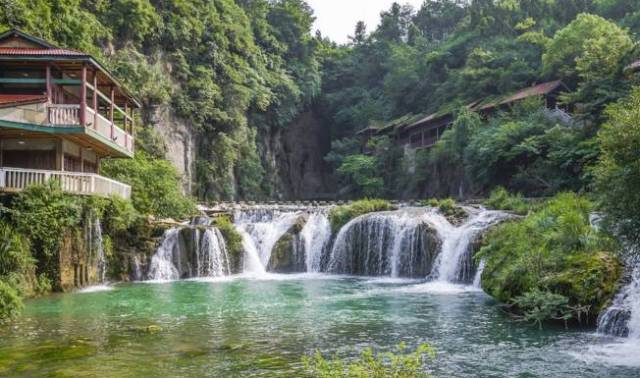
"A miniature of Guizhou's scenery": calcite terraces, natural stone bridges, and cave rivers you can boat through — karst condensed into one valley.
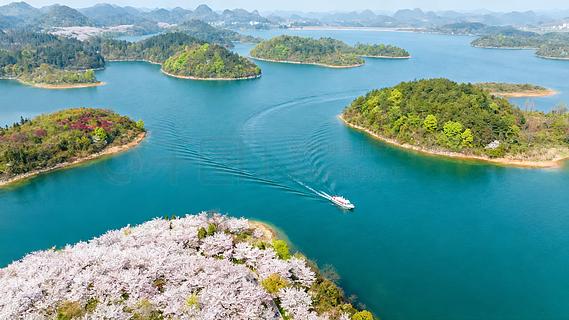
Guizhou's "plateau pearl" — a huge artificial lake of forested islets, Dong and Miao villages on the shores, and red maples turning in autumn.
Hequn Road alone holds 170 stalls — the "number one night market street of Guiyang". Sour fish, grilled skewers and the numbing kick of Guizhou chillies.
March to October is the golden season. Guiyang averages 15.3°C a year — summer highs stay around 23–28°C and winter lows hover near 4.6°C, which is why the city calls itself the "cool capital of summer." More Guiyang Q&A →
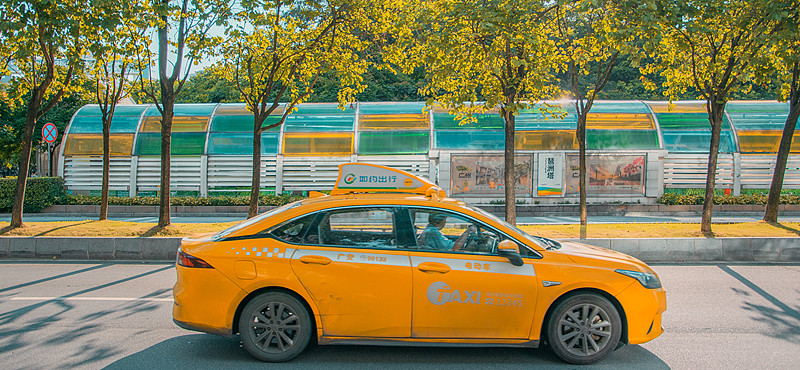
Buses cost ¥1–2 and minibuses ¥1.2 and cover the city well. Taxis can be hard to flag and fares vary — agree on a price before long rides. From Longdongbao Airport the shuttle to town takes about 20 minutes and costs ¥10.
Guiyang cuisine is famous for "numbing and spicy" flavours, close to Sichuan and Hunan cooking. If you cannot handle heat, tell the restaurant clearly — most dishes can be toned down, and cold noodles, rice tofu and yellow cake are mild options.
Overall, yes. Take the usual precautions: watch your belongings around the railway station, avoid unlicensed taxis, and get back to your hotel early in the evening. The night markets are lively and full of locals.
A light jacket — mornings and evenings are cool, and a sudden rain can drop temperatures sharply. Sun protection is useful at midday, and comfortable walking shoes for the hills and stone lanes.
Yes. Email [email protected] or message us on WhatsApp. Our team arranges Guiyang hotels, tours, rafting and transport to Huangguoshu and beyond — free of charge and without obligation.
The city plus one day out: park, tower, lake, old town. More Guiyang itineraries with tickets & transport →
Park, tower, lake. Morning at Qianling Park (climb the Nine-Bend Path to Hongfu Temple), lunch back in town, then Jiaxiu Tower on the Nanming River. Afternoon minibus to Hongfeng Lake for a boat ride among the islands, and dinner back in the city.
Caves, old town, river. Morning at Tianhetan (water caves and the widest calcite terrace), lunch at Jinzhu, then Qingyan Ancient Town for stone lanes and braised pig's trotters. Finish at Huaxi Park on the way back — the "love river" of Guizhou.
Add the revolution sites and China's biggest waterfall. Full itinerary page →
Tianhetan – Qingyan – Huaxi. Caves, the old town and the river park, returning to Guiyang's night market in the evening.
Xifeng – Zunyi. The Xifeng Concentration Camp memorial (free), then on to Zunyi for the Zunyi Conference site and the Red Army Martyrs' Park — the cradle of the Long March story.
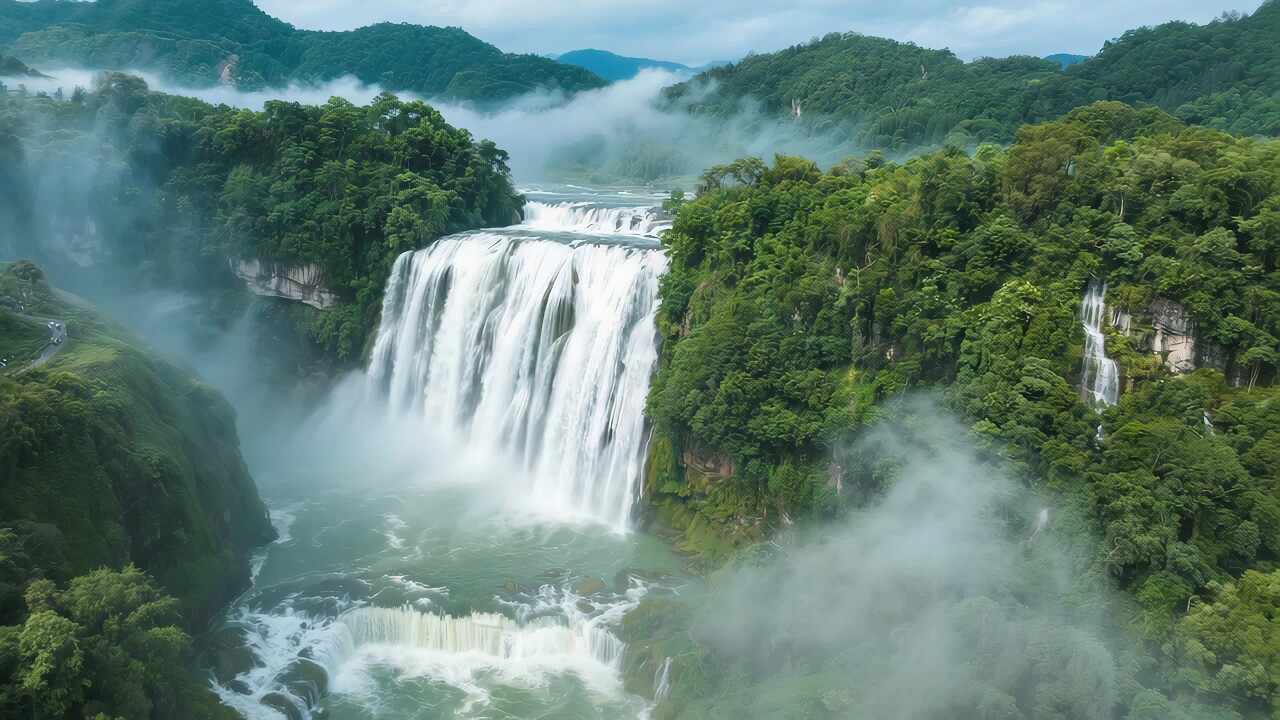
Huangguoshu Waterfall. A full day at Asia's largest waterfall — 77.8 m tall, 101 m wide — plus the Water-Curtain Cave behind the falls. See our dedicated Huangguoshu guide.
Guiyang's essential sights, each with practical details. Prices are reference rates — always confirm at the gate or with our booking team.
Guiyang's emblem: a three-tiered pavilion built on a rock in the Nanming River, first raised in the Ming Dynasty and rebuilt in its present form in 1909. The Floating Jade Bridge links it to the shore, and the gardens around it — Cuiwei Pavilion and the gallery of famous paintings — complete the classic Guiyang picture.
| Admission | ¥4 (reference) |
| Hours | 8:00–18:00 peak season; 8:30–17:30 off-season |
| Address | 8 Cuiwei Lane, Nanming District, Guiyang |
| Getting there | Bus to Jiaxiu Tower stop, then a short walk |
| Phone | +86 851 6818 436 |
| Best season | All year; most photogenic at dusk & night |
Guizhou's most beloved urban park — ancient forest, the clear Qianling Lake, the Hongfu Temple (a major Buddhist site since the Qing), and wild macaques that have made the Nine-Bend Path their own. Peak season crowds mix with hikers and temple-goers, all for ¥5.
| Admission | ¥5 (reference) |
| Hours | 7:00–18:00 (varies by season) |
| Address | 117 Zaoshan Road, Yunyan District, Guiyang |
| Getting there | Bus to Qianling Park stop; also a tourist bus stop opposite for day trips |
| Phone | +86 851 6862 001 |
| Best season | All year; spring & autumn clearest |
Founded in 1378 and one of Guizhou's four great ancient towns, Qingyan is a fortified hill town of slate lanes, Ming–Qing temples and carved stone gateways. Sample rose-sugar sweets, the "champion's hoof" braised trotters, and the town's famous golden melons engraved with lucky characters.
| Admission | ≈ ¥34 peak / ¥30 off-season (reference) |
| Hours | All day (ticket office ~8:30–17:30) |
| Address | Qingyan Town, Huaxi District, Guiyang (29 km south) |
| Getting there | Bus 38 from Hebin Park suburban station; or Guiyang–Huishui / Guiyang–Gaopo buses via Qingyan |
| Phone | +86 851 3200 400 |
| Best season | March – November |
Karst scenery in miniature: more than twenty calcite terraces string together dozens of caves, with rivers flowing above and below ground, natural stone bridges and cave lakes you can boat through. The Wolongtan calcite falls are among the widest in China.
| Admission | ≈ ¥50 peak / ¥40 off-season (reference) |
| Hours | 8:00–17:30 |
| Address | Shiban Town, Huaxi District, Guiyang |
| Getting there | Bus 211 from Hebin Park, Guiyang |
| Phone | +86 851 6811 666 |
| Best season | April – October (water at its fullest) |
An 18.4 km karst canyon with a 218 m drop — waterfalls, cliffs and wild scenery through the gorge. Rafting season roughly May–October.
One of China's eight most famous hot springs — water at 53–56°C, rich in minerals and radon, in a green river valley an hour north of the city.
The Buyi people's great summer festival: tens of thousands gather along the Huaxi River to sing mountain songs, blow reed flutes and court their sweethearts on the water.
Miao men and women in full festival dress crowd the Fountains Square in the city centre — reed-pipe music, mountain songs and Miao dancing for their own New Year festival.
Most of Guizhou's best hotels sit in Guiyang, from ¥40 hostel beds to the five-star Sheraton Guihang. Stay near Zhonghua Road, the Fountains Square or the Hebin riverside for the easiest sightseeing. Our team books any of these for you free of charge.
Run by backpackers for backpackers — a relaxed, social base near Jiaxiu Tower, the Minority Culture Palace, Wenchang Pavilion and the snack streets.
In the heart of the shopping district — 100 m from the Fountains Square and the snack streets, 7 minutes from the airport bus stop and railway station.
Just off the liveliest shopping and food strip — a smart two-star with clean rooms and a 19:00–04:00 night-market world on your doorstep.
Fully fitted apartments with themed rooms — warm, roomy and convenient for families or longer stays.
A four-star with good value, decent breakfast and easy transport links in the Yunyan business area.
The city's five-star benchmark, in the most central commercial quarter and 15 minutes from the airport.
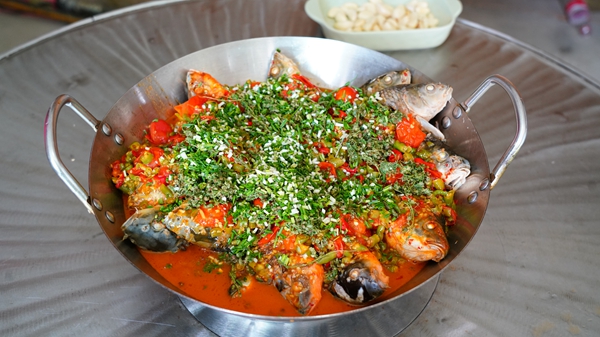
Guiyang cooking is "numbing and spicy" with a sour streak of its own: sour fish soup (a Miao classic), changwang noodles with pig-intestine broth, siwawa fresh-roll parcels, tofu balls, crispy duck and the bean-rice hotpot that only Guizhou cooks can make. From 19:00, the night markets take over.
The place everyone names first: wild fish cooked in a sour-soup base brewed from tomatoes, fermented chillies and local herbs — a Miao original. Arrive early; it queues daily.
Guiyang's signature breakfast: egg noodles in a glossy red broth with pig intestines, tender blood tofu and fried pork cubes — spicy but not brutal. Gold Medal Luo Ji is the local favourite.
Hand-pressed rice skins wrapped around fresh vegetables and fried beans, dipped in Guizhou's numbing chilli sauce — shaped like swaddled babies, hence the name. Follow with Lei Family tofu balls and crispy duck.
Qingyan's braised pig's trotters — named after the town's imperial exam champion Zhao Yijiong, who loved the night-market version. Glossy, tender and rich, best eaten at the old-town stalls.
"The number one night market street of Guiyang" — 170 stalls of snacks, grills and late-night energy since the 1990s, under the Fountains Square golden glow.
Siheyuan (traditional courtyard dining, ¥40), Zhuyi hotpot, Qian Mushroom seasonal restaurant (+86 851 6814 000) and Liu Yi Shou grilled fish on Qingyun Road all make our fuller list.
Longdongbao International Airport (贵阳龙洞堡国际机场), 12 km from the centre — about 15 minutes by car and 20 by airport shuttle.
Guiyang is Guizhou's transport hub, with trains to Chongqing, Chengdu, Kunming and beyond — and tourist trains linking the province's sights.
The Jinyang temporary bus station gathers most long-distance routes — the simplest way to Qingyan, Huaxi, Xifeng and beyond.
Cheap and everywhere: most buses ¥1 (front boarding, exact change), suburban routes ¥2, and 30+ minibus lines at ¥1.2.
¥8 start with a ¥1 fuel fee covers the first 3 km — but flagging one down can take a while, and fares vary wildly on congested routes.
Most of Guiyang's highlights lie outside the city — a car or charter ties Tianhetan, Qingyan and Huangguoshu into one efficient loop.
Batik (wax-dyed cloth) is Guizhou's art form — Guiyang artists have merged the traditional craft with modern painting into museum-grade panels. Tea: Duyun Maojian, Zunyi Maofeng and local Zhao Si tea from the city's own hills. Chillies: the fine, fiery Pingsha and Dangwu peppers behind Lao Gan Ma sauce. Also: Qingyan rose-sugar, cili (rose hip) — the "king of vitamin C" — and plateau herbs like Eucommia and Gastrodia.
Qian Yi Bao (159 Beijing Road, near the Provincial Museum): minority handicrafts and fossils, often with tour groups. Qian Cui Xing: Miao embroidery, silverware and batik — authentic but not cheap. Nan Guo Hua Jin mall on Zhonghua South Road: young fashion brands with a lively food floor. Fountains Square district: snack streets and souvenir shops all around.
Guiyang Medical University Affiliated Hospital, 28 Guiyi Street · +86 851 6855 119. Guizhou Provincial People's Hospital, 83 Zhongshan East Road · +86 851 5922 979. Medical help hotline: 96999 (within Guiyang). For emergencies dial 120; for police 110.
Tourism complaints: +86 851 12301. Guiyang Tourism website: gytour.cn · Airport: gyairport.com · Airport enquiry: +86 851 5498 908. Banks and ATMs are everywhere; museums are free and mostly close Mondays.
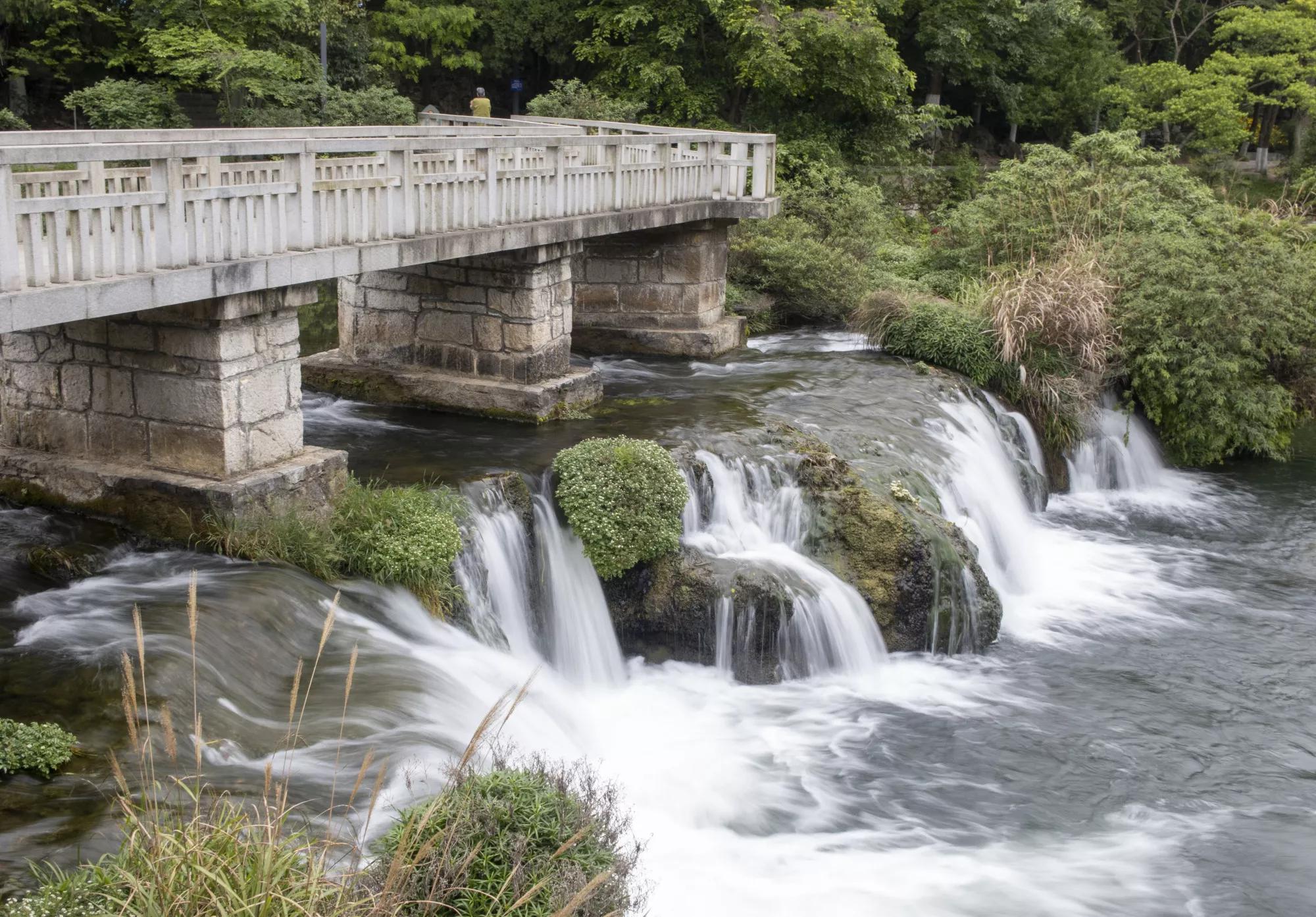
Morning boat tour of Hongfeng Lake — forested islands, Dong and Miao villages, and red maples in autumn — then a gentle afternoon at Huaxi Park, Guizhou's "plateau pearl", where the "love river" runs over stepped weirs and under old bridges.
More Guiyang day tripsAsia's largest waterfall, 77.8 m high and 101 m wide, with a cave corridor running behind the curtain of water. Two hours by expressway from Guiyang — the classic Guizhou day trip.
Huangguoshu travel guideGuiyang is mild but moody: a light jacket for mornings and evenings, and a compact rain shell — sudden showers are common and cool the air fast.
"请不要辣" — most kitchens will tone dishes down on request. For a gentler start, try cold noodles, rice tofu, yellow cake and rose-sugar sweets.
Hequn, Shaanxi and Qingyun roads switch on around 19:00 and run past midnight. Pace yourself: siwawa first, grills next, sour fish to finish.
Flagging one down in rush hour can take a while and the fare can swing. Use ride-hailing apps if you have them, or pre-book through your hotel and our team.
Guiyang's UV peaks briefly at noon (intensity 4). A hat and sunscreen are worth carrying even in the "cool capital".
Guiyang sits in the central-Guizhou hill country on the divide between the Yangtze and Pearl river systems — mountains and basins, 1,000–1,700 m above sea level, with the Nanming River threading 70% of the city. Its mild monsoon climate averages 15.3°C a year with summer highs around 23–28°C: genuinely "no scorching heat, no bitter cold, no dry air, no sandstorms."
In the Spring-and-Autumn era the area belonged to the Zangke state, later to the Yelang kingdom of legend. The name "Guizhou" appeared under the Song; in 1413 (Ming Yongle 11) Guizhou became a province and Guiyang its seat — political, military, economic and cultural centre ever since. The city was liberated on 15 November 1949.
Guiyang is the meeting point of Han, Miao and Buyi worlds — the April 8 Miao festival and the June 6 Buyi song festival both draw tens of thousands within the city limits. Minorities shape the food (sour fish, rice wine, fermented chillies) and the crafts (batik, silver, embroidery) that fill every souvenir shop.
Everything on ToursChinaTravel is bookable through our team by email or WhatsApp. Here's where each part of your Guiyang trip lives on the site.
Star-rated sight details — hours, tickets, phones and travel tips for every Guizhou attraction.
Browse Guizhou sights699 star-rated hotels in Guizhou, sorted by rating — five-star first, all bookable by our team.
Book a Guiyang hotelRoutes, airlines and schedules for Longdongbao International Airport and the region.
See China flightsLicensed Guizhou travel agencies with addresses, phones and booking contacts.
Find a Guiyang agencyBatik, tea, chillies and plateau herbs — where each is made and where to buy it.
Browse Guizhou specialtiesDalian, Harbin, Shenyang, Libo, Huangguoshu and more — city by city, in one place.
Browse all guides