Dunhuang and the Silk Road: The Complete Desert Oasis Travel Guide
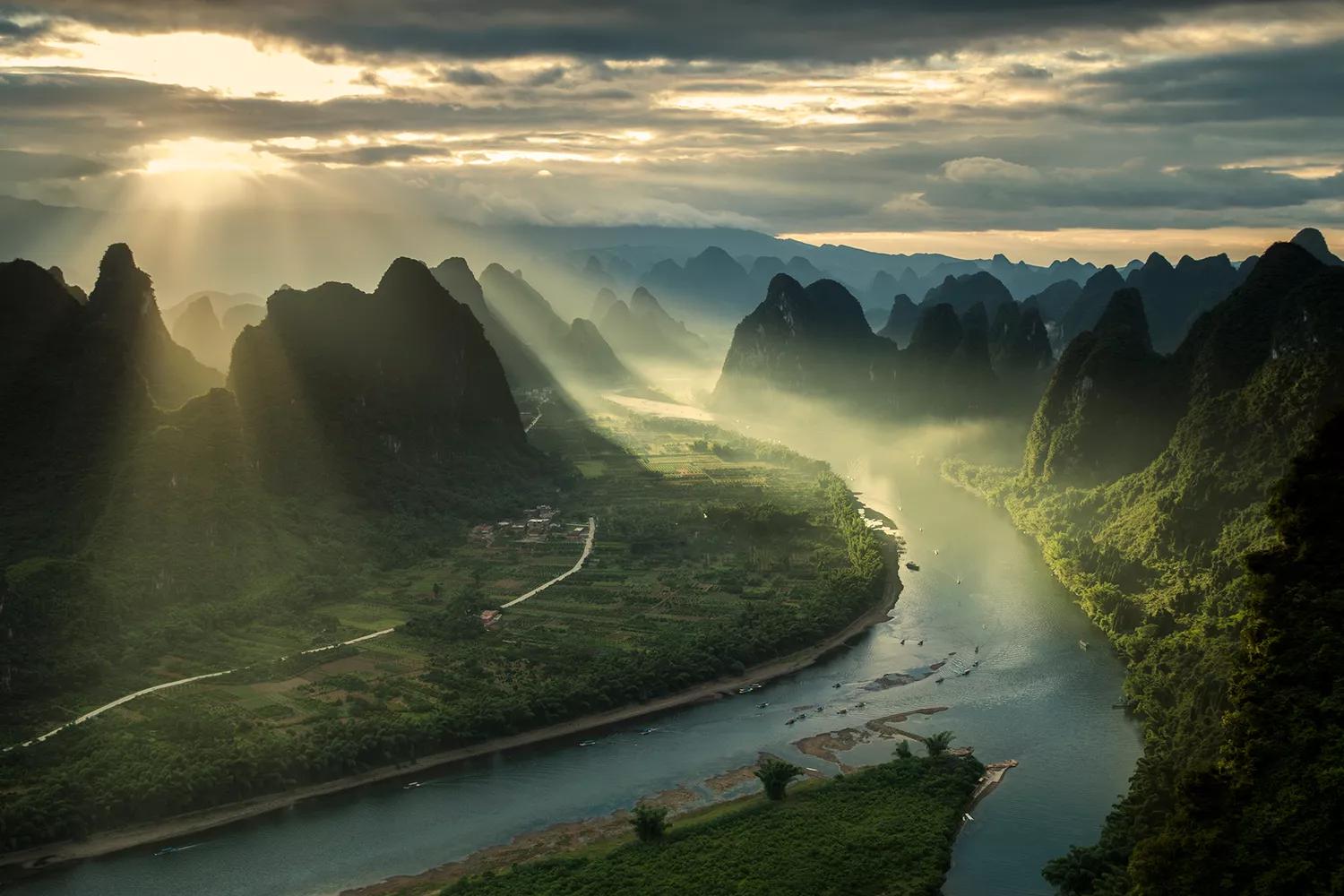
Dunhuang is the Silk Road's great oasis — the desert crossroads where, for a thousand years, the caravans of the East and the West met, traded and prayed, and where the world's greatest Buddhist art was painted into the cliffs. The city's treasures are the deepest in China: the Mogao Caves' thousand-year murals, the Singing Sand Dunes' desert music, the Crescent Lake's blue eye in the sand, and the ruined passes of the old frontier. The experience is unlike anything else in the country — the desert light, the cave art's gold and azure, the history's scale — and the planning is simple if you respect the desert and the caves' rules. This guide covers the essential sights, the 3-day plan, the seasons, the costs and the practical details of the Gobi's greatest oasis.
The Mogao Caves: The Thousand-Buddha Cliff, Explained
The Mogao Caves — the 'Caves of the Thousand Buddhas' — are China's greatest artistic treasure and one of the world's most important sites of Buddhist art. Between the 4th and 14th centuries, the oasis's monasteries and patrons carved 735 caves into the cliff face and covered them with murals (45,000 square metres) and painted sculpture (2,400 figures) — the continuous record of a thousand years of faith, trade and cultural exchange, sealed by the desert's dryness and lost to the wider world until the early 20th century. The caves' story is the Silk Road's story: the Indian and Central Asian styles meeting the Chinese, the wall paintings of the donors, the monks and the kings, the famous Library Cave (Cave 17) with its 50,000 manuscripts — the discovery that rewrote the understanding of the Silk Road. The visit: the entry is by timed tour only (the caves are a protected UNESCO site since 1987 — the group tours visit 8–10 caves with the official guides, the flash photography is forbidden, and the advance booking is essential). Allow 3 hours for the caves and the museum; the experience is the deepest hour in Chinese travel.
The Singing Sand Dunes and the Crescent Lake: The Desert's Show
The desert at Dunhuang's edge delivers the region's most theatrical landscape: the Singing Sand Dunes (Mingsha Shan) — the 100-metre dunes that 'sing' (the sand's sliding hum in the wind, the phenomenon that names them) — and the Crescent Lake (Yueyaquan), the spring-fed pool lying in the dunes' curve, its water blue against the gold for a thousand years. The experiences: climb the dunes for the sunset (the ridge's view over the lake and the desert sea, the most photographed scene in the region — allow 40 minutes up and the reward is the light); ride the camels (the caravan lines crossing the dunes, the classic Silk Road image — 100 RMB per person for the loop); sandboard or slide; and walk the lake's rim at the last light. The practicals: the entry 110 RMB, the dunes are a 5–10 minute drive from the city, the sunset is the prime time (the crowds gather — arrive 2 hours before), and the sand's song is real (the dry-season sliding and the wind carry it). The night version: the desert camping and the stargazing (the Gobi's dark sky, the Milky Way over the dunes — the region's most magical evening).
The Frontier: Yumen Pass, the Great Wall and the Desert Roads
The Silk Road's frontier is Dunhuang's history in the open air. The Yumen Pass (the 'Jade Gate' — the westernmost gate of the Great Wall system, where the caravans left China and the poets wrote their farewells, 90 km northwest of the city) stands as its ruined watchtower in the desert, its name still carrying the poem that every Chinese schoolchild knows: 'Why should the jade flute complain of the willows of spring? The spring wind never reaches the Yumen Pass.' The Yangguan Pass (the 'Sun Gate', 70 km southwest — the other great farewell gate, with its ruined beacon and the desert view) and the Han Dynasty Great Wall (the rammed-earth frontier wall marching into the Gobi) complete the frontier circuit. The practicals: the passes are a full day (the desert roads, the ruins, the silence — a private car or the organized tour, 400–800 RMB), the entry is modest (the Yumen 40 RMB, the Yangguan 50), and the best time is the morning light or the late afternoon. Stand at the Yumen's watchtower and the whole Silk Road legend — the caravans, the poems, the frontier — is at your feet.
Beyond Dunhuang: The Silk Road's Greater Loop
Dunhuang is the pivot of a greater Silk Road itinerary that rewards the extra days. The natural extensions: Jiayuguan (the 'First Pass Under Heaven' — the Ming frontier fortress at the Great Wall's western end, 3–4 hours east by road or rail, a full-day add-on with the fortress and the overhanging wall); Zhangye (the 'Rainbow Mountains' — the Danxia landform's technicolor ridges, 5–6 hours east, one of China's most extraordinary landscapes); and the corridor's other stops (the Jiayuguan passes, the Wuwei and the Liangzhou culture, the Lanzhou terminus with its hand-pulled noodles). The western route runs the other way: across the Gobi toward the Xinjiang oases (Hami, Turpan, Urumqi) — the deeper Silk Road for the adventurous. The classic Gansu loop: Lanzhou → Zhangye → Jiayuguan → Dunhuang, 4–6 days by high-speed rail and road, the corridor's full arc. And the flight connections (Dunhuang airport, with the direct routes to Lanzhou, Xi'an, Beijing and Chengdu) make the oasis a clean stop in any western itinerary.
Best Time to Visit: The Desert's Seasons
Dunhuang's desert climate runs on extremes, and the timing shapes the visit. The golden windows: May–June and September–October — the warm days (20–30°C), the cool nights, the clearest skies and the best light; the September–October window adds the autumn's golden tones. July–August is the desert's furnace (35–45°C on the dunes, the noon sun brutal — the mornings and the evenings are the walking hours, and the cave tours' air-conditioned interiors the refuge). Winter (November–March) is the desert's cold silence: the days crisp (0–10°C), the nights freezing, the caves open (the reduced schedule), the crowds gone and the prices halved — the connoisseur's window for the photography and the emptiness. The Chinese holidays (the National Day week above all) bring the corridor's crowds; the rest of the calendar rewards the flexible. The one universal rule: the desert's sun and dryness demand the hat, the sunscreen, the water and the lip balm in every season.
Dunhuang Food and the Oasis Table
Dunhuang's food is the northwest's honest table — wheat, lamb, and the desert's larder — and the oasis delivers its own specialities. The essentials: Lanzhou hand-pulled beef noodles (the region's signature breakfast — the clear broth, the hand-pulled ribbons, the chilli oil); the lamb dishes (the cumin lamb skewers, the hand-grabbed lamb of the northwest, the lamb soup); the Shachou (the 'Sand City') specialities — the donkey meat noodles (the local fame, a surprising delicacy), the apricot peel water (the desert's cool drink, made from the local apricots), the gourd soup, and the 'desert vegetables' (the sand-grown greens); and the night market (the Shazhou Night Market — the skewers, the dried fruit, the jujubes, the desert's sweet dates). The eating rules: the northwest is wheat-and-mutton country (the vegetarians order the noodles' vegetable versions), the food is robust and generous, and the apricot products and the jujubes are the souvenirs that taste of the oasis.
Costs and Practicalities: The Honest Numbers
Dunhuang is a modestly priced destination with the cave bookings as the main planning item. The numbers: the Mogao Caves 238 RMB (the standard tour; book online 7–14 days ahead in the seasons — the daily capacity is limited and the summer sells out), the dunes 110 RMB (the camel 100, the camping 150–300), the passes 40–90 RMB, the Jiayuguan extension 120 RMB, and the local transport (the city is small — the taxis and the Didi app cover everything; the frontier day-trip with a driver 400–800 RMB). The hotels: the city's mid-range 250–500 RMB, the desert-camp options 200–400, the few boutique properties more. The food: 60–120 RMB per person per day at the good restaurants and the market. The complete 3-day visit: 1,500–2,500 RMB per person excluding the flights. The practicals: the airport and the railway connect to Lanzhou, Xi'an, Beijing and Chengdu; the city is small, safe and walkable; and the desert's preparation — the water, the sun protection, the warm layer for the night — is the only real gear.
A Perfect 3-Day Dunhuang Plan
| Day | Plan | Notes |
|---|---|---|
| 1 | Mogao Caves morning tour; the museum; the city's evening (night market) | The caves' deep hour |
| 2 | Singing Sand Dunes: camel ride, the ridge sunset, the Crescent Lake | The desert's show |
| 3 | Yumen Pass, Yangguan and the Han Great Wall frontier day; departure | The frontier's poetry |
The three-day plan delivers the trilogy — the caves' art, the dunes' theatre and the frontier's history — with the oasis city as the comfortable base. Add a fourth day for the Jiayuguan fortress or the Zhangye rainbow mountains (the corridor's extensions), or turn the plan into the week-long Gansu loop (Lanzhou → Zhangye → Jiayuguan → Dunhuang) for the full Silk Road arc. The alternative pacing: the desert sunset on the first night (the light is the desert's gift), the caves on the second morning (the deep concentration after the dunes), and the frontier as the finale — the order that builds.
The Final Word: The Oasis Where the World Met
Dunhuang is the place where China's story meets the world's — the oasis where the caravans of a thousand years left their art in the cliffs, their names on the frontier and their poems in the wind. Between the Mogao caves' azure and gold, the dunes' singing and the Crescent Lake's blue, and the Yumen Pass's ruined watchtower under the desert sky, the oasis delivers the deepest hour in Chinese travel — the hour when the Silk Road stops being a phrase and becomes a place. Come in the golden seasons, book the caves ahead, and let the desert's light do the rest. Our Dunhuang guides and the Silk Road itineraries carry the full depth of the journey.
The Silk Road Story: Dunhuang in the World's Trade
Dunhuang's greatness is the story of the Silk Road itself — the oasis at the desert's edge where the trade routes of Asia converged, and where the world's goods, ideas and faiths passed through the gates of China. The caravans came from Chang'an (the eastern terminus) and from Samarkand, Baghdad and beyond (the western routes); the goods were the silk, the jade, the horses, the spices, the glass and the gold; and the ideas were the greater cargo — the Buddhism that entered China from the west, the arts and the sciences that moved both ways, and the cultures that met in the oasis's markets, monasteries and grottoes. The Mogao caves' murals are the visual record: the donors from the oasis's families and the foreign merchants in their different robes, the Central Asian styles blending with the Chinese, the Buddhist heavens painted in the gold and azure of the trade. The Library Cave's manuscripts — the Buddhist sutras, the secular documents, the multilingual contracts and letters — are the archive of this meeting, preserved by the desert and rediscovered in 1900, and the study of them created the modern field of Silk Road scholarship. Walk the caves with this story, and every figure in every mural is a traveler on the road you are following.
The Desert Landscape: Dunes, Oases and the Gobi
Dunhuang's landscape is the trip's third character — the desert that made the oasis and the art. The geography: the oasis sits where the Shule River's waters reach the Gobi's edge, the 20-km green belt supporting the city, and the Singing Sand Dunes rising at its border — the dunes themselves are the product of the wind piling the desert's sand against the oasis's edge, and the 'singing' is the sand's sliding hum, a phenomenon of the dry, quartz-rich grains. Beyond the oasis: the Gobi's gravel plains stretch to the horizon in every direction, the Han Great Wall's rammed-earth line marches across them, and the Yumen and the Yangguan passes guard the two roads through the desert — the old route west and the southern route to the mountains. The desert's beauty is its severity: the light's clarity, the silence, the scale — and its weather, from the summer's furnace to the winter's freezing nights. The practical relationship: the desert is the reason the caves survived (the dryness preserved the murals) and the reason the oasis matters (the water made the civilization). Between the dunes' gold, the Gobi's gray and the oasis's green, the landscape tells the story that the caves paint.
Dunhuang with Kids and the Slow Traveler
Dunhuang works for the family and the slow traveler alike, with the desert as the universal teacher. The families: the camel rides and the dunes' sliding (the children's desert playground), the Crescent Lake's shallows, the cave tours' stories (the guides' tales of the monks and the painters), the night market's skewers and sweets — the oasis is safe, compact and endlessly entertaining. The slow traveler: the desert camping and the stargazing (the Gobi's dark sky), the caves' second visit (the timed ticket allows one entry — the museum's full collections and the replicas reward the extra hours), the oasis's tea houses and the dried-fruit markets, and the frontier's empty hours (the Yumen Pass at dawn, the silence the reward). The photographers: the dunes' light (the sunrise and the sunset are the desert's shows), the caves' exteriors and the museum's collections, the frontier's ruins under the long shadows, and the night sky over the sand — the region's richest frames. The desert slows everyone down; the oasis is the place to let it.
Dunhuang FAQ: The Everyday Answers
Can I visit the Mogao Caves without booking ahead? The daily capacity is limited and the summer sells out — booking online 7–14 days ahead is the practical rule; the off-season walk-ins sometimes succeed, but the guarantee is the advance reservation. Is the desert safe to walk? The dunes are safe on the marked routes with the water and the sun protection; the frontier ruins need the car and the driver; the desert camping needs the organized operators. Can I combine Dunhuang with the rest of Gansu? Yes — the corridor's high-speed rail and roads link Lanzhou, Zhangye, Jiayuguan and Dunhuang in a 4–6 day loop, and the flights connect the oasis to the country's hubs. What about the altitude and the dryness? The city sits at 1,140 metres (mild), the dryness is the real condition — the water, the lip balm and the moisturizer are the essentials. And the one rule: the desert's light is the trip's treasure, so the mornings and the evenings are the hours to spend outdoors.
The Corridor's Craft: What to Buy in Dunhuang
Dunhuang's markets hold the Silk Road's souvenirs, and the honest shopping is part of the trip. The specialities: the desert's dried fruit (the apricots — the famous Dunhuang apricots, the 'Li Guang' apricot of the oasis — the jujubes, the raisins of the corridor, the dates); the crafts (the Mogao-themed books and reproductions from the official museum shop — the finest and the fairest, the mural-print scarves and the cave-motif gifts); the Gansu products (the Longnan tea, the corridor's wine, the Hexi's lavender and the wolfberry of the region); and the practical souvenirs (the camel-hair crafts, the desert-sand art). The shopping rules: the museum's shop is the trustworthy source for the cave art; the night market's stalls are the place for the dried fruit and the small gifts (the bargaining is gentle — offer 60–70%, settle around 80%); and the heavy or the fragile items (the stone, the large books) ship home or stay behind. The souvenirs that taste of the oasis — the apricots, the jujubes, the tea — are the ones the travelers remember.
Frequently Asked Questions
What is the best time to visit Dunhuang?
May–June and September–October are the golden windows (warm days, clear skies, the best light); July–August is the desert's furnace (35–45°C — go early and late); winter is cold, empty and halved in price. The National Day week is the annual crowd peak.
How much do the Mogao Caves cost and do I need to book?
The standard tour is 238 RMB with a timed entry — booking online 7–14 days ahead is essential in the seasons (the daily capacity is limited and the summer sells out). The tours visit 8–10 caves with an official guide; photography is forbidden inside.
How do I get to Dunhuang?
Fly (the airport connects to Lanzhou, Xi'an, Beijing and Chengdu) or take the high-speed rail from Lanzhou (about 4 hours along the corridor). The city is small, safe and walkable, with taxis and the Didi app covering the local transport.
How many days do you need in Dunhuang?
Three days covers the essentials (the caves, the dunes and the frontier); four to five adds the Jiayuguan fortress and the Zhangye rainbow mountains; a week runs the full Gansu corridor loop from Lanzhou.
Is Dunhuang worth the journey?
Yes — it is one of China's most rewarding destinations: the Mogao Caves are the country's greatest artistic treasure, the Singing Sand Dunes one of its most theatrical landscapes, and the Yumen Pass the Silk Road's most poetic ruin. The desert light alone is worth the trip.
Plan this trip with our China team
Tickets, hotels, trains and local arrangements — free booking help, reply within hours.