>
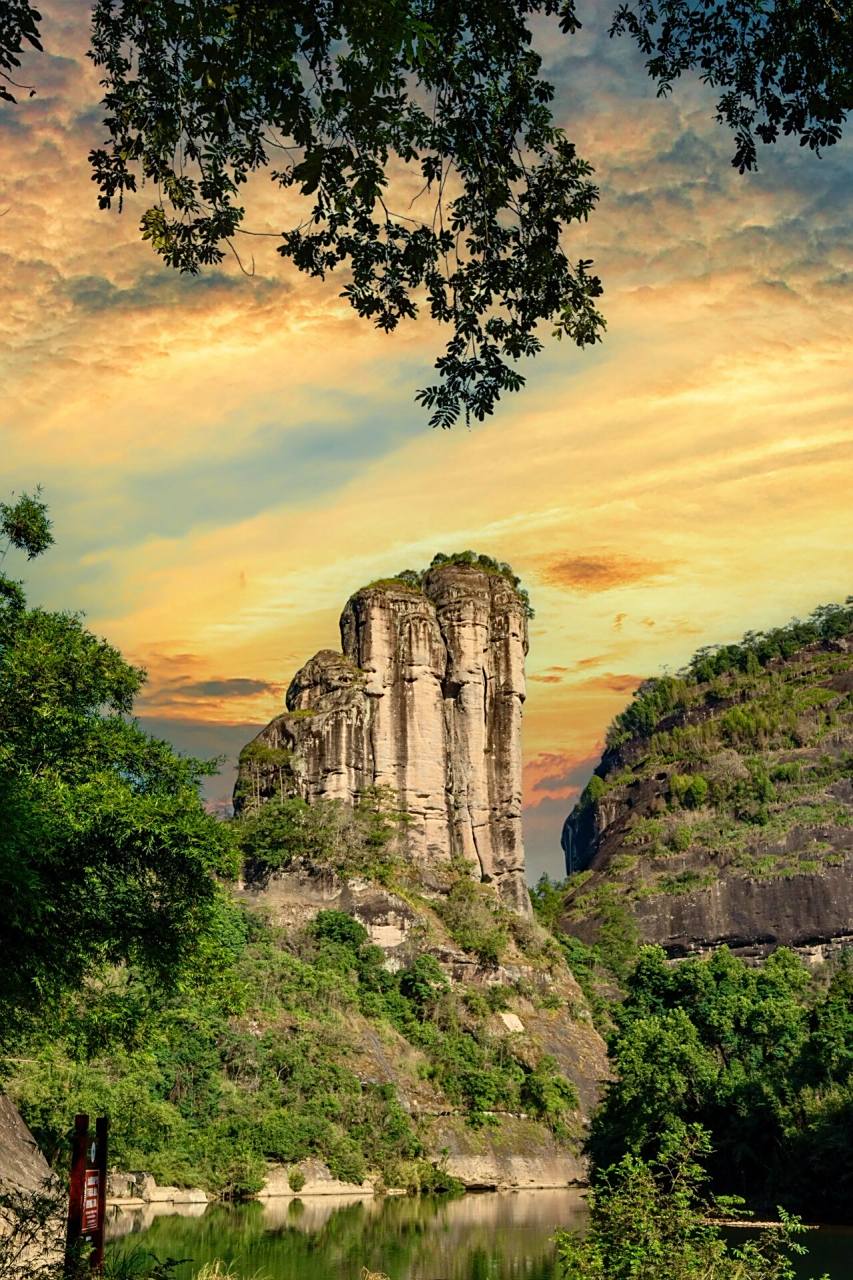
'Clear as jade are the three-fold waters, green as pins are the six-six peaks' — a Danxia landscape of crimson cliffs and one winding stream, floated on bamboo rafts, crowned by Tianyou Peak's sea of clouds, and scented by the thousand-year-old Dahongpao tea bushes of Fujian.
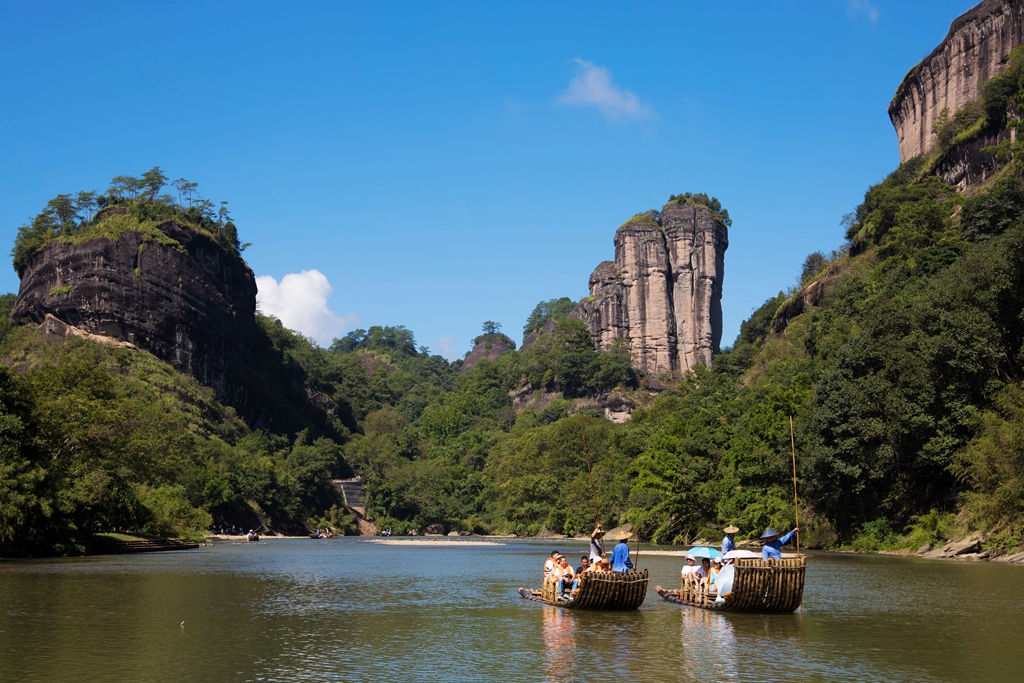
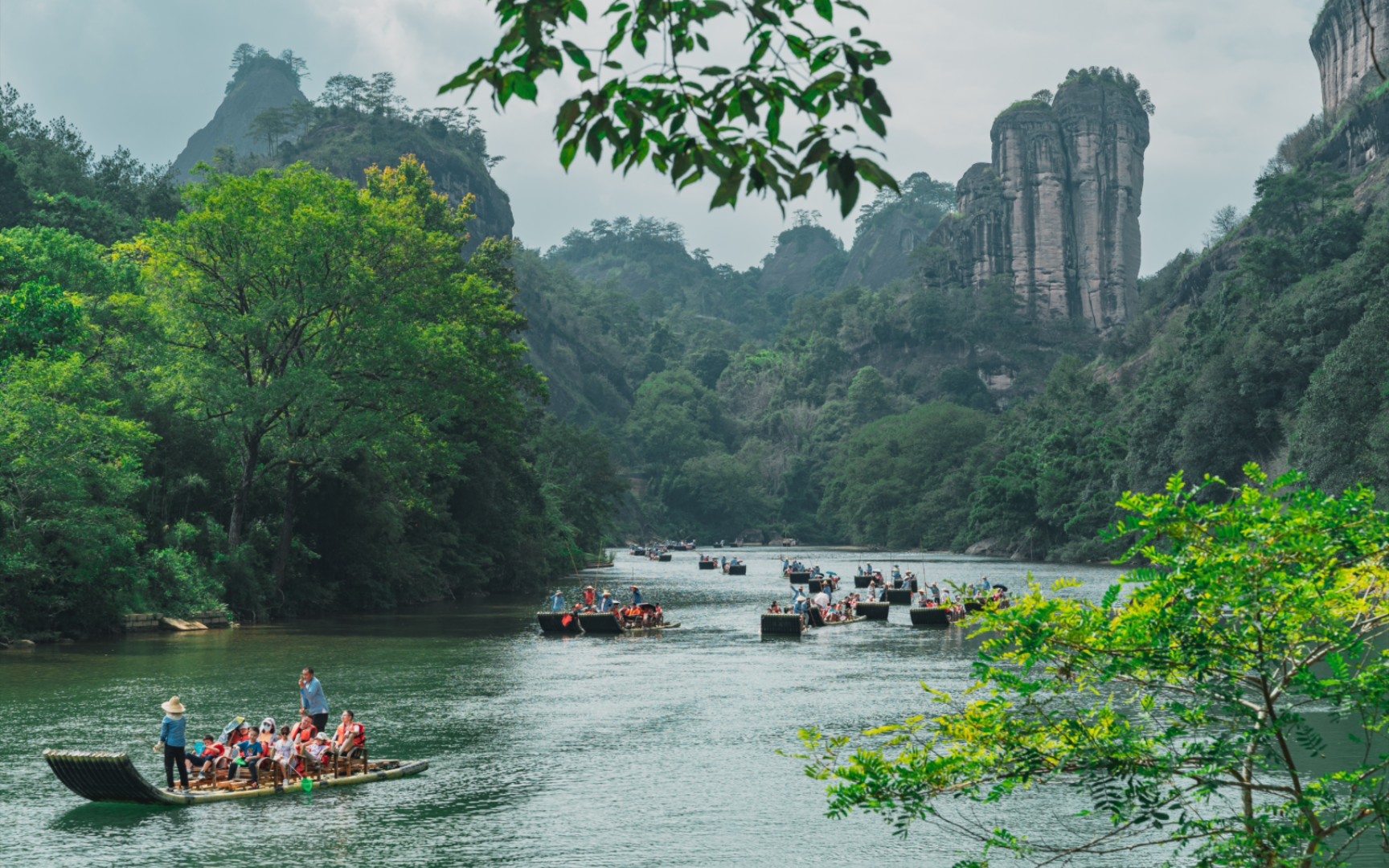
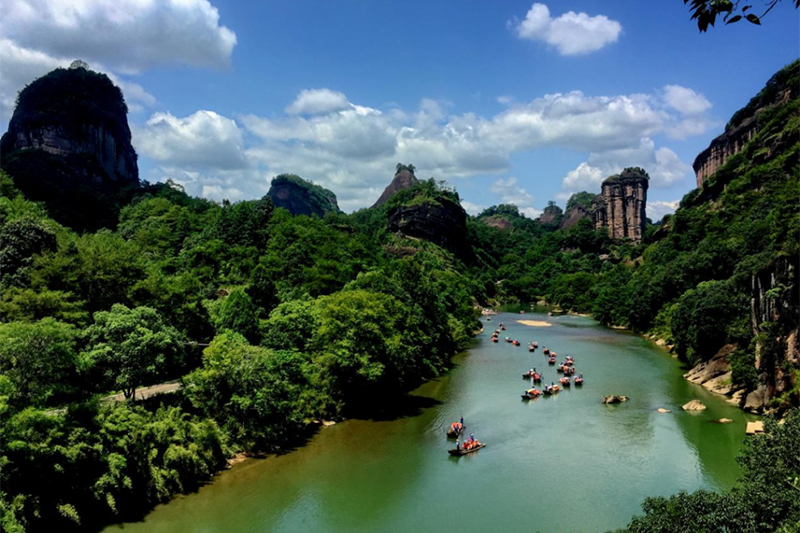
Wuyishan's very soul: a jade-green stream that curls through the red cliffs in nine bends. Sit back on a bamboo raft from Xingcun Dock for about an hour and a half, count the bends, and let the boatman point out the boat coffins in the cliff caves above.
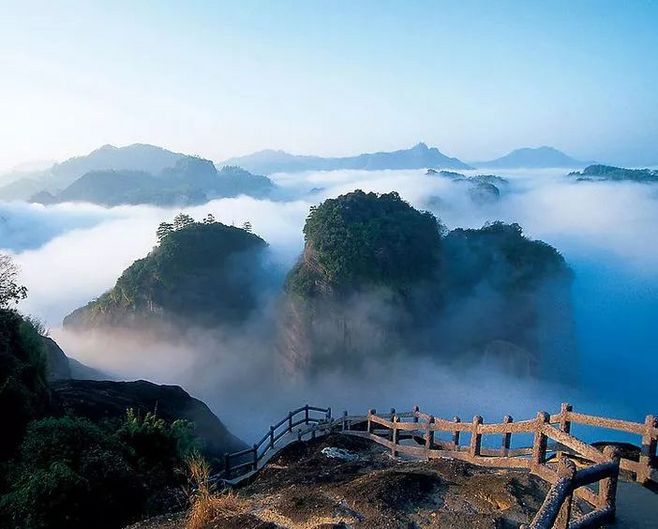
The first sight of Wuyishan — climb to the lookout where the stream loops on three sides. On a good morning the peaks float in a white cloud sea, 'like a celestial palace', as Xu Xiake wrote in his travels.
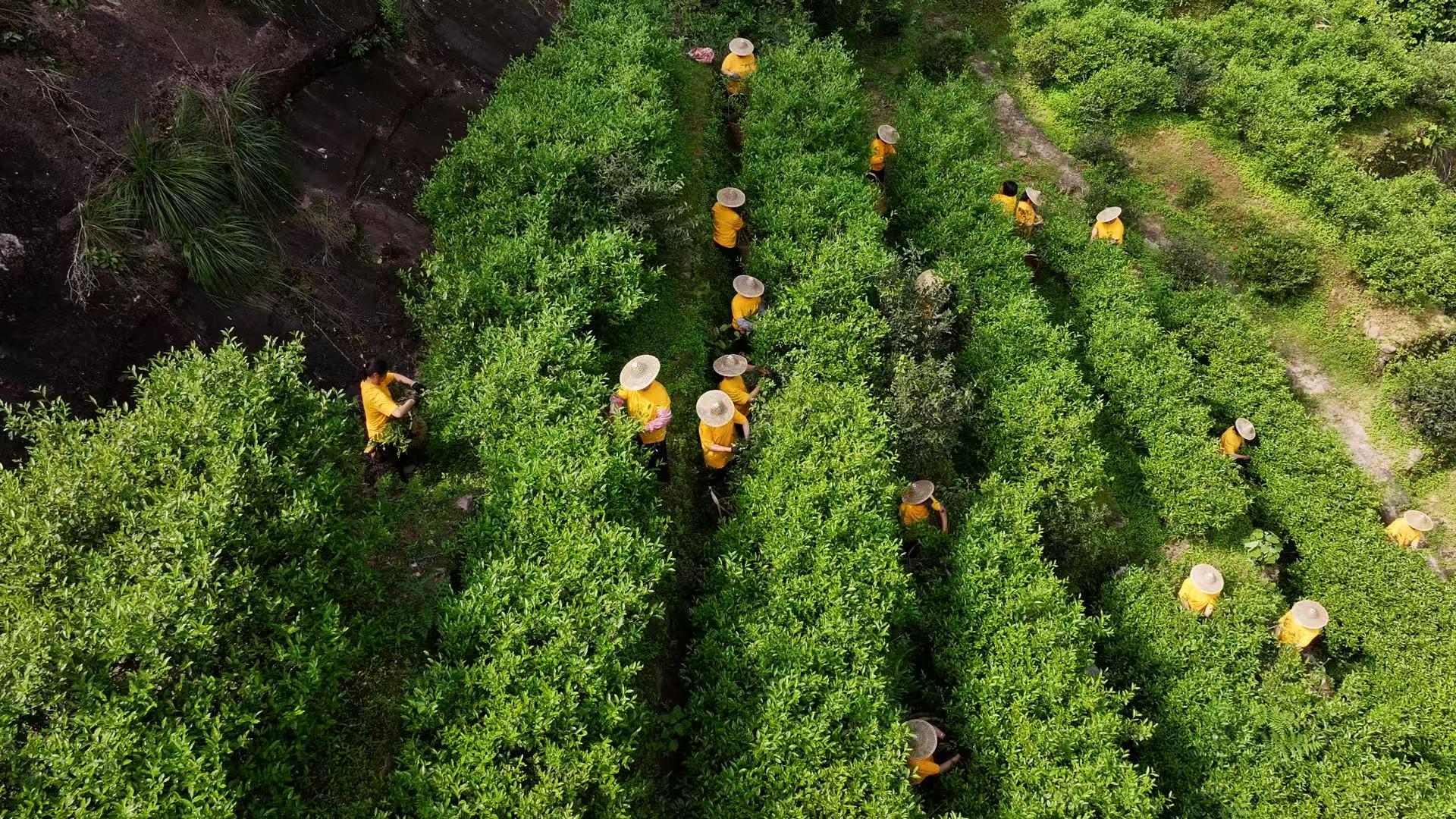
Just six mother bushes, over a thousand years old, cling to the Jiulongke canyon wall — the most expensive tea trees on earth. Walk the stone path through the canyon's tea gardens to stand beneath them.
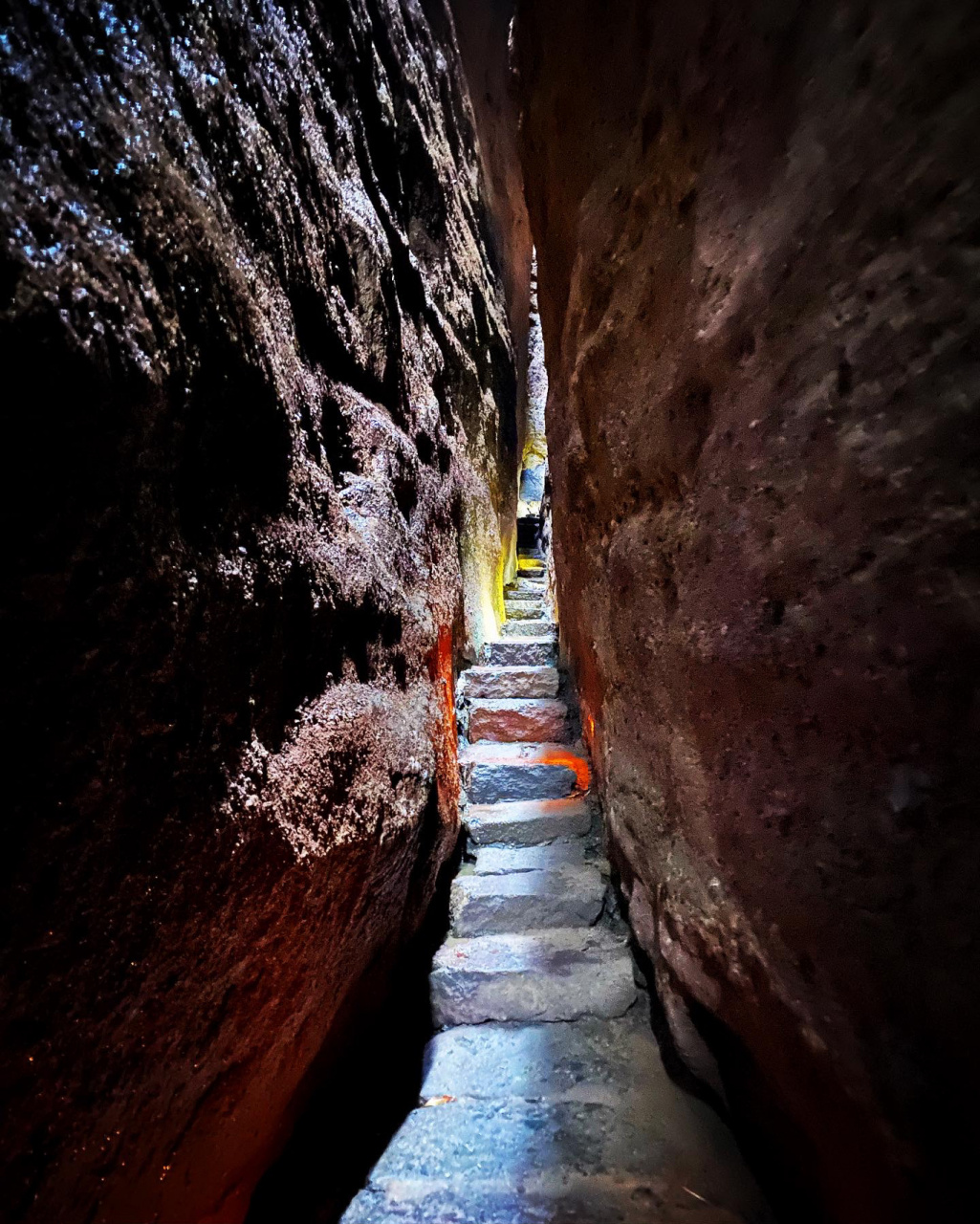
Inside the Fuxi Cave the rock roof splits like a blow-axe cut, less than a foot wide and a hundred metres long, with a single ribbon of sky above. Come with a torch — and if you are broad-built, take it slowly.
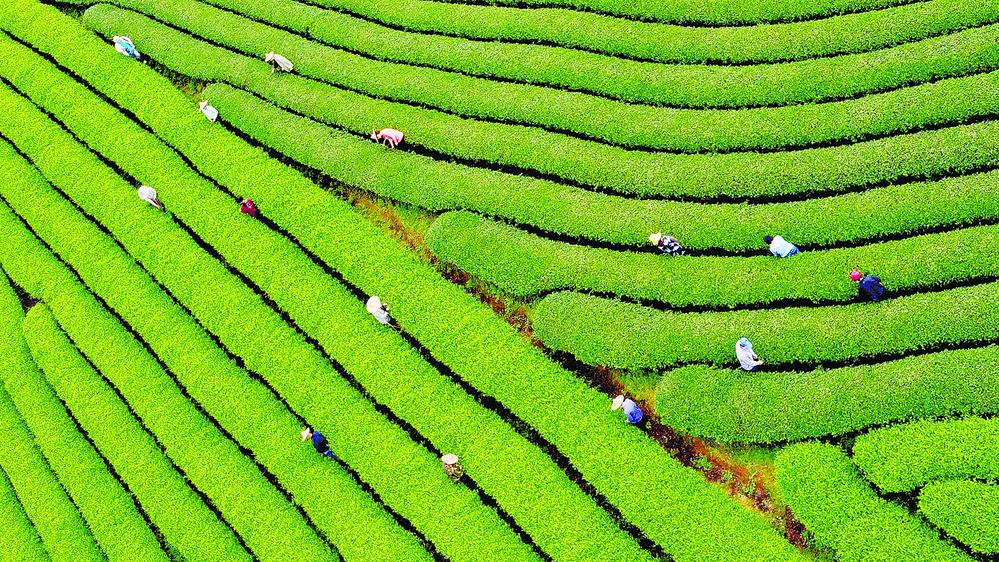
Wuyi rock tea is 'rock bone with floral fragrance'. Sit in a tea garden among the green bushes and taste cinnamon (rougui), narcissus (shuixian) and dahongpao — the tea the whole region is built around.
Langu smoked goose, springy street ke breakfast, fig jelly for a hot afternoon and green Qingming grass cakes — the mountain flavours of northern Fujian, best eaten on West Street in the resort.
The stream rises on the south-west flank of Huanggang Peak and winds east through the scenic area, folding itself into nine bends — hence the name. A bamboo raft from Xingcun Dock (¥100 + ¥2 insurance) takes about 1.5 hours past Dawang Peak, Yunü Peak and the cliff-hanging boat coffins.
Wuyishan's premier sight, rising alone above the sixth bend of the stream, ringed on three sides by water. 'Without touching the stream yet holding all its beauty, this peak must be first,' wrote Xu Xiake. The cloud sea from the top is the classic Wuyishan photograph.
The Jiulongke canyon — 'nine dragons' — is the native home of the Dahongpao mother bushes. Along the stone path, tea gardens cascade down both sides; this is the heart of the Wuyi rock-tea country, with cinnamon, narcissus and dahongpao the triumvirate.
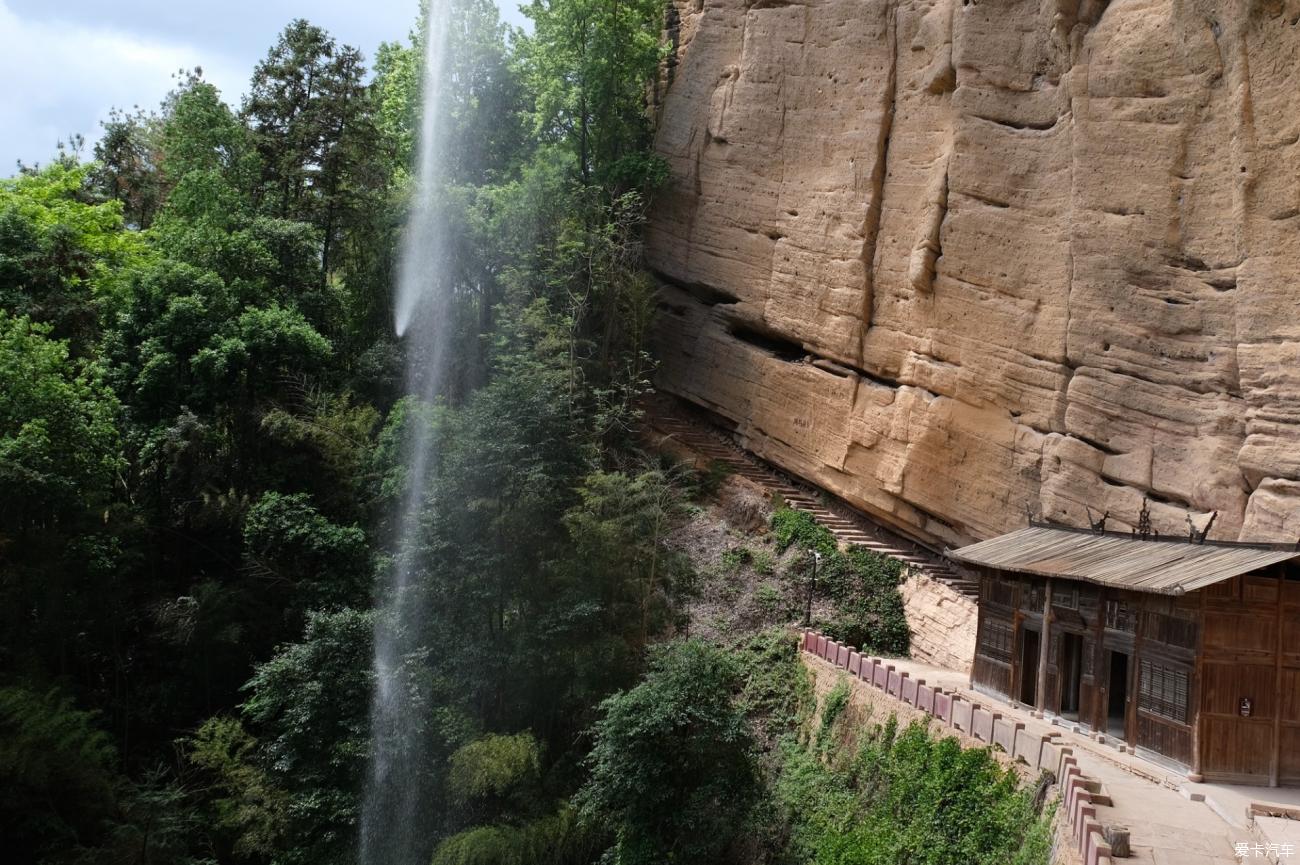
The largest cave in the scenic area — broad enough to hold a thousand people, under an overhanging cliff from which twin springs spill like hanging pearl curtains. It holds the ruins of three old stone shrines and many cliff inscriptions.
Wuyi's strangest cave: a split in the rock less than a foot wide, over a hundred metres long, threading through three chambers — Ling Cave, Wind Cave and Fuxi Cave — with a single blade of sky above. Bring a torch; flashlights can be rented in the park for ¥10.
Wuyishan is 'a shrine of three dynasties of Neo-Confucianism'. The Song-dynasty Wuyi Palace, the Song Street and the Zhu Xi Memorial Hall gather the region's Confucian, Buddhist and Daoist heritage — 'the culture of ancient China: Mount Tai and Wuyi'.
June–July and September. Annual average is 17.6°C; summer is lush and the stream is high, which makes the bamboo raft exciting. The natural reserve is closed Jan–Mar (dry grassland on Huanggang Peak). Winter rarely snows, though northern Fujian is one of the few parts of the province that can — check the forecast.
It is a one-ticket pass: ¥140 (1 day), ¥150 (2 days), ¥160 (3 days), excluding the sightseeing bus. It covers four zones: Yunwo–Wuyi Palace, Yixiantian–Huxiao Rock, Water Curtain Cave–Dahongpao, and Lianhua Peak–Yulin Pavilion. The Nine-Bend raft (¥100), Qinglong Waterfall (¥50), Yulong Valley (¥60) and the Banxi ethnic show (¥100) are sold separately.
Budget roughly ¥1,000–2,000 per person for the whole trip. The big spends are the pass (¥140–160), the raft (¥100), the Impression Dahongpao show (¥218–688) and a night in the resort. Street food and buses are cheap; haggle in the souvenir shops.
Buses from Wuyishan city reach every sight for ¥1–2 (the city is 15 km from the park). Hop-on sightseeing minibuses run inside for under ¥5, and the sights are minutes apart by road. Only the Dahongpao area usually needs a taxi. Taxis start at ¥10, do not run the meter — agree the price first.
Only in holidays, golden week and on weekends. Outside of peak periods, even without a booking you will find a bed. The resort is small — two main streets — so stroll and choose rather than following a rickshaw puller (they earn kickbacks).
Yes — email [email protected] or message us on WhatsApp. We book hotels, bamboo-raft tickets, the Impression Dahongpao show, train seats and guides free of charge, with no obligation.
The classic loop: a Thread of Sky, Huxiao Rock and Tianyou Peak on day one, then the Nine-Bend Stream raft, Wuyi Palace, Dahongpao and the Water Curtain Cave on day two. Highlights: Yixiantian · Huxiao · Tianyou · Nine-Bend raft · Dahongpao View day-by-day plan →
A Thread of Sky, Huxiao Rock & Tianyou Peak. Morning, while you are fresh: squeeze through a Thread of Sky (Yixiantian, 08:00–17:00) — bring a torch, or rent one for ¥10. Walk north to Huxiao Rock (07:30–18:00) and the eight sights; the 'Hao Han Slope' is steep. After lunch, climb Tianyou Peak (07:30–17:00) — Wuyishan's premier sight, ringed by the stream on three sides, with the cloud-sea view over Yunwo, Tea Cave and Yinping Peak. Snacks and tea eggs are sold on the mountain (agree prices before eating). Evening: stroll the resort's West Street and, if you like, Impression Dahongpao (20:00, ¥218–688).
Nine-Bend Stream raft, Wuyi Palace, Dahongpao & Water Curtain Cave. Morning: the Nine-Bend Stream bamboo raft from Xingcun Dock (¥100 + ¥2 insurance; arrive an hour early; departures 7:20/8:30/9:40/10:30/13:20/14:30). Float past Yunü Peak and Dawang Peak — the best photos are from the water. Tip the boatman about ¥100 for narration and songs. The raft lands at Wuyi Palace : the museum, Song Street and the Zhu Xi Memorial. Afternoon: walk up to the Dahongpao mother bushes in Jiulongke canyon (the six thousand-year-old trees), then on to the Water Curtain Cave — the largest cave in the park, with twin springs spilling like hanging curtains. Return to the resort by evening.
The full sweep: Tianyou Peak and the raft, then the Lianhua Peak temple, the Yulin Song kiln and the Minyue ancient city, with rock-tea tastings along the way. Highlights: Tianyou · Nine-Bend · Lianhua Peak · Yulin kiln · Minyue city View day-by-day plan →
Tianyou Peak, Taoyuan Cave & the Nine-Bend raft. Morning: Tianyou Peak — the cloud sea over Yunwo, Tea Cave, Yinping Peak and Sent-Forth Peak. Then Taoyuan Cave (Xiaotaoyuan) , the grotto that recreates Tao Yuanming's peach-blossom spring. After lunch: the Nine-Bend Stream bamboo raft (¥100 + ¥2) down to Wuyi Palace — the museum, Song Street, the Zhu Xi and Liu Yong memorial halls.
Lianhua Peak, Yulin kiln, Dahongpao & Water Curtain Cave. Morning: Lianhua Peak (536 m, one of the 36 famous peaks) with its old temple under the cliff, then the Yulin Pavilion kiln site — a Southern-Song kiln where you can throw your own pottery cup. Afternoon: the Dahongpao mother bushes in Jiulongke canyon, then north to the Water Curtain Cave , the largest cave in the park with twin springs spilling over the cliff.
Huxiao Rock, a Thread of Sky & the Minyue Wangcheng. Morning: climb Huxiao Rock via the 'Hao Han Slope' for the eight sights, then drop down to a Thread of Sky (bring a torch). Do not rush back — take a bus or taxi out to the Minyue Wangcheng (Chengcun ancient city), the Western-Han capital of the Minyue kingdom, to round off the ancient-Yue layer of Wuyishan.
Short on time? The Nine-Bend raft day, or the Tianyou Peak–Dahongpao–Water Curtain Cave day, both work as stand-alone excursions from the resort. Highlights: Nine-Bend raft · Tianyou · Dahongpao · Water Curtain View day trips →
All plans are bookable end-to-end by our team — see the full day-by-day Wuyishan itineraries hub, or the day-trip pages for single-day options.
The stream that gives Wuyishan its soul — jade-green, folding into nine bends through the red cliffs from Xingcun. Bamboo rafts depart Xingcun Dock 1 at 7:20, 8:30, 9:40, 10:30, 13:20 and 14:30, and Dock 3 at 8:00, 9:50 and 13:30. Book ahead in peak season; arrive an hour early.
| Phone | +86 599 883 2075 |
Wuyishan's premier sight, standing alone above the sixth bend of the stream and ringed by water on three sides. Xu Xiake rated it first among all Wuyi peaks. The cloud-sea view from the top is the classic postcard — the hardest climb of the trip, and worth every step.
| Admission | included in the pass |
| Hours | 07:30–17:00 |
The native home of the Dahongpao mother bushes — just six trees, over a thousand years old, clinging to the canyon wall. A stone path winds between tea gardens on both sides; this is the heart of Wuyi rock-tea country, with cinnamon, narcissus and dahongpao bushes you can taste along the way.
| Admission | included in the pass |
| Hours | 07:30–17:00 |
| Best season | morning tea tasting |
The largest cave in the scenic area — wide enough for a thousand people, hollowed from softer rock strata under an overhang. Twin springs spill from the cliff top like hanging pearl curtains, and the ruins of three shrines (the Three Sages, Three Teachings and Qingwei temple) sit inside.
| Admission | included in the pass |
| Hours | 07:30–17:00 |
Wuyi's strangest cave — a split in the rock less than a foot wide and over a hundred metres long, threading through Ling Cave, Wind Cave and Fuxi Cave. From inside Fuxi Cave, a single blade of sky shines down 'like a rainbow crossing the void'. Bring a torch (or rent one for ¥10).
| Admission | included in the pass |
| Hours | 08:00–17:00 |
| Phone | +86 599 5183 166 |
Yunü Peak rises from the south bank of the second bend like a slim, stand-still maiden; Dawang Peak, 'the celestial king', guards the mouth of the stream and was the first peak travellers saw entering Wuyishan. Both are best viewed from the bamboo raft rather than climbed.
| Admission | included in the pass |
| Hours | 08:00–17:00 |
| Phone | +86 599 525 0884 |
At the raft's terminus — Wuyi Palace, one of the six great Daoist temples of the Song, the two-storey Wuyishan Museum, the Song Street of grey-tiled Song-style buildings, and the Zhu Xi and Liu Yong memorial halls. A free gathering of natural scenery, architecture and Confucian culture.
| Admission | free |
| Hours | 07:30–17:30 |
Outside the pass: the Qinglong Grand Waterfall in the nearly-primitive forest of the reserve's Tongtian River gorge (¥50, 08:00–18:00), and Xiamei ancient village — a 'historic and cultural village of China' since 2005, with cobbled lanes and Ming–Qing houses (¥50, 08:00–17:00).
| Phone | +86 599 883 2075 |
More in the region: Huxiao Rock (the eight sights, Hao Han slope), Lianhua Peak (36 famous peaks, 536 m), the Yulin Pavilion kiln site, Yunwo, the cliff-hanging boat coffins, Longchuan Grand Canyon (¥40) and Yulong Valley (¥60). Browse every Fujian sight on the Fujian attractions page.
Zhang Yimou's landscape show — the tea culture of Wuyishan staged on an open-air theatre inside the Tea Expo garden. Two acts: 20:00–21:15, with an extra 21:45–23:00 on busy nights. Tickets: second class ¥218, first class ¥298, VIP ¥588, premium ¥688. Book seats ahead.
The tea country's own folk theatre: six to twelve girls carrying tea-basket lanterns dance and sing 'Twelve Months of Tea Picking' with a clown, staged by part-farmer, part-performer troupes in the slack season. A genuinely local evening out.
Every mid-November the region holds a tea expo: tea-making art demonstrations, Wuqiao acrobatics, a tea-duelling contest and a folk tea tournament — the best time to watch (and join in) the Wuyi tea world.
Wuyi rock tea is 'rock bone with floral fragrance'. Sit in a tea garden or tea house and compare cinnamon (rougui), narcissus (shuixian) and dahongpao — the three triumvirate. The tea gardens of the Dahongpao canyon are the natural classroom.
Entering the Wuyishan natural reserve needs a chartered car — about ¥300 for the full day to the mountain top, or ¥200 if you only visit the museum, the eco-rafting area or the Qinglong Waterfall. Seven-seat air-con Changhe vans wait at the resort.
From the fourteenth night of the first lunar month, the village of Fengpo parades lanterns, a candle-bridge and firecrackers — the most vivid of northern Fujian's lunar-new-year folk festivals.
Wuyishan's National Tourism Resort (Sangu) is a small, self-contained area with two main streets; most hotels are mid-size. Prices rise on weekends, golden week and in summer. Every place below is bookable by our team; browse the full Fujian hotels directory.
The region's top address — a five-star resort facing Dawang Peak, next to the 18-hole mountain golf course, ten minutes from the airport and twenty from the railway station. From ¥818. Address: National Resort by the Chongyang Stream · +86 599 5238 999
A four-star hotel inside the scenic area itself — a garden-like resort tucked below Dawang Peak, a five-minute walk from the sights. From ¥338. Address: Wuyi Palace, National Resort · +86 599 5255 800
Good-value chain opposite Dawang Peak, ten minutes by bus 6 from the scenic gate; a small tea garden sits across the road. From ¥152. Address: 18 Yinping Peak Road, Resort · +86 599 5237 888
A tea-themed family inn facing Dawang Peak and the Sangu rocks, ten minutes from airport, station and bus terminal — with its own tea room, lobby bar and chess room. From ¥129. Address: 13 Guanjing Road, Resort · +86 599 5262 166
A long-running budget house in the resort centre, handy for families and students, offering route planning and ticket booking. Beds from ¥40. Address: B-602 Huiyuan Street B Area · +86 599 5238 8885
The drink the region is built on — 'rock bone with floral fragrance'. The triumvirate is cinnamon (rougui), narcissus (shuixian) and dahongpao. Pair it with local liquor: Wuyi Xiang, chrysanthemum wine, five-step snake wine or the October white rice wine, and taste how tea and mountain water belong together.
The kitchen draws on the mountain: red mushroom soup, red-eye river fish, okra, smoked duck and dried tofu at the top hotel; chicken velvet with golden silk bamboo shoots, lily-snake slices, chrysanthemum grass carp and loach noodles as home cooking. Wuyi's 'special banquets' — the legendary Manting banquet, the 800-year Bagua banquet and the snake banquet — are worth asking a restaurant about.
Fig jelly (bingshi dong) — a wild-fruit jelly with honey for a hot afternoon; green Qingming grass cakes (shuqu guo) stuffed with mushroom, pork and bamboo shoots; salted xuelihong greens; Langu smoked goose; and street ke (jietou guo) — the cheap, filling breakfast bowl with chilli and hot pork-skin broth. Gather on West Street in the resort, or Xilin Street in the evenings.
Wuyishan Yuehua Hotel — the finest dining in town; red mushroom soup, red-eye fish, okra, smoked duck and dried tofu (1 Sangu Resort East 1st Road · +86 599 5238 999). Vietnamese Noodle Shop — a favourite old diner for pho and egg noodles (Xilin Road, opposite the Xilin internet cafe). Bamboo Forest Tavern — a relaxed cliff-side dining room (Nanjing Road · +86 599 5253 808).
Wuyishan airport opens about 27 domestic and regional routes — to Xiamen, Fuzhou, Beijing, Shanghai, Guangzhou, Shenzhen, Dalian, Hangzhou, Wenzhou, Xi'an, Wuhan, Haikou, Zhuhai, plus Hong Kong and Macau. A taxi from the resort to the airport costs about ¥30; the airport bus to the city is ¥2 and to the resort ¥3.
Direct air-conditioned trains run daily: seven from Fuzhou, two from Xiamen and one from Quanzhou; Beijing, Shanghai and Shenyang also have through services. From the station to the scenic area a moto-taxi asks ¥20 — haggle to ¥10. No direct train? Change at Shaowu (Fujian, ¥20, hourly 05:00–17:30) or Shangrao (Jiangxi, ¥30, hourly 05:30–17:30).
Nanping, Shaowu (Fujian) and Shangrao (Jiangxi) are the gateways. Shangrao to Wuyishan is about ¥30 and four hours; Shaowu to Wuyishan about ¥20 and three hours. Shaowu bus station faces the railway station; Shangrao station is further from its bus terminal — take a tricycle or moto over.
City buses reach every sight for ¥1–2 (the city is 15 km from the park); hop-on sightseeing minibuses inside the park cost under ¥5, and sights are minutes apart — only the Dahongpao area usually needs a taxi. Taxis start at ¥10 and do not run the meter, so agree the price first (airport to city/resort about ¥15).
The 300-metre Song-style street at Wuyi Palace — Wuyi Palace, Jade Pavilion, tea houses and wine houses gathered in one lane, the easiest place to browse crafts and tea. Reach it by city bus (Hengjietou–Wuyi Palace, ¥3–4).
Wuyi Palace Song Street, the Xingcun raft dock, the Sangu resort and Wuyishan city are the four market areas. Formal approved shops include department stores and tea-culture exchange centres — but haggle hard; if you do not intend to buy, do not touch or comment, to avoid pushy sales.
Wuyi rock tea is the souvenir — cinnamon, narcissus and dahongpao from the heart, Huiyuan and Matou villages. Beware: the genuine old dahongpao is very expensive, so unless you can judge it, do not buy the wildly priced 'original' from a stranger.
The region's classic four: tender east bamboo shoots from Shangmei township, sweet west-river fish from Yangzhuang (cooked with almost nothing but salt), and fragrant north rice from Wutun and Langou — the plain flavours locals take home.
Beyond tea: east bamboo shoots, west-river fish, north rice, smoked goose, Qingming cakes and fig jelly. Full local-product guides live on the Fujian specialties page.
Wuyishan Municipal Hospital — 65 Wengong Road · +86 599 5316 255. Wuyishan Second Hospital — 45 Chong'an Street · +86 599 5306 666. Wuyishan TCM Hospital — Wenling Street · +86 599 5117 935.
Tourist service centre · +86 599 5131 890. Scenic-area complaints · +86 599 5252 884. Travel-dispute complaints · +86 599 5250 600. Post office — 105 Chong'an Street · +86 599 5302 408.
Mandarin works everywhere in the scenic area and resort. The local speech is a northern Fujian dialect; most younger staff speak enough English to handle raft tickets, menus and hotel check-in.
Budget ¥1,000–2,000 per person for the whole trip. The headline costs are the pass (¥140–160), the raft (¥100 + ¥2), the Impression show (¥218–688) and a resort night (¥40–818 by grade). Street food, buses and breakfasts are cheap.
Agricultural Bank (275 Zhongshan Road · +86 599 5303 260), Construction Bank (72 Huandao West Road · +86 599 5301 857) and Bank of China (2 59 Middle Road) have city branches. Most hotels offer broadband; many cafes and restaurants have Wi-Fi.
The signature experience: a bamboo raft from Xingcun Dock down the nine bends past Dawang Peak, Yunü Peak and the cliff-hanging boat coffins, finishing at Wuyi Palace for the museum and Song Street.
View the plan →Climb Tianyou Peak for the cloud sea in the morning, then walk the Dahongpao canyon tea gardens and finish at the Water Curtain Cave — the inland half of Wuyishan in one day.
View the plan →A chartered day into the natural reserve: the Qinglong Grand Waterfall in the primitive forest gorge, then Xiamei's Ming–Qing 'historic village' lanes — away from the crowds.
View the plan →In peak season raft tickets sell out fast and queues are long — reserve through your hotel or a travel desk, and arrive at the dock at least an hour early. The trip runs about 1.5 hours; protect shoes and your camera, since Wuyishan often showers in the afternoon.
A tip of about ¥100 per raft is the unwritten rule: with it, the boatman narrates the sights and may even sing. Agree the raft price and route first; the fixed segment prices are your reference.
Wuyishan taxis start at ¥10 and rarely run the meter — and overcharging tourists is common. Always agree the fare first; the airport to the city or resort is about ¥15.
The crack is dark and narrow. Bring a small torch, or rent one in the park for ¥10. If you are broad-built, the passage is genuinely tight — do not force it; the nearby Huxiao Rock is an easier alternative.
Inside the park, souvenirs are pricey; haggle hard. If you are not buying, do not pick up the tea or silk, and do not judge it loudly — some sellers will pressure you to buy. Snake-powder and snake-medicine stalls are best treated with caution.
Wuyishan city lies in the mid-subtropics, ringed by mountains on the east, west and north with flatter ground in the south. The city sits at 210 m; the highest point, Huanggang Peak, reaches 2,158 m — 'the roof of east China' — while the lowest, Xingcun, sits at 165 m, a 1,993 m drop, the largest in Fujian. The climate is mild, rainy and misty, with an annual average of 17.6°C; every season has its own mood.
Neolithic ancient-Yue people lived here, leaving the cliff-hanging boat coffins and 'rainbow-board' relics. In the Western Han, Emperor Wu sent envoys to sacrifice to the Wuyi god; under the Tang, Xuanzong enfeoffed the mountain, and the late-Tang scholar Du Guangting listed it as one of China's thirty-six great caves. In the Song (1095) the Wuyi Lord was enfeoffed again, and it became 'a shrine of three dynasties of Neo-Confucianism' — Zhu Xi taught here for decades, and in 1687 the Kangxi emperor wrote the plaque 'Learning Reaches the Nature'. More than 400 cliff inscriptions survive.
'In the Eastern Zhou there was Confucius; in the Southern Song there was Zhu Xi. Of ancient Chinese culture, Mount Tai and Wuyi' — the scholar Cai Shangsi's verdict. Li Shangyin, Fan Zhongyan, Lu You, Xin Qiji and Xu Xiake all left ink here, and Wuyishan remains a meeting place of Confucian, Buddhist and Daoist ways.
Everything on ToursChinaTravel is bookable through our team by email or WhatsApp. Here's where each part of your Wuyishan trip lives on the site.
Star-rated sight details — hours, tickets, phones and tips for every Fujian attraction.
Browse Fujian sightsStar-rated hotels across Fujian — sorted by rating, all bookable by our team.
Book a Fujian hotelRoutes, airlines and schedules for Wuyishan airport and the Fuzhou–Xiamen rail line.
See China flightsWuyi rock tea, east bamboo shoots, west-river fish and north rice.
Browse Fujian specialtiesLicensed agencies with addresses, phones and booking contacts for raft and tea tours.
Find a Fujian agencyFuzhou, Xiamen, Gulangyu and more — plus the Fuzhou guide, Xiamen guide and Gulangyu guide.
Browse all guides