>
Three cities on one river — Wuchang, Hankou and Hanyang, joined by bridges across the Yangtze. Yellow Crane Tower, the hot-dry-noodle breakfast, the lakes and the 1911 revolution that began the republic: a big, loud, watery metropolis with more bridges than any other Chinese city.
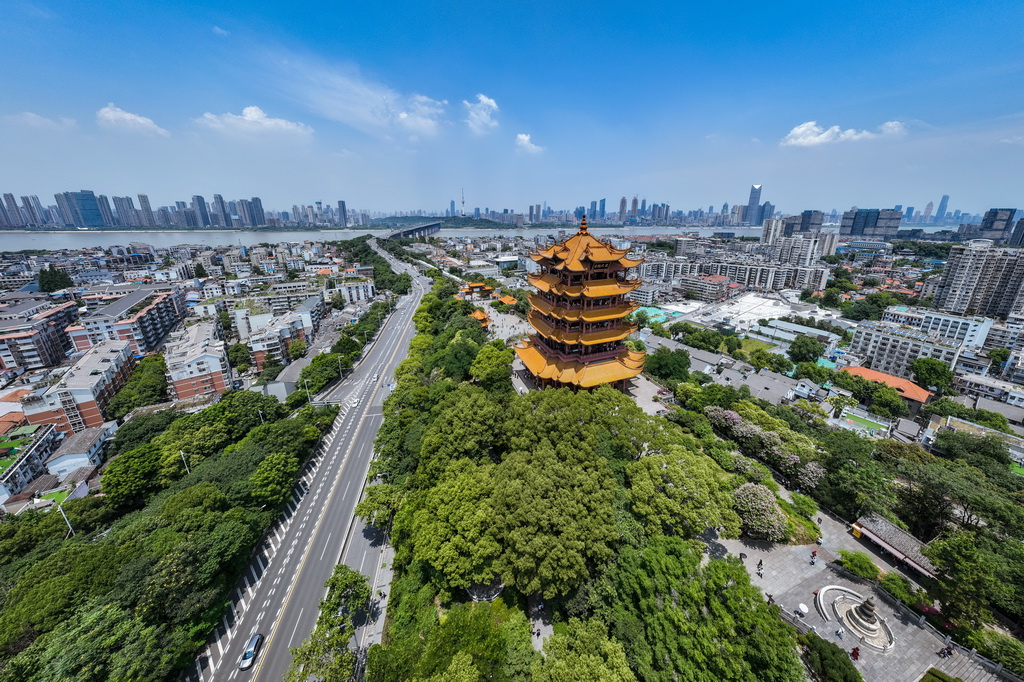
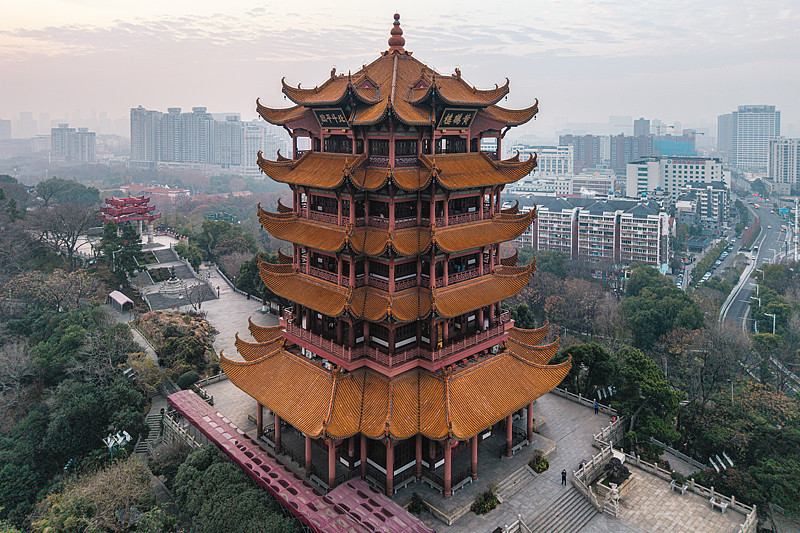
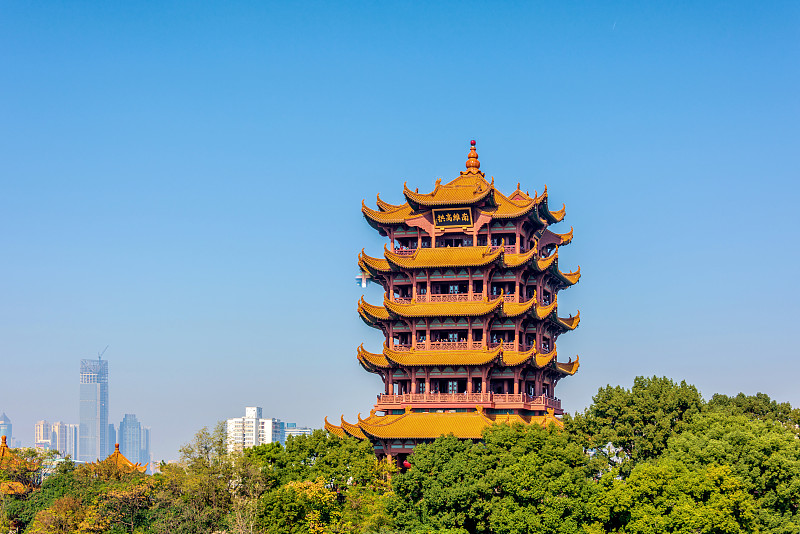
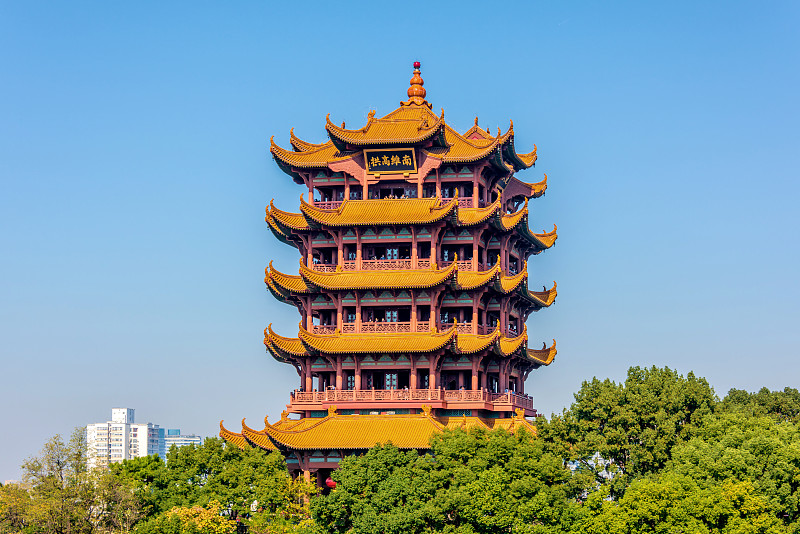
The 'first tower under heaven' — five golden roofs above the Yangtze, the poem by Cui Hao and the view that made Wuhan famous.
The 400-year-old breakfast street — re-gan-mian noodles, doupi (bean-skin rice cake) and the city's morning ritual.
The first bridge over the Yangtze (1957) — walk the upper deck, watch the trains below, and feel the river's scale.
The 2,500-year-old bronze sword in the Hubei Museum — sharp enough to cut paper, the treasure of the state of Yue.
China's largest urban lake — 33 km of shore, cherry groves, lotus in summer and the green heart of Wuhan.
The early-20th-century riverside of the foreign concessions — red-brick banks, cobbled lanes and the 'Wuhan of the 1920s'.
The tower of Cui Hao's poem and a thousand years of farewells — the emblem of the river city.
The Yangtze and the Han meet here; the East Lake and the city's other 100+ lakes make Wuhan a water world.
'To Wuhan, eat early' — the hot-dry-noodle city turns breakfast into its proudest daily ritual.
The 1911 Wuchang Uprising ended the empire — Wuhan is where the republic was born.
March–April brings the cherry blossoms of Wuhan University and the East Lake; October is crisp and clear. Summer is a famous furnace — hot, humid and best spent by the lakes at dusk. Winter is damp but the museums and the breakfast streets are perfect indoor weather.
Two days covers the classics: Yellow Crane Tower and the bridge one day, the Hubei Museum and the lakes the next. Three days adds the Hankou concessions, Hubu Alley at dawn and a Yangtze night cruise.
Hankou's riverside — the former foreign concessions of the 1920s — and the breakfast lanes of Hubu Alley. Wuchang is the historic heart (the tower, the university, the revolution); Hanyang the industrial south.
The metro (12+ lines) crosses all three cities — the Yangtze has five metro tunnels plus the bridges. Taxis are cheap, ferries cross the river for ¥1.5, and the famous river-view tram lines run the waterfront.
Wuchang near the Yellow Crane Tower suits first-timers; Hankou's Jianghan Road suits the old town and the night markets; the East Lake hotels suit families. All three are metro-linked.
Yes — email [email protected] or message us on WhatsApp. We arrange hotels, tower tickets, guides and transport, free of charge.
The tower, the bridge, the museum and the breakfast streets. View the plan →
Dawn breakfast at Hubu Alley, morning at the Yellow Crane Tower, the Yangtze Bridge walk, afternoon at the Hubei Museum, night cruise on the river.
East Lake cycling and the cherry groves, then Hankou — Jianghan Road, the concessions and the old town before the evening train.
Adds Wuhan University, the lakes and the Hanyang south. View the plan →
Hubu Alley, Yellow Crane Tower, the bridge and the Hubei Museum.
Wuhan University and the East Lake all day — the campus, the cherry avenue and a lakeside dusk.
Hankou: Jianghan Road, the concessions, the old wharves and the Guiyuan Temple before departure.
All plans are bookable end-to-end by our team — see the full day-by-day Wuhan itineraries hub, or the day-trip pages for single-day options.
The 'first tower under heaven' — five golden roofs above the Yangtze, first built in 223 AD, rebuilt in 1985; the poem by Cui Hao and the view over the three cities.
View details →China's largest urban lake — 33 km of shore, the cherry and lotus groves, the Tingtao Pavilion and the lakeside cycling roads of the green heart of Wuhan.
View details →The treasure house of the state of Zeng — the Sword of King Goujian, the Marquis Yi of Zeng's bronze bells and 200,000 artefacts of the Chu kingdom.
View details →The first bridge over the Yangtze (1957) — 1,156 m of steel spans the river; walk the upper deck, watch the trains below and the ferries pass.
View details →The 400-year-old breakfast street — hot dry noodles, doupi, rice wine and the morning ritual of the city; the loudest, most delicious hour of Wuhan.
View details →The 1920s riverside of the foreign concessions — red-brick banks, the customs clock tower and the longest pedestrian street in China.
View details →More in the region on the Hubei attractions page.
Late March turns Wuhan University and the East Lake cherry garden pink — the city's biggest natural festival, booked out a month ahead.
Evening boats from the old wharves pass the tower, the bridges and the neon skyline — the classic Wuhan night.
The fifth day of the fifth lunar month fills the East Lake with dragon boats — the river city's loudest tradition.
The Hubei Museum's bronze-bell performances and the Chu-culture theatres of the lakes — the ancient sound of the state of Zeng.
Every hotel below is bookable by our team; browse the full Hubei hotels directory.
The classic first-timer base — the tower and the bridge on the doorstep, metro to everything. From ¥250.
The old-town base — concessions, night markets and the breakfast streets. From ¥250.
The green end of town — lake views, quiet and family-friendly. From ¥400.
The historic riverside address in Hankou. From ¥500.
The cheapest beds on the metro lines. From ¥120.
Wuhan's soul food — sesame-paste noodles tossed with scallions, the ¥5 breakfast of the city; Hubu Alley's Cai Linji is the famous bowl.
The glutinous-rice-and-bean-paste cake fried crisp — the second member of the breakfast trinity.
The morning drinks — fermented rice wine and the city's cooling soups of summer.
The river classics — steamed Wuchang fish and the famous lotus-root soups of the lake country.
Hankou's night markets roast and braise the city's snack culture — the loudest stalls run to 1:00.
Dried fish, lotus seeds and lotus-root starch from the lake country.
Small replicas of the Marquis Yi's bells and the sword of Goujian — the museum's gift-shop classics.
Paper-cut, lacquer and the red-brick memorabilia of the concessions.
The lakeside sweets of the city.
Full local-product guides live on the Hubei specialties page.
Wuhan sits at the centre of China's HSR network — Beijing 4.5 h, Guangzhou 4 h, Shanghai 5 h, Chengdu 7 h. Wuhan station (Wuchang) and Hankou station serve the lines; metro links all three.
The central hub with flights worldwide; metro line 2 links the airport to downtown (60 min) and taxis about ¥100.
The ¥1.5 passenger ferries still run between Wuchang and Hankou — the old river crossing, and the best bridge-free view.
12+ metro lines cross the three cities and tunnel the Yangtze five times (¥2–9); the river-view tram lines run the waterfront.
Night cruises from the old wharves pass the tower and the bridges — book through hotels or the official piers.
Wuhan's bridge-and-tunnel maze is navigable but slow at rush hour — the metro is faster; weekend lake drives are the reward.
The cherry avenue, the old campus and the great lake — the green day of the city.
Jianghan Road, the concessions, the customs clock and the wharves — the 1920s city.
The Red Cliffs of the Romance of the Three Kingdoms, 1.5 h down the Yangtze — the battle that split China.
The tower, the bridge and the Snake Hill parks — the classic Wuchang loop.
The Hubei Museum is free but quota-limited — reserve on the official app up to 7 days out; the bronze-bell show needs a separate ticket.
The great bowls sell out by mid-morning — go early and eat standing, like the locals.
July–August is genuinely brutal — plan for lake evenings, museum mornings and the air-conditioned metro.
The ¥1.5 passenger ferry gives the river experience the bridges can't — take it once, both directions.
Crossing the Yangtze by road at rush hour can take an hour; the metro tunnels do it in five minutes.
Wuhan is the confluence city — the Yangtze meets its greatest tributary, the Han, splitting the metropolis into Wuchang, Hankou and Hanyang; the East Lake and 100+ other lakes make it one of the wettest big cities on earth. A humid subtropical climate of famous summers and damp winters.
A river port for 3,000 years, Wuhan became the treaty-port crossroads of the late Qing — the Hankou concessions of 1861 made it 'the Chicago of China'. On 10 October 1911 the Wuchang Uprising began the revolution that ended the empire; the republic's first government formed here. The 1957 Yangtze Bridge joined the three cities, and the metro age has now tunnelled the river five times.
Everything about Wuhan runs on the water — the ferries, the bridges, the lake parks and the breakfast of hot-dry-noodles eaten at dawn beside the great river. Its people call themselves the 'hanshui' — the river people.
Everything on ToursChinaTravel is bookable through our team by email or WhatsApp. Here's where each part of your Wuhan trip lives on the site.
Star-rated sight details — hours, tickets, phones and tips for every Hubei attraction.
Browse Hubei sightsStar-rated hotels across Hubei — sorted by rating, all bookable by our team.
Book a Hubei hotelLocal products, crafts and foods of Hubei — where to find each one.
Browse Hubei specialtiesLicensed agencies with addresses, phones and booking contacts.
Find a Hubei agencyMore city and region guides across China, including the Hubei guide.
Browse all guides