>
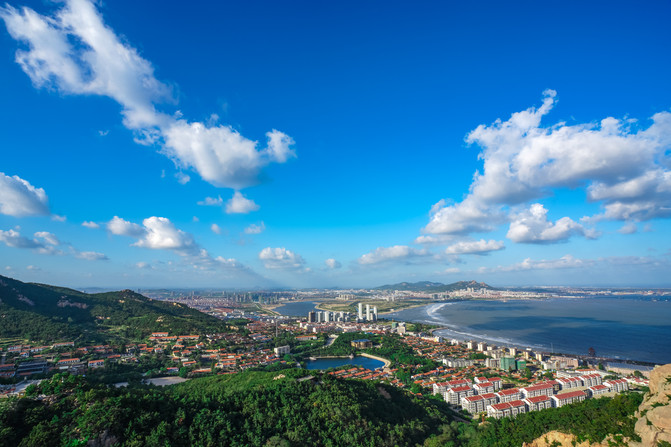
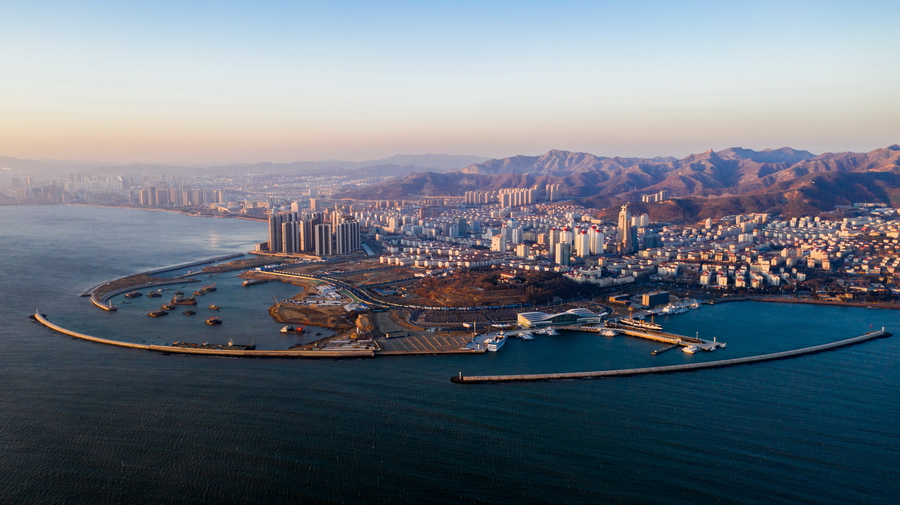
China's easternmost coastal city, where the peninsula ends and the sea opens to Korea — clean beaches, the island fortress of Liu Gong, the cliff of Chengshantou and the cleanest air of Shandong's coast. Weihai pairs the melancholy of the 1894–95 war with the ease of a seaside resort: water sports, seafood and the Korean tide that washes the port.
Twenty minutes across the bay to the 'fairy island of the sea' — the fortress of the Beiyang Fleet and the museum of the war that decided it.
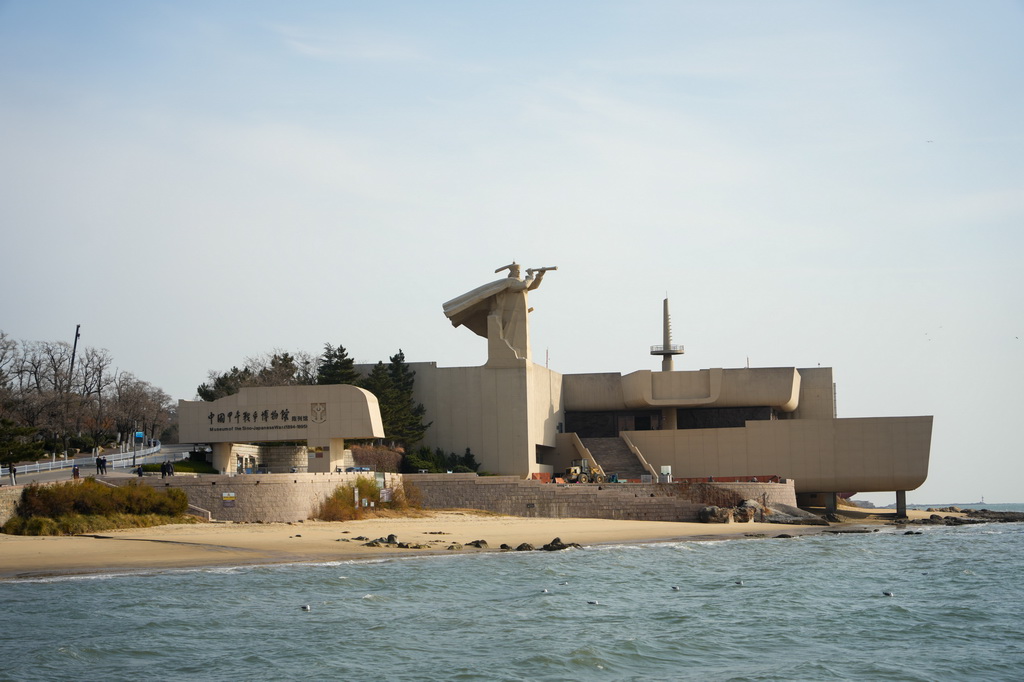
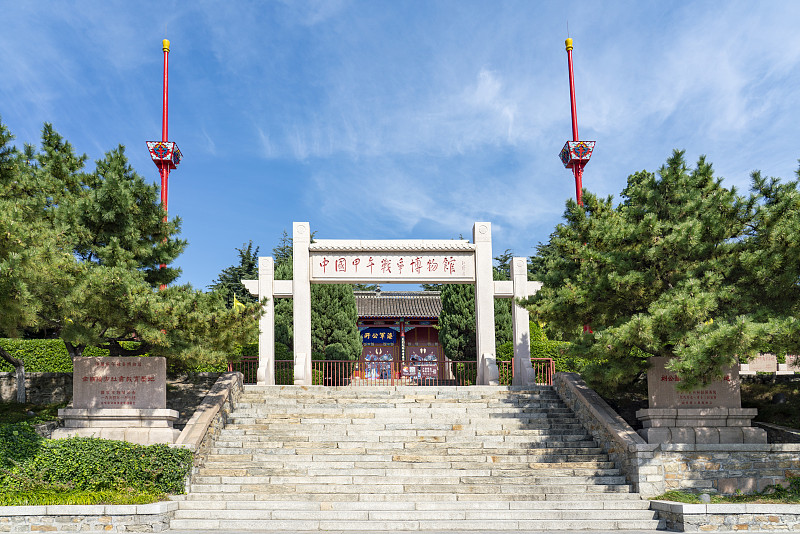
The halls of the 1894–95 Sino-Japanese War — the ships, the admirals and the story of the defeat that shaped modern China.
The easternmost point of the Chinese mainland — the cliff where the sun rises first and Qin Shi Huang came seeking immortality.
Weihai's famous strand of fine sand — the cleanest city beach on the Shandong coast, free and open all day.
Hand-pulled noodles in a rich seafood broth — the bowl that sums up the Jiaodong coast, followed by the famous jujube buns.
Korean fashion, shops and ferries make Weihai the window on Korea — an hour from Incheon by sea.
Liu Gong Island — the base of the Beiyang Fleet, its guns, naval academy and the shrine of the drowned admiral.
Chengshantou, the cape where the mainland ends — cliffs, the temple of the sun and the 'good luck corner' of the Chinese coast.
A planned seaside town of parks and promenades — the bathing beach, the bay walk and the laid-back rhythm of the eastern coast.
Seafood noodles, jujube buns and the Korean-influenced tables of the harbour — the taste of the peninsula.
The island ferry plus entry is about RMB 100 (ferry return plus island ticket). The Sino-Japanese War Museum is included in the island visit; opening hours are roughly 07:00–17:00, with ferries running until mid-afternoon. The International Bathing Beach is free, open 24 hours.
June to September for swimming and the classic beach days — the bathing beach is free, the sea clearest in July–August. May and October are cooler and quieter. Winter is windy; the eastern cape is dramatic in any season.
Two days cover the essentials — one for the city beaches and the bay, one for Liu Gong Island. A third adds Chengshantou, the Rongcheng coast and the swan lake of winter.
High-speed trains link Weihai with Yantai (about 1 h), Qingdao (1.5 h) and Jinan (3 h). Weihai Dashuipo Airport serves domestic routes; the port also runs ferries to Incheon, Korea.
Very — the bathing beach is gentle and free, the Liu Gong ferries are short, and the aquarium and the seaside parks fill easy half-days. The war museum can be heavy for young children, so pace it.
Yes — email [email protected] or message us on WhatsApp. Our team arranges the Liu Gong ferry and tickets, Chengshantou transport, hotels and the beach-town details, free of charge and without obligation.
The war island and the bathing city — Liu Gong, the museum and the beach that made Weihai famous. View the plan →
Morning ferry to Liu Gong Island — the Sino-Japanese War Museum, the naval academy and the island forest; afternoon back in the city for the Huancuilou Park and the bay promenade.
Morning at the International Bathing Beach and the seaside park, then the TV and Film Culture City or a seafood lunch before the train.
The island, the cape and the Rongcheng coast — the full eastern tip of China. View the plan →
Liu Gong Island and the war museum; evening seafood noodles in the city.
Full day to Chengshantou — the easternmost cape, the Sun temple and the coast road — returning via the Rongcheng swan lake in season.
Morning beach and the Huancuilou view, then the high-speed rail to Qingdao or Yantai.
All plans are bookable end-to-end by our team — see the full day-by-day Weihai itineraries hub, or the day-trip pages for single-day options.
The 'fairy island of the sea' — base of the Beiyang Fleet, the Sino-Japanese War Museum, the naval academy, the island forest and the temple of the drowned admiral, twenty minutes by ferry from the city pier.
View details →The museum of the 1894–95 war, built at the site of the fleet's headquarters — the ships, the admirals (including the celebrated Deng Shichang) and the defeat that ended the Qing navy.
View details →The easternmost point of the mainland — cliffs above the meeting sea, the Sun temple, the 'good luck corner' stone and the view Qin Shi Huang is said to have watched.
View details →Weihai's great free strand — fine sand, shallow water and the promenade of the bay, the classic family beach of the Shandong coast.
View details →The park above the city, with the Huancui tower and views over the bay and the islands — the classic city viewpoint.
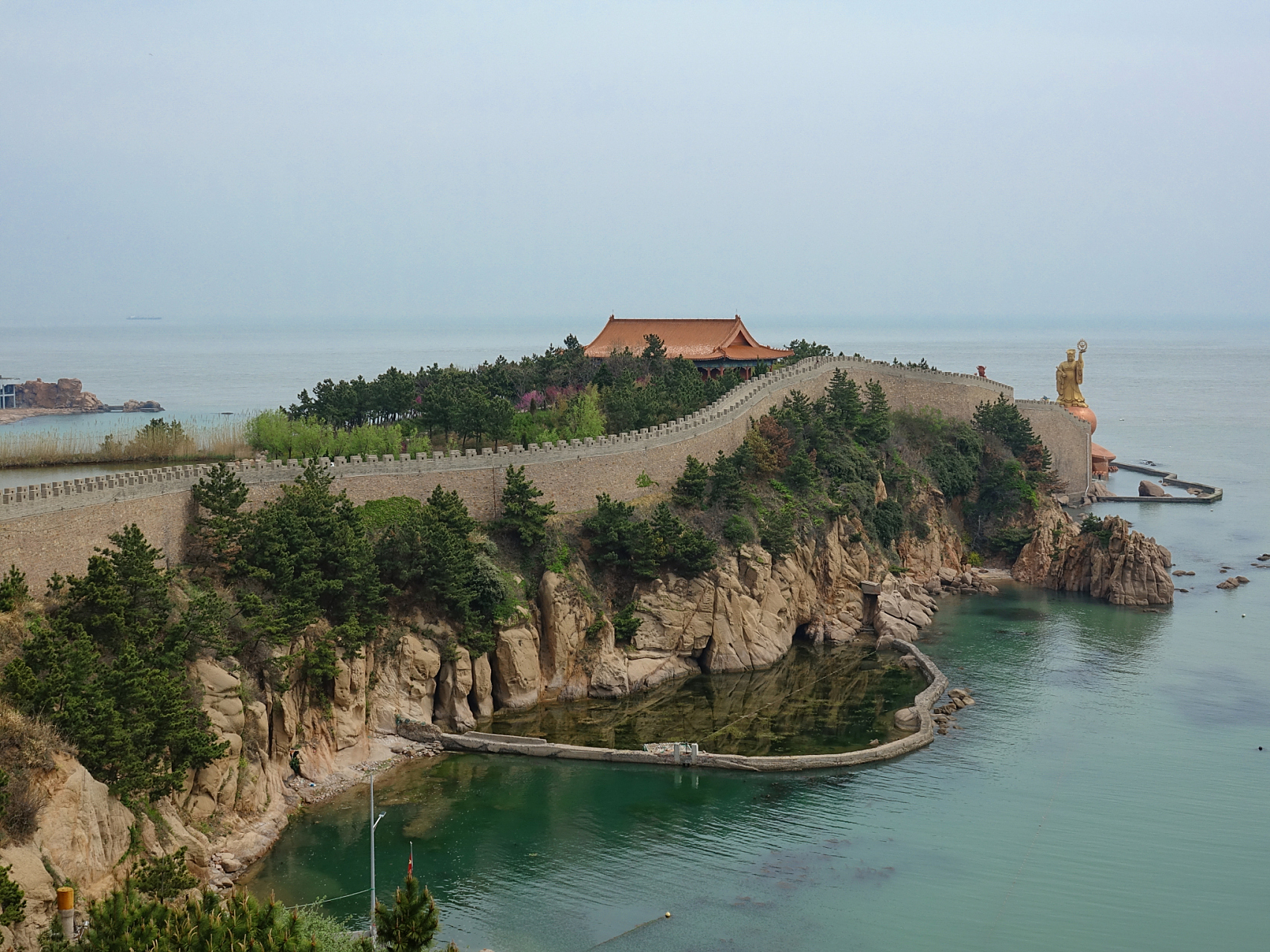
View details →The mountain of the eastern coast — cliffs, the golden Maitreya statue and the Daming Temple above the sea, in the fishing county of Rongcheng.
View details →More in the region on the Shandong attractions page.
From June to September the bathing beach fills with swimmers, jet skis and beach volleyball — the free strand of the city, lifeguarded in season.
Most summers, the city stages concerts, sand sculpture and beach sports on the bathing beach — the party weeks of the coast.
From November to March, the Rongcheng lakes host thousands of whooper swans from Siberia — the famous winter spectacle of the eastern cape.
Liu Gong Island's loop trail passes the old fortifications, the forest and the cliff views — a half-day walk through the island's history.
Every hotel below is bookable by our team; browse the full Shandong hotels directory.
The hotels along the bay put the strand outside the window — from about ¥300–500 in season, book ahead for July–August.
Around the railway station and the Huancuilou, convenient and cheaper — from about ¥200, with the ferries and restaurants a short taxi away.
For the eastern cape, the fishing-town guesthouses of Rongcheng give the coastal life — from about ¥200, handy for the swan lake in winter.
Thick hand-pulled noodles in a rich broth of the day's catch — the bowl that defines Weihai, from the old noodle houses of the city.
The big steamed buns dotted with red jujubes — sweet, soft and festive, the traditional gift and snack of the coast.
Abalone, sea urchins and the peninsula's clams, boiled and eaten with vinegar-garlic — the honest taste of the boats.
Korean barbecue and cold noodles, thanks to the Incheon ferry — the other cuisine of the harbour, best in the Korean-town quarter.
Dried scallops, abalone and squid from the harbour shops — the standard gift of the Jiaodong coast.
The duty-free-style shops of the ferry district stock Korean brands — the shopping angle of the Incheon route.
Boxed dazaobobo and the region's pastries from the old shops — the edible souvenir of the city.
Full local-product guides live on the Shandong specialties page.
https://media.doubao.com/space/api/box/stream/download/all_by_mount_point/GK46bT82doid74xwzu3cLiQtnFf
https://media.doubao.com/space/api/box/stream/download/all_by_mount_point/Z23dbYGZEoI2TNxY5i0c7ILvnWh
https://media.doubao.com/space/api/box/stream/download/all_by_mount_point/GoWNbhC4ro5gBAxZQWvcROtNnxg
https://media.doubao.com/space/api/box/stream/download/all_by_mount_point/G3lnbKl2fogBuUx4wAEcjM8bnab
https://media.doubao.com/space/api/box/stream/download/all_by_mount_point/Rw10bEPvOoICXRxIdJSc1PpAn5b
The easternmost point of the mainland — cliffs, the Sun temple and the 'good luck corner', with the Rongcheng coast road on the way back.
The cliffs and golden Buddha of Chishan above the sea, plus the fishing harbours of the Rongcheng shore.
From November to March, thousands of whooper swans winter on the Rongcheng lakes — the great bird spectacle of the eastern cape.
The Liu Gong ferries start about 07:00 and the last returns leave mid-afternoon — check the return times first, and buy the combined ferry-and-island ticket at the pier.
Weihai is windy year-round — a windbreaker even in summer, and a warm coat for the cape and the winter swans.
July–August hotels near the bathing beach sell out — reserve ahead, and go to the beach early for the calm water.
Seafood prices at the harbour stalls are quoted for tourists — compare three stalls and buy the morning catch before the restaurants.
Chengshantou, Chishan and the swan lake all sit on the same Rongcheng road — one well-planned day covers the whole eastern cape.
Weihai occupies the northeastern tip of the Jiaodong peninsula, wrapped by the sea on three sides with nearly 1,000 km of coastline. A maritime climate of clean air, cool summers and windy winters — the 'most livable' reputation of China's eastern coast.
The name means 'majestic sea power' — the city was built as the base of the Beiyang Fleet in the 1880s. In 1894–95 the fleet was destroyed in the Sino-Japanese War, and Liu Gong Island became the stage of its last act; the British then leased Weihai as a naval station until 1930. Modern Weihai grew as an open coastal city and the window on Korea.
The eastern cape was the land of the sun — the temple of the sun god and the legend of Qin Shi Huang's search for immortality. The coast road from Chengshantou to Rongcheng still feels like the edge of China.
Everything on ToursChinaTravel is bookable through our team by email or WhatsApp. Here's where each part of your Weihai trip lives on the site.
Star-rated sight details — hours, tickets, phones and tips for every Shandong attraction.
Browse Shandong sightsStar-rated hotels across Shandong — sorted by rating, all bookable by our team.
Book a Shandong hotelLocal products, crafts and foods of Shandong — where to find each one.
Browse Shandong specialtiesLicensed agencies with addresses, phones and booking contacts.
Find a Shandong agencyMore city and region guides across China, including the Shandong guide.
Browse all guides