>
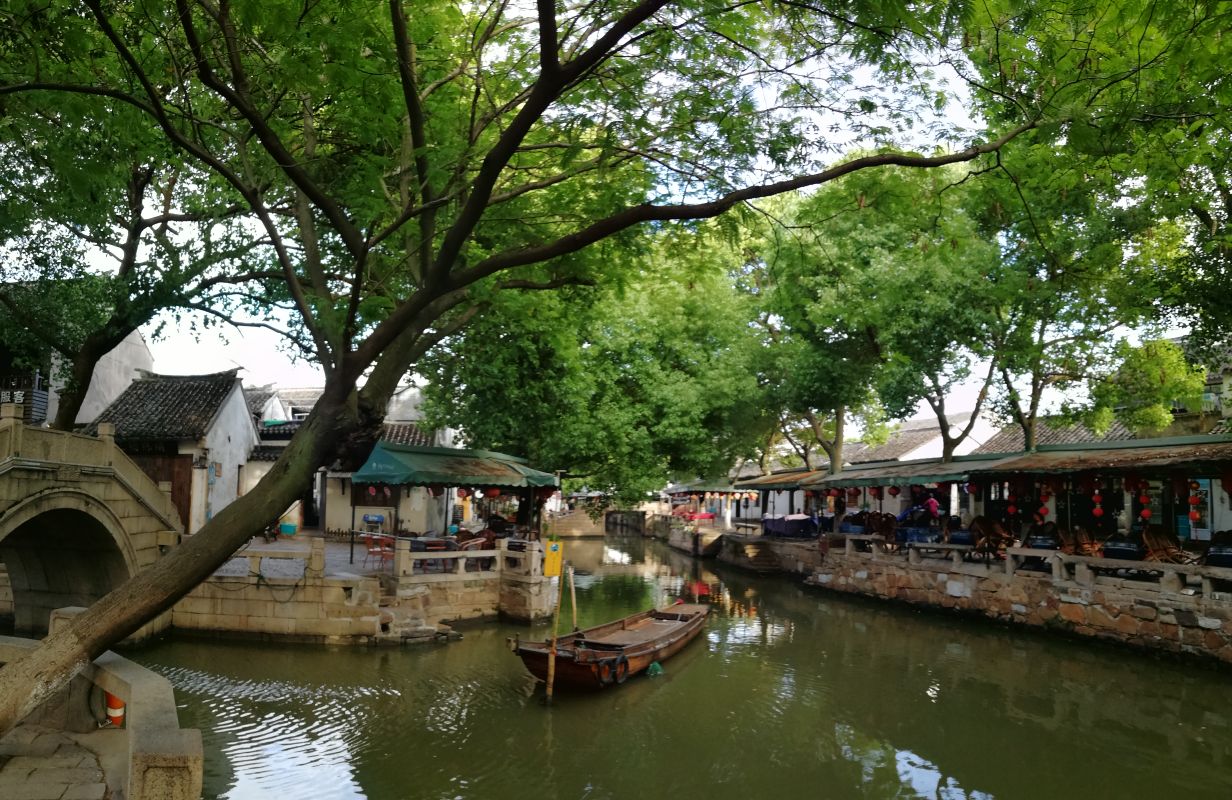
A water town of fifteen rivers, seven islets and forty-nine bridges — where the late-Qing Tuisi Garden, the Three Bridges and the slow rhythm of old Jiangnan have survived intact for a thousand years.
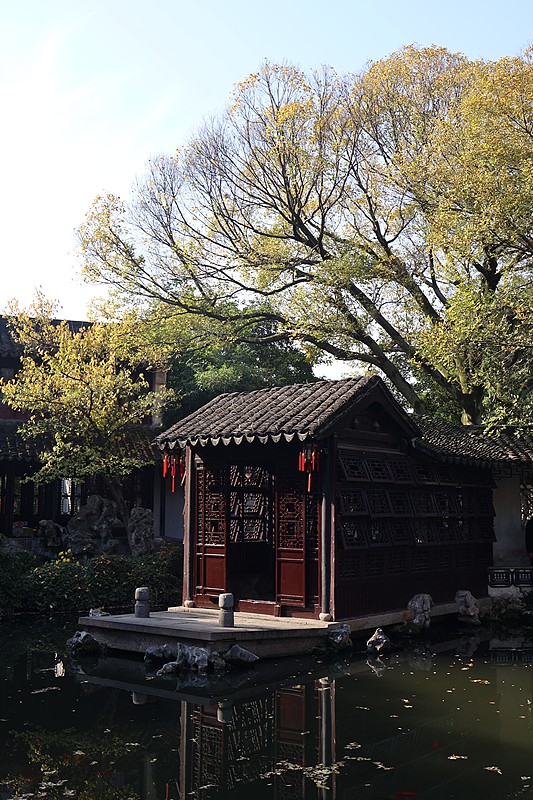
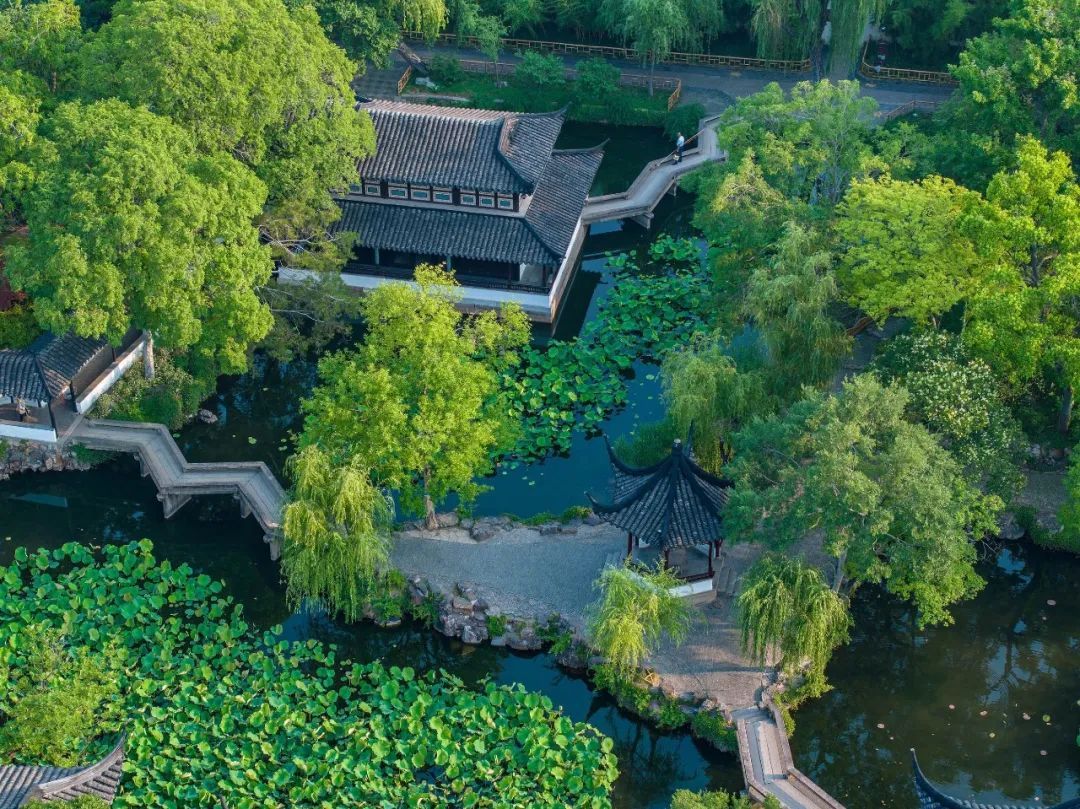
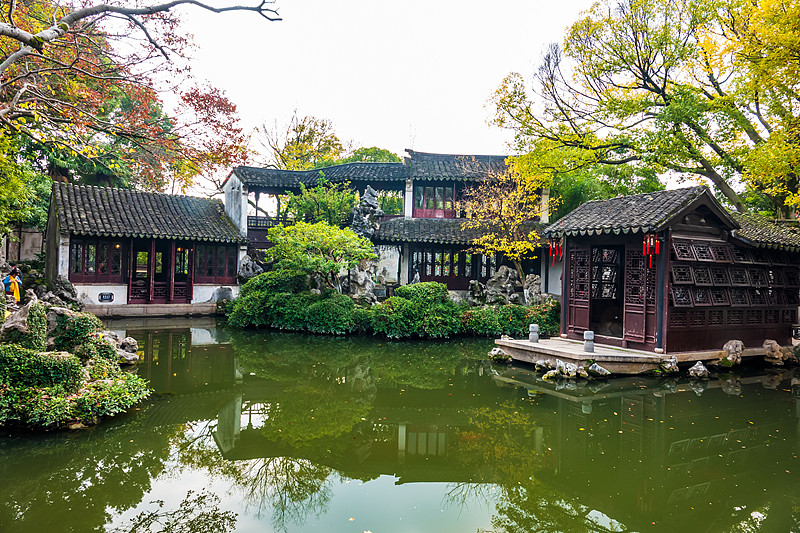
The late-Qing masterpiece built by a disgraced official who "retired to think of one's errors" — a garden that faces the water, designed to be seen from the boat.
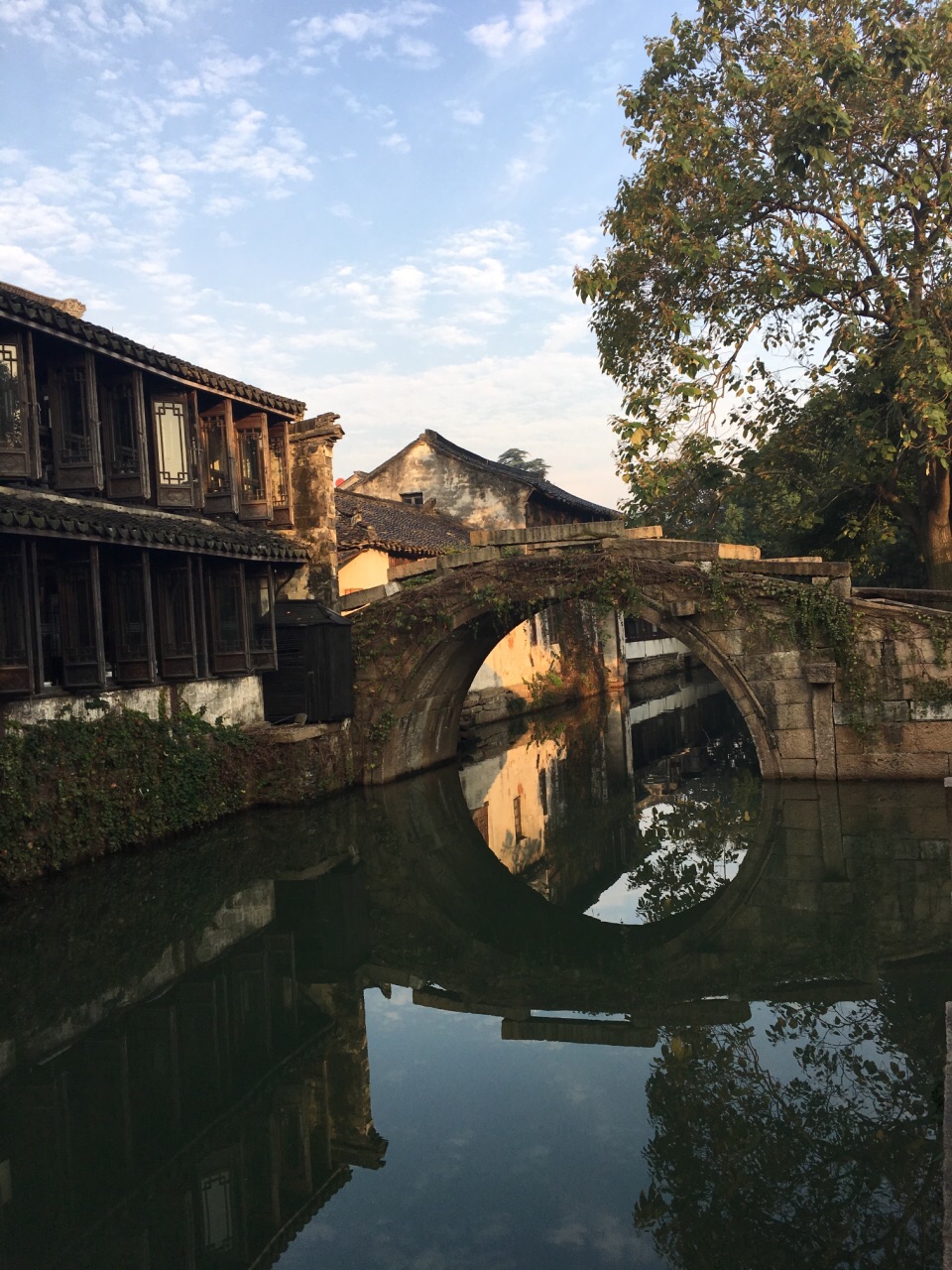
Taiping, Jili and Changqing bridges — every local wedding and birthday walks all three for luck, a ritual the town still practises.
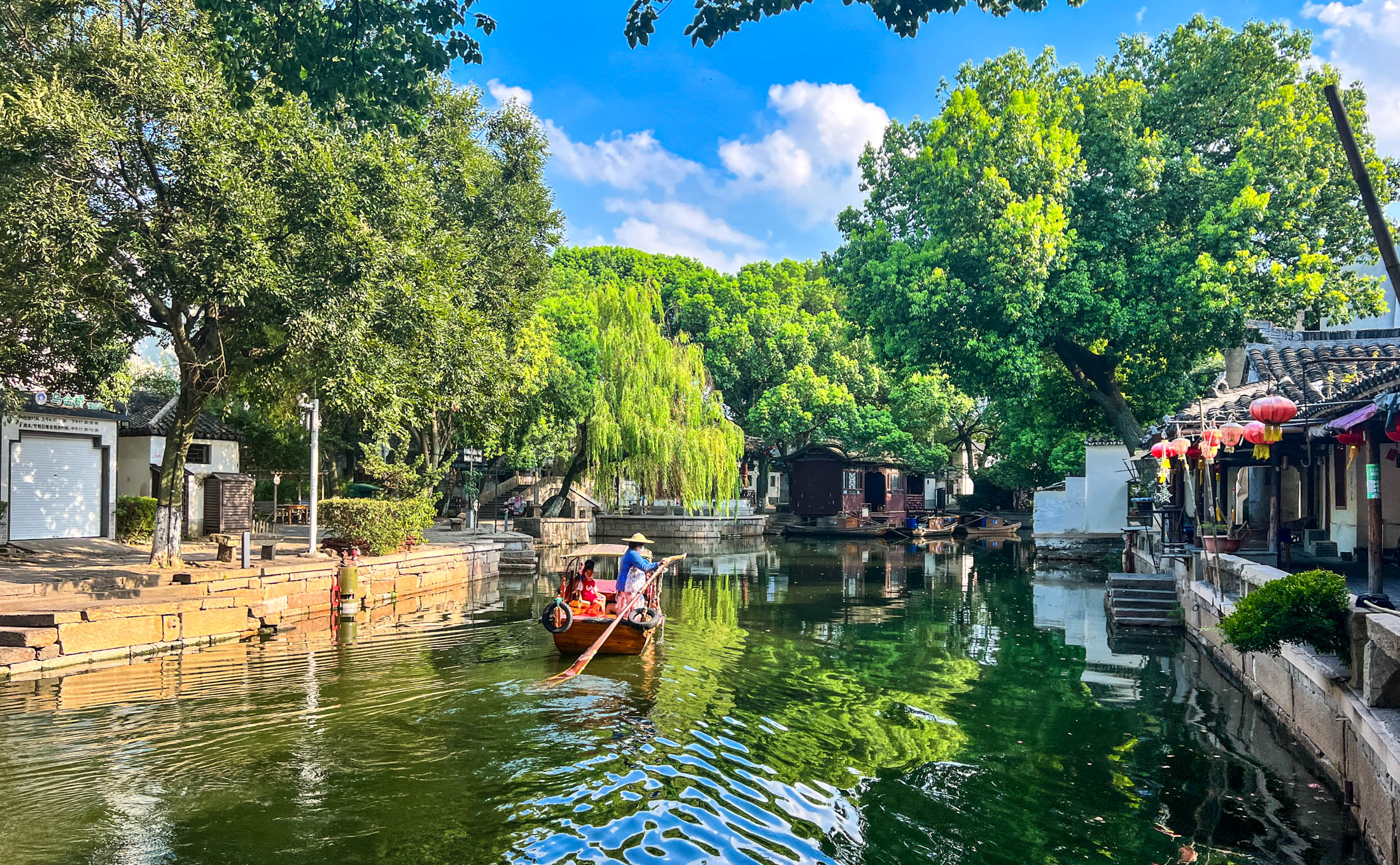
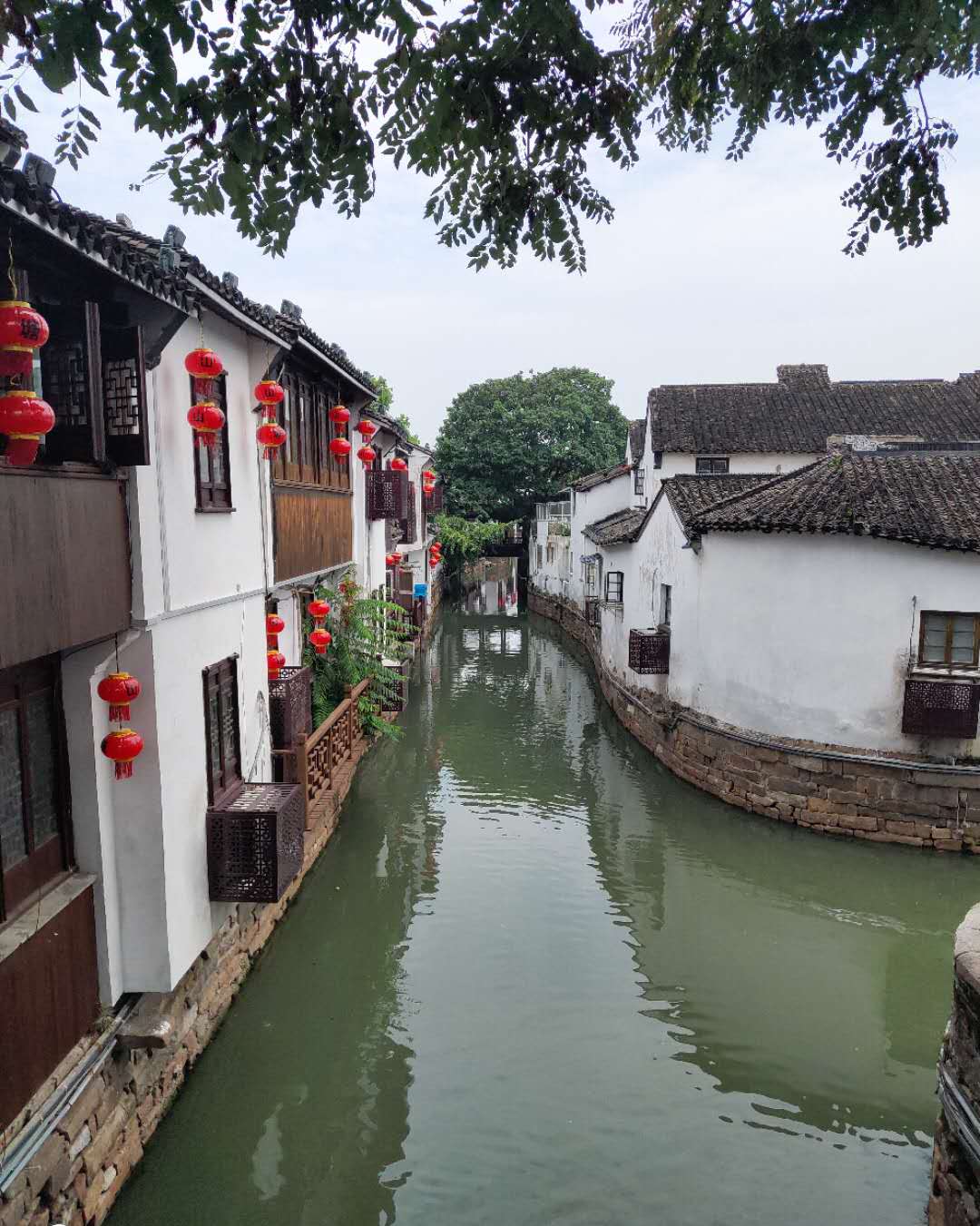
Fifteen rivers divide the town into seven islets; a gondola ride threads the bridges while the oarsman sings a Wu ballad.
Old women brew smoky "grandma tea" with dates and sesame — the water-town ritual, served on the stone steps by the canal.
The famous narrow lane where two people can barely pass — one of the most photographed alleys in Jiangnan.
The town's signature braised pork knuckle, named for the imperial scholar who loved it — dark, sweet and meltingly tender.
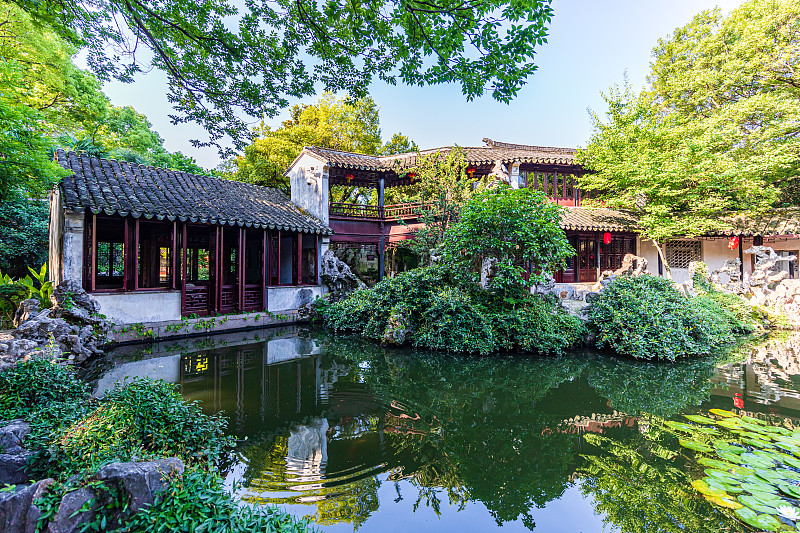
A UNESCO World Heritage garden built in 1887 — halls, rockeries and a waterside pavilion arranged around one quiet pond, "the finest garden of the late Qing".
Three Ming-era stone bridges at the meeting of two rivers — Taiping, Jili and Changqing — the lucky heart of Tongli's wedding rituals.
Oared gondolas thread the forty-nine bridges while the boatmen hum Wu tunes — the classic way to see the water town.
The garden's water-facing halls and covered walkways — best seen from the boat at low light, when the town mirrors the canal.
The combined town ticket is ¥100 and covers Tuisi Garden, Jiayin Hall, Chongben Hall, Songshi Wu Garden and the Pearl Tower. The night ticket (after 16:00) is ¥80 but only covers the two great houses. Students and seniors get discounts with ID.
Yes for the essentials — Tuisi Garden, the Three Bridges, a boat ride and lunch. An overnight adds the quieter evening lanes, lantern-lit bridges and a dawn walk before the tour buses arrive.
Metro Line 4 runs to Tongli station (about 1 h from the city centre), then a short bus or taxi to the town gate. Direct tourist coaches also leave Suzhou's coach stations through the day.
Locals say walking all three bridges — Taiping (peace), Jili (good fortune) and Changqing (longevity) — brings the blessings of each. Wedding processions and first-month birthdays still walk them today.
Guesthouses inside the town put you among the canals — many have riverside balconies, from about ¥200 off-season and ¥300–500 at weekends. For fewer stairs, hotels by the south gate are easier for luggage.
Weekday mornings before 10:00 and after 17:00; spring mist and autumn evenings are the most atmospheric. Golden weeks are very busy — book accommodation and the garden ticket ahead.
The complete water-town day — Tuisi Garden, the Three Bridges, a boat ride and Ah-Po tea by the canal. View the plan →
Tuisi Garden – Three Bridges – Jiayin Hall – rowboat ride – Chuanxin Lane – Ah-Po tea
An overnight in the water town, then a full day of Suzhou's gardens and old lanes. View the plan →
Tuisi Garden – Three Bridges – night boat & lantern bridges
Humble Administrator's Garden – Pingjiang Road – Shantang Street (Suzhou)
All plans are bookable end-to-end by our team — see the full day-by-day Tongli itineraries hub, or the day-trip pages for single-day options.
The late-Qing garden of the retired official Ren Lansheng — halls, rockeries and a waterside pavilion built around a single mirror pond, designed to be read from the water. UNESCO World Heritage since 2000 and the town's unmissable highlight.
View details →Taiping, Jili and Changqing — three Ming bridges meeting at the junction of two rivers, the ritual heart of the town. Every wedding and first-month birthday walks all three for luck.
View details →A Qing merchant's house of carved lattice, courtyards and a waterside hall — one of the town's finest surviving residences, included on the combined ticket.
View details →The famous 1.2 m-wide "thread-heart lane" where two people squeeze past, plus the quieter alleys of whitewashed walls and stone steps that lead to every bridge.
View details →A scholarly rock garden of unusual Taihu stones and quiet courts — the town's hidden gem for garden lovers, included on the combined ticket.
View details →More in the region on the Jiangsu attractions page.
Join the local ritual — cross Taiping, Jili and Changqing in turn and make a wish; the town's wedding processions still do it every week.
Gondolas run from the main docks through the bridges and islets — about 30 minutes, ¥80–100 per boat, with a Wu ballad on request.
Old women of the town brew grandma tea — dates, sesame and osmanthus — on the stone steps by the canal, ¥10–15 a pot.
The garden's MR light-and-sound "painting garden" — lanterns, projection and classical music after dark, around ¥50 when it runs.
Every hotel below is bookable by our team; browse the full Jiangsu hotels directory.
Family-run inns inside the lanes, many with balconies over the water — the most atmospheric stay in Jiangnan, from ¥200 off-season.
Modern hotels and boutique stays just outside the town wall — easier for luggage and parking, five minutes from the ticket gate.
A handful of restored courtyard houses beside the garden — quiet nights and dawn walks to the pond before the crowds.
Stay in central Suzhou and visit Tongli as a metro day trip — Line 4 makes the town an easy commute from the city.
The town's signature braised pork knuckle — dark, glossy and sweet, named for the Number-One Scholar who loved it; the old shops along the main street all serve it.
Dates, sesame cakes and salted beans served with the smoky grandma tea on the canal steps — the classic water-town afternoon.
A Tongli pastry shaped like the soles of socks — flaky, sweet and cheap, baked fresh by the lane-side ovens.
Silver fish, white shrimp and hairy crab in season — the lakeside restaurants of Wujiang are a ten-minute drive from the town.
The town's sticky-rice cakes, plain or stuffed with bean paste, sold warm from the morning stalls.
The waters around Tongli farm freshwater pearls — the pearl markets at the south gate sell necklaces and loose pearls by weight.
Fine Su Xiu pieces from the town's embroidery studios — smaller and quieter than the city workshops.
Boxes of the town's pastries make easy gifts — buy fresh from the bakeries on the main street.
The oarsman's craft survives — bamboo fishing gear, wooden boat models and carved gourd souvenirs from the lane shops.
Full local-product guides live on the Jiangsu specialties page.
https://media.doubao.com/space/api/box/stream/download/all_by_mount_point/Z23dbYGZEoI2TNxY5i0c7ILvnWh
https://media.doubao.com/space/api/box/stream/download/all_by_mount_point/GK46bT82doid74xwzu3cLiQtnFf
https://media.doubao.com/space/api/box/stream/download/all_by_mount_point/G3lnbKl2fogBuUx4wAEcjM8bnab
From Tongli metro station a taxi to the town gate is about ¥15; from downtown Suzhou about ¥120–150.
The classic arrival — hire a water taxi from the lake dock and enter the town by canal, around ¥80–100 per boat.
The lake paths and town perimeter are flat and quiet — the eastern lake loop is a lovely hour's ride.
Humble Administrator's Garden, Tiger Hill and the old water streets — a metro-day-trip from Tongli into the garden city.
The famous water town of the Double Bridges and Shen's House, 40 minutes from Tongli by coach.
Qianlong's garden town under Lingyan Hill — four classical gardens on one ticket, an easy loop from Tongli.
Tea terraces of Dongting Hill, lake cruises and village fish meals along the misty eastern shore of Lake Tai.
After 16:00 you can only buy the reduced night ticket (¥80), which covers just the two great houses — day visitors should come before noon for the full town.
Each sight checks the ticket once — keep it handy; the photo ticket option lets you reuse it across three days if you stay over.
The rowboats are quietest at opening and loveliest at lantern time; midday queues build at the main docks.
Bridges, lanes and stone steps dominate — the cobbles are beautiful but slippery after rain.
Tongli is a living town — keep voices low in the lanes and do not block the doorways of the houses you photograph.
Tongli sits in the Lake Tai plain east of Suzhou, where fifteen rivers split the old town into seven islets joined by forty-nine bridges — the classic "little Venice of the East". Mild and wet, best visited in spring mist and golden autumn.
Settled since the Tang and famous by the Ming, Tongli grew rich on silk, rice and the examination success of its scholar families. Its lanes, bridges and water-facing houses survive largely as they were a century ago.
Built in 1887 by Ren Lansheng, a retired official of the Anhui circuit, the garden's name means "retiring to think over one's faults" — its water-facing design was praised by Yu Qiuyu's essay "Cultural Journey" as the purest expression of Jiangnan garden melancholy.
Everything on ToursChinaTravel is bookable through our team by email or WhatsApp. Here's where each part of your Tongli trip lives on the site.
Star-rated sight details — hours, tickets, phones and tips for every Jiangsu attraction.
Browse Jiangsu sightsStar-rated hotels across Jiangsu — sorted by rating, all bookable by our team.
Book a Jiangsu hotelLocal products, crafts and foods of Jiangsu — where to find each one.
Browse Jiangsu specialtiesLicensed agencies with addresses, phones and booking contacts.
Find a Jiangsu agencyMore city and region guides across China, including the Jiangsu guide.
Browse all guides