>
Tibet is China's roof - an average plateau of over 4,000 m walled by the Himalaya, home to the world's highest peak (Everest, 8,848 m), the world's highest saltwater lake (Namtso), the sacred mountain of four religions (Mount Kailash) and a Buddhist culture built around the Potala, the Jokhang and the great Gelug monasteries. This region guide covers all seven areas - Lhasa, Shigatse, Nyingchi, Shannan, Nagqu, Qamdo and Ngari - with the 67 classic sights and 16 classic routes of the field guide, the six entry roads (the G318 Sichuan-Tibet Highway, the Qinghai-Tibet, Yunnan-Tibet, Xinjiang-Tibet and China-Nepal routes), pass elevations, ticket ranges, bus fares and the practicalities of permits and altitude. Use the linked city guides for Lhasa, Nyingchi, Namtso and the G318 in depth, and let our team arrange the permits, drivers, hotels and tickets for your Tibet trip end to end.
The pilgrim circuit around the Jokhang - incense, prayer wheels and the tide of the old town; the essential first day in Lhasa.
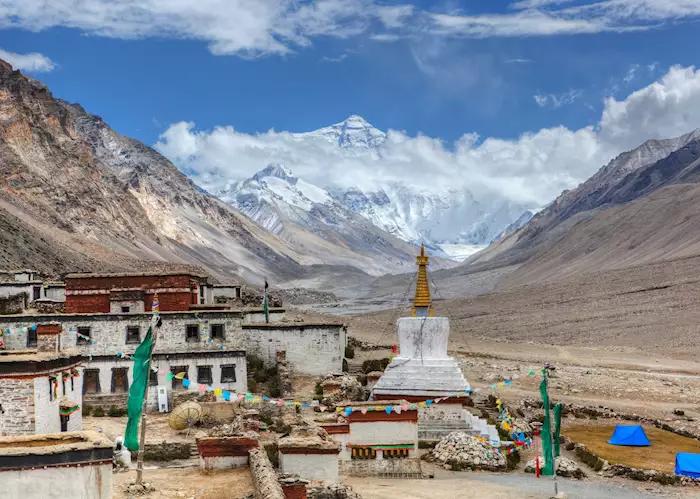
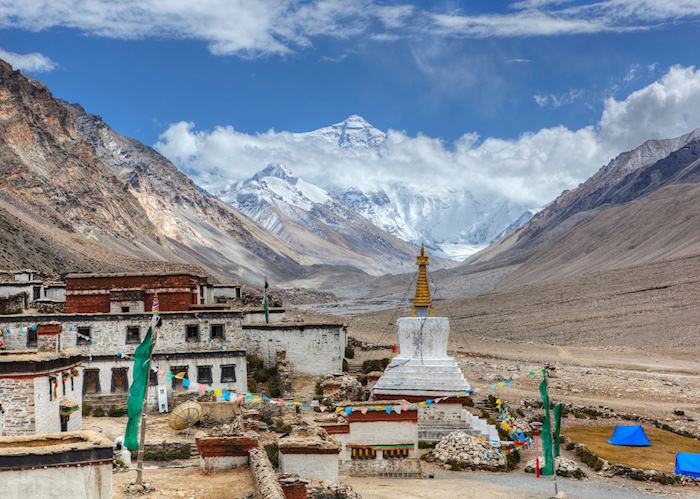
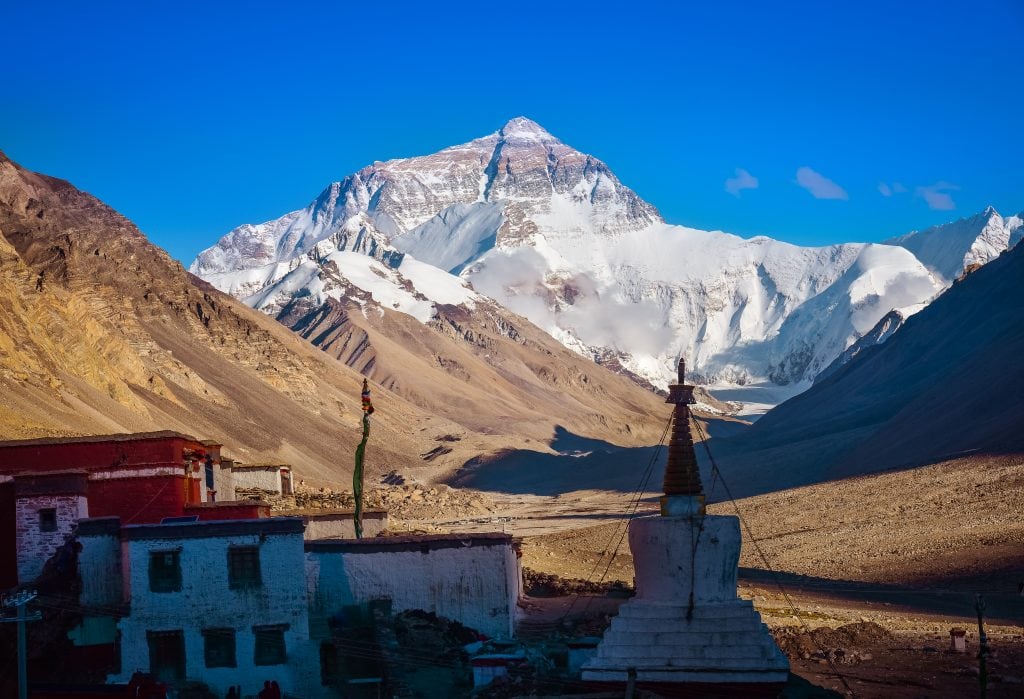
The world's highest peak from Rongbuk Monastery and the base camp - the 5,154-m monastery is the closest viewing point.
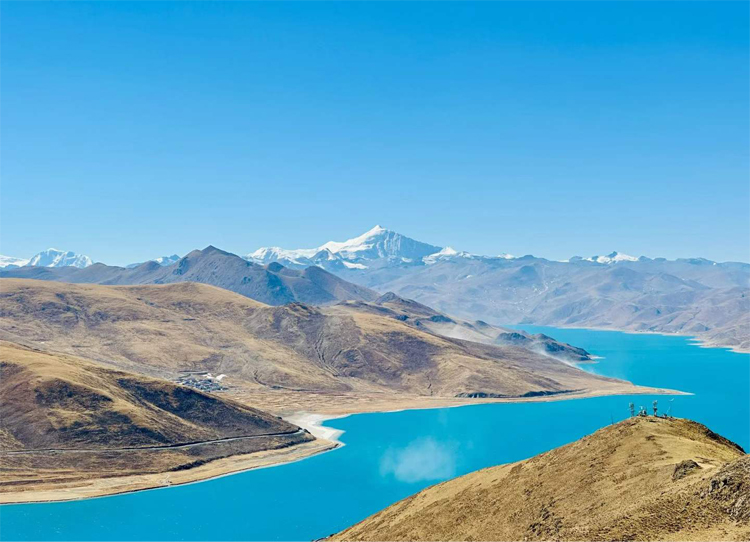
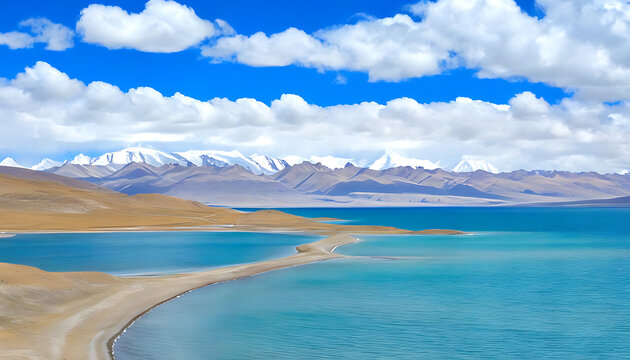
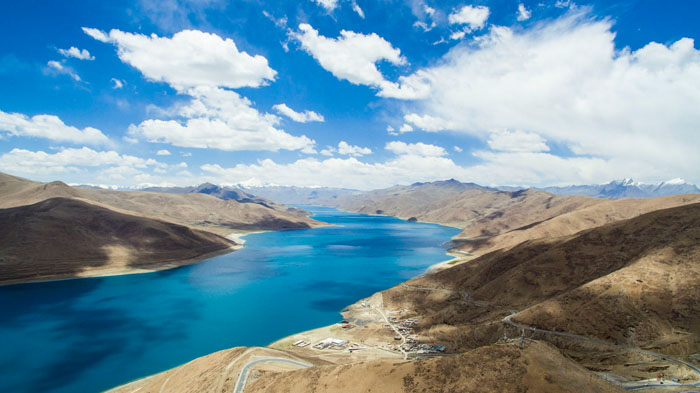
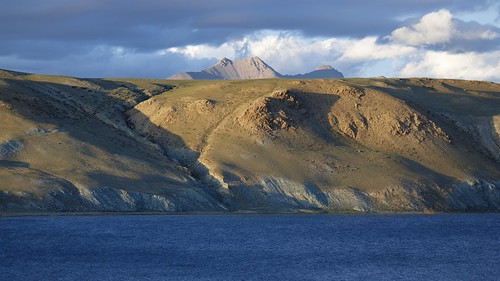
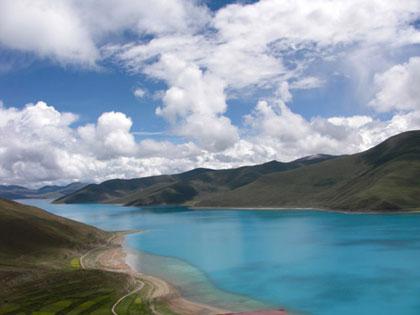
The two holy lakes of the circuit - Namtso at 4,718 m and Yamdrok with its ribbon of turquoise below the 7,191-m Noijin Kangsang.
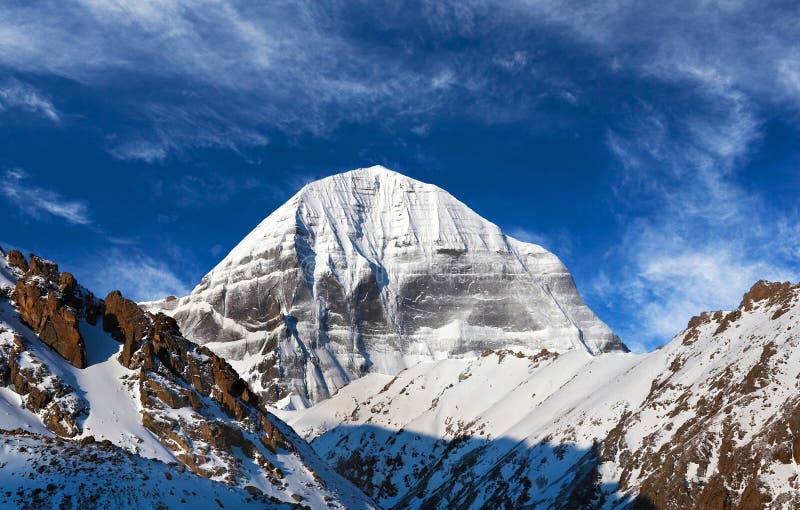
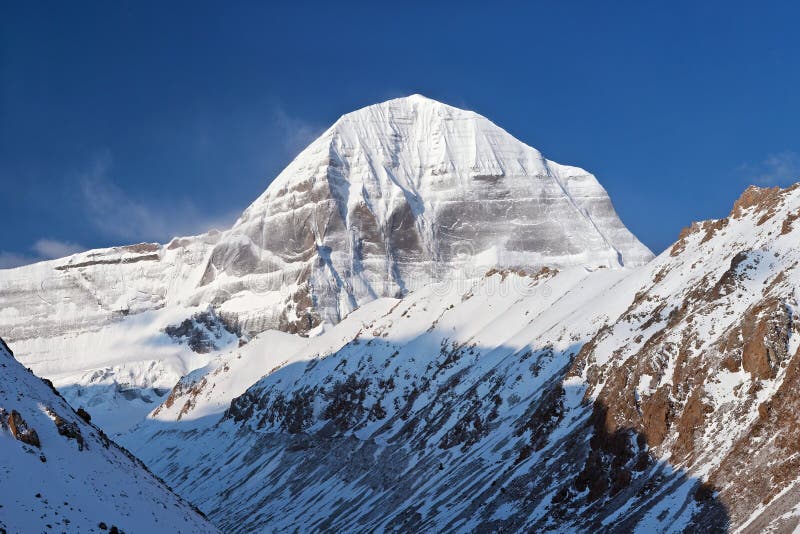
The 6,656-m pyramid sacred to four religions - the 2-3 day kora of the western plateau, the spiritual summit of Tibet.
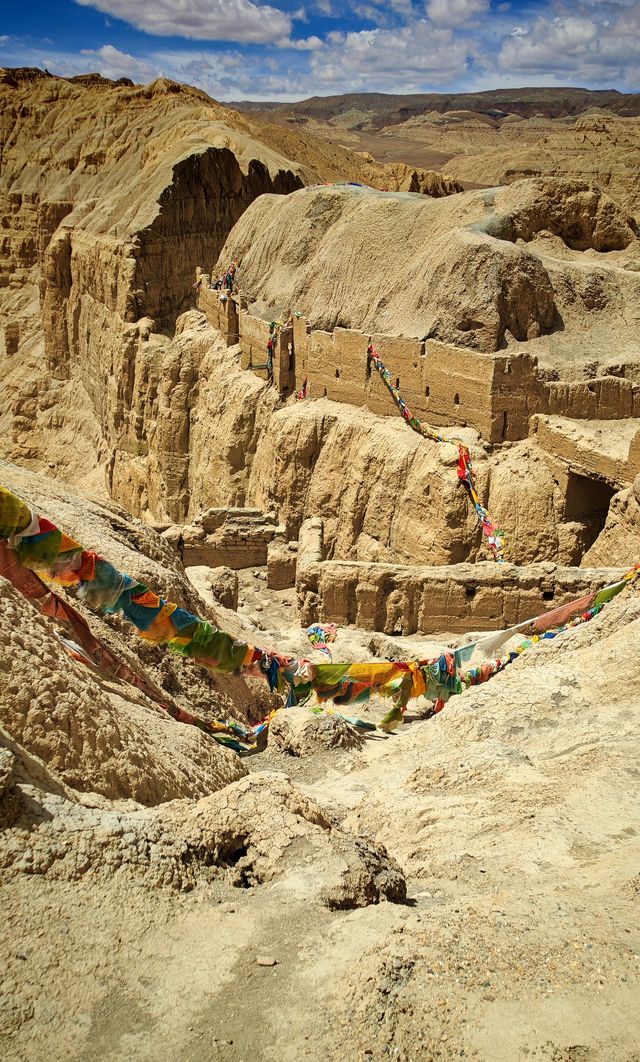
The 300-year-old vanished kingdom of Zanda - cave cities, red and white temples and the clay colours of the Ngari earth forest.
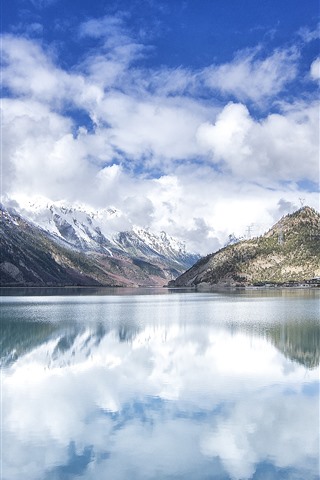
The Sichuan-Tibet Highway - the 4,298-m Zheduo Pass, Litang at 3,370 m and the Ranwu mirror lakes of the eastern road.
The 8,848-m pyramid above the highest monastery on earth.
The sacred pyramid of Ngari - never climbed, always circled.
The turquoise ribbon of the Lhasa-Shigatse road.
The 4,588-m holy lake at the foot of Kailash.
The field guide prices an 8-15 day trip at RMB 3,000-6,000 per person. The classic 8-day circuit covers Lhasa, Yamdrok, Shigatse, Everest base camp and Namtso; 12-15 days adds Nyingchi (Namcha Barwa), Shannan (Samye) or the Ngari routes to Kailash and Guge.
The G318 Sichuan-Tibet Highway (Chengdu-Lhasa, 6 days on the classic schedule), the Sichuan-Tibet Northern Route, the Qinghai-Tibet road (Xining-Golmud), the Yunnan-Tibet road (Kunming-Lijiang), the Xinjiang-Tibet road (Yecheng-Shiquanhe) and the China-Nepal Friendship Highway (Shigatse-Kathmandu). Flights land at Lhasa Gonggar, Nyingchi Mainling, Qamdo Bangda (the world's highest civil airport) and Ngari Gunsa.
Foreign and some domestic travellers need a Tibet Travel Permit, and the border areas - Everest, Kailash, Ngari, the Nepal border - add a border permit. Apply in Lhasa at the No.1 Public Security Bureau (form across from Lhasa Middle School); Shigatse, Nyingchi and other cities can also issue it but it is slower. The Kailash checkpoints at Baga check the border permit on the Ali southern route.
Lhasa is 3,650 m and the circuit touches 5,200 m (Lagen) and 5,154 m (Rongbuk). Take the first days gently, drink fluids, avoid heavy meals and alcohol, and descend if symptoms worsen - the field guide's rule is that serious altitude problems mean going down, not pushing on.
Potala RMB 200 high season (booking required), Jokhang RMB 85, Drepung RMB 50, Sera RMB 55, Namtso RMB 120 peak / RMB 60 low, Yamdrok about RMB 40, Everest base camp about RMB 180 plus vehicle fee, Kailash about RMB 150; monasteries of the Shigatse area (Tashilhunpo, Baiju) charge RMB 80-90. Fares: Lhasa-Shigatse 280 km RMB 48-90, Lhasa-Gyantse 264 km RMB 50, Lhasa-Qamdo 1,121 km RMB 280.
May to October is the practical season for the classic circuit. The Everest and Ngari roads are best May-July and September-October (July-early September is the rainy season); Qamdo is best in May, June and September; the passes close with snow from November to March, when the ice plains and empty monasteries belong to the hardy.
Yes - email [email protected] or message us on WhatsApp. Our team arranges the permits, the drivers, the hotels and the entry tickets for the classic circuit or the Ngari routes, free of charge and without obligation.
The Potala, Yamdrok, Shigatse, Everest base camp and Namtso in the classic ring of the field guide. View the plan →
Arrive in Lhasa and rest at 3,650 m - a slow walk of the Barkhor in the evening for the first feel of the old town.
The Potala Palace, the Jokhang, the Barkhor kora and the Yaowang Hill viewpoint - the essential Lhasa day.
Drepung Monastery, Norbulingka and the Tibet Museum - the great Gelug monastery and the summer palace.
South over the Gampala Pass to Yamdrok Lake, the Karola Glacier and Gyantse Fort, then on to Shigatse for the night.
West through Lhatse and over the Gyatso La Pass to Tingri and Rongbuk Monastery below Everest.
Everest base camp in the morning light, the return to Shigatse and the night in the city.
Tashilhunpo Monastery, the Yarlung Tsangpo valley, Yangbajing hot springs and on to Namtso.
Namtso dawn, the northern grassland, Damxung and the afternoon return to Lhasa.
The holy mountain, the holy lake and the vanished kingdom - the great western circuit. View the plan →
Lhasa to Shigatse via Yamdrok, the Karola Glacier and Gyantse Fort.
Shigatse to Saga via Lhatse, the Gyatso La Pass, Tingri and the Peiku Lake below Shishapangma.
Saga through Zhongba and Paryang over the Mayom La to Lake Manasarovar - the night at the Chiu Monastery village.
The Manasarovar kora morning, the Rakshas (Ghost) Lake, then to Darchen at the foot of Kailash.
The Kailash kora begins - the day over the Dolma La pass and the night at the Zutulpuk Monastery.
Complete the kora at Darchen, drive past Men Shi and the Bal garrison to the Zanda earth forest and Toling Monastery.
The Guge Kingdom ruins at dawn, then back through Bal to Paryang and Zhongba for the night.
Zhongba through Saga and the 22nd work station to Lhatse and Shigatse.
Shigatse via Nyemo back to Lhasa - the final valley day of the circuit.
All plans are bookable end-to-end by our team — see the full day-by-day Tibet itineraries hub, or the day-trip pages for single-day options.
The 8,848-m pyramid of the Himalaya - Rongbuk at 5,154 m is the highest monastery on earth and the closest public viewpoint; the base camp lies 8 km further. Entry about RMB 180 plus the vehicle fee.
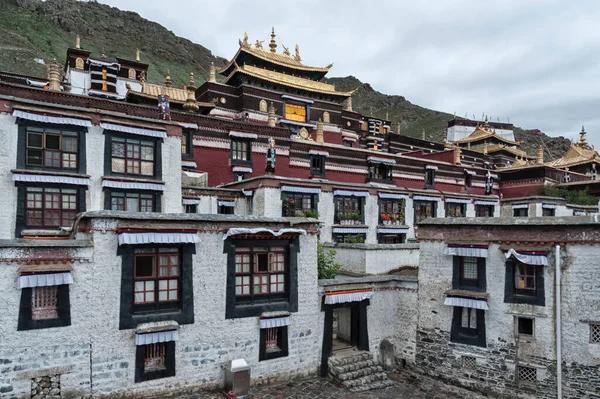
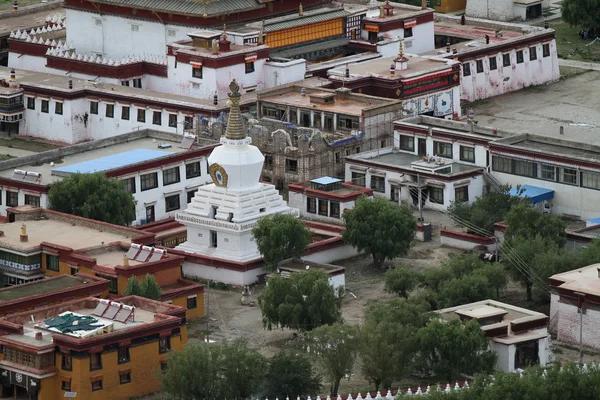
View details →The seat of the Panchen Lamas and the largest monastery of Shigatse - one of the six great Gelug monasteries, with the giant Maitreya statue and the golden roofs of the slope. RMB 80-90, 09:00-12:00 & 14:00-17:00.
View details →One of the three great holy lakes - the 638 km2 turquoise ribbon below the Gampala Pass (4,978 m) on the Lhasa-Shigatse road; the most-photographed lake of the circuit. About RMB 40.
View details →The first monastery of Tibet (c. 775), modelled on the mandala of the universe - the central Wutse Hall as Mount Meru, the four continents and the white stupas inside the circular wall. RMB 40-60, 09:00-16:00.
View details →The mirror lake of the G318 east - 'Tibetan Switzerland' at 3,850 m, with the Midui glacier tongue a 2-hour forest walk away; the blue-tears colour changes with the season.
View details →The 6,656-m sacred pyramid of Ngari - holy to Bon, Buddhism, Hinduism and Jainism; the 2-3 day kora circles it clockwise with a night at Drirapuk and Zutulpuk. Entry about RMB 150.
View details →The 4,588-m holy lake 20 km southeast of Kailash - the world's highest freshwater lake, source of the Indus, Sutlej, Brahmaputra and Karnali; the 60-km kora takes 4-5 days. Free.
View details →The 72-hectare cave city of Zanda - the vanished kingdom of western Tibet, its red and white temples and murals above the clay earth forest; a national key heritage site. About RMB 100.
View details →More in the region on the Tibet attractions page.
The 2-3 day clockwise circumambulation of the sacred mountain - Buddhist tradition holds that a circuit in the horse year equals thirteen ordinary ones.
The 'Da Qiong' of the northern grassland - from 1 August each year, 5-15 days of horse racing and the herding culture of the Changtang.
The sheep-year circumambulation of the heavenly lake, and the international trekking festival of the Shoton season.
The August festival of Lhasa - the giant thangka of Drepung, Tibetan opera and the yoghurt feast of the old town.
Every hotel below is bookable by our team; browse the full Tibet hotels directory.
Courtyard guesthouses of the Barkhor lanes and the sweet-tea quarter - RMB 60-300; see the Lhasa city guide for the full list with phones.
The second city sleeps well - RMB 100-400 for clean twins near Tashilhunpo; the regional hotels of the prefecture town.
The tent camp and the Rongbuk guesthouse (about RMB 60-100 per bed, cold and basic) - the closest sleep to the world's highest peak.
Tent and tin-sheet rooms at the Tashi Peninsula (RMB 20-300) and the simple guesthouses of Darchen, Saga and Zanda - bring a sleeping bag for the remote nights.
The two teas of Tibet - the salty butter tea of the monasteries and the sweet tea of the Lhasa houses; both are served everywhere.
The roasted-barley staple with hand-grabbed yak and the stews of the road; momos (dumplings) appear on every menu.
The Chinese restaurants of the highway towns - hotpot, noodle bowls and the filling food of the truck stops.
The sour yak-milk yoghurt of the plateau - the Shoton festival is named for it.
The painted scrolls and statues of the Barkhor workshops and the monasteries - the signature craft of Tibet.
The brass wheels, mani beads and prayer flags of the old-town markets - small and easy to carry home.
The warm yak-wool shawls and the traditional knives - buy in the Barkhor and keep the receipts.
The famous plateau tonics of the herb shops - buy from licensed shops only.
Full local-product guides live on the Tibet specialties page.
Chengdu-Lhasa in 6 days on the classic schedule - Ya'an, Luding, Kangding, Xinduqiao, Litang, Batang, Markam, Zuogong, Baxoi, Ranwu, Bomi, Nyingchi, then Lhasa; the great mountain road of the plateau.
Xining-Golmud-Tanggula-Nagqu-Lhasa - the smooth northern entry; the Qinghai-Tibet railway runs the same corridor with the world's highest rail pass.
Shigatse-Lhatse-Tingri-Nyalam-Zhangmu to Kathmandu - the classic exit road; Lhasa-Kathmandu in one day is possible but the field guide advises the Shigatse overnight.
Yamdrok, Shigatse, Tingri and Rongbuk - the world’s highest peak in three days from Lhasa.
The turquoise lake, the Karola Glacier and the fort town of Gyantse on the Lhasa-Shigatse road.
The first monastery of Tibet and the first palace - the Shannan heritage day.
The Tibet Travel Permit and the border permits for Everest, Kailash and Ngari come first - apply in Lhasa (No.1 Public Security Bureau, form across from Lhasa Middle School) and allow the processing days.
Ascend gradually, sleep lower than you climb, drink fluids and avoid alcohol; the passes at 5,000 m+ are not the place to test your limits.
Remove hats and sunglasses indoors, step over the thresholds (not on them), never photograph the monks or the murals without permission, and do not block the prostrating pilgrims.
Enter the temples of the route - the field guide's advice is to listen to the chanting and pray sincerely, not just photograph the roofs.
The Ngari and Namtso villages are cash-first - small notes for the tickets, curds and the horse rides.
The passes close with snow (Nov-Mar), and the July-September rains make the Ngari roads difficult - plan the western routes for May-July or September-October.
The region's tourism office in Lhasa - itineraries, complaints and the current permit rules. Phone not published.
The main air gateway, about 60 km south of Lhasa; shuttle buses and taxis into the city.
For altitude symptoms rest, fluids and warmth - and descend promptly if they worsen; Lhasa's hospitals run 24-hour emergency care.
Tibet's average elevation exceeds 4,000 m - the highest inhabited region on earth, with the Himalaya wall of the south and the Changtang grasslands of the north.
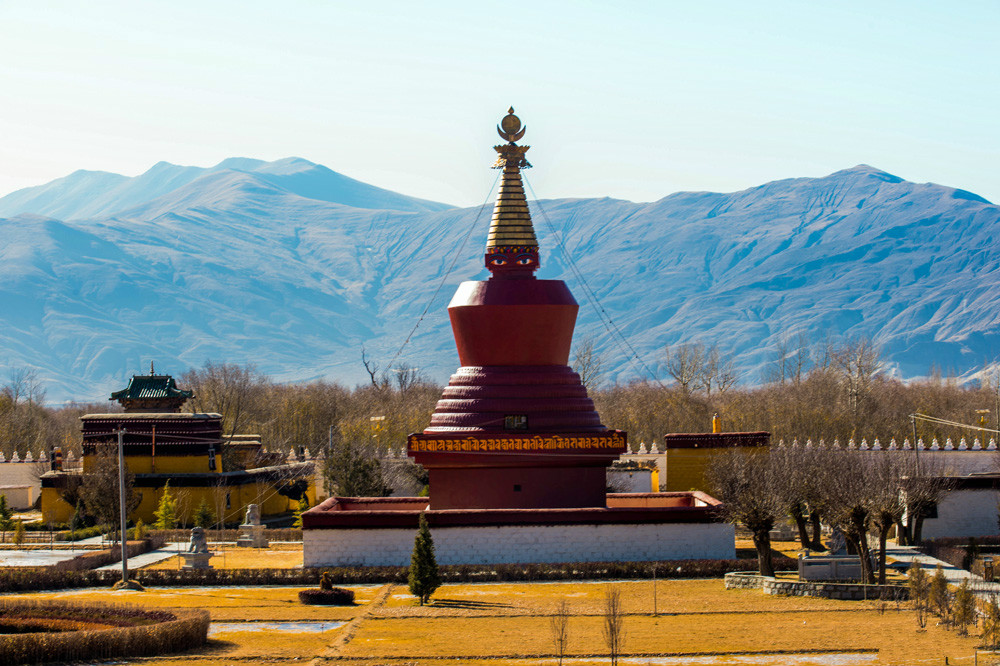
The Gelug monasteries of Lhasa, Shigatse and Shannan - the Potala, Tashilhunpo, Drepung, Sera and Samye - carry the culture of the plateau; the Barkhor kora is its living heart.
The Guge kingdom of Ngari rose after the fall of the Tubo dynasty and vanished in the 17th century, leaving the cave city of Zanda; the sacred lakes and mountains of the west keep their ancient cults.
The 2006 film 'Qi Yue' (aka 'Namtso') and the songs of the heavenly lake - 'Namtso' by Yundan Jiumei and 'Light' by Suolang Wangmu - carry the landscape into art.
Everything on ToursChinaTravel is bookable through our team by email or WhatsApp. Here's where each part of your Tibet trip lives on the site.
Star-rated sight details — hours, tickets, phones and tips for every Tibet attraction.
Browse Tibet sightsStar-rated hotels across Tibet — sorted by rating, all bookable by our team.
Book a Tibet hotelLocal products, crafts and foods of Tibet — where to find each one.
Browse Tibet specialtiesLicensed agencies with addresses, phones and booking contacts.
Find a Tibet agencyMore city and region guides across China, including the Tibet guide.
Browse all guides