>
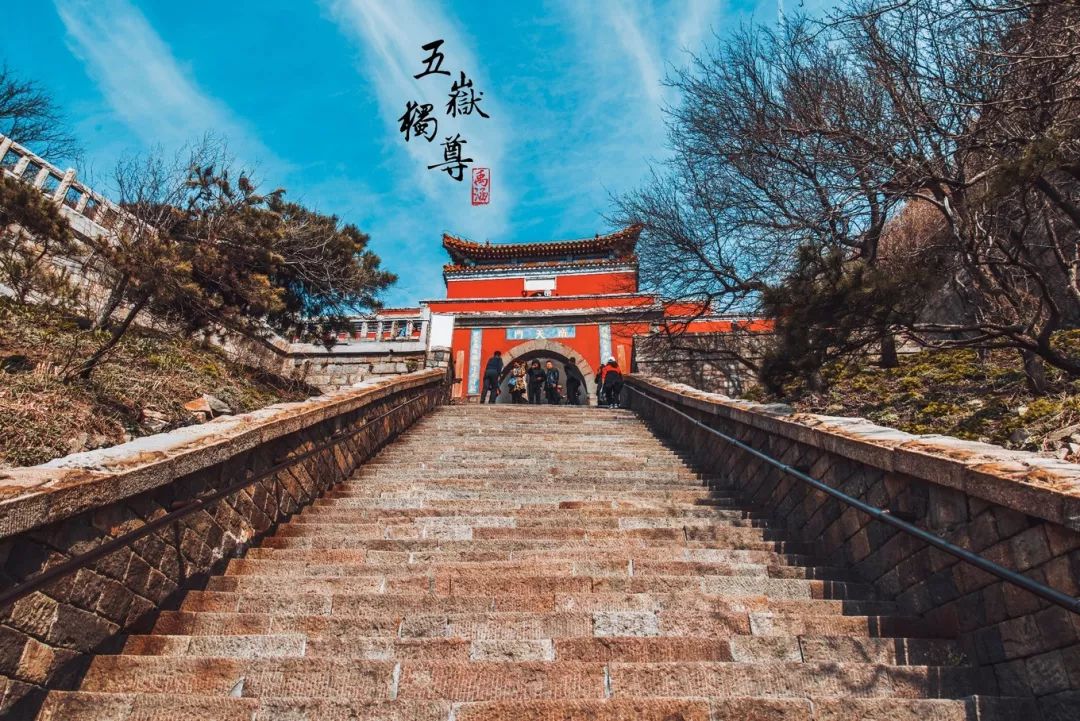
The first of China's Five Great Mountains and the stairway to heaven — 7,000 steps from the Red Gate to the summit at 1,545 m, climbed by emperors, poets and pilgrims for three thousand years. The dawn from the summit is the most famous sunrise in China; the climb itself, through the Eighteen Bends and under the stone inscriptions of the ages, is the pilgrimage every traveller should make at least once.
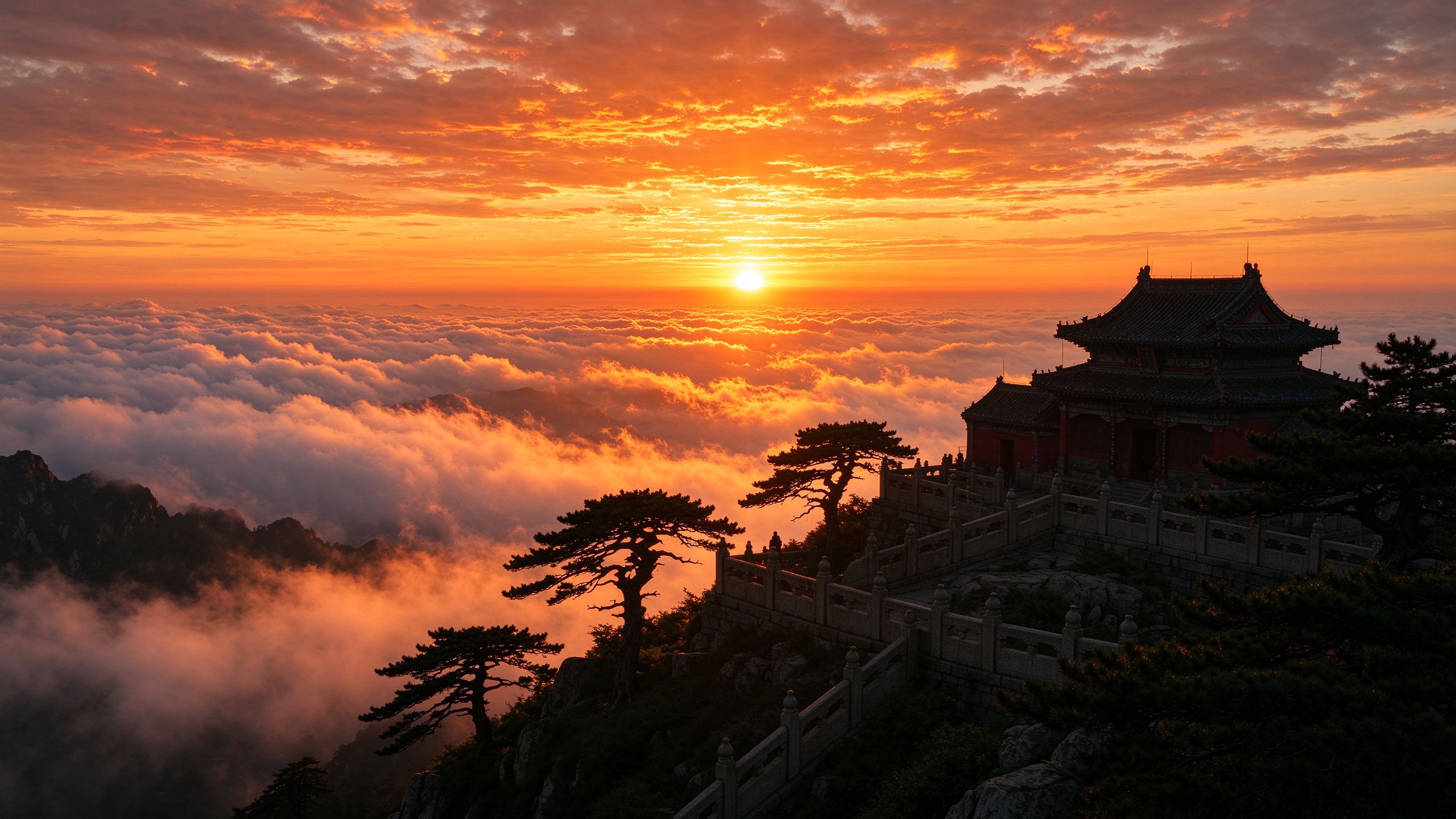
The most famous dawn in China — the sun rising out of the sea of cloud from the 30-metre viewing terrace east of the Jade Emperor Peak.
The 1,600 steps of the last great staircase — the 'gate of heaven' approach that emperors walked, and the steepest, proudest hour of the climb.
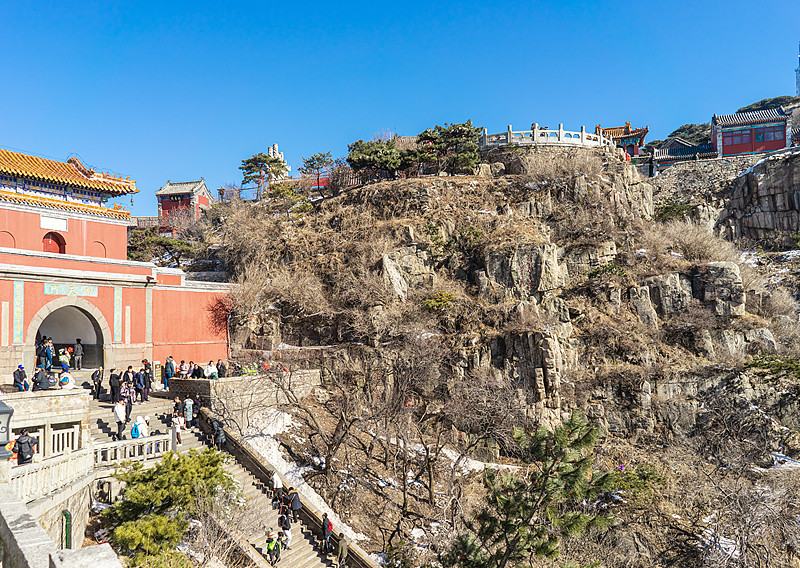
The 100 metres of 'street in the sky' from South Heaven Gate to the Bixia Shrine — teahouses, stele forests and the summit life of the mountain.
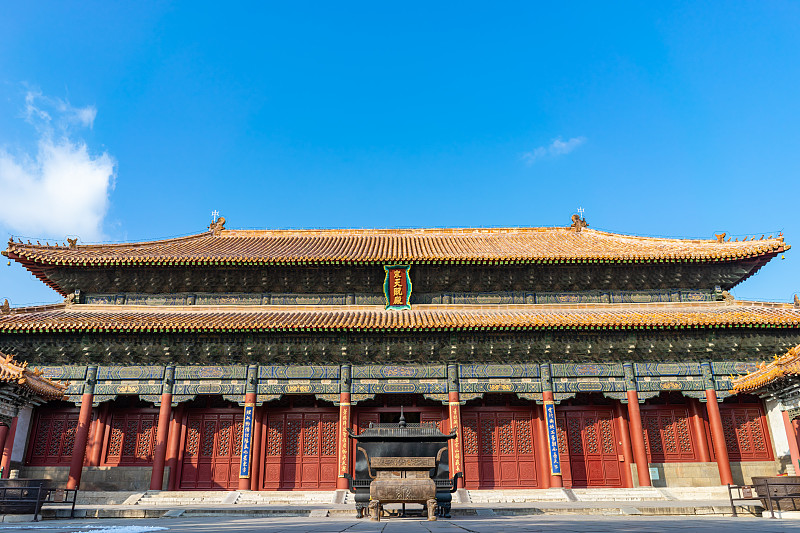
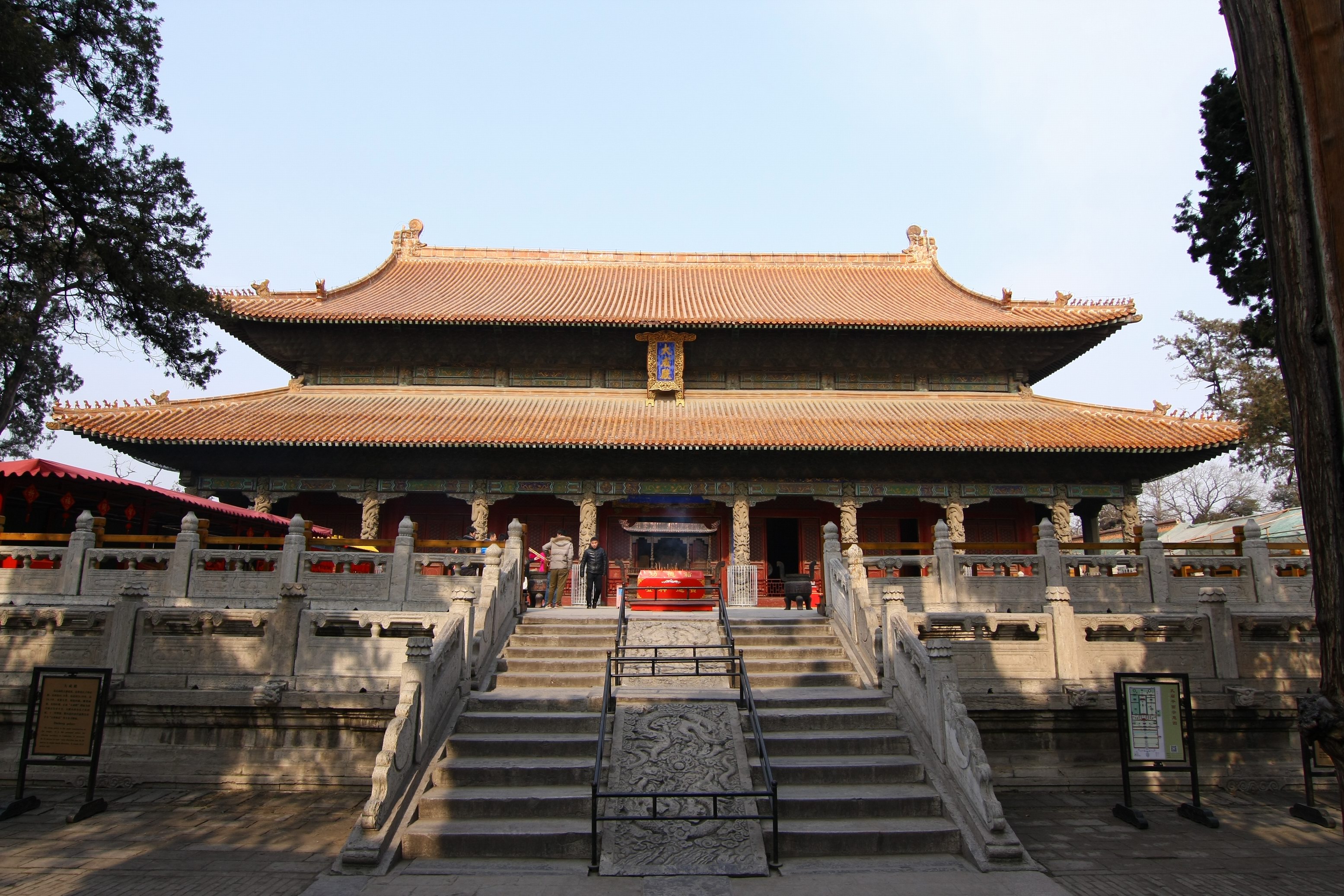
The temple at the foot where emperors reported to heaven — the Tiankuang Hall and its murals, the greatest temple of the eastern sacred mountain.
From 22:00, headlamps string up the Red Gate road — five hours to the summit in time for the sunrise, the classic pilgrim's night.
Cabbage, tofu and water — the mountain's 'three beauties' of the vegetarian banquet, eaten the way the emperors ate before the climb.
From the Red Gate through Doumu Palace and Mid-Heaven Gate to South Heaven Gate — the 6,666 steps of the imperial route, lined by 1,800 stone inscriptions of the ages.
Riguang Peak and the Jade Emperor Peak, 1,545 m up — the dawn that generations of climbers endured the night for, when the cloud sea turns gold.
The great temple of the eastern sacred mountain, its Tiankuang Hall holding the 'Journey of the God of Mount Tai' mural — the imperial theology of the mountain in paint.
Green pines and cloud seas in spring and autumn, cool refuge in summer, and the snowscape of winter — the mountain changes face with every month.
Peak season (1 Feb–30 Nov) is RMB 127; off-peak (1 Dec–31 Jan) is RMB 102. Students and visitors over 60 pay RMB 60 peak / RMB 50 off-peak; teachers and model workers RMB 100 / 80 with valid documents. Cable cars: Mid-Heaven Gate–South Heaven Gate RMB 80 one way / 140 return; Taohuayuan RMB 80 / 140; Houshiwu RMB 20 / 40.
April–June and September–November give clear air and the classic cloud-sea days. July–August is warm but rainy; winter offers snow and off-peak prices but icy steps. The great spectacle is the sunrise — which needs an overnight on the mountain or a night climb.
The Red Gate route is about 6,666 steps and 4–6 hours up; the Eighteen Bends are genuinely steep. Fit walkers manage it; others ride the cable cars from Mid-Heaven Gate or Taohuayuan and walk the summit loop.
Yes — it is a Tai'an institution. Start about 22:00–23:00 from the Red Gate (headlamp and warm layers), reach the summit around 04:00 and wait for dawn at Riguang Peak. Cable cars do not run at night.
On the mountain, the hotels near South Heaven Gate and the summit (RMB 300–1,000, book far ahead in season) put you at the sunrise. In the city, Tai'an's hotels near the Red Gate or the train station are cheap and well connected.
Yes — email [email protected] or message us on WhatsApp. Our team arranges tickets, cable-car passes, summit hotels and the Tai'an transfers, free of charge and without obligation.
The Red Gate road up, the cable car down — the full pilgrimage in one long day. View the plan →
Start at the Red Gate by 07:00 — Doumu Palace, Mid-Heaven Gate, the Eighteen Bends and South Heaven Gate by early afternoon; walk the Sky Street, summit and Riguang Peak, then cable car and bus down to Tai'an.
A night on the summit, the great dawn, and the Dai Temple — the unhurried sacred mountain. View the plan →
Morning at the Dai Temple below the mountain, then the Red Gate climb up (or cable car from Mid-Heaven) to check into a summit hotel; sunset from Riguang Peak.
Dawn at Riguang Peak — the famous sunrise — breakfast on the Sky Street, the Jade Emperor Peak and Bixia Shrine, then walk or cable car down for the afternoon train.
All plans are bookable end-to-end by our team — see the full day-by-day Mount Tai itineraries hub, or the day-trip pages for single-day options.
The start of the classic route, where the emperor's road leaves the city — the Red Gate Palace and the 'First Gate of Heaven' arch among the pines.
View details →The half-way junction where the two climbing roads meet — teahouses, cable-car station and the first wide views over Tai'an below.
View details →The steepest 1,600 steps of the climb — three 'heaven gates' of stairs leading to the South Heaven Gate, the heart of the pilgrim experience.
View details →The gate of heaven at 1,500 m — the red arch that crowns the Eighteen Bends, the ceremonial entry to the summit world of the Sky Street.
View details →The summit at 1,545 m — the Riguang viewing terrace for sunrise, the Jade Emperor Temple at the top, and the 'sun-viewing corridor' of the poets.
View details →The temple at the foot of the mountain, home of the Tiankuang Hall and its great mural — the imperial counterpart of the climb, reached from the Red Gate's south side.
View details →More in the region on the Shandong attractions page.
Around the fourth lunar month, the Dai Temple hosts the great fair of the god of the mountain — folk operas, incense and market stalls below the Tiankuang Hall.
From April to October the Red Gate road fills after 22:00 with headlamps and singing climbers — the shared dawn ritual that defines a Tai'an night.
Most Septembers, the mountain stages guided ascents, races and photography walks timed to the cloud-sea season.
The summit shrine to the goddess Bixia draws pilgrims who climb to burn incense at her door — the living religion of the mountain, quietest in early morning.
Every hotel below is bookable by our team; browse the full Shandong hotels directory.
Beds near South Heaven Gate put the sunrise within minutes — from about RMB 300 dorm-style to RMB 1,000+ rooms; book one to three months ahead in peak season.
The half-way station's hotels suit those who climb late or want the dawn without the full summit price — from about RMB 250.
Cheap and well-connected: near the Red Gate for the early start, or the train station for the links to Jinan and Qufu — from about RMB 150.
Cabbage, tofu and water — the classic mountain trio, cooked into the tofu banquet (doufu yan) and wild-vegetable banquet that emperors ate before the climb.
The mountain's staple — large thin pancakes filled with egg and greens, the climber's lunch from the Sky Street stalls.
The rare 'red-scale' fish of the mountain streams, once a tribute to the Qing court — served braised or in the dragon-and-pearl soup.
The mountain's wild greens in a clear broth — light, warm and perfect after the Eighteen Bends.
The summit and Dai Temple sell rubbings of the great inscriptions — the character of the mountain carried home in ink.
From the Bixia Shrine stalls — the traditional offerings of the climb, bought as blessings for family and exams.
Carved 'Tai Shan' amulets and the local granite ornaments — the charm of the sacred mountain for the desk at home.
Full local-product guides live on the Shandong specialties page.
https://media.doubao.com/space/api/box/stream/download/all_by_mount_point/GK46bT82doid74xwzu3cLiQtnFf
https://media.doubao.com/space/api/box/stream/download/all_by_mount_point/G3lnbKl2fogBuUx4wAEcjM8bnab
https://media.doubao.com/space/api/box/stream/download/all_by_mount_point/Z23dbYGZEoI2TNxY5i0c7ILvnWh
https://media.doubao.com/space/api/box/stream/download/all_by_mount_point/Rw10bEPvOoICXRxIdJSc1PpAn5b
https://media.doubao.com/space/api/box/stream/download/all_by_mount_point/GoWNbhC4ro5gBAxZQWvcROtNnxg
The hometown of Confucius, an hour by rail — the Temple, Mansion and Forest make the perfect cultural pairing with the sacred mountain. Full guide on the Qufu page.
If the climb leaves time below, the Dai Temple's halls and murals plus the old town of Tai'an make an easy afternoon.
The peach-blossom valley route up the mountain's west side — gentler steps and the cable car from the Taohuayuan station.
The peak-season queue at the Red Gate can eat an hour — reserve on the official app or ask our team; the same ticket covers the whole mountain.
The climb is 4–6 hours: carry 1.5 L of water per person (replenish at Mid-Heaven Gate), and a windproof layer for the summit, which is 10°C cooler than the city.
Either book a summit bed months ahead, or start the night climb by 22:00 — headlamp, warm coat, and a thermos for the dawn wait.
Peak-season cable cars queue 1–2 hours; walk down the Eighteen Bends instead if your knees allow, or take the first car at 07:00.
Fog can close the view in minutes and snow closes trails — check the summit forecast and the official notices; the mountain closes some paths in storms.
Mount Tai rises abruptly from the Shandong plain to 1,545 m — a granite and gneiss massif older than any other mountain in China. The summit is cool year-round, with sudden weather; the classic cloud sea forms when moist air climbs the eastern slope.
The mountain was the object of the imperial feng and shan sacrifices — 72 emperors are said to have climbed it to report to heaven, from Qin Shi Huang to the Qing. The Red Gate route and its 1,800 inscriptions record two millennia of that pilgrimage; the Dai Temple below was its theology.
As the easternmost of the Five Great Mountains, Taishan was the mountain of birth and spring — the god of the mountain, the Jade Emperor's grandson, became the judge of the dead in popular religion, and the climb to the summit carried the hope of every pilgrim.
Everything on ToursChinaTravel is bookable through our team by email or WhatsApp. Here's where each part of your Mount Tai trip lives on the site.
Star-rated sight details — hours, tickets, phones and tips for every Shandong attraction.
Browse Shandong sightsStar-rated hotels across Shandong — sorted by rating, all bookable by our team.
Book a Shandong hotelLocal products, crafts and foods of Shandong — where to find each one.
Browse Shandong specialtiesLicensed agencies with addresses, phones and booking contacts.
Find a Shandong agencyMore city and region guides across China, including the Shandong guide.
Browse all guides