>
Qingcheng Mountain is the birthplace of Taoism and the mistiest of the four famous mountains of Sichuan — pine forests, mossy stone stairs and a chain of Taoist halls from the Jianfu Palace at the foot to the Shangqing Palace in the clouds. The front mountain holds the classical temples; the rear mountain hides the waterfalls and the ancient town of Tai'an. Quiet, green and threaded with cable cars, it is the perfect antidote to Chengdu's hotpot heat.
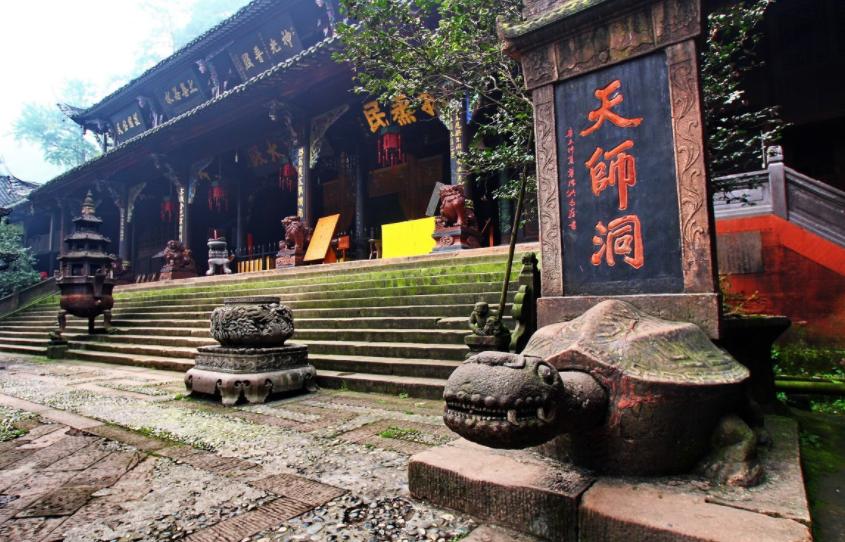
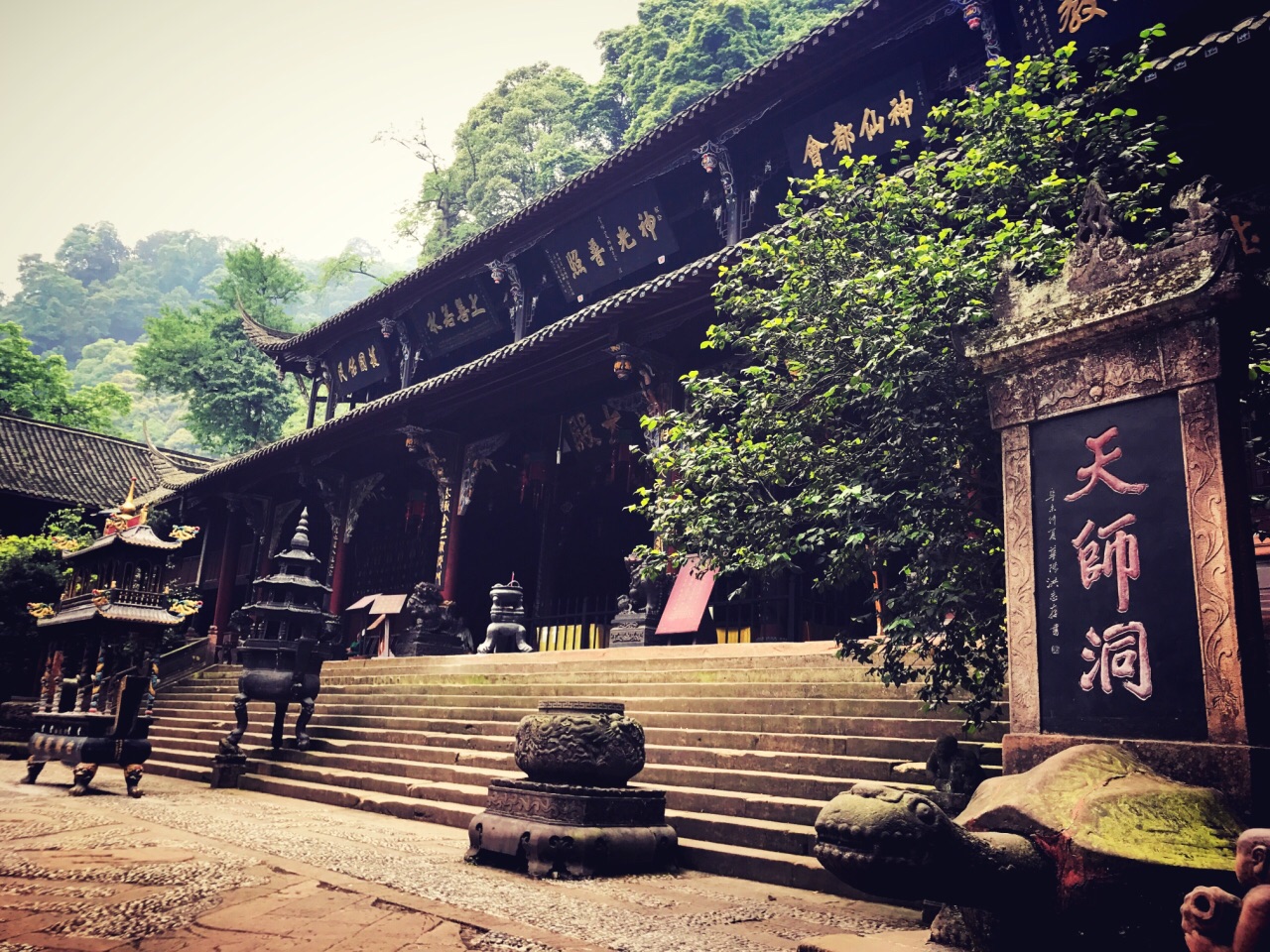
The cave temple where the Taoist patriarch Zhang Daoling is said to have taught — the spiritual heart of the mountain.
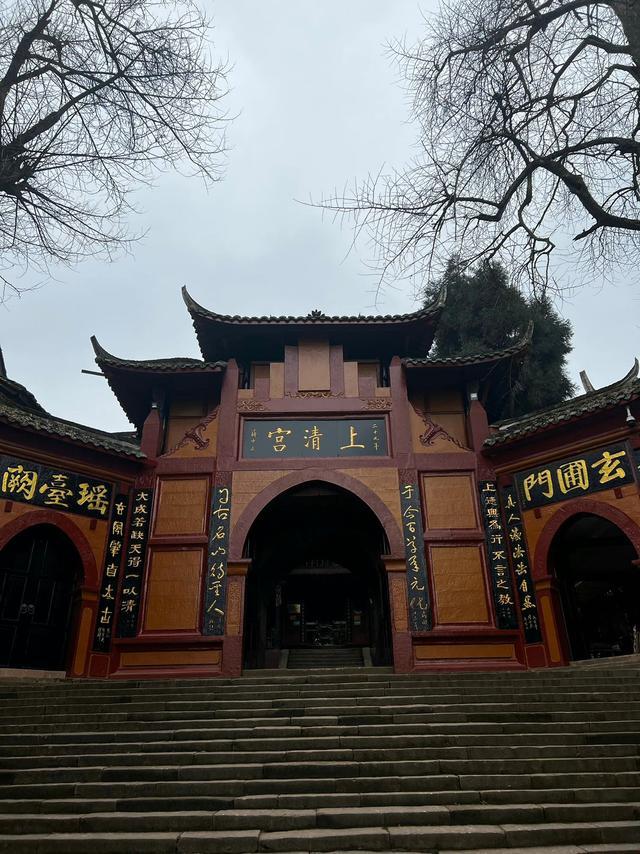
The highest of the front-mountain temples — the gate inscribed by Chiang Kai-shek, the Zhang Daqian murals and the cloud views.
The front-mountain line from Moon Lake to the upper temple, and the Baiyun line deeper in — the gentle way up the green stairs.
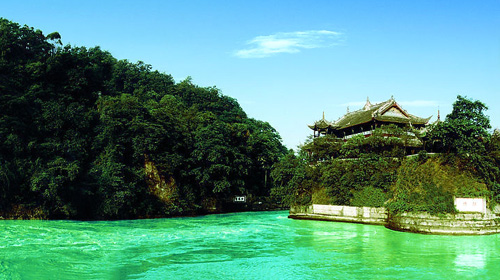
The small ferry (RMB 5) across the green lake at the mountain's foot — the classic first view.
The rear mountain's streams, caves and the five-dragon valley — the wilder Taoist landscape.
The old town at the rear gate — guesthouses, mountain food and the morning mist.
The cliff-side Taoist temple of the patriarch — incense, stele and the green mountain behind.
The cloud-top temple with its famous inscriptions and murals — the goal of the front-mountain climb.
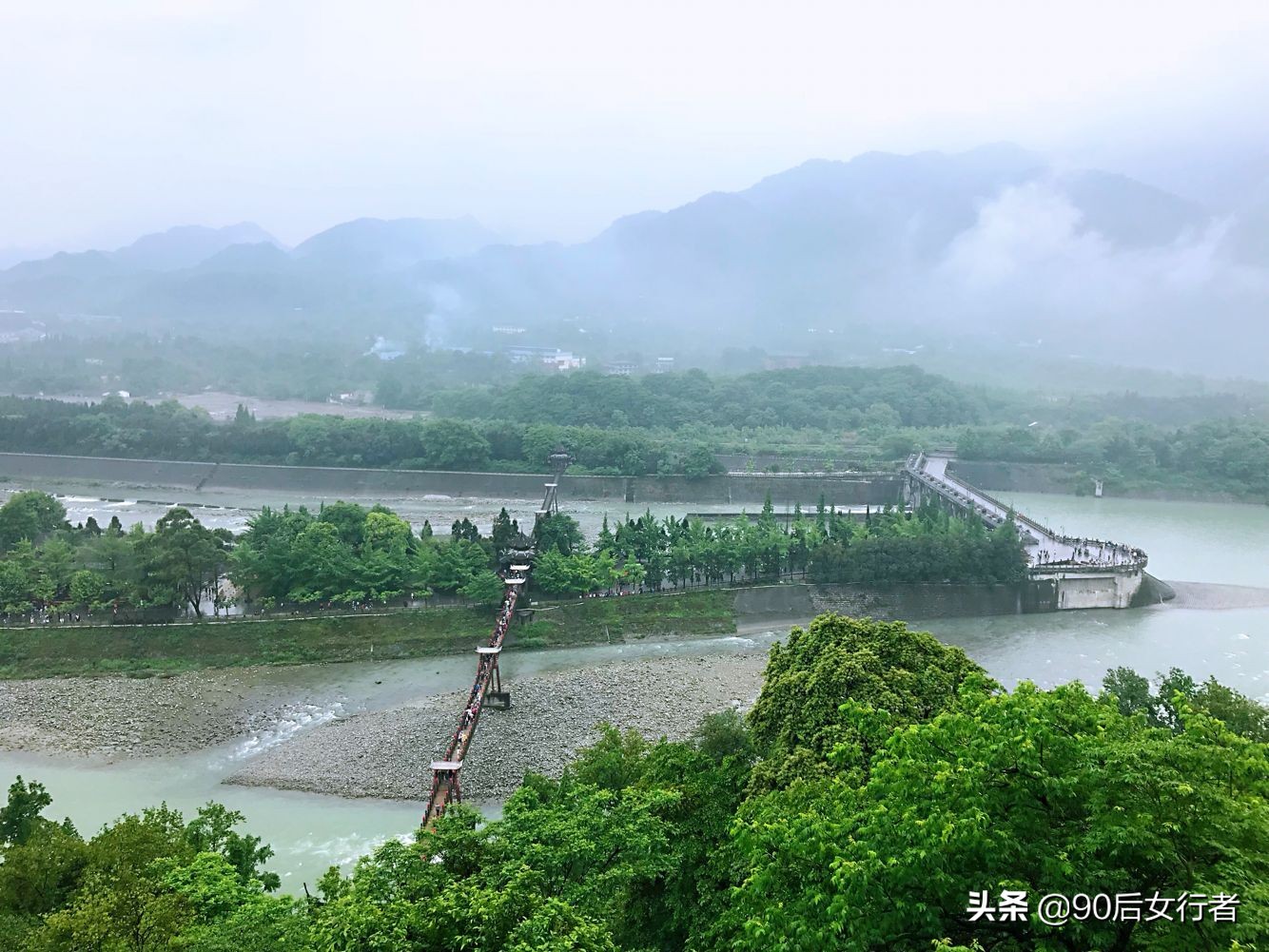
The green lake at the foot, crossed by the RMB 5 ferry to the cable car.
Waterfalls, stone stairs and the Tai'an town below — the quieter half of the mountain.
April–June and September–November are perfect — green, misty and mild. Summer offers the cool of the mountain against Chengdu's heat; winter is quiet, cold and often fog-wrapped, which suits the Taoist atmosphere.
Front mountain RMB 90; rear mountain RMB 20 plus the RMB 2 Cuiying Lake ferry. The front cable car runs RMB 35 one way / 60 return (Moon Lake to the upper temple); the Baiyun line RMB 35 / 60; the rear Jiali line RMB 30 / 55. Hours run 08:00–18:00.
The front mountain holds the classical Taoist temples and is the 'must'; the rear mountain is wilder — waterfalls, caves and the Tai'an town — and better for walkers. Two days let you do both; one day means the front.
Take the 30-minute high-speed train to Dujiangyan, then the shuttle to the mountain gate (about 20 minutes); or the direct coaches from Chengdu's Chadianzi station. The Dujiangyan–Qingcheng combined pass costs RMB 180.
The front-mountain stairs are long but gentle — about 2–3 hours to the top. The cable car shortcuts the first half; walking shoes and water are the only kit.
Yes — email [email protected] or message us on WhatsApp. Our team arranges the rail, the passes, the cable cars, a guide and the Tai'an guesthouse, free of charge and without obligation.
The classical Taoist circuit — Jianfu Palace to the Shangqing Palace and back by cable car. View the plan →
Morning at the Jianfu Palace gate and the Moon Lake ferry; the cable car to the upper trail, then the walk to the Tianshi Cave and the Shangqing Palace; afternoon descend past the natural-picture arch to the gate; evening back to Dujiangyan or Chengdu.
The wilder half — waterfalls, caves and a night in Tai'an Ancient Town. View the plan →
Morning to the rear gate; the Five Dragons Valley and the Baiyun Cave, then the Jiali cable car down to Tai'an town for the night.
Morning in the mist of the old town, the Yi Xian Bridge and the waterfalls; afternoon the Cuiying Lake ferry and the road back to Dujiangyan.
All plans are bookable end-to-end by our team — see the full day-by-day Qingchengshan itineraries hub, or the day-trip pages for single-day options.
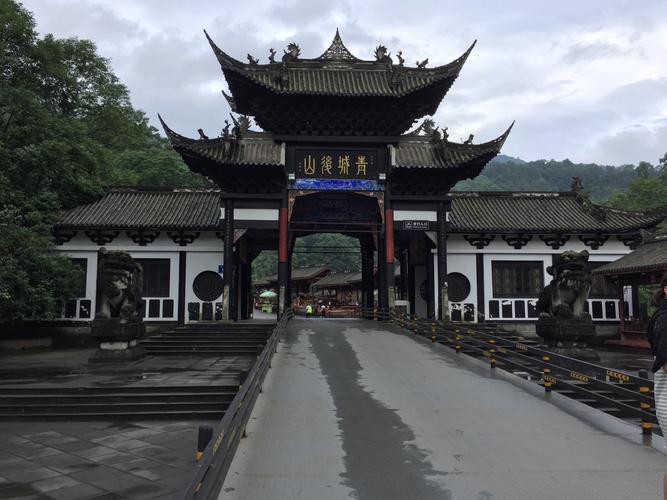
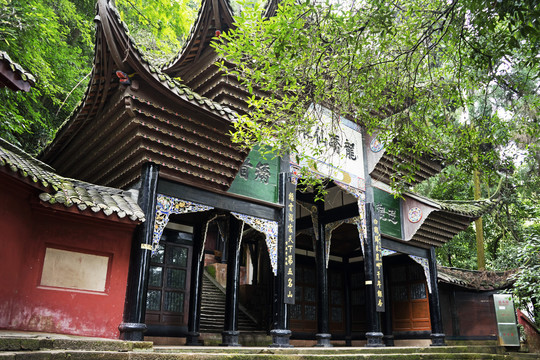
The first of the Taoist halls, entered through the green pines at the foot — the traditional start of the front-mountain circuit.
View details →The cliff temple of the Taoist patriarch Zhang Daoling — the incense, the stele and the mountain's spiritual heart, on the main stairs above the cable car.
View details →The highest temple of the front mountain — the gate inscribed by Chiang Kai-shek, the Zhang Daqian murals and the cloud views down the valley.
View details →The green lake at the foot crossed by the RMB 5 ferry, then the front cable car (RMB 35/60) up through the pines.
View details →The wilder half — the Five Dragons Valley, the Baiyun Cave (RMB 5) and the crystal caves (RMB 10), entered at the rear gate (RMB 20).
View details →The old town at the rear gate — the guesthouses, the mountain food and the misty mornings, the classic overnight of the mountain.
View details →More in the region on the Sichuan attractions page.
Each September the mountain holds its festival of Taoist music, ritual and philosophy — the cultural heart of the season.
March–May the spring climbing month draws walkers up the classical stairs — the greenest weeks of the year.
Practitioners train in the temple courtyards at dawn — join quietly, or watch from the tea tables.
The Five Dragons Valley's pools and waterfalls — the cooling summer circuit of the mountain.
Every hotel below is bookable by our team; browse the full Sichuan hotels directory.
Guesthouses in the old town at the rear gate — from about RMB 100 at the Wu family farmhouse (028-61920823), the atmospheric overnight.
The hotels at the Jianfu Palace gate and the Dujiangyan edge — the practical base for the day-tripper.
The hillside guesthouses of the Dujiangyan–Qingcheng road, from mid-range resorts to family rooms.
The river-town rooms an easy shuttle away — the night beer garden as the evening reward.
The mountain's signature — chicken braised with the ginkgo nuts of the Qingcheng groves.
The smoky mountain bacon, steamed or fried with greens — the farmhouse standard.
The preserved specialities of the Taoist table — the edible heritage of the mountain.
The famous chicken dish of the Tai'an guesthouses — the evening feast of the old town.
The white fruits of the Qingcheng groves and the local green teas — the mountain pantry.
The amulets, talisman prints and incense of the temple stalls — the spiritual souvenirs.
The matsutake and medicinal plants of the western Sichuan slopes.
The woven baskets and mats of the mountain villages.
Full local-product guides live on the Sichuan specialties page.
Take the 30-minute Chengdu–Dujiangyan line, then the shuttle or taxi to the mountain gate (about 20 minutes).
Direct coaches run from Chengdu's Chadianzi station (about 1.5 h); local buses link Dujiangyan's south gate to the mountain.
About 65 km from Chengdu via the S9 expressway — an hour's drive to the front gate; parking at the visitor centre.
The Fish Mouth and the Anlan Bridge, 20 minutes away — the two world-heritage sights of one ticket.
The white-water rafts of the Hongkou valley — the adventure day of the region.
The Five Dragons Valley, the Baiyun Cave and the waterfalls — the wilder Taoist landscape.
The front cable car skips the dullest stairs; the descent past the Tianshi Cave and the natural-picture arch is the rewarding half.
The mountain is named for its mist — a foggy morning is the classic Qingcheng experience, not a ruined one.
Dujiangyan + Qingcheng at RMB 180 beats two singles — buy it at either site if both are on the plan.
The rear-mountain town is an overnight destination — the morning mist, not the day-trip, is its point.
The stairs warm by 11:00; do the cable car and Moon Lake in the morning and the temples after lunch.
Qingcheng Mountain rises to 1,260 m above the Chengdu Plain, 15 km south-west of Dujiangyan — a massif of 36 peaks draped in mist, threaded by stone stairs and waterfalls.
The Taoist patriarch Zhang Daoling founded the Celestial Masters school here in the 2nd century, making Qingcheng the birthplace of organised Taoism. The temples were rebuilt across the centuries, and the front and rear mountains were listed with Dujiangyan as a UNESCO World Heritage Site in 2000.
Taoist ritual music, Tai Chi and the vegetarian table of the temples survive alongside the tourist path — the Taoist Culture Festival each September is the mountain's great public moment.
Everything on ToursChinaTravel is bookable through our team by email or WhatsApp. Here's where each part of your Qingchengshan trip lives on the site.
Star-rated sight details — hours, tickets, phones and tips for every Sichuan attraction.
Browse Sichuan sightsStar-rated hotels across Sichuan — sorted by rating, all bookable by our team.
Book a Sichuan hotelRoutes, airlines and schedules for flights and rail to Qingchengshan.
See China flightsLocal products, crafts and foods of Sichuan — where to find each one.
Browse Sichuan specialtiesLicensed agencies with addresses, phones and booking contacts.
Find a Sichuan agencyMore city and region guides across China, including the Sichuan guide.
Browse all guides