>
Lhasa - the Tibetan for 'place of the gods' - is the holy city of the Tibetan plateau at 3,700 m, the 'Sunlight City' of 3,000 hours of annual sunshine and the spiritual heart of Tibet. The Potala Palace rises over the old town on Marpo Ri hill; the Jokhang Temple holds the 1,300-year-old heart of the faith; the Barkhor kora circles it with pilgrims, prayer wheels and the most famous market of the plateau; and the great monasteries - Sera with its 3 pm debate, Drepung of the Shoton festival - ring the valley. Most travellers give the city three to four days before the lakes and passes, with Namtso Lake (4,718 m) the classic extension. This guide carries the ticket prices, opening hours, guesthouses, restaurants and phones from the field guide, so you can plan it yourself or have our team arrange it end to end.
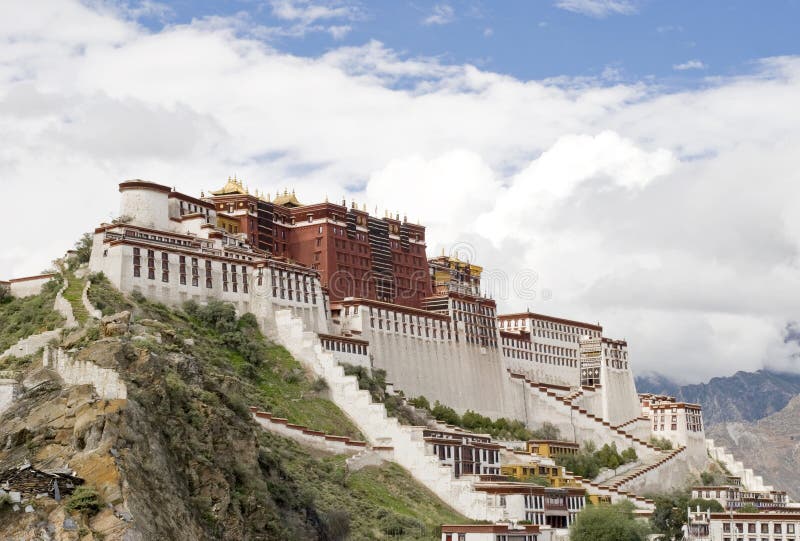
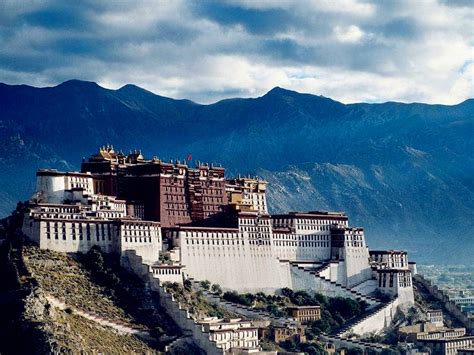
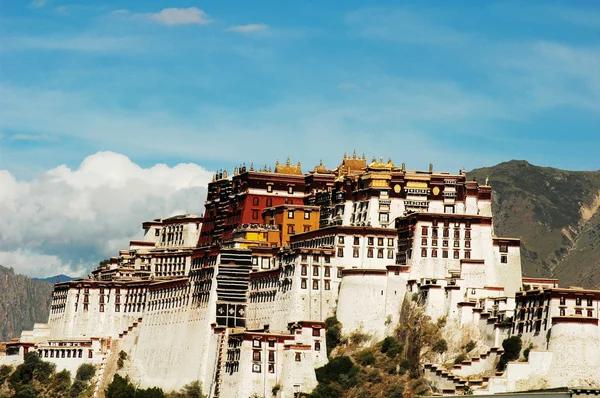
The 1,300-year-old palace of the Dalai Lamas on Marpo Ri hill - the tallest building of old Lhasa and the symbol of the Roof of the World.
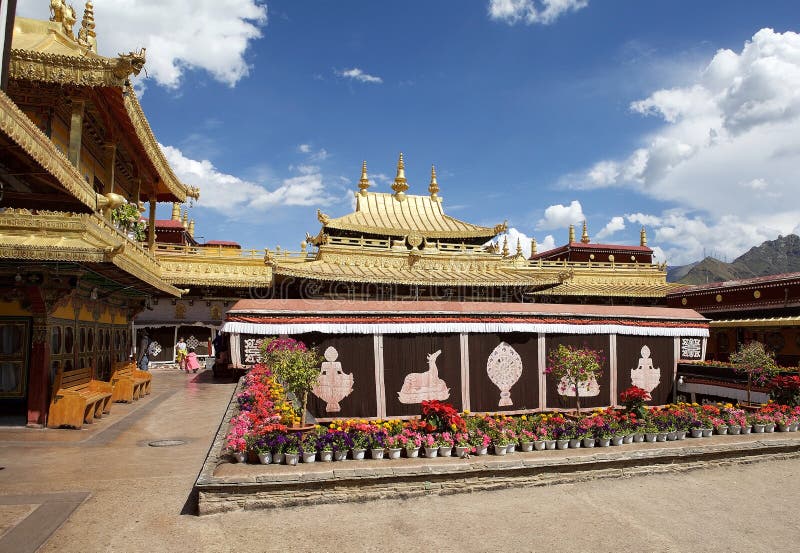
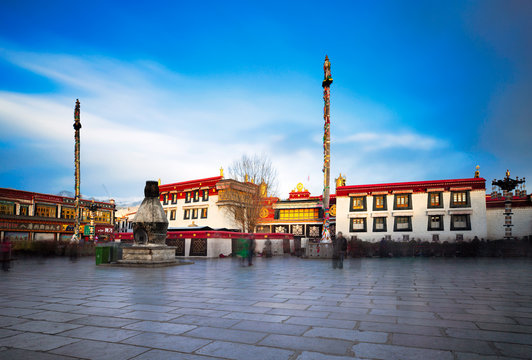
The holiest temple in Tibet - the Jowo Shakyamuni statue and the pilgrim tide of the 1,300-year-old courtyard.
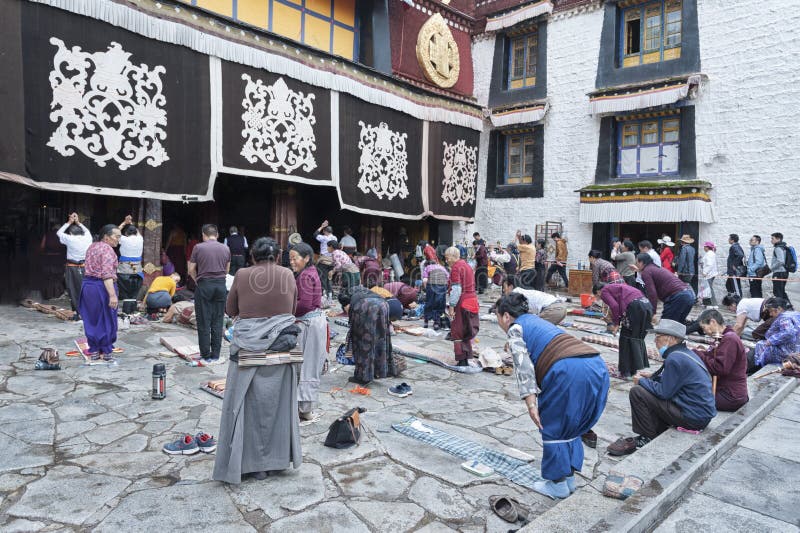
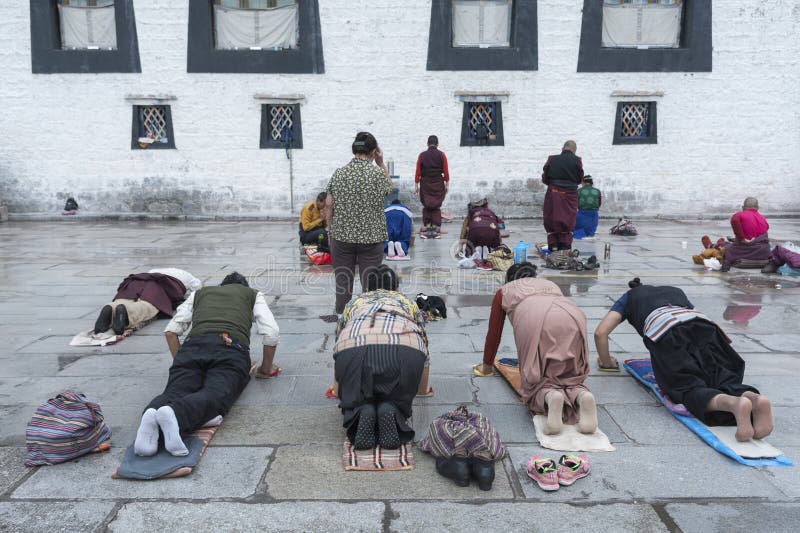
The pilgrim circuit around the Jokhang - prayer wheels, prostrations and the market of the old town.
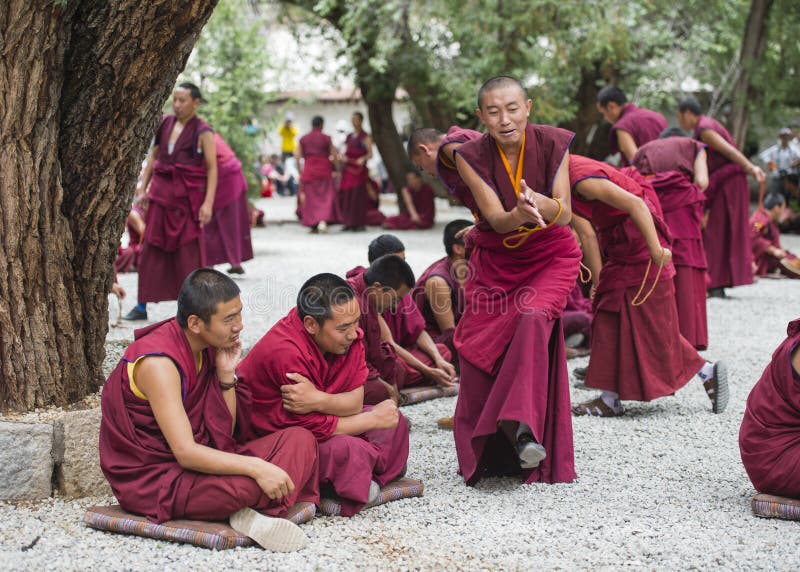
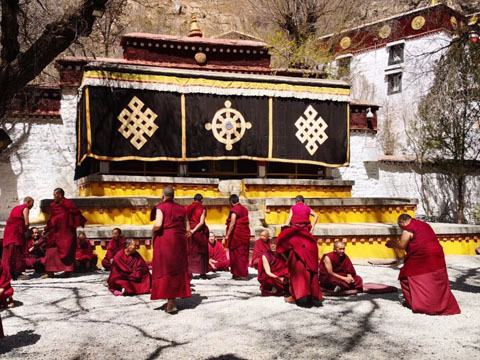
The 3 pm ritual of the debating monks of Sera Monastery - the most theatrical hour of Lhasa Buddhism.
The largest monastery of Tibet and the unfurling of the giant thangka at the Shoton festival.
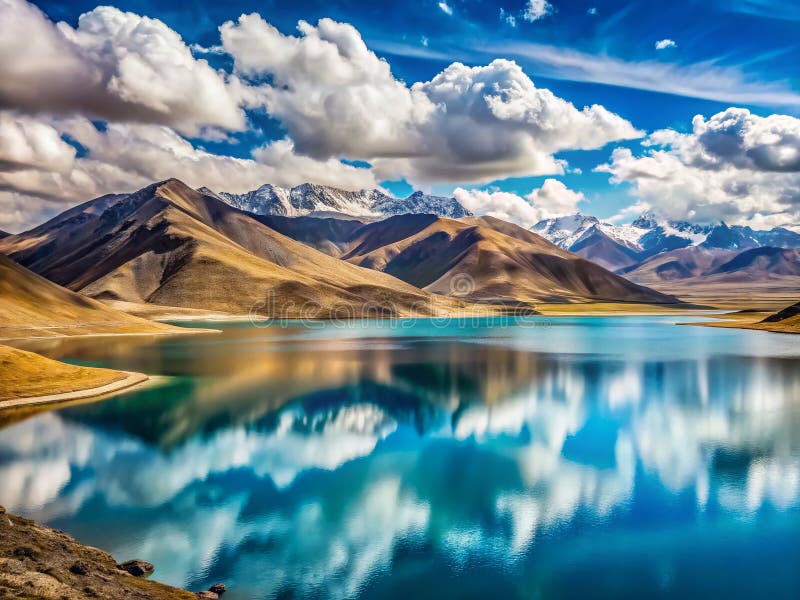
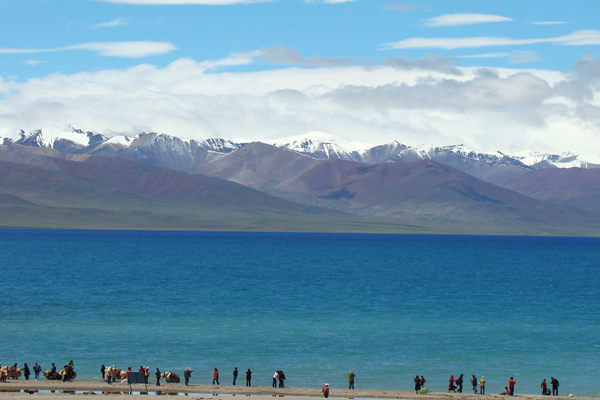
The 4,718-m 'heavenly lake' of the northern plateau - turquoise water, the Nyenchen Tanglha snow range and a night in the tent camp.
The white-red palace above the old town in the morning sun.
The gilded roofs of the holiest temple of Tibet.
Pilgrims, prayer wheels and the market of the old town.
The slapping, shouting theology of the 3 pm debate.
Three days covers the Potala, the Jokhang and the Barkhor, plus Sera or Drepung; a fourth adds Norbulingka, the Tibet Museum and the Lhasa river; two more are the minimum for Namtso. The field guide budgets about RMB 1,000 for a basic 4-day trip excluding the flight.
Yes - non-Chinese citizens and overseas Chinese must hold the Tibet Travel Permit issued by the Tibet Tourism Bureau, arranged through a licensed agency about 20 working days ahead (our team can handle the paperwork). Foreign journalists and diplomats cannot enter as tourists.
In peak season tickets (RMB 200) must be queued for a day ahead - you return the next morning with the booking slip to buy and enter the same day; entry is 09:00-12:00 and 15:30-16:30, and the visit is completed within one hour. Photography is banned inside; book through your hotel or our team to skip the queue.
Lhasa sits at 3,700 m - fly in gently, drink water, avoid alcohol and heavy food for the first day, and don't rush the palace stairs. Mild headache is normal and fades with rest; a bad cough or breathlessness at rest means descending and a doctor, not pushing on.
The airport coach from Gonggar is RMB 25 (about 1 hour; taxi RMB 160-200); trains arrive from Beijing, Chengdu, Chongqing, Lanzhou, Xining, Shanghai and Guangzhou - the station is a RMB 20 taxi or the RMB 1 buses 86/89/91 from the city. Town taxis are a flat RMB 10, buses RMB 1, shared minibuses RMB 2 and trishaws under RMB 10.
Yes - email [email protected] or message us on WhatsApp. Our team handles the Tibet permit, the Potala and Jokhang tickets, the Namtso jeep and driver, hotels and the monastery days, free of charge and without obligation.
The palace, the pilgrim lanes and the debating monks - the essential Lhasa pair of days. View the plan →
Morning at the Potala Palace - the 09:00 entry and the hour-long climb through the chapels of the Dalai Lamas - then the kora around the hill and lunch on Deji Food Street; afternoon to Sera for the 15:00 debate and the evening lights of the Potala Square.
Morning taxi to Drepung - the largest monastery of Tibet, climbing the slope above the valley - then back to the old town for the Jokhang butter lamps and the full circle of the Barkhor kora.
The holy city plus the 4,718-m lake - the classic short extension of the plateau. View the plan →
The Potala and the Jokhang in the morning, then the afternoon drive north - about 240 km over the Nyenchen Tanglha foothills to Namtso, the tent camp and the sunset over the lake.
Namtso sunrise, the lakeside walk and the monastery rock, then the drive back through Damxung and the Yangbajing hot springs to Lhasa by evening.
All plans are bookable end-to-end by our team — see the full day-by-day Lhasa itineraries hub, or the day-trip pages for single-day options.
The 1,300-year-old palace of the Dalai Lamas on Marpo Ri hill - the world's highest and grandest former palace, completed in its present form in 1693. Peak RMB 200 / low RMB 100; entry 09:00-12:00 and 15:30-16:30; the visit lasts one hour and photography is banned inside.
View details →The holiest temple of Tibet, built in the 7th century to house the Jowo Shakyamuni statue - the gilded roofs, the butter lamps and the prostrations of the courtyard. Peak RMB 70 / low RMB 35; entry 07:00-12:00 and 15:00-18:30.
View details →The pilgrim kora and market around the Jokhang - prayer wheels, three-step prostrations, incense and the great souvenir lanes of the old town. Free entry, all day; the kora runs clockwise.
View details →One of the three great Gelug monasteries - the 15:00 debating monks, the thangka halls and the ridge walk above the city. RMB 55; entry 09:00-16:00.
View details →The 4,718-m 'heavenly lake' of the northern plateau - turquoise water under the Nyenchen Tanglha range, the tent camp and the Tashi Dor monastery rock. Peak RMB 120 / low RMB 80; about 240 km from Lhasa.
View details →More in the region on the Tibet attractions page.
August-September - the giant thangka unfurls on the Drepung hillside, then the opera, yak races and yoghurt days of Norbulingka.
Every afternoon from 15:00 the monks of Sera pair off in the courtyard - clapping, chanting and the most theatrical theology in Tibet.
The high-altitude geothermal pools on the Namtso road - the classic soak on the way back to Lhasa.
The sandbars and bridges of the city's river - free, empty and the slowest hour of the Sunlight City.
Every hotel below is bookable by our team; browse the full Tibet hotels directory.
The courtyard hostel between the Potala, Jokhang and Ramoche - beds RMB 35, twins from RMB 300; +86 891 692 9789.
The liveliest hostel of Lhasa at 10 Beijing East Road - beds RMB 45, twins RMB 270; +86 891 627 3388 (ext. 8888).
The 300-year-old merchant compound on the Barkhor south lane - dorm beds RMB 65, twins RMB 480; +86 891 633 9576.
A hundred steps from the Jokhang gate - Tibetan comfort from RMB 326 with the rooftop view of the Potala and the temple; +86 891 630 8866.
The city's luxury address at 22 Jiangsu Road - rooms from RMB 1,530 with spa, pool and the golden-hour terraces; +86 891 680 8888.
The famous restaurant of the Barkhor corner - the sixth Dalai Lama's legendary rendezvous, Tibetan and Nepali plates around RMB 65, and the best rooftop of the old town. Phone not published.
The most local tea house of Lhasa opposite the Xiangbala Hotel - RMB 3 cups of sweet tea, noodles and the morning life of the city.
The second-floor Tibetan-Nepali kitchen at 30 Yutuo Road - yoghurt cake, curry plates and naan from about RMB 30. Phone not published.
The dressed-up Tibetan dinner at 75 Tuanjie New Village Road - potato buns, minced-beef mash and yak dishes, about RMB 75 per person. Phone not published.
Village-style yoghurt sold by the jar at the Beijing Road corners and the Barkhor lanes - RMB 3 a jar, sweet and thick and unforgettable.
The great souvenir lanes of the old town - prayer wheels, mala beads, incense, silver and the crafts of the plateau; bargain to about one third of the asking price.
Coral, turquoise and silver amulets of the plateau - hand-finished and unique, but check the metal before you buy.
The sheathed knives of the herder tradition - ornamental and practical, with the region's famous craftsmanship.
The dried-beat of the plateau - the 'Zangjiaren' chain stores are the reliable buy; saffron and caterpillar fungus belong to licensed pharmacies, not the street stalls.
Full local-product guides live on the Tibet specialties page.
Gonggar Airport, 65 km south - airport coaches RMB 25 (about 1 hour) to the Civil Aviation office east of the Potala, taxis RMB 160-200; flights from Chengdu four times daily, and from Beijing, Shanghai, Guangzhou, Xi'an, Chongqing and Kathmandu; Civil Aviation Tibet +86 891 621 6495.
The Qinghai-Tibet railway - from Beijing, Chengdu, Chongqing, Lanzhou, Xining, Shanghai and Guangzhou; the station is a RMB 20 taxi or the 86/89/91 buses (RMB 1) from town.
The North Suburban station (11 Zhaji Road) serves the long lines to Xigaze, Ngari and Shangri-La; the East station (3 Jiangsu East Road, +86 891 634 0523) covers Motuo Gongkar, Nyingchi, Damxung, Yangbajing and the Samye; the West station (1 Jinzhu Middle Road, +86 891 632 4469) for the western lines.
The 4,718-m heavenly lake and the Nyenchen Tanglha snow range - a long day from Lhasa.
The largest monastery of Tibet and the 15:00 debate of Sera.
The pilgrim kora, the Jokhang, the tea houses and the lanes of old Lhasa.
Peak-season tickets are queued the day before - arrive with your booking slip by 09:00 and complete the visit within the hour; our team can book for you.
Foreign visitors need the Tibet Travel Permit before arriving - allow 20 working days and keep the original passport for every hotel and check post.
First day: water, rest, no alcohol, no hot showers longer than five minutes - the plateau rewards patience and punishes sprinting.
Always circle temples, mani walls and prayer wheels clockwise - and never touch the head of another person.
The market's opening prices are inflated - about one third of the ask is a fair close for the stalls; licensed shops do not bargain.
UV at 3,700 m burns fast - sunglasses, hat and sunscreen every day, plus a warm layer for the temple halls and the lake evenings.
The permit authority and the tourism office of the region - permits and complaints: +86 891 652 5514.
The airline office of the plateau - flight changes and the airport coach: +86 891 621 6495.
The People's Hospital of Tibet in Lhasa runs the 24-hour emergency; for mild altitude symptoms rest and fluids, and descend if they worsen.
Lhasa has been the religious and political heart of Tibet since Songtsen Gampo moved his capital here in the 7th century - the Jokhang and the Ramoche were built to house the statues his wives brought from China and Nepal.
The Tibetan 'Lhasa' means 'place of the gods' - a name earned over 1,300 years of pilgrimage to the Jowo statue, the most sacred image in Tibetan Buddhism.
The Qinghai-Tibet railway (2006) and the airport turned the holy city into a modern capital - yet the kora of the Barkhor and the butter lamps of the Jokhang still set the rhythm of the old town.
Everything on ToursChinaTravel is bookable through our team by email or WhatsApp. Here's where each part of your Lhasa trip lives on the site.
Star-rated sight details — hours, tickets, phones and tips for every Tibet attraction.
Browse Tibet sightsStar-rated hotels across Tibet — sorted by rating, all bookable by our team.
Book a Tibet hotelLocal products, crafts and foods of Tibet — where to find each one.
Browse Tibet specialtiesLicensed agencies with addresses, phones and booking contacts.
Find a Tibet agencyMore city and region guides across China, including the Tibet guide.
Browse all guides