>
The Sichuan-Tibet Highway - the G318 south line from Chengdu to Lhasa - is the most famous road journey in China: about 2,150 km of river gorges, iron bridges, snow passes, high grasslands and lake mirrors, climbing from 500 m in the Chengdu plain to over 5,000 m on the passes of the Hengduan and Himalaya ranges. The classic route runs Chengdu - Ya'an - Luding - Kangding - Xinduqiao - Litang - Batang - the Jinsha River into Tibet - Zuogong - Ranwu - Bomi - Tongmai - Lulang - Nyingchi - Lhasa, and the field guide's ten-day plan is the standard first crossing: the 'photo corridor' of Xinduqiao, the 'world high city' of Litang at 4,014 m, the mirror lakes of Ranwu, the glacier valleys of Midui and Bomi, the old Tongmai sky-road, and the forest-sea of Lulang before the final descent to the Yarlung Tsangpo and Lhasa. This guide carries the passes, towns, food, guesthouses and road rules from the field guide, so you can plan the drive yourself or have our team arrange the permits, jeeps and hotels end to end.
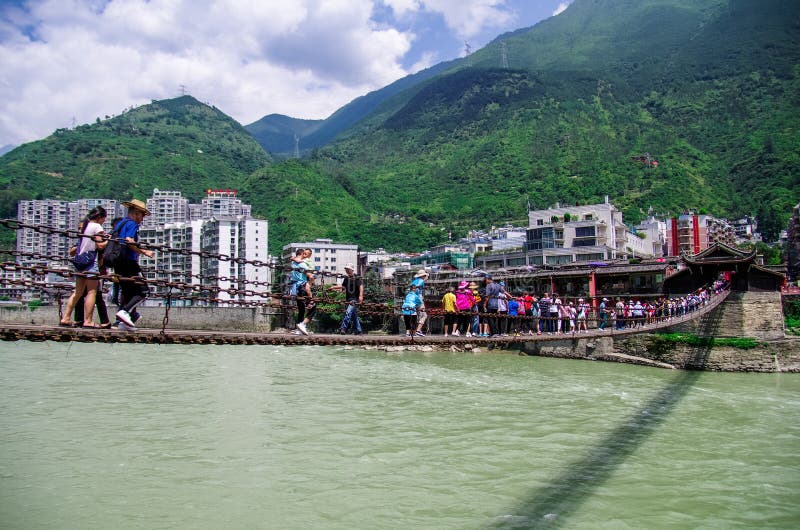
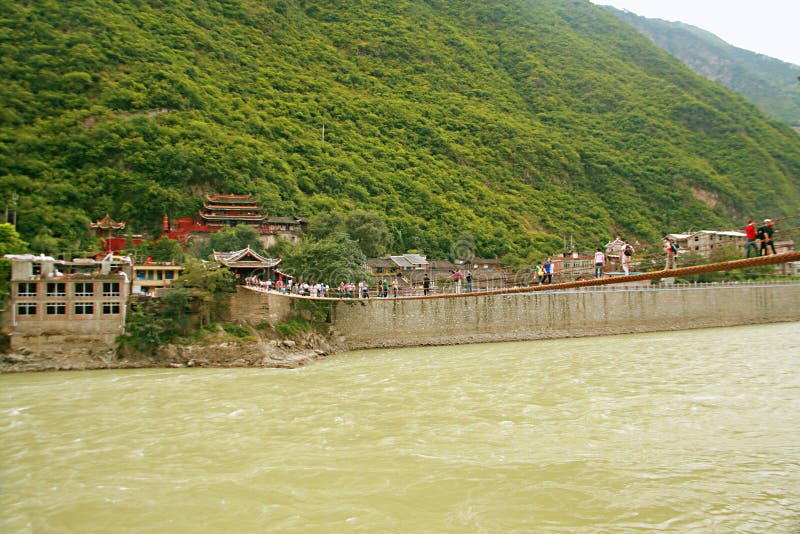
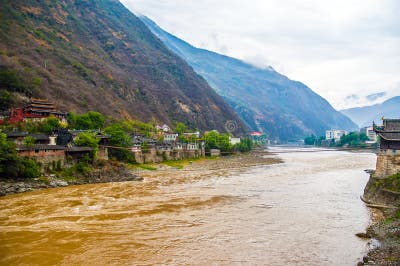
The 170-year-old chain bridge of the Dadu River - the battle site of the Long March and the first crossing of the road.
The 4,298-m first big pass above Kangding - prayer flags, snow walls and the gate of the plateau.
The 10-km golden lane of G318 - white pagodas, barley terraces and the light of the photographers' paradise.
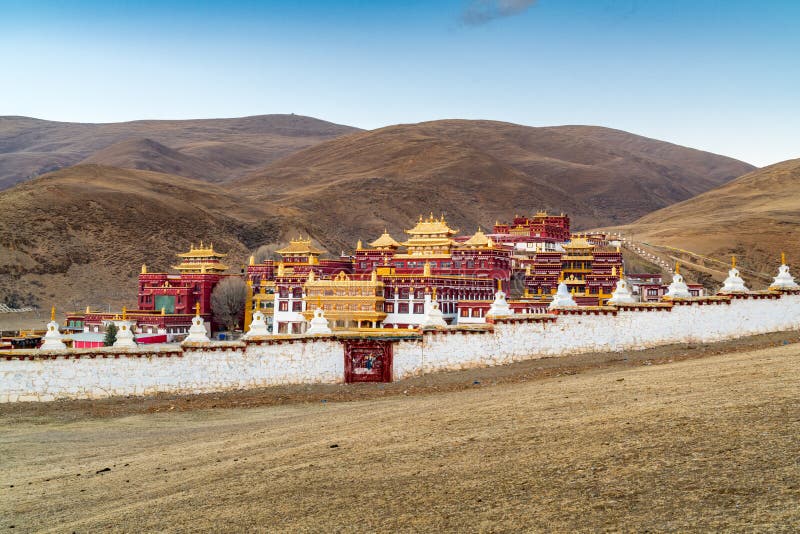
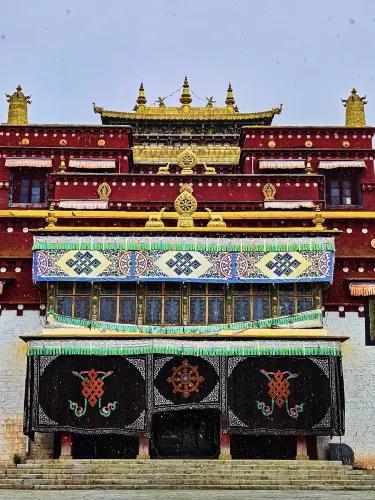
Litang at 4,014 m - the temple town of the high grassland and the tent city of the horse festival.
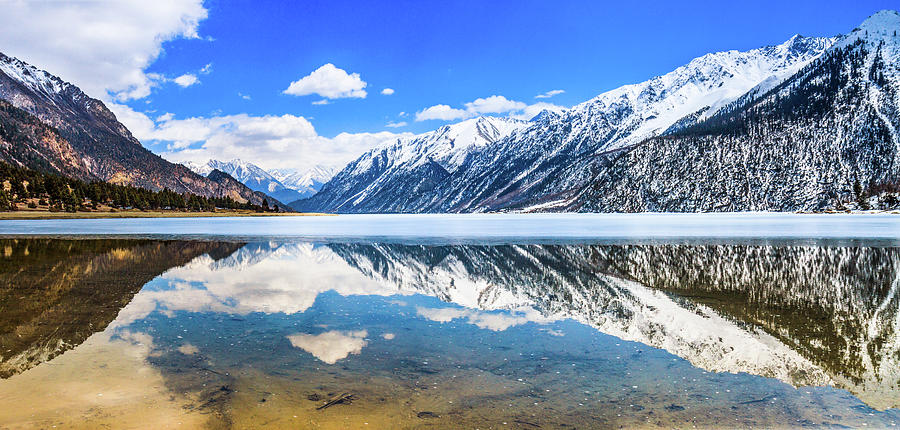
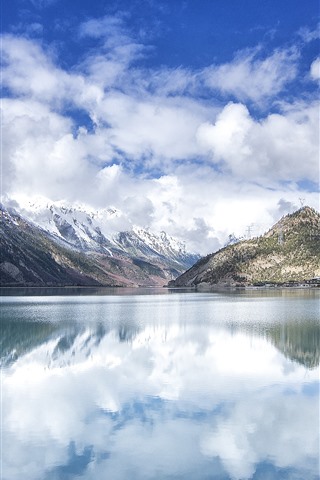
The three lakes of the glacial valley - the famous mirror water of the middle highway.
The old bottleneck of the G318 - cliff shelf, landslides and the bravest hour of the whole drive.
The chain bridge of the Dadu River - the first crossing of the road.
The golden roofs of the world high city at 4,014 m.
The glacial lakes that reflect the snow wall of the highway.
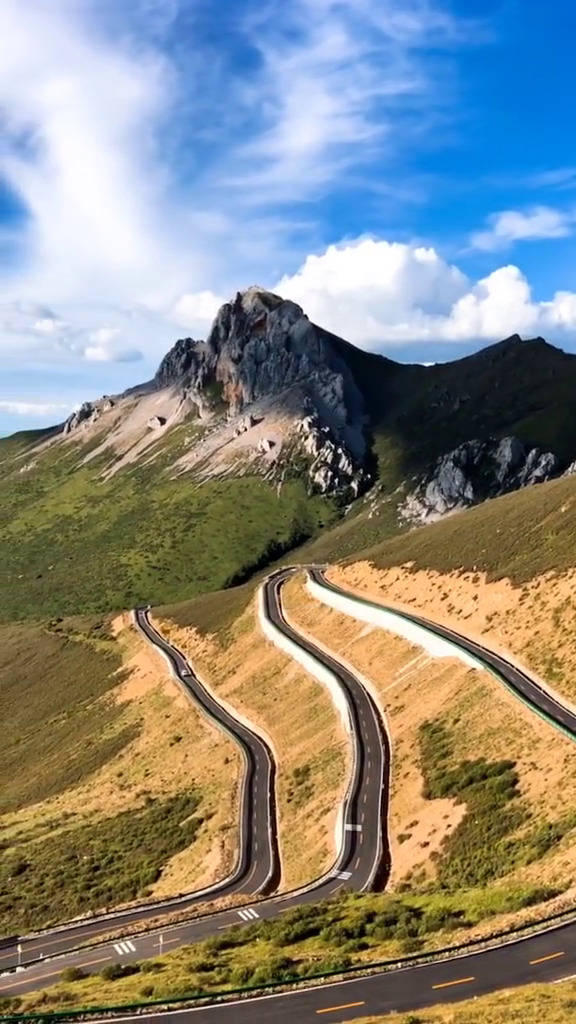
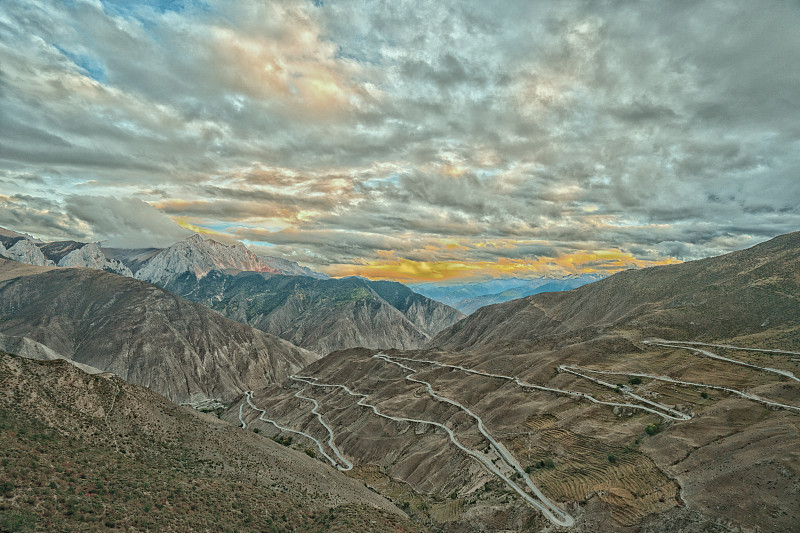
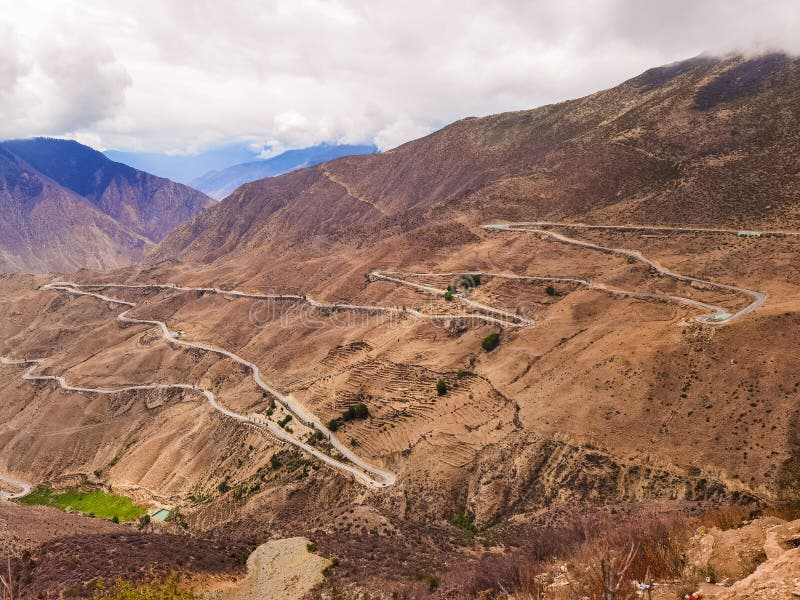
The switchbacks and valleys of the most famous highway in China.
The classic Chengdu-Lhasa drive is about 2,150 km - the field guide plans 10 driving days with stops at Luding, Kangding, Litang, Batang, Ranwu, Bomi and Lulang; 12-14 days is comfortable with side valleys and rest days. A full crossing costs about RMB 3,000-5,000 per person sharing a jeep.
The Sichuan section needs nothing beyond your ID or passport; after the Jinsha River bridge into Tibet, the Tibet Travel Permit is required for foreign visitors and the border towns (Ranwu, Bomi, Nyingchi) add the local checks - our team can arrange the paperwork before you leave.
May to October keeps the passes open - June and September give the greenest valleys and the clearest peaks; July-August brings rain, mud and the famous Tongmai closures; November to April snow closes the high passes for months.
The Zheduo and Kela passes above Kangding, the 4,680-m Haizi pass before Batang, the 72-bend Nujiang road after Basu, and the old Tongmai sky-road before Lulang - the last is the most dangerous and the most celebrated.
Hired 4WDs and shared jeeps leave from Chengdu's long-distance stations and the backpacker hostels - about RMB 1,500-2,000 per person for the full crossing sharing; the public coaches run the towns in stages. Our team can book a jeep, a driver and the nights for you.
Yes - email [email protected] or message us on WhatsApp. Our team books the permits, the shared or private jeep, the guesthouses of the passes and the Lhasa hotels, free of charge and without obligation.
The full classic - Luding, Kangding, Litang, Ranwu, Bomi and Lulang on the most famous highway in China. View the plan →
Chengdu to Luding - the expressway west through Ya'an and the afternoon at the iron bridge of the Dadu River.
Luding to Xinduqiao - the Luding-Kangding gorges, the Zheduo Pass at 4,298 m and the golden corridor of the evening.
Xinduqiao to Litang - the Kela pass, the high grassland of the Mao Ya basin and the 4,014-m world high city.
Litang to Batang - the Haizi pass at 4,680 m, the golden barley valleys and the Jinsha River bridge into Tibet.
Batang to Ranwu - the Yelong and Basu passes, the 72 bends of the Nujiang road and the mirror lake of the evening.
Ranwu to Bomi - the morning mirror, the Midui Glacier walk and the forest valley of the 'Switzerland of Tibet'.
Bomi to Lulang - the Tongmai sky-road, the old cliff shelf and the meadows of the forest-sea.
Lulang to Nyingchi - the Sejila pass views of Namcha Barwa and the peach-valley capital of Bayi.
Nyingchi to the Yarlung Tsangpo - the canyon viewpoints, then the long road west through Gongbo'gyamda and Maizhokunggar.
Over the Mila pass at 5,013 m and down to Lhasa - the Potala in the evening light and the end of the road.
The bridges, passes and mirror lakes - the compressed crossing for the drivers who cannot spare ten days. View the plan →
Chengdu to Kangding - the expressway, Luding Bridge and the first plateau night of the road.
The Xinduqiao corridor and the Kela pass - the photo lanes and the high grassland of the morning.
Litang - the temple town at 4,014 m and the Mao Ya basin of the tent city.
The Haizi pass and the Jinsha crossing - the highest sealed road of the west and the entry into Tibet.
The Basu 72 bends and the Ranwu mirror - the most dramatic afternoon of the drive.
Midui Glacier and Bomi - the forest walk and the Switzerland valley.
The Tongmai-Lulang sky-road and the return to Nyingchi for the flight home.
All plans are bookable end-to-end by our team — see the full day-by-day The Sichuan-Tibet Highway itineraries hub, or the day-trip pages for single-day options.
The 170-year-old chain bridge of the Dadu River - 103 m of iron chain over the water, the Long March battle site and the first great crossing of the road. RMB 10; daylight hours.
View details →The 4,298-m first big pass above Kangding - prayer flags, snow walls and the first true plateau view of the road. Free; daylight hours.
View details →The 10-km golden lane of G318 - white pagodas, barley terraces and the light of the photographers' paradise. Free; best at dawn and dusk.
View details →The 'world high city' at 4,014 m - the Litang Temple, the tent city of the horse festival and the high grassland of the Mao Ya basin. Temple free; daylight hours.
View details →The three lakes of the glacial valley - the mirror water of the upper lake and the snow wall reflections of the middle highway. Free; daylight hours.
View details →The lowest glacier of Tibet at 4,600 m snow line - the forest walk from Midui village, and the 'Switzerland of Tibet' valley of Bomi. RMB 50; daylight hours.
View details →More in the region on the Sichuan attractions page.
August - the tent city of the high grassland with horse racing, archery and the dances of the Kangba people.
The two-hour forest trail from Midui village to the glacier tongue - the closest the highway allows to the ice.
The most photographed switchback of the G318 - the Nujiang gorge road that drops and climbs in a dozen hairpins.
The meadows and spruce walls of Little Switzerland - the stone-pot chicken stop before the Sejila pass.
Every hotel below is bookable by our team; browse the full Sichuan hotels directory.
The bridge-town hotels along the Dadu - clean twins from about RMB 150; the county bus station is the morning hub of the road.
The Tibetan courtyards of the love-song town - beds RMB 25-35 at the West Street lanes; +86 836 282 3009.
The high-city hotels of the grassland - twins from about RMB 180 with the heating the 4,014-m nights demand; oxygen rooms available at the better places.
The lakeside guesthouses of the mirror - beds from about RMB 60 and the earliest light of the whole road; the town turns off the power at midnight.
The meadow lodges of the forest-sea - twins from about RMB 200 with the stone-pot chicken dinner included.
The famous pot of the forest-sea - free-range chicken, matsutake and herbs in the Motuo stone pot, about RMB 100 per person.
The G318 towns feed their drivers first - the Sichuan noodle bowls, the stir-fried plates and the honest hotpots of Luding, Litang and Bomi.
The herder table of the passes - salty butter tea, tsampa and the dried yak of the high grassland.
The cold-water fish of the glacial lakes - the fresh dinner of the mirror village.
The coloured flags of the passes and the white welcome scarves of the plateau - the essential G318 souvenir.
The prayer wheels, mala beads and incense of the high city - the crafts of the grassland faithful.
The wool blankets and saddle cloths of the Kangba weavers - warm and honest.
Caterpillar fungus, Fritillaria and the medicinal roots of the passes - buy from the licensed shops of the towns.
Full local-product guides live on the Sichuan specialties page.
The standard crossing - hired 4WDs and shared seats leave Chengdu's stations and hostels for about RMB 1,500-2,000 per person to Lhasa; our team can arrange the jeep and the driver.
The town coaches run the highway in stages - Chengdu-Kangding RMB 107-127, Kangding-Litang, Batang and on to the Tibetan towns; the last Lhasa leg joins the Nyingchi coaches.
The self-drive dream - the sealed road now runs almost the whole way, but the Tongmai sky-road and the rain season still demand clearance, chains and a spare of everything.
The iron chain bridge, the river gorge and the battle museum of the Long March.
The photo corridor, the high grassland and the 4,298-m pass of the first plateau day.
The mirror lakes of the morning and the forest walk to the glacier tongue.
The road climbs from 500 m to over 5,000 m in days - sleep low, drink water, and let the passes come to you.
The Tibetan section needs the Tibet Travel Permit - start the paperwork 20 working days ahead; our team can handle it.
July-August closures at Tongmai are routine - check the road reports daily and carry a buffer day in the plan.
The small highway towns are cash-first with patchy fuel - fill the tank at the big stops and keep small notes.
The light on the G318 peaks before 09:00 - the afternoon clouds hide the snow walls.
Walk clockwise around the temples and mani walls, ask before photographing people, and never touch a head.
The tourism office for the Sichuan section - road reports and the pass closures: +86 836 283 5469.
The permit authority for the Tibetan section - permits and complaints: +86 891 652 5514.
County hospitals along the route at Luding, Kangding, Litang, Bomi and Lhasa - carry your insurance card and keep the altitude symptoms honest.
The Luding iron bridge was the crossing of the Red Army in 1935 - the battle that made the bridge a national monument and the highway's first landmark.
The G318 south line, finished in the 1950s as the Sichuan-Tibet Highway, replaced the tea-horse caravans - the modern drive follows the old trade road through the same passes and gorges.
The Kangba herders of Litang, the bridge town of Luding, the Monba and Lhoba of the eastern valleys - the road strings together the cultures of the Sino-Tibetan frontier.
Everything on ToursChinaTravel is bookable through our team by email or WhatsApp. Here's where each part of your The Sichuan-Tibet Highway trip lives on the site.
Star-rated sight details — hours, tickets, phones and tips for every Sichuan attraction.
Browse Sichuan sightsStar-rated hotels across Sichuan — sorted by rating, all bookable by our team.
Book a Sichuan hotelRoutes, airlines and schedules for flights and rail to The Sichuan-Tibet Highway.
See China flightsLocal products, crafts and foods of Sichuan — where to find each one.
Browse Sichuan specialtiesLicensed agencies with addresses, phones and booking contacts.
Find a Sichuan agencyMore city and region guides across China, including the Sichuan guide.
Browse all guides