>
The city Mao Zedong studied in, where the Xiang River runs through the middle — Orange Isle, Yuelu Mountain's pavilions, the Mawangdui tombs and a food scene so confident it calls itself 'the city that never sleeps for breakfast'. Come for the culture, stay for the chili.
The 5 km sandbar in the Xiang River with Mao's 32 m granite statue at its head — the classic Changsha evening, sunset behind the bridges.
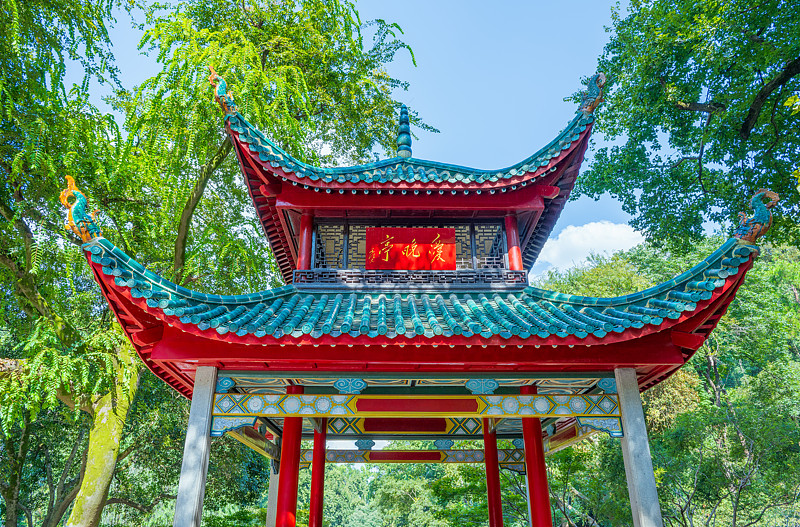
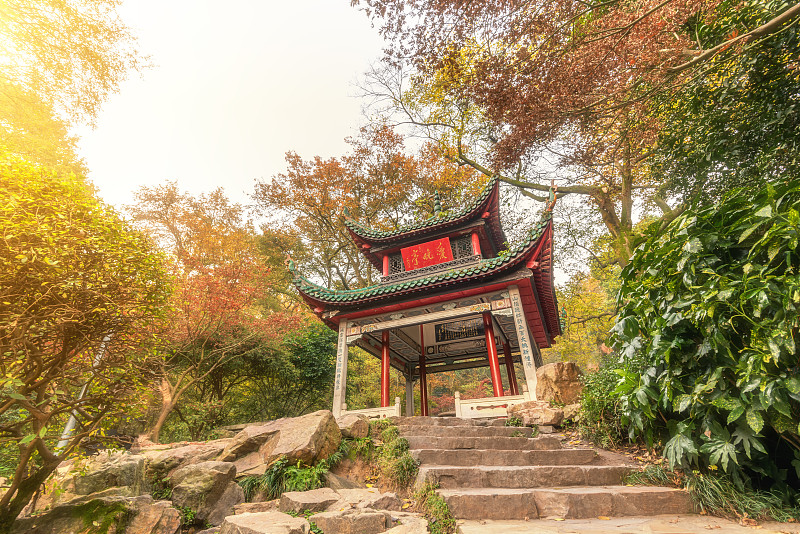
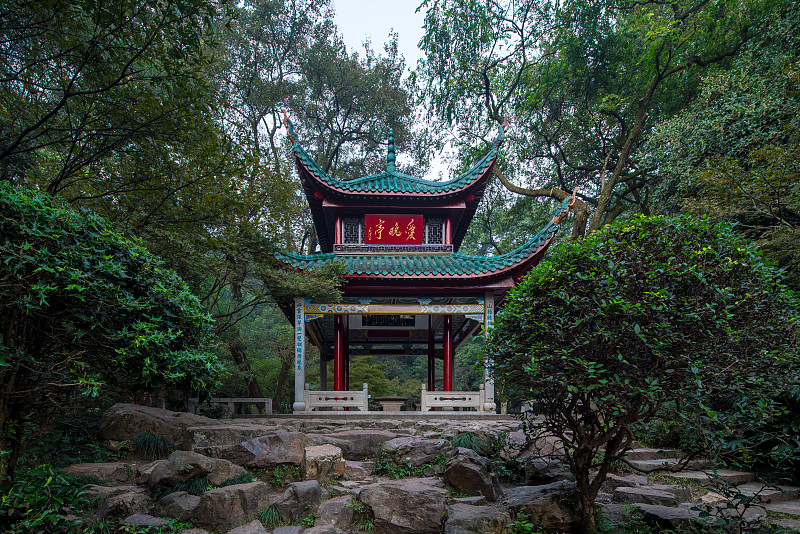
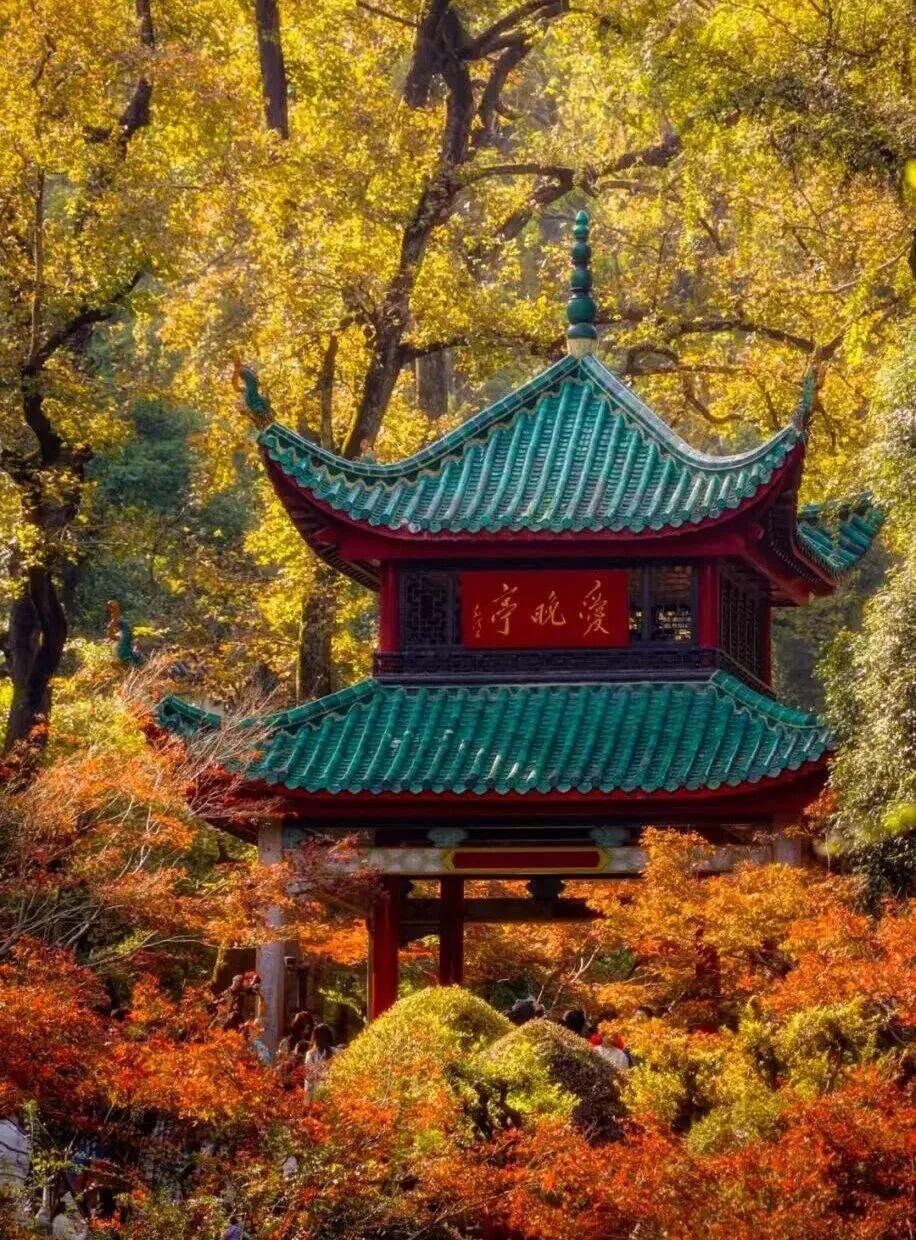
The red pavilion of Yuelu Mountain where Mao wrote and read — autumn maples around it make the most famous photograph in Hunan.
The 2,200-year-old mummified woman and her silk paintings — the greatest archaeological find of 1970s China, in the Hunan Museum.
Changsha's food street — stinky tofu, sugar-oil baba, spicy crawfish and the city's famous 'grilled everything'.
China's oldest continuously running academy (976 AD) — a thousand years of scholarship inside the green mountain.
Saturday-night fireworks over Orange Isle (seasonal) — the city's proudest free show.
Stinky tofu, crawfish, chili peppers in everything — Xiang cuisine is China's spiciest argument, and Changsha is its capital.
First Normal School, Orange Isle, the Aiwan Pavilion — the revolutionary's Changsha is a walking history of modern China.
Lady Dai's intact mummy and the silk paintings of 168 BC — the showpieces of the Hunan Museum.
The Xiang River, Orange Isle and the night skyline — a green-and-water centre rare among Chinese metropolises.
Spring (March–May) and autumn (September–November) are mild and clear. Summer is genuinely hot and humid — locals retreat to the riverside evenings; winter is damp but quiet, and the museum's indoor treasures shine.
Two days covers the classics: Yuelu Mountain and Orange Isle one day, the Hunan Museum and the old city the next. Three days adds the food streets, the First Normal School and a day trip to Shaoshan.
Yes, seriously. Hunan food is chili-first — but the great streets (Pozijie, Taiping Street) serve mild options, and the famous stinky tofu comes in non-spicy versions. Say 'bu la' (not spicy) and watch the cook adjust.
Metro lines 1–6 cover Orange Isle, the railway stations and the museum district; taxis are cheap (from ¥8); and the city's famous electric bikes make short hops fun. Yuelu Mountain is on the metro and bus network.
Wuyi Square and the riverside are the classic bases — steps from Pozijie, Taiping Street and the metro. Yuelu Mountain's foot has quieter boutique options; the south bank suits the airport bus.
Yes — email [email protected] or message us on WhatsApp. We arrange hotels, museum entry, guides and transport, free of charge.
Mountain, isle, museum and the old streets — the essential city. View the plan →
First Normal School, then Yuelu Academy and the Aiwan Pavilion on Yuelu Mountain; afternoon on Orange Isle and the sunset statue; night at Taiping Street.
The Hunan Museum (Mawangdui) in the morning, Pozijie for lunch, Tianxin Pavilion and the old city walls, evening fireworks over the Xiang (in season).
Adds the food crawl, the river cruise and Mao's hometown at Shaoshan. View the plan →
Yuelu Mountain all day — the academy, the pavilion and the mountain trails; riverside dinner at Orange Isle.
Museum morning, Tianxin Pavilion and Pozijie afternoon, Xiang River night cruise.
Day trip to Shaoshan — Mao's birthplace village and the memorial halls, back by evening.
All plans are bookable end-to-end by our team — see the full day-by-day Changsha itineraries hub, or the day-trip pages for single-day options.
The green mountain of the west bank — the Aiwan Pavilion of 1792, the autumn maples and the views over the river; one of the 'four famous pavilions' of China.
View details →The 5 km sandbar in the Xiang River — Mao's 32 m granite statue at the head, the Sunday fireworks and the riverside paths; the city's living room.
View details →Founded 976 AD — China's oldest continuously running academy, with a thousand years of scholars, the 'loyalty, filial piety, integrity' motto and the museum halls.
View details →The home of Lady Dai — the 2,200-year-old mummified woman of the Mawangdui tombs, with her silk paintings, lacquerware and 700+ artefacts of the Han court.
View details →Changsha's loudest block — stinky tofu, sugar-oil baba, spicy crawfish and the famous 'grilled everything' stalls; the city's food argument in one lane.
View details →The 600-year-old watchtower of the old city walls — Changsha's last Ming gate, with the museum and the evening lanterns.
View details →More in the region on the Hunan attractions page.
Most Saturdays in season, fireworks over Orange Isle from 20:30 — free, loud and the city's proudest habit.
The provincial opera house runs Xiang opera and huaguxi (flower-drum opera) performances — the folk sound of Hunan.
The isle hosts the city's marathon and dragon-boat races on the Xiang — May's Dragon Boat Festival is the big river day.
Evening boats from Orange Isle under the bridges — the skyline view locals save for visitors.
Every hotel below is bookable by our team; browse the full Hunan hotels directory.
The riverfront classic beside Orange Isle — the best skyline balconies in town. From ¥600.
The central base — steps from Pozijie, Taiping Street and the metro. From ¥300.
Quieter courtyard hotels under the mountain — teahouses and trails on the doorstep. From ¥250.
The long-standing city hotel near the old town. From ¥350.
The cheapest beds, handy for the airport bus and the railway station. From ¥120.
The famous black fermented tofu — crisp outside, creamy inside, dressed with chili and pickles; the best carts sell out by noon (try the Pozijie stalls).
The glutinous-rice cake fried in sugar and oil — Changsha's sweet counterweight to the chili.
May–September is crawfish season — the riverside streets boil them by the kilo in the 'Mao's taste' sauce.
The morning classics — steamed dumplings and the famous Changsha rice noodle bowls, best before 9:00.
The century-old restaurant of Pozijie — all the Hunan classics under one lantern roof. From ¥60 pp.
The region's famous dried chilies and bottled chili sauces — the edible souvenir of the spicy city.
The firecracker capital's gift boxes and the Liuyang chrysanthemum stone carvings.
One of China's four great embroidery styles — silk tigers and flowers in the Hunan manner.
The famous Hunan white tea from Dongting Lake — the tea-shop classic.
Full local-product guides live on the Hunan specialties page.
The big central-China hub — flights from every major city plus international routes. Metro line 6 links the airport to downtown (40 min); taxis about ¥100.
The HSR hub on the Guangzhou–Beijing line — Guangzhou 3 h, Shenzhen 3.5 h, Wuhan 1.5 h, Shanghai 5 h. The classic Changsha station is downtown for slower trains.
Coaches run to Zhangjiajie (4 h), Fenghuang (5.5 h), Shaoshan and every Hunan county from the Changsha West and South terminals.
Metro lines 1–6 cover Orange Isle, the stations and the museum district (¥2–6); the city's shared electric bikes fill the gaps.
Six road bridges plus the Orange Isle tunnel cross the river — rush hour can be slow; the metro lines 1/3 do it faster.
Changsha's one-way maze is tricky — park at the hotel and use the metro; the airport expressway is the easy way out.
The chairman's birthplace village — the farmhouse, the memorial halls and the mountain amphitheatre, 90 min from Changsha.
The green-and-water day — academy to pavilion to isle, with the riverside paths between.
The 'Buddha of the south' mountain west of Changsha — temples, hot springs and the forest trails.
The Yueyang Tower and the great lake — the poem-view of 'clouds and dreams floating under the lake', 2 h by HSR.
The Hunan Museum is free but quota-limited — reserve on the official app up to 7 days out; walk-up tickets are rarely available.
Changsha's breakfast classics vanish by 9:30 and the crawfish season sells out by 22:00 — the city rewards the early and the hungry.
One word saves the meal — Hunan chefs default to chili; 'bu la' (not spicy) or 'wei la' (a little spicy) changes everything.
The river bridges jam at 08:00 and 18:00 — the metro does it in half the time.
The damp winter is the perfect season for the Mawangdui treasures and the hot-pot restaurants — fewer crowds, better indoor hours.
Changsha sits on the lower Xiang River in the north of Hunan, a basin city of rivers, lakes and the green spine of Yuelu Mountain. A humid subtropical climate — famous for its hot wet summers, mild springs and crisp autumns.
A city of 3,000 years, Changsha was a Chu capital in the Warring States and a Han commandery — the Mawangdui tombs of 168 BC are its richest legacy. It became the revolutionary cradle of modern China: the First Normal School, the 1911 uprising, and Mao Zedong's student years on Orange Isle shaped the republic. Yuelu Academy, running since 976, anchors a scholarly tradition older than most universities.
Xiang cuisine — the spiciest of China's eight great schools — made Changsha a pilgrimage city for eaters. Stinky tofu, crawfish and the rice-noodle breakfast define a city that has turned 'eating' into its proudest export.
Everything on ToursChinaTravel is bookable through our team by email or WhatsApp. Here's where each part of your Changsha trip lives on the site.
Star-rated sight details — hours, tickets, phones and tips for every Hunan attraction.
Browse Hunan sightsStar-rated hotels across Hunan — sorted by rating, all bookable by our team.
Book a Hunan hotelLocal products, crafts and foods of Hunan — where to find each one.
Browse Hunan specialtiesLicensed agencies with addresses, phones and booking contacts.
Find a Hunan agencyMore city and region guides across China, including the Hunan guide.
Browse all guides