>
China's oldest seaside resort, three hours from Beijing: the Geziwo 'sun-bathing' sunrise, Tiger Rock's smooth boulders, the spiralling Biluo Pagoda, migration-season wetlands and honest Bohai seafood at market prices.
Four moments every visitor should not miss — the essence of Beidaihe in a single day.
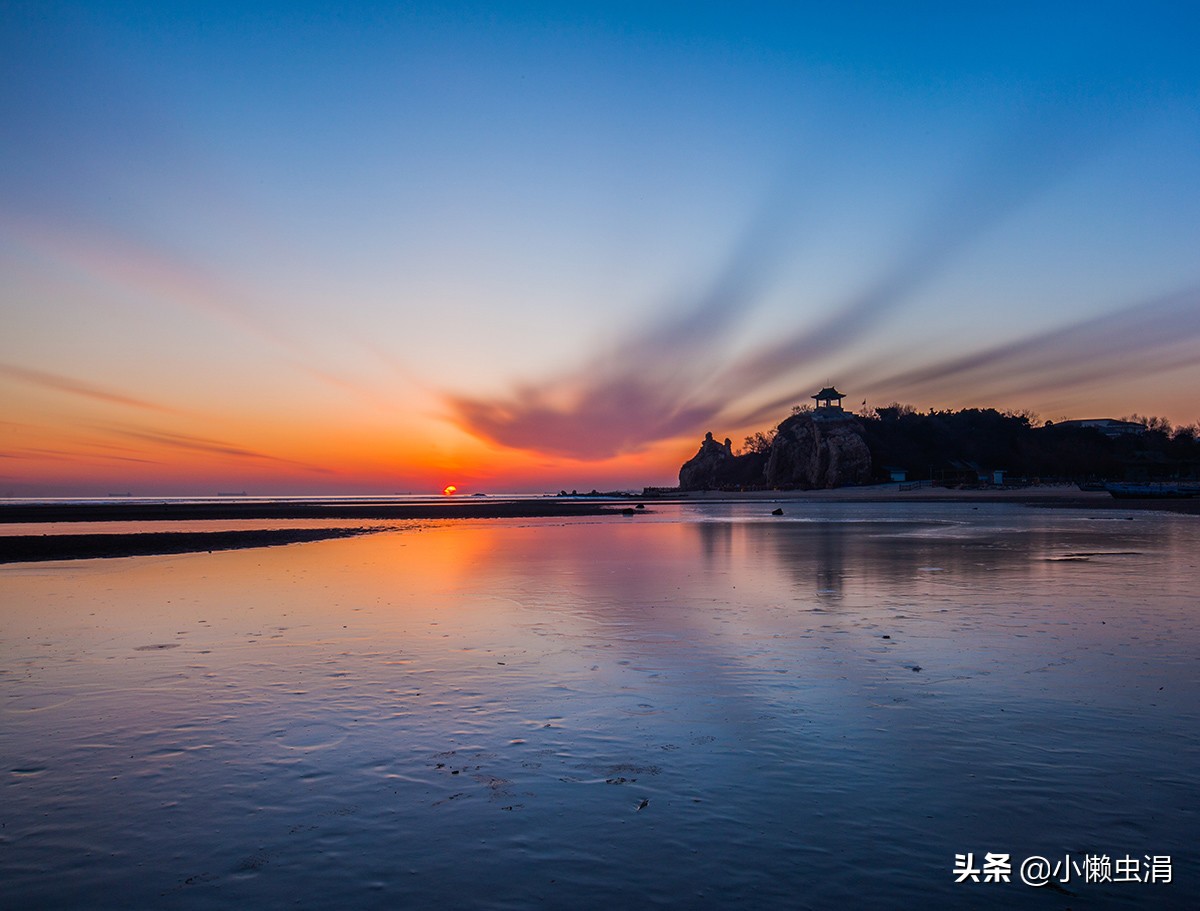
Get up stupidly early, climb Eagle Rock in the dark, and watch the red disc 'bathe' in the sea — the view Chairman Mao wrote about in his famous poem. The park opens from 3:00 in summer for exactly this.
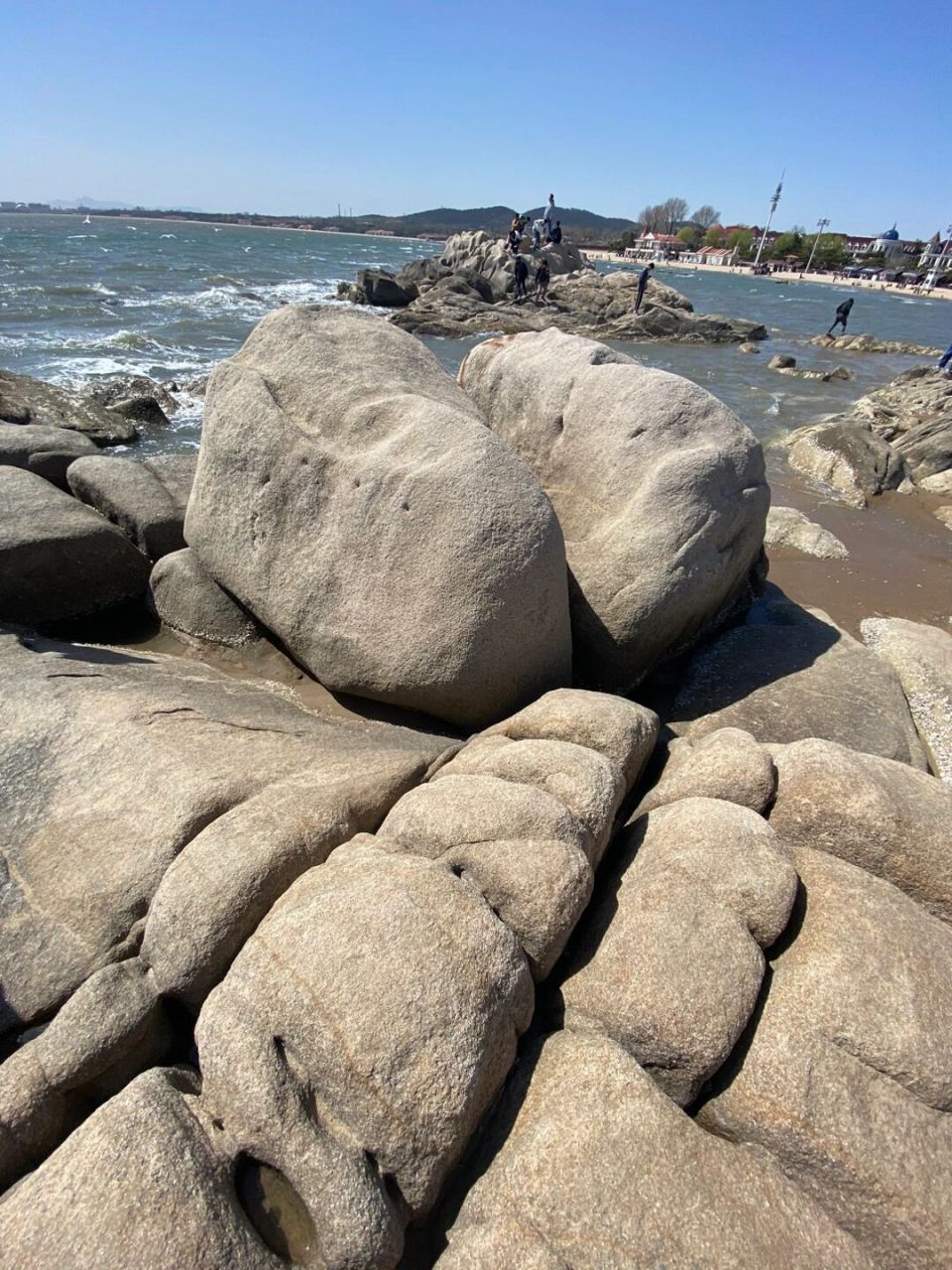
Skip the raked, crowded strips and head for the smooth boulders of Tiger Rock: locals sunbathe on the warm stone, kids paddle in the pools between, and the ice-cream-and-shell vendors do brisk trade.
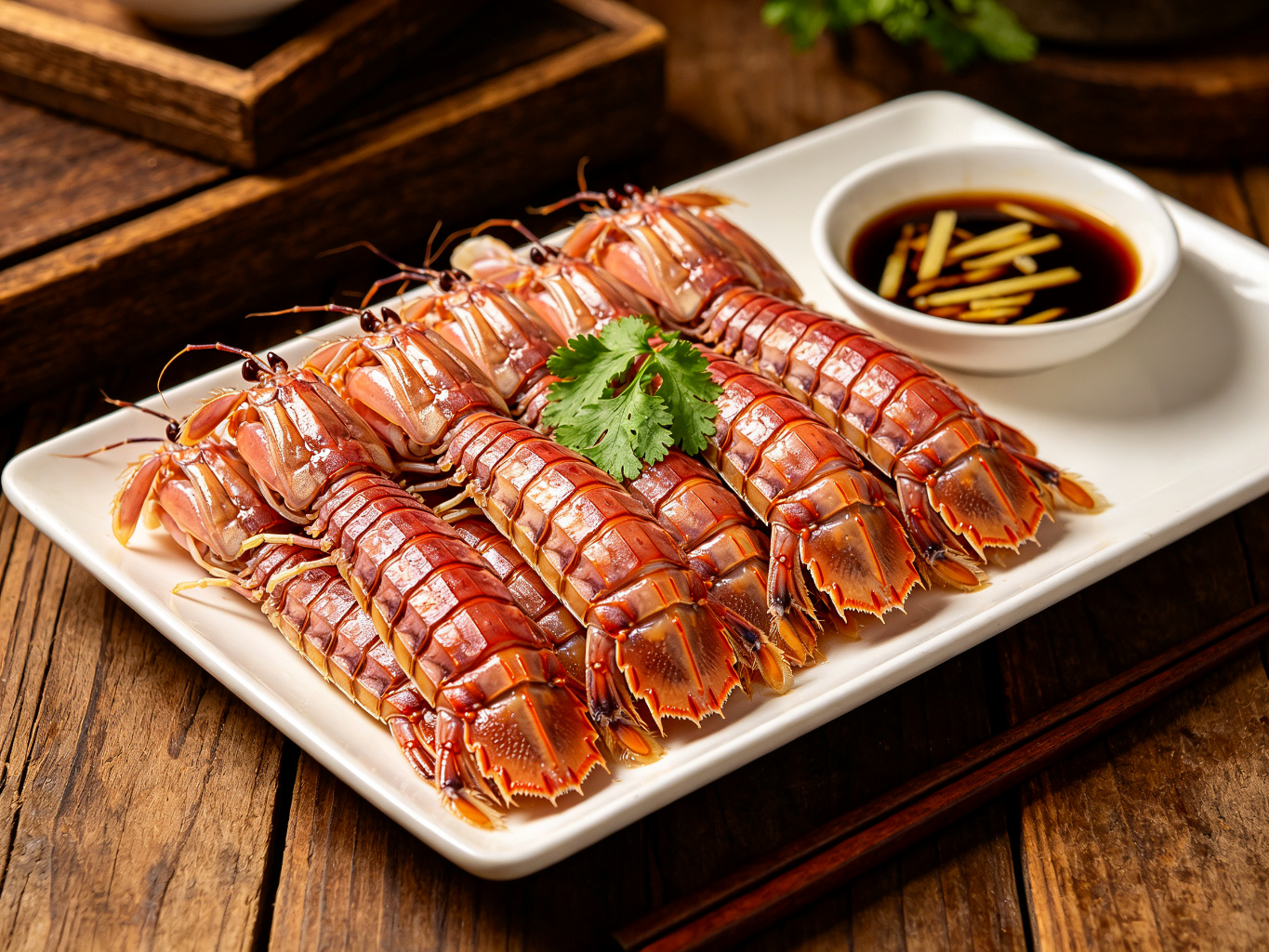
The Shitanglu market way: pick your mantis shrimp or crab live, pay the market price, hand it to a restaurant kitchen for a few yuan of processing, and eat it metres from the boats that caught it.
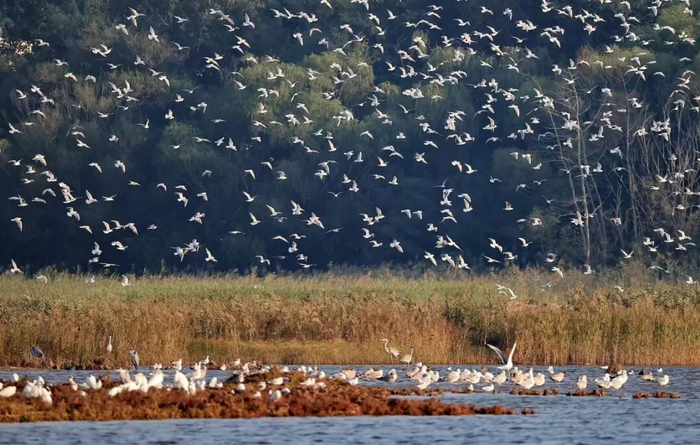
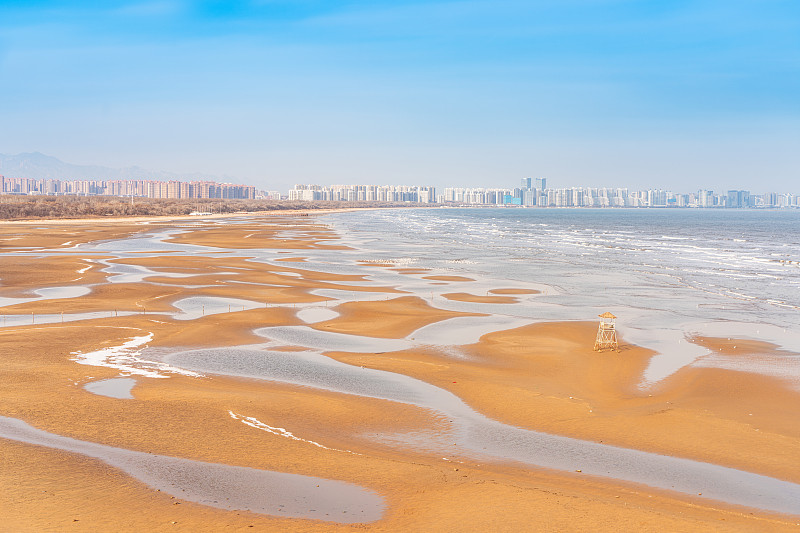
Spring and autumn, the mudflats of the Dachaoping wetland turn into a bird airport: thousands of cranes, gulls and shorebirds resting on their way between Siberia and the south.
The signature experiences of China's most historic seaside resort.
Beidaihe's most famous moment: from Eagle Rock the sun appears to rise out of the sea itself — 'the sun bathing in the sea', the sight that made the park a national landmark and inspired Mao's poem.
Groups of granite boulders stretching into the sea like a crouching tiger — warm stone, shallow pools and the classic Beidaihe beach scene. ¥8 entry, open 6:00–22:00 in summer.
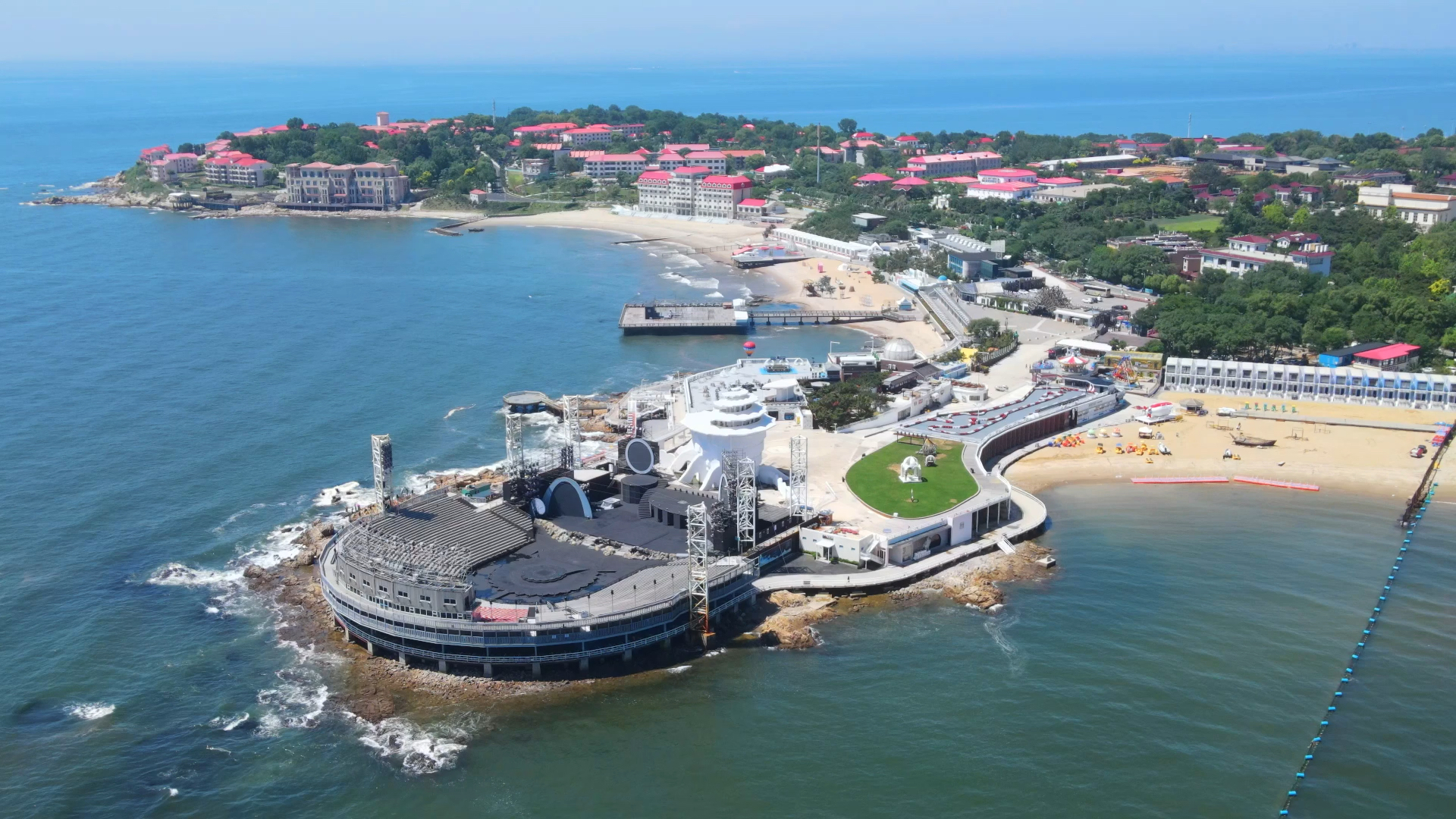
The world's only spiralled-shell-shaped pagoda, turned into a beach bar park: sunset on the terrace, live shows from 18:00, and the tower glowing over the water after dark.
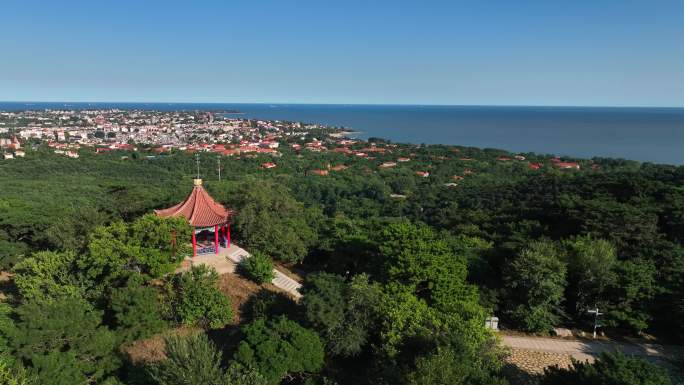
Forest trails and pavilions on the hill behind the town; from the summit the whole crescent of coast — beach, hotels and sea — spreads below. The quietest big view in Beidaihe.
One of the world's great bird migration corridors passes over this coast. Bring binoculars between mid-March and late May and September to mid-November; the wetland boardwalks put you among thousands of resting birds.
Mantis shrimp, swimming crab, scallops and razor clams, bought live by the jin at Shitanglu market and steamed minutes later — the taste of the Bohai coast, at local prices.
May to October is the classic season: swimming from July to August, birds in spring (mid-March to late May) and autumn (September to mid-November). Peak season runs mid-June to late August plus Golden Week — book rooms with prepayment well ahead. More Beidaihe Q&A →
Geziwo Park is the classic spot — its Eagle Rock cliff frames the 'sun bathing in the sea' view, and the park opens as early as 3:00 in summer. Arrive at least 30 minutes before sunrise and climb to the rock early.
Shitanglu market is the local way: mantis shrimp ¥11–18 per jin, crabs ¥45–60, scallops ¥20, razor clams ¥15, red clams ¥12. Processing costs ¥2 steamed, ¥1 boiled, ¥5 stir-fried per jin. Beware the classic scams — live-for-dead swapping, fake scales and mislabelling.
Yes — one of the world's great migration stopovers. Watch from Geziwo, the wetland boardwalk or Qianshui Bay between mid-March and late May and September to mid-November, when thousands of cranes, gulls and ducks pass through.
About 380 km — roughly 3.5 hours by coach from Beijing's Bawangfen station, or just over 2 hours (¥81.5) by bullet train to Beidaihe station, which sees over 120 trains a day.
Yes. Email [email protected] or message us on WhatsApp. Our team arranges hotels, tickets, seafood tables and guides — free of charge and without obligation.
The classic weekend: beach, sunrise, seafood and nightlife. More Beidaihe itineraries with tickets & transport →
Beach day. Morning at Tiger Rock (¥8) or the free beach, afternoon at the Olympic Park and bird museum beside the wetland, evening at Shitanglu market for seafood, then the Biluo Pagoda for the night shows.
Sunrise & wetlands. Pre-dawn Geziwo Park (¥20) for the sunrise, breakfast of mung-bean cake, then the Dachaoping wetland boardwalk and Qianshui Bay — free, and full of birds in season. Afternoon train or coach back to Beijing.
Add the First Pass Under Heaven and the Old Dragon Head. Full itinerary page →
Beach day. As the two-day route above.
Sunrise & wetlands, then early afternoon bus to Shanhaiguan.
The Great Wall coast. The First Pass Under Heaven (¥50) in the morning and the Old Dragon Head (¥60) where the Wall enters the sea — bus 34 to Sidaoqiao, then bus 25, about 3 hours round trip.
Almost everything free except the sunrise ticket. Full itinerary page →
Olympic Park → Geziwo (¥20) → bird museum (free) → wetland boardwalk (free) → Qianshui Bay (free). Lunch at the market restaurants; total sightseeing spend under ¥50.
The main sights of the resort, each with practical details. Prices are reference rates — always confirm at the gate or with our booking team.
The park that defines Beidaihe: a granite headland where the sunrise seems to rise out of the sea itself. Eagle Rock is the classic vantage, and the wetland below is the town's best bird-watching spot.
| Admission | ¥20 (reference) |
| Hours | 03:00–18:00 (May–Sep, earlier opening for sunrise); winter shorter |
| Address | East end of the Beidaihe seafront |
| Phone | +86 335 4041 774 |
Beidaihe's signature swimming beach: smooth granite boulders stretching into the sea, sandy coves between, and the classic resort bustle — sunbeds, ice cream and paddle boats.
| Admission | ¥8 (reference) |
| Hours | 06:00–22:00 (summer) |
| Getting there | Bus 5/15/22 to the seafront |
| Phone | +86 335 4033 301 |
The world's only spiralled-shell-shaped pagoda, now a beachside bar park: sunset terraces, live shows, and the tower glowing over the water after dark. The most photogenic night in Beidaihe.
| Admission | ¥15 before 15:00 · ¥60 15:00–18:00 · ¥100 after 18:00 (incl. shows) |
| Hours | Daytime park; evening shows from ~18:00 |
| Address | Seafront east of the town centre |
| Phone | +86 335 4034 566 |
Forested hills behind the resort with pavilions, temples and viewpoints; from the summit the whole arc of the coast spreads below. Quiet, green and the best place to watch the sunset without the beach crowds.
| Admission | ¥30 (reference) |
| Hours | 08:00–17:30 (approx.) |
| Getting there | Bus 5/15/22, then walk; or taxi from the seafront |
| Phone | +86 335 4041 591 |
The shallow bay west of town — free, flat, family-friendly water — and behind it the Dachaoping wetland, a stopover for tens of thousands of migratory birds each spring and autumn.
| Admission | Free |
| Hours | Open all day |
| Best for | Swimming with small children, bird watching, sunset walks |
| Getting there | Bus 22 or a short taxi west of town |
A rebuilt version of the famous 'quirky house' built in the 1930s by an American doctor for sun therapy — a maze of corridors, hidden rooms, sound-and-light tricks and optical illusions. A hit with children.
| Admission | ¥15 (reference); students ¥12 |
| Hours | 08:00–17:30 |
| Address | 180 m west of the Lianfeng Road–Baihua Road crossing |
| Phone | +86 335 4042 960 |
The town wakes for it: from 3:00 in summer the park opens, and by first light Eagle Rock is lined with photographers waiting for the disc to 'bathe' in the sea.
Tiger Rock is the classic swim; Qianshui Bay the family beach; September–October the water is still warm with empty sands. Swim inside marked lanes — the currents are real.
One of Asia's great migration corridors: cranes, gulls, ducks and shorebirds on the Dachaoping mudflats. Binoculars and a field guide make it world-class.
Sunset terrace drinks, dinner by the sea, then the shows — music, dance and (in peak season) cabaret acts inside the spiral tower park. The liveliest evening on the coast.
Seafront hotels are the classic choice; family guesthouses in the lanes behind offer real bargains. Peak season (mid-June to late August plus Golden Week) needs prepaid booking — rooms are the town's tightest resource. Our team books any of these free of charge.
A 4-star seafront property with sea-view rooms in Building A — the solid, comfortable pick. Phone +86 335 4280 888.
Right by the water at No. 7 Yingjiao Road — sea views from the upper floors at a fair price. Phone +86 335 4688 188.
A friendly small guesthouse in the lanes behind the beach. Phone +86 139 3354 9481.
A homely courtyard guesthouse that steams your seafood for free — a local favourite trick. Phone +86 138 3359 5886.
Budget-friendly rooms a short walk from the seafront. Phone +86 136 5335 2751.
Beidaihe's table is seafood first, bought live at the market and cooked minutes later. Scenic-area restaurants mark up hard — the market and the local lanes are where it's honest. Prices are reference rates.
The local way: pick mantis shrimp, crab, scallops or clams live by the jin, pay market price, and let a market restaurant steam or stir-fry them for ¥1–5 per jin. Restaurants here run about ¥53 per person.
Roast prawns, garlic-and-fans steamed scallops, swimming crab and mantis shrimp — the quartet every table orders. Children should go easy on abalone; the market versions are always fresher than the scenic-area ones.
The famous Qingzhen (halal) sweet cake, ¥25 a jin — Liu's shop sits inside Geziwo Park, and Hui Ji's original at 22 Tianxin Lane, Shanhaiguan.
① Watch them weigh live, not dead; ② refuse the 'help picking' that slips in the bad ones; ③ verify the scales (a bottle of water should read exactly 1 jin); ④ watch the kitchen so your catch isn't swapped. Order by the jin and confirm the total before they cook.
Beidaihe station sees over 120 trains a day. Beijing's bullet trains arrive in about 2 hours 6 minutes (¥81.5); from the station, buses 37/5/22 reach the seafront in about 50 minutes.
Beijing's Bawangfen coach station runs the classic 3.5-hour coach; a Tianjin West Station coach leaves around 16:30 for about ¥100.
Qinhuangdao Shanhaiguan Airport (SHP) is 20 minutes' shuttle from the civil-aviation building, then bus 34 to the coast.
About 380 km from Beijing on the Jingha expressway — 3–4 hours in good traffic, with beachfront parking in the town's big lots.
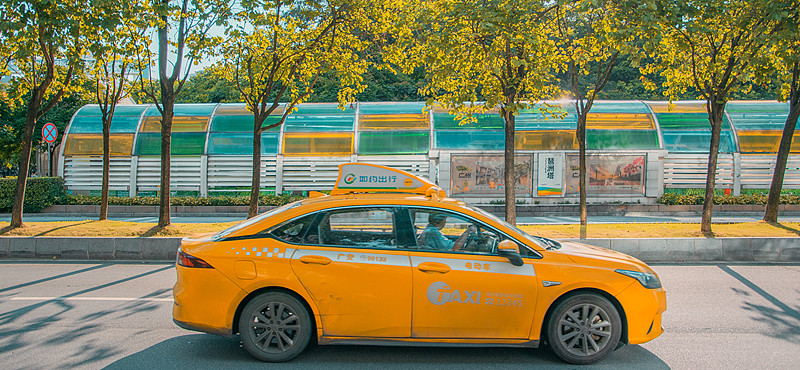
Flag fall ¥5 for the first 2 km plus ¥1 fuel surcharge — cheap enough to use freely within town, and to reach the out-of-town sights.
The seafront promenade runs the length of the resort — Tiger Rock, the market, the pagoda and the wetland boardwalks are all walkable from the hotel district.
Shell art — pictures and ornaments made from Bohai shells, the resort's traditional souvenir. Fresh pearls from the local shops, sold by the strand. Dried seafood — shrimp, scallops and squid for the trip home.
The lanes behind Tiger Rock and around Shitanglu market carry the full souvenir range. Buy pearls from the shops with a scale and a refund promise; shell art is cheaper at the market than on the beach.
Beidaihe Hospital — +86 335 4041 624. CCB — 74 Haining Road, +86 335 4043 017. ATMs are plentiful in town but absent on the beaches — carry cash for the market.
Tourist hotline +86 335 3661 001; complaints +86 335 3661 010 or 12301; Beidaihe complaints +86 335 4186 310. Emergencies: 120, 110. For bookings, email [email protected] or WhatsApp our team any time.
Bus 34 to Sidaoqiao then 25 (about 3 hours round trip): the First Pass Under Heaven (¥50), the old town lanes, and the Old Dragon Head (¥60) where the Great Wall enters the sea. The full Great-Wall-meets-ocean day.
First Pass guideA gentle half-day on the town's doorstep: Geziwo Park at dawn for the sunrise, then the bird museum, the wetland boardwalk and Qianshui Bay — the classic free-and-easy morning.
Geziwo guideMid-June to late August and Golden Week are the crunch weeks — most hotels want prepayment, and the good ones sell out. Our team books any of the listed properties free of charge.
Watch them weigh live, refuse 'help' picking, check the scales, and watch the kitchen. Buy by the jin and confirm the total before cooking — the market is honest, the beach touts are not.
The Bohai coast has real currents and rip spots. Swim inside the marked swimming lanes; July–August is the safe, warm season, and September still fine.
Sunrise at Geziwo, early-morning Tiger Rock, late-afternoon beaches — the resort is transformed outside the 10:00–16:00 peak. September–October gives you empty sand and warm sea.
Sea air and sand attack lenses and shutters. A dry bag for the beach, a lens cloth for the salt spray, and keep the camera off the sand — the classic Beidaihe repair-shop trade is sand-damaged cameras.
Beidaihe sits on the Bohai coast, its forests covering 54% of the town — the reason it escapes both the Beijing heat and the northern winters: no bitter cold, no scorching summer. The mild maritime climate made it the natural choice for a resort.
In 1893 a British engineer, Jinda, discovered the beach while surveying the Beijing–Shanhaiguan railway; by 1898 the Qing court opened it as China's first official seaside resort. In 1954 Chairman Mao wrote the famous poem "Langtaosha · Beidaihe" here after swimming in the sea, and the resort became the summer retreat of generations of leaders and families.
Beyond the hotels and beaches, Beidaihe is one of the world's great bird migration stopovers and the western gateway to the Great Wall coast — a place that pairs a century of resort history with a serious natural shoreline.
Everything on ToursChinaTravel is bookable through our team by email or WhatsApp. Here's where each part of your Beidaihe trip lives on the site.
Star-rated sight details — hours, tickets, phones and tips for every Hebei attraction.
Browse Hebei sightsStar-rated hotels across Hebei — sorted by rating, all bookable by our team.
Book a Hebei hotelRoutes, airlines and schedules for Beijing, Qinhuangdao and the Bohai coast corridor.
See China flightsLicensed agencies with addresses, phones and booking contacts for coast and Great Wall tours.
Find a Hebei agencyShell art, pearls, dried seafood and the region's other local produce.
Browse Hebei specialtiesQinhuangdao, Shanhaiguan, Baiyangdian and more — city by city, in one place.
Browse all guides