Yunnan Travel Guide: The Ultimate Yunnan Itinerary for First-Timers
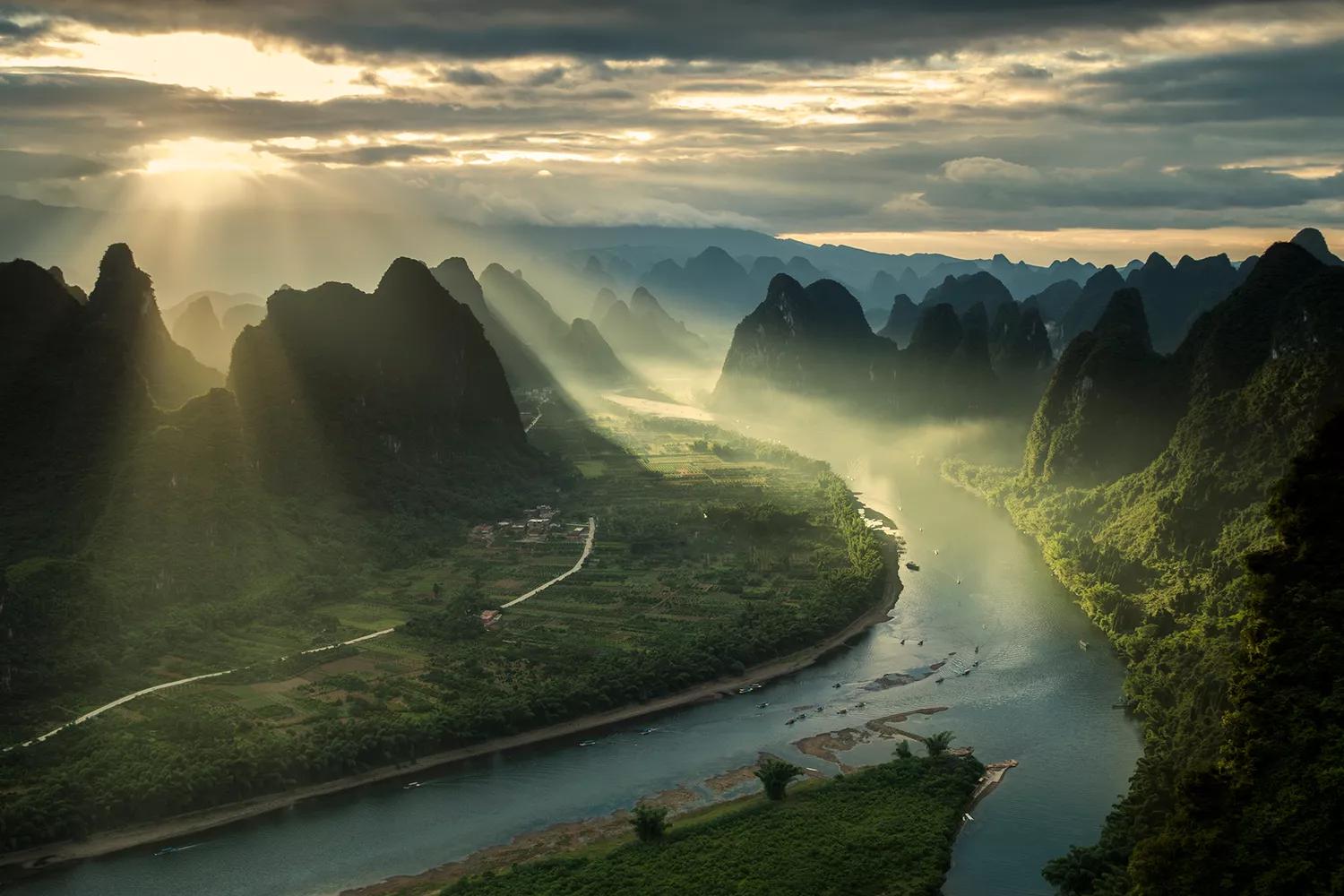
Yunnan is China's greatest travel province — and the one that first-time visitors most often get wrong by rushing. The province is a country in miniature: snow mountains and subtropical rainforest, Tibetan monasteries and tropical Dai villages, ancient towns and gorges, all strung along a single highland arc. The classic mistake is a five-day sprint through three ancient towns that all blur into souvenir shops; the right way is to understand the geography, pick the route that matches your time, and let the province's extraordinary diversity do the rest. This guide covers the full picture: the regions, the routes, the seasons, the costs and the practical details that make Yunnan work.
Why Yunnan Is China's Most Diverse Province
Yunnan's geography explains its culture: the province sits where the Tibetan Plateau, the subtropical southeast and the Indochinese peninsula meet, with altitudes ranging from the 76-metre valley floors of the south to the 6,740-metre Kawa Karpo in the northwest. The result is a vertical world: at 2,000 metres you get Yunnan's eternal spring, at 500 metres the tropical banana-and-rubber country, and above 3,500 metres the yak pastures of the Tibetan edge. This verticality produced the province's famous human diversity — 25 recognized ethnic minority groups, from the Naxi of Lijiang (with their pictographic Dongba script) to the Dai of the southern plains (with their water-splashing festival), the Bai of Dali, the Tibetan communities of the northwest, and the Hani of the Yuanyang rice terraces. It is the single most ethnically varied province in China, and the easiest place in the country to feel like you have traveled across borders without leaving one province.
The Yunnan Regions, Explained
Think of Yunnan as five different travel worlds, each with its own character. The Kunming Plateau (1,900 m) is the spring-weather capital — the Stone Forest, the Green Lake, the city's eternal mildness, and the gateway. The Dali region (2,000 m) is the lake-and-old-town country — Erhai Lake, the Bai villages, the Cangshan mountains, and the relaxed rhythm that made it a magnet for China's creative class. The Lijiang–Shangri-La corridor (2,400–3,400 m) is the dramatic northwest — the Naxi old town, the Jade Dragon Snow Mountain, the Tiger Leaping Gorge, and the Tibetan border country of Shangri-La with its monasteries and high pastures. The Yuanyang–Honghe south is the rice-terrace world — the Hani terraces, some of the most photographed landscapes on Earth, best at sunrise in the winter fog season. And the Xishuangbanna deep south is the tropical world — rainforest, Dai villages, the Mekong (Lancang) river, and China's most Southeast Asian city, Jinghong. Most first-timers see the first three; the ambitious add the last two.
Classic Route 1: The Golden Triangle (6–7 Days)
The classic first-timer route links the three greatest names: Kunming → Dali → Lijiang. The shape: fly into Kunming, spend a day (the Stone Forest is the iconic half-day trip; the Green Lake and the old town lanes fill the afternoon), take the 2-hour high-speed train to Dali, spend two days on the lake and the old town (bike or e-bike the Erhai lakeshore, see the Three Pagodas, eat the Bai cuisine), then the 2-hour train to Lijiang for two to three days (the old town's cobbled lanes, the Black Dragon Pool's Jade Dragon reflection, the Shuhe and Baisha villages, and the snow mountain for the energetic). The route is easy, the transport is seamless, and it delivers the full Yunnan postcard without the high-altitude effort. Total cost: 1,800–2,800 RMB per person including hotels, trains, food and the main tickets.
Classic Route 2: The High Country (8–10 Days)
The extended route adds Shangri-La and the Tibetan edge: Kunming → Dali → Lijiang → Shangri-La, and optionally back through Lijiang to fly home. Shangri-La (3,200 m) is the reward for two extra days: the Songzanlin Monastery (the 'Little Potala'), the old town's Tibetan lanes, the high pastures of Napa Lake and the mountain panoramas of the surrounding valleys — and for hikers, the 2–3 day Tiger Leaping Gorge trek on the way north from Lijiang, one of the world's great gorge walks, hugging the cliffs above the roaring Jinsha River with snow peaks on the far side. The altitude is manageable (most visitors feel it as mild breathlessness; take the first day slowly), the Tibetan culture is a genuine change of world, and the route's finale — the high plateau light over the monastery — is worth every step. Cost: 2,500–4,000 RMB over 8–10 days.
Classic Route 3: The Tropical South (4–5 Days)
For a different Yunnan entirely, fly south: Kunming → Jinghong (Xishuangbanna), 50 minutes by air or 6–7 hours by train. Jinghong is the gateway to the Dai world: the night market and the Mekong riverside, the Dai villages of the countryside (Ganlanba, the Olive Dam), the wild elephant valley and the tropical botanical gardens — China's finest, with 13,000 plant species. The region's rhythm is tropical: the mornings are for the temples and the villages, the evenings for the riverside food streets (the Dai barbecue, the pineapple rice, the sour-spicy salads), and the seasons run wet (May–October) and dry (November–April) instead of hot and cold. Cost: 1,200–2,000 RMB for 4–5 days, and it pairs naturally with the rest of Yunnan for a two-week itinerary that spans snow mountains and rainforest in one province.
Best Time to Visit Yunnan: The Season-by-Season Guide
Yunnan's climate makes it a year-round destination with a seasonal map worth understanding. The high plateau (Kunming, Dali, Lijiang) enjoys eternal spring: 15–25°C year-round, with a dry season (November–April) of blue skies and crisp nights and a wet season (May–October) of afternoon showers and greener hills. The Tibetan northwest (Shangri-La) is the coldest corner: winter freezes and the passes can close; May–October is the trekking window. The deep south (Xishuangbanna) runs hot: 25–35°C year-round, with the dry-cool months of November–February the comfortable window and the spring water-splashing festival (mid-April) the cultural highlight. The two golden periods for the whole province: March–April (spring flowers, the terraces' flooded mirror season at Yuanyang, comfortable everywhere) and September–November (clear skies, harvest terraces, the golden larch forests of the northwest). Chinese holidays (May Day, National Day, Spring Festival) double the crowds and prices — avoid them if you can.
Getting Around Yunnan: Transport Reality
Yunnan's transport has transformed in the last five years, and the high-speed rail now does the heavy lifting: Kunming–Dali (2 h), Dali–Lijiang (2 h), Lijiang–Shangri-La (1.5 h) — the classic corridor is now effortless, with second-class fares of 100–150 RMB per leg. Kunming's airport is the regional hub with flights to every corner (Shangri-La 1 h, Jinghong 50 min, and the smaller airports of the south and west). The remaining challenges are the scenic but slow roads: the mountain routes to the terraces (Yuanyang, 4–5 h by road from Kunming), the gorge country (Tiger Leaping Gorge via Lijiang), and the far northwest (the Deqin–Meili Snow Mountain road). For those, the options are private cars (600–1,200 RMB per day with driver — the common choice for families and photographers), the regional buses (cheap, slow, adventurous), or organized small-group tours. The one rule: book the high-speed rail 3–7 days ahead in season, and treat the mountain roads as half-day journeys, not transfers.
Where to Stay in Yunnan: The Base-by-Base Guide
Each base has its own accommodation logic. Kunming: the Green Lake area is the atmospheric base (old villas, cafés, lakeside walks); the city is big, so stay central. Dali: the old town is the classic base (guesthouses in the Bai courtyard houses, the night market at the gate), but the lakeside villages — Caicun, Shuanglang, the Erhai east shore — hold the dream rooms with lake views, worth the 20-minute bike or 30-minute car from the old town. Lijiang: the old town (Dayan) is beautiful and loud (day-trippers, bars); the quieter villages of Shuhe and Baisha, 15–20 minutes away, are the sane base — same architecture, a fraction of the crowds. Shangri-La: the old town's Tibetan guesthouses (underfloor heating matters in winter) and the countryside lodges near Napa Lake. And the practical notes: Yunnan's guesthouse culture is excellent, the mid-range runs 150–400 RMB, and the lakeside and mountain-view rooms book out weeks ahead — plan the special nights early.
What to Eat in Yunnan: The Province on a Plate
Yunnan's food is as diverse as its people, and the eating is a highlight of any trip. The essentials: crossing-the-bridge noodles (guoqiao mifen) — the Kunming ritual of a boiling broth bowl into which you dip raw meats, vegetables and rice noodles, named for the scholar's wife who crossed a bridge with his lunch; the wild mushroom hotpot of the autumn season (the province's fungi — porcini, matsutake, the famous 'chicken leg' mushroom — are a national obsession); the Bai cuisine of Dali (the 'three courses' of steamed dishes, the milk fans and the pickled vegetables); the Naxi cuisine of Lijiang (the hotpot, the yak dishes, the famous Lijiang baba flatbread); the Tibetan food of Shangri-La (butter tea, yak, tsampa); and the Dai food of the south (the sour-spicy salads, the pineapple rice, the grilled river fish, the banana-leaf parcels). Add the province's fruit (the south's tropical cornucopia), its coffee (the highland arabica of Pu'er and Baoshan — quietly the best in China), and its tea (pu-erh above all), and Yunnan is a culinary itinerary on its own.
Yunnan Costs: The Budget and Mid-Range Reality
Yunnan is one of China's best-value provinces. The honest numbers: budget travelers (hostels, street food, buses and second-class rail) run 250–400 RMB per day; mid-range (private rooms, restaurants, the occasional private car) run 500–900 RMB; and the signature experiences carry their own prices — the Stone Forest 130 RMB, the Jade Dragon Snow Mountain cable car and park 200–300 RMB, the Tiger Leaping Gorge entry 45 RMB, the Songzanlin Monastery 115 RMB, the Yuanyang terraces 70 RMB, and the Xishuangbanna gardens 80 RMB. A complete two-week Yunnan trip — the triangle plus Shangri-La and the south — runs 5,000–9,000 RMB per person depending on the comfort level, and the mountains, the lakes and the old streets themselves are free. The value secret: Yunnan's paid highlights are modestly priced, and the province's daily life — the lakeside bike rides, the market mornings, the temple courtyards — costs almost nothing.
Yunnan Practicalities: Altitude, Packing and the Details
The altitude is Yunnan's main practical consideration: Kunming (1,900 m) is harmless, Dali and Lijiang (2,000–2,400 m) are mild, and Shangri-La (3,200 m) requires respect — take the first day slowly, drink water, avoid alcohol, and ascend gradually rather than flying straight to 3,200 m. The packing list: layers for the plateau's day-night swings (a fleece and a light down jacket work year-round), sun protection (the highland UV is intense), a rain shell for the wet season, and comfortable shoes — the old towns are cobbled and the gorge trails are real. The other details: the plateau's dry air needs moisturizer; the winter nights in Shangri-La freeze (thermal underwear); the mobile signal is excellent except in the deep gorge and mountain country; and the province is safe and welcoming — the tourism infrastructure (English signage at the main sights, the translation apps, the friendly guesthouse staff) is among China's best.
Yunnan Itinerary: A Complete Two-Week Plan
| Day | Plan | Base |
|---|---|---|
| 1 | Arrive Kunming; Green Lake, old town lanes | Kunming |
| 2 | Stone Forest half-day; return for the night markets | Kunming |
| 3 | HSR to Dali (2 h); old town, Three Pagodas at dusk | Dali |
| 4 | Erhai Lake e-bike loop; lakeside villages | Dali |
| 5 | Cangshan cable car or the countryside; Bai villages | Dali |
| 6 | HSR to Lijiang (2 h); old town evening | Lijiang (Shuhe) |
| 7 | Black Dragon Pool, Jade Dragon Snow Mountain | Lijiang (Shuhe) |
| 8 | Baisha and Shuhe villages; Naxi culture | Lijiang (Shuhe) |
| 9 | Tiger Leaping Gorge day hike | Lijiang (Shuhe) |
| 10 | HSR to Shangri-La (1.5 h); old town, Napa Lake | Shangri-La |
| 11 | Songzanlin Monastery; high pasture walks | Shangri-La |
| 12 | Fly to Jinghong (or back to Kunming for the south) | Jinghong |
| 13 | Botanical gardens; Dai villages | Jinghong |
| 14 | Wild elephant valley or Mekong river; fly home | — |
The two-week plan covers the province's three worlds — the plateau cities, the Tibetan northwest and the tropical south — with one flight (Jinghong) and the high-speed rail for everything else. For a first visit with less time, the six-day triangle (Route 1) is the perfect introduction; with more, add the Yuanyang terraces (from Kunming) and the far northwest's Meili Snow Mountain for the province's most dramatic scenery.
The Final Word: Yunnan Is China's Masterpiece
Yunnan rewards the traveler who gives it time. The province's genius is that its extremes — snow and rainforest, monasteries and rice terraces, the Tibetan plateau and the Southeast Asian valleys — are all real, all accessible, and all connected by a railway that makes the whole arc effortless. Between the Erhai lakeshore's bike rides, the Lijiang lanes at dawn, the gorge trail's roar and the Songzanlin gold in the high light, Yunnan delivers the full range of what China can be, and it does it with the country's warmest welcome. Come for a week and you will want a month; plan it properly, and the province will give you its best. Our Kunming, Dali, Lijiang and Shangri-La guides carry the full depth of every base.
Yunnan's Signature Experiences: The Must-Do List
Beyond the route, Yunnan's signature experiences deserve their own planning. The Yuanyang rice terraces at sunrise — the Hani people's thousand-year stairways to the sky, flooded and mirror-bright in winter and spring, with the morning fog rolling through the valleys; best visited in December–March, a two-day trip from Kunming with an overnight in the terrace villages. The Tiger Leaping Gorge trek — the 2–3 day cliff trail above the Jinsha River's roar, with snow peaks across the gorge and the guesthouse terraces as the trail's reward; the high trail is the classic, the low road the fallback, and the 'half-day sampler' (the first section to the Naxi guesthouse) fits tight itineraries. The Jade Dragon Snow Mountain — the 5,596-metre massif above Lijiang, its glacier cable car climbing to 4,506 m (book the timed slot, go early, and carry oxygen if you are sensitive). And the mountain's quieter neighbours: the Yulong foothill meadows, the Baisha murals and the Naxi villages of the valley floor.
Add the cultural experiences: a Dongba culture lesson in Lijiang (the Naxi pictographs — the world's last living pictographic script); a Bai tie-dye workshop in Dali's Zhoucheng village; a Dai water-splashing festival in Xishuangbanna (mid-April); a pu-erh tasting in the tea mountains of the south; and the province's festivals — the Torch Festival of the Yi people (summer), the Three Pagodas' Buddhist fairs, and the horse festivals of the northwest. Yunnan's experiences are the province's true souvenirs — the ones that cannot be packed but last a lifetime.
Yunnan with Children and the Slow Traveler
Yunnan is a superb family destination, and the slow traveler's best friend. For families: the old towns are safe, walkable and full of wonders (the Lijiang lanes, the Dali lakeside, the Shangri-La monasteries); the Stone Forest is a natural playground; the botanical gardens of Xishuangbanna are a living museum; the e-bike loops suit children on the back or the sidecar; and the province's mild plateau climate avoids the extremes that make other Chinese destinations hard for young travelers. The slow traveler (and the digital nomad) finds Yunnan's second calling: the guesthouse terraces over the lakes, the café culture of Dali and Lijiang (the province's coffee is its own world), the long lunches and the shorter distances. Yunnan is the Chinese destination where staying still is as rewarding as moving.
Yunnan's Practical FAQ, Answered
Is Yunnan expensive? No — it is one of China's best-value provinces, with mid-range travel running 500–900 RMB per day and budget travel 250–400. Do I need a tour? No — the classic route is fully independent (high-speed rail, guesthouses, the sights' English signage), with tours adding value only for the deep countryside and the far northwest. Is the food safe and manageable? Yes, and the range is gentle — the plateau cooking is mild and mushroom-rich, with the spicy Dai food of the south the only fire. What about the monsoon? The wet season (May–October) means afternoon showers, not washouts — the mornings stay clear and the landscape turns emerald. And the one warning that matters: the altitude at Shangri-La and the snow mountains deserves the standard respect — ascend gradually and hydrate.
Frequently Asked Questions
How many days do you need for Yunnan?
A meaningful Yunnan trip needs 6–7 days for the classic triangle (Kunming, Dali, Lijiang); 8–10 days adds Shangri-La and the gorge; a full two weeks covers the south (Xishuangbanna) and the terraces. The province rewards time — rushing it is the most common mistake.
What is the best time to visit Yunnan?
March–April and September–November are the golden windows: comfortable temperatures, clear skies, the flooded terraces in spring and the golden harvest in autumn. The plateau is spring-like year-round; Shangri-La is best May–October; Xishuangbanna is best November–February.
How do I get between Dali, Lijiang and Shangri-La?
High-speed rail: Kunming–Dali (2 h), Dali–Lijiang (2 h), Lijiang–Shangri-La (1.5 h), with second-class fares of 100–150 RMB per leg. Book 3–7 days ahead in season. The airport at Kunming serves the rest of the province with flights.
Is altitude sickness a problem in Yunnan?
Most of the classic route is harmless (Kunming 1,900 m, Dali 2,000 m, Lijiang 2,400 m). Shangri-La (3,200 m) can cause mild symptoms — ascend gradually, take the first day slowly, hydrate, and avoid alcohol. Severe symptoms are rare and the sensible traveler takes the standard precautions.
Is Yunnan safe for solo and female travelers?
Yes — Yunnan is among China's safest and most tourism-ready provinces, with well-established guesthouse culture, good signage and a genuinely warm welcome. The usual travel precautions apply, and the old towns' evening crowds are safe and lively.
Plan this trip with our China team
Tickets, hotels, trains and local arrangements — free booking help, reply within hours.