Suzhou Travel Guide: The Classical Gardens, Water Towns and a Perfect 2-Day Plan
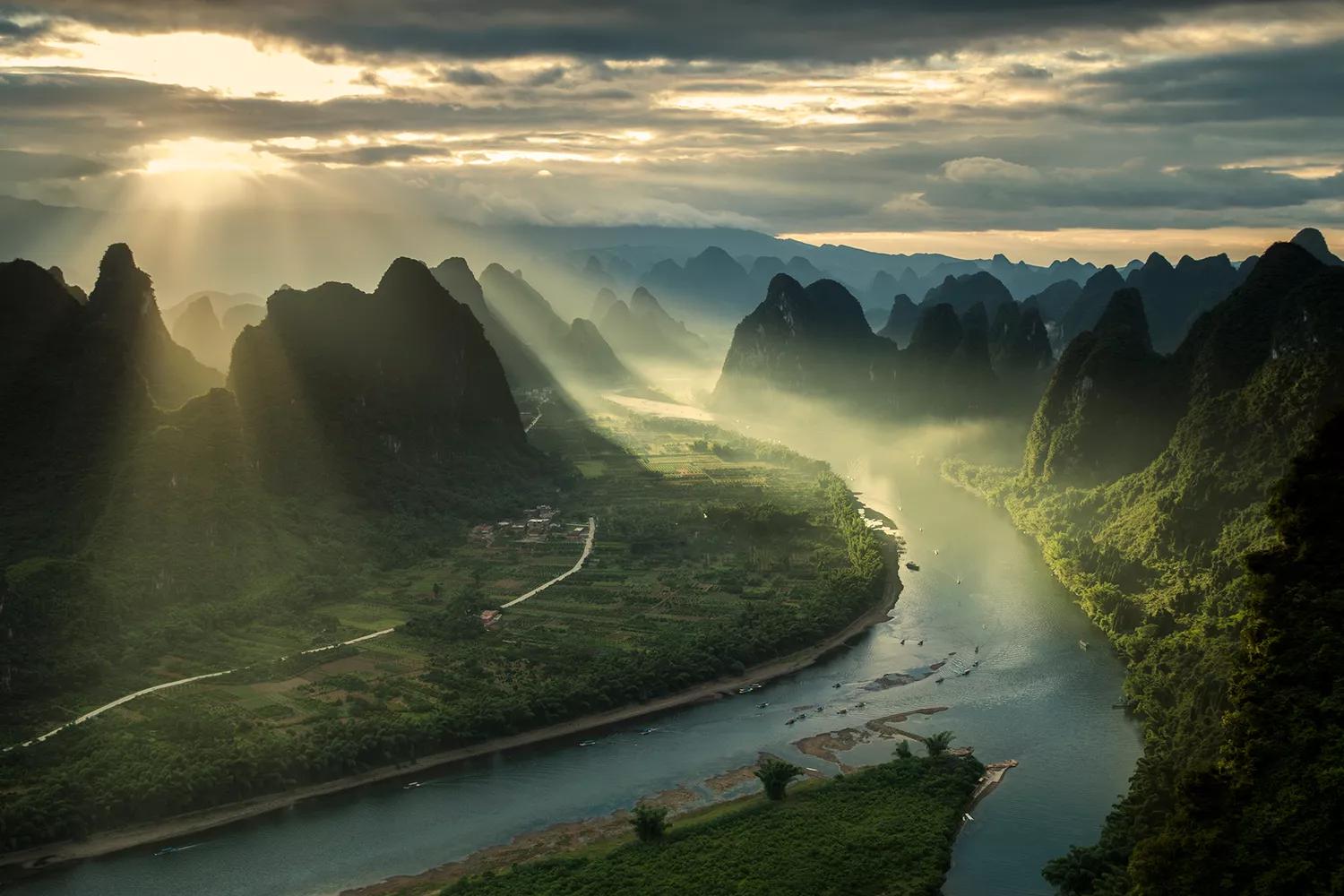
Suzhou is China's garden city — the place where the country's most refined aesthetic tradition, the classical garden, was perfected over a thousand years, and where the Jiangnan water country reaches its most complete expression. The city's nine classical gardens are UNESCO World Heritage Sites; its water towns are the region's most beloved; its silk and its cuisine carry the delta's refinement; and its position — 25 minutes from Shanghai by high-speed rail — makes it the perfect deep-dive day trip or the two-day base that shows what Jiangnan really is. This guide covers the gardens (the essential experiences), the water towns, the food, and the perfect two-day plan, with the practical detail that makes Suzhou effortless.
The Classical Gardens: What You Are Actually Visiting
The Suzhou classical garden is not a garden in the Western sense — it is a complete miniature world, the Chinese scholar's ideal of nature, architecture and philosophy composed in a few acres. The elements are the vocabulary: the rockeries (the Taihu limestone 'scholar's rocks' — hollowed, wrinkled, expressive — arranged into miniature mountains), the water (the pools that mirror the pavilions), the pavilions and galleries (the viewing frames that turn every walk into a composition), the bridges and causeways, the plants (the plum, the bamboo, the lotus), and the inscribed plaques and couplets (the poetry that names the views). The gardens were built by retired officials and scholars as retreats — places to live the ideal life of contemplation — and walking one is reading a scholar's mind in stone, water and bamboo. The UNESCO listing (1997–2000) covers the nine finest, and the city's gardens reward the visitor who walks slowly, sits in the pavilions and lets the compositions open.
The Essential Gardens: Which to Choose
Suzhou's gardens are many and the first-timer's choice matters. The Humble Administrator's Garden (Zhuozheng Yuan) is the greatest and the most famous — the largest of the classical gardens, with the lake-and-island heart, the pavilions framing the water, and the layers of view that make it the model of the genre; allow 2 hours and go at the opening (the crowds arrive by 10:00). The Lingering Garden (Liu Yuan) is the connoisseur's favorite — smaller, denser, with the famous rockeries and the extraordinary hall sequence; a masterpiece of compression. The Master of the Nets Garden (Wangshi Yuan) is the smallest and most perfect — the city's jewel, best visited in the evening (the famous night garden performances, with the Kunqu opera and the music in the pavilions — the most magical evening in Suzhou). The Lion Grove (Shizi Lin) is the rock-garden spectacle (the labyrinth of scholar's rocks, the children's favorite); the Couple's Retreat and the Garden of Cultivation are the quiet specialists; and the Panmen Gate and the city's canals add the historical layer. The decision: the Humble Administrator's Garden for the masterpiece, the Master of the Nets for the perfection (and the night), and one smaller garden (the Lion Grove or the Lingering) for the contrast. The combined tickets and the city's 'garden pass' save on the multi-garden days.
The Water Towns: Tongli, Zhouzhuang and the Canal Country
Suzhou is the gateway to the delta's water towns — the canal villages of white walls, stone bridges and boat lanes that define the Jiangnan image. Tongli (20 minutes from Suzhou) is the traveler's pick: the canals and bridges, the Retreat and Reflection Garden (another UNESCO garden, quieter than the city's), the old residences and the boat rides through the still waterways — the classic water-town day. Zhouzhuang (40 minutes, the most famous) is the postcard town (the Double Bridges, the Shen House, the boat songs) — beautiful and touristy, best early and late. The nearer and quieter options (the Luzhi, the Shengze, the Qianshui villages) hold the unpolished version. The practicals: the buses and the organized day tours from Suzhou cover all three; the water towns' magic is the evening (the lanterns, the empty bridges), so the late return or the overnight rewards the plan; and the photography — the reflections in the still canals, the bridges from the boats — is the region's richest vein. The rule: one water town is the right amount (they share the genre); Tongli for the quality, Zhouzhuang for the icon.
Silk and Crafts: Suzhou's Second Fame
Suzhou has been China's silk capital for centuries — the imperial workshops' silk, the 'Song brocade' and the Suzhou embroidery (the double-sided embroidery, the fine-threaded portraits) are national treasures — and the city's craft culture is the shopping soul of the trip. The experiences: the Silk Museum (free, with the live silkworm displays, the weaving demonstrations and the modern collections — the half-day education), the No. 1 Silk Factory's workshops (the full process from cocoon to bolt, and the honest retail), the Suzhou Embroidery Research Institute (the masterworks — the double-sided cats and the landscapes — and the working studios), and the old city's craft lanes (the jade, the fans, the guqin workshops of the classical-music quarter). The shopping rules: the museums' and institutes' shops sell the genuine article with fair pricing (the embroidery is priced by the thread-count and the years of the maker's training — the masterworks run into the tens of thousands); the tourist-street silk is the gamble; and the silk quilts, the scarves and the embroidery panels are the souvenirs that travel well. Suzhou's crafts are the city's second soul, and the workshops — where the threads still fly — are the living museum the displays can only hint at.
Suzhou Food: The Jiangnan Table, Refined
Suzhou's cuisine is the delta's refined edge — sweet, fresh and seasonal, with the river and the lake at its centre. The essential dishes: the squirrel-shaped mandarin fish (songshu guiyu, the sweet-sour showpiece, scored and fried into the squirrel's tail), the lake shrimp, the river eels (the stir-fried 'eel paste' and the eel noodles), the sweet-and-sour spare ribs, the beggar's chicken (the lotus-leaf clay-baked fowl), and the seasonal stars — the hairy crab of autumn (the lake's Yangcheng crabs, steamed and picked with surgical patience), the spring bamboo shoots, the osmanthus-scented sweets. The city's food streets (the Guanqian Street lanes, the Shiquan Street restaurants) and the famous houses (the Songhelou, the Deshengyuan) deliver the classics; the breakfast is the region's treasure (the Suzhou-style noodle soups, the soup dumplings — the Wuxi-and-Suzhou style, sweeter and soupier than Shanghai's); and the tea culture (the Biluochun green tea of the nearby Dongting hills) frames the meal. The eating rule: order the season's specialties, share everything, and save the sweet tooth for the osmanthus and the candied fruits — the Jiangnan palate is the country's most refined.
A Perfect 2-Day Suzhou Itinerary
| Day | Plan | Notes |
|---|---|---|
| 1 | Humble Administrator's Garden (opening); Lion Grove; Pingjiang Road canal walk; night at the Master of the Nets garden | The garden day |
| 2 | Tongli water town (morning); Silk Museum and embroidery institute (afternoon); Guanqian Street evening | Water town + crafts |
The two-day plan covers the city's three souls — the gardens, the water country and the crafts — with the Pingjiang Road (the ancient canal street, the city's most beautiful walk) as the through-line. Add a third day for the Lingering Garden and the Tiger Hill (the leaning pagoda and the old city's highest point), the Suzhou Museum (the I. M. Pei building — the modern masterpiece that frames the classical), or the second water town; and the city's position — 25 minutes from Shanghai — makes it the perfect add-on to any East China itinerary.
When to Go and the Practical Details
Suzhou's seasons follow the delta's: spring (March–May) is the golden window (the gardens' blossom, the mild weather, the tea-picking); autumn (September–November) the second (the crab season, the osmanthus, the clear light); summer is hot and humid (the gardens' shade and the canals' breeze are the relief); and winter is cold, misty and empty (the plum blossom of late February is the reward). The practicals: the high-speed rail from Shanghai Hongqiao (25–40 minutes, 40–60 RMB) runs every few minutes; the metro covers the old city and the station; the gardens' opening hours (07:30–17:30 in season) reward the early start; the combined 'garden card' (the one-day multi-garden pass) saves on the ambitious days; and the hotels — the old city's courtyard properties and the Pingjiang Road guesthouses are the atmospheric bases, the business hotels the practical ones. The one rule: book the gardens' tickets online in the seasons (the timed entry manages the crowds), and the Master of the Nets night performance weeks ahead.
The Final Word: The City of Scholars, Gardens and Slow Water
Suzhou is the most complete expression of the Jiangnan ideal — the scholar's garden, the canal town, the silk workshop and the refined table, composed in a city small enough to walk and deep enough to reward the return. Between the Humble Administrator's rockeries, the Master of the Nets' night opera, the Tongli bridges and the Pingjiang Road's evening lanterns, the city delivers the China that the poets praised — the good life, made of stone, water and tea. Come for a day from Shanghai and you will return for a week; the gardens are the hook, and the city is the gift. Our Suzhou guides and the Tongli day-tour pages carry the full depth.
The Garden Art: Reading a Suzhou Garden
A Suzhou garden is a text, and the reading skills are simple once you know them. The first principle is the 'borrowed view' (jiejing): the garden frames the scenery beyond its walls — the Tiger Hill's pagoda, the distant hills, the neighbouring willows — so the garden seems larger than its boundary. The second is the 'small in large' (yixiao jian da): a few acres compress a mountain, a lake and a forest into a walkable world, each turn a new composition. The third is the path of views: the galleries and the covered walkways route you past the pavilions' framed scenes (the 'leak windows' — the pierced lattice through which the garden reveals itself), and the inscribed couplets name each view and add the literary layer. The fourth is the season: the gardens are composed for the year — the plum of February, the peony of April, the lotus of July, the osmanthus of October, the snow of January — and the same pavilion changes its masterpiece with the month. Walk slowly, sit in the pavilions, read the couplets (the translation apps help), and the garden will unfold its argument: that the good life is a matter of framing, not of size.
Suzhou's Night: The City After the Day-Trippers Leave
Suzhou's evenings are the city's secret, and the night program is worth planning. The Master of the Nets Garden's night performances (the 'Night Tour of the Garden' — the Kunqu opera, the flute, the pipa and the dance staged in the pavilions and the courtyards, each scene in a different corner, the audience following the music through the dark garden) is the city's most magical evening — book ahead, dress for the night air, and let the opera's thousand-year elegance play in the lantern light. The Pingjiang Road at night (the canal street's lanterns, the teahouses, the boat songs from the water) is the free evening — the old city's most atmospheric walk. The Guanqian Street and the Shiquan Street hold the food and the shopping; the canal-side bars and teahouses of the Pingjiang district the modern evening; and the Suzhou Museum's evening openings (in season) the cultural alternative. The night rule: the city's gardens close at dusk, but the city itself — the canals, the lanterns, the opera — is the night's garden.
Suzhou with Kids and the Slow Traveler
Suzhou works for every traveler, and the styles differ. The families: the Lion Grove's rock labyrinth is the children's garden (the caves and the bridges are a natural playground), the water towns' boat rides the adventure, the silk museum's live silkworms the wonder, and the gardens' koi ponds and turtles the quiet joy — the city is compact, stroller-friendly and safe. The slow traveler: the teahouses of the Pingjiang Road, the gardens' pavilion benches, the canal-side cafés and the silk workshops' unhurried craft are the city's second soul — Suzhou rewards the traveler who sits as much as the one who walks. And the photographers: the gardens at opening (the empty compositions), the water towns' reflections (the dawn and the dusk), the Pingjiang Road's evening lanterns and the Tiger Hill's autumn light are the city's richest frames — the tripod is welcome in the gardens' early hours.
Suzhou FAQ: The Everyday Answers
Is Suzhou worth visiting if I only have a day? Yes — the Humble Administrator's Garden, the Pingjiang Road and a water town are the perfect day; the city rewards the second day. Are the gardens crowded? The famous ones fill by mid-morning — the opening hour (07:30) and the late afternoon are the empty windows, and the timed online tickets manage the flow. Can I walk the water towns? Yes — the bridges and the lanes are fully walkable; the boats are the atmospheric extra (the gondola rides 100–150 RMB per boat). Is the food spicy? No — Suzhou's cuisine is the delta's sweet-and-fresh tradition, gentle and refined. And the one tip: the combined garden pass and the online tickets save both money and queue time, and the Master of the Nets night performance is the booking that makes the trip.
Suzhou's Deeper History: The City of a Thousand Years
Suzhou's story runs deeper than the gardens, and the city's layers reward the curious. Founded in 514 BC (the Spring and Autumn period city of Wu, with the legend of the sword-forging and the city's canal grid), Suzhou has been the delta's cultural capital for most of its history: the Song dynasty's 'heaven above, Suzhou and Hangzhou below' proverb, the Ming and Qing dynasties' scholar-officials and garden-builders, the silk and the scholarship that made the city the empire's refined heart. The historical threads to follow: the Panmen Gate (the city's oldest surviving gate, with its water-and-land pass and the Wu Gate's history); the Tiger Hill (the 'hill' of the Sword Pool legend and the leaning Yunyan Pagoda — the city's emblem, with the tomb of the Wu king He Lü beneath); the Suzhou Museum (the I. M. Pei building — the modern masterpiece that frames the city's bronzes, ceramics and the Ming furniture); and the Pingjiang Road's old residences (the lanes of the scholars' houses along the canal, the city's best-preserved street). Walk the layers — the gate, the hill, the museum, the lane — and Suzhou's thousand years of refinement make the gardens' argument complete.
Suzhou Transport: The Day-Trip and Base Strategies
Suzhou's transport is the delta's easiest, and the strategies are simple. From Shanghai: the high-speed rail from Hongqiao runs every few minutes (25–40 minutes, 40–60 RMB) — the classic day trip, and the first trains (before 08:00) deliver the gardens' empty opening hours. From Hangzhou: the rail connection (1.5–2 hours) makes the Shanghai–Suzhou–Hangzhou triangle the classic three-city loop. Within Suzhou: the metro (the lines covering the station, the old city and the gardens) plus the buses and the taxis; the old city is walkable and the Pingjiang Road is the pedestrian spine; the water towns need the bus or the taxi (Tongli 20–40 minutes, Zhouzhuang 40–60). The airport options: Shanghai's two airports (with the rail connection) are the practical gateways; Wuxi's Shuofang and the Sunan Shuofang airport (30 minutes from Suzhou) handle the region's flights. The one rule: the gardens' tickets online, the first train for the day trip, and the old city's hotels for the base.
Suzhou's Canals: The Water City's Other Face
Suzhou was built on water — the canal grid that earned it the name 'Venice of the East' — and the city's watery layer is the second itinerary. The history: the Grand Canal, the world's longest ancient waterway, passes through the city's west; the city's own grid of canals and bridges (the old city's lanes are a water map) carried its silk, its scholarship and its life for a millennium. The experiences: the Pingjiang Road's canal walk (the city's most beautiful street — the white walls, the bridges, the boat songs); the boat rides (the gondola trips through the old city's lanes, 100–150 RMB per boat — the water's-eye view of the bridges and the houses); the Shantang Street (the other great canal street, longer and more local, with the tea houses and the old shops); and the city's water towns' extension (the Tongli and the Zhouzhuang, the canal country's perfected villages). The canal perspective completes the garden experience — the gardens are the scholars' composed water, the canals the city's living water — and the boat ride at dusk, the lanterns and the bridges, is the evening the city was built for.
Frequently Asked Questions
How many days do you need in Suzhou?
Two days is the ideal first visit (the gardens one day, the water towns and crafts the next); a day trip from Shanghai covers the top gardens but rushes the city. The water towns reward an overnight or a late return.
Which Suzhou garden is the best?
The Humble Administrator's Garden is the greatest and most famous (allow 2 hours, arrive at opening); the Master of the Nets is the smallest and most perfect (and the night garden performances are the city's magical evening); the Lingering Garden and the Lion Grove add the connoisseur's and the family's versions.
How do I get from Shanghai to Suzhou?
High-speed rail: 25–40 minutes from Shanghai Hongqiao to Suzhou, 40–60 RMB second class, with trains every few minutes. It is the classic day-trip pairing and the natural add-on to any East China itinerary.
Which water town should I visit from Suzhou?
Tongli (20 minutes away) is the quality pick — canals, bridges, the Retreat and Reflection Garden and quiet waterways; Zhouzhuang (40 minutes) is the famous postcard town, best early and late. One water town is the right amount; both share the genre.
What is Suzhou famous for?
The classical gardens (nine UNESCO World Heritage gardens, the pinnacle of the Chinese garden art), the water towns of the canal country, silk and Suzhou embroidery, and the refined Jiangnan cuisine — squirrel-shaped mandarin fish and the hairy crab above all.
Plan this trip with our China team
Tickets, hotels, trains and local arrangements — free booking help, reply within hours.