A Slow Week in Shanghai: Travel Story of the Bund, French Concession and Hidden Lanes
I arrived in Shanghai on a grey Tuesday afternoon with the kind of half-formed plan I usually regret: no itinerary, one hotel booked for three nights, and a single line in my notebook — 'walk until something happens.' What followed was a week that changed how I travel in China. Shanghai rewards the slow approach like no other city I know. It is not a city of monuments you must conquer; it is a city of neighbourhoods you should live in for a while, letting each one reveal itself street by street.
Day One: The Bund at the Wrong Time — and Why It Was Right
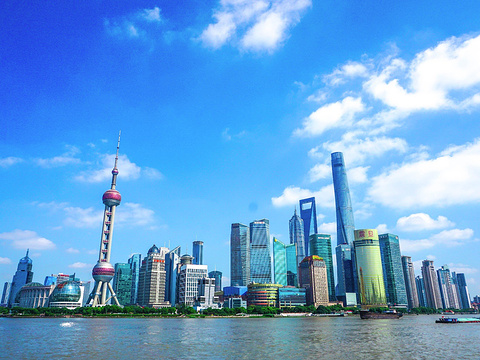
Everyone tells you to see the Bund at night, and everyone is right. But the Bund at 06:30 on a weekday morning is a different spectacle entirely. The colonial-era banks along Zhongshan East Road — the Customs House with its clock tower, the Hong Kong and Shanghai Banking Corporation building with its dome — sit empty in pale gold light, and the only crowds are tai chi practitioners along the riverfront promenade. The Pudong skyline across the Huangpu River, the Oriental Pearl Tower and the Shanghai Tower and the Jin Mao, looks like a city that built itself overnight, which it more or less did.
I walked the promenade twice that morning — once for the skyline, once for the old buildings' details: the bronze lanterns, the granite columns, the stone lions. Then I ducked into the narrow lanes behind the Bund, where the grand facades give way to working streets: noodle shops, bicycle repairmen, laundry hung from second-floor windows. Shanghai's magic is precisely this juxtaposition — imperial-era banks and a pensioner playing erhu fifty metres apart.
The French Concession: Shanghai's Most Walkable District
The former French Concession, bounded roughly by Huaihai Road, Hengshan Road and Xujiahui, is where Shanghai's slow-travel heart lives. Plane trees line the avenues, their branches meeting overhead; art deco apartment blocks hide behind courtyard walls; and every corner seems to hold a café with better coffee than the last. I spent two full days here and barely scratched it.
The essential walk: start at Wukang Road and Anfu Road, the neighbourhood's fashionable spine, and wander north through the lanes. Pop into the former residence of Sun Yat-sen on Xiangshan Road, a modest Western-style house that feels impossibly intimate for a founding father's home. Stroll the Shaanxi Road and Fuxing Road blocks, where the old shikumen (stone-gate) houses — Shanghai's traditional lane houses with their carved lintels and courtyard entrances — survive in whole neighbourhoods. And when your feet give out, the Fuxing Park benches offer the best people-watching in Asia: dancers, mahjong players, opera singers and couples practicing ballroom moves before lunch.
Two practical notes: rent a shared bicycle for the concession's flat, tree-lined streets — it is the perfect cycling district — and remember that many lane houses are private homes; photograph the architecture, not the residents, and keep voices low in the courtyards.
Yuyuan Garden and the Old City: The China Before the Skyline
Yuyuan Garden, hidden inside the old walled city south of the Bund, is a Ming dynasty scholar's garden of the sort classical Chinese painters dream about: rockeries that imitate mountains, ponds that imitate lakes, zigzag bridges that force you to slow down (each turn revealing a new view, the traditional trick against evil spirits). The garden dates from 1559 and survives — remarkably intact — as a green pocket in a district of shops and teahouses.
Surrounding the garden, the City God Temple bazaar and the old streets form Shanghai's most touristy zone, and it is still worth an hour: the Mid-Lake Pavilion Teahouse, the most photographed building in the old city, sits on its little island in the pond, and the steamed bun shops nearby sell the original soup dumplings — xiaolongbao — of Shanghai. Take the classic food walk: nanxiang xiaolongbao for the buns, a candied hawthorn stick for the walk, and a bowl of spicy crayfish noodles if you are brave.
Riverside Shanghai: The Huangpu, Suzhou Creek and the Waterfronts
Shanghai is a river city, and its best slow experiences are watery. The Huangpu River divides the colonial Puxi from the skyscraper Pudong; ferries cross it for 2 RMB — the cheapest and most authentic skyline cruise in the world. Take the ferry at dusk, from the Dongchang Road terminal to the Bund side, and watch the city light up from the water.
Suzhou Creek, which bends through the northern districts, is the quieter waterway — a photographer's river of warehouses, bridges and converted industrial lofts. The M50 art district, a former textile mill complex turned artist studios, sits on its bank and makes a perfect afternoon: galleries in factory buildings, courtyard cafés, and some of Shanghai's most interesting contemporary art. Across the creek, the Sihang Warehouse — a bullet-scarred 1930s warehouse that was the site of a famous 1937 battle — is now a moving museum of Shanghai's wartime history.
Food Notes: What a Slow Week of Eating Taught Me
Shanghai's food culture is a lesson in layers. The famous dishes — soup dumplings, braised pork belly (hongshao rou), scallion oil noodles, pan-fried buns (shengjianbao) — are only the beginning. Breakfast is a street ritual: jianbing crepes, rice rolls, warm soy milk. Lunch is often a noodle shop or a dumpling house where you order by pointing. Dinner is where Shanghai shines — xiaolongbao houses with steamers at every table, hongshao rou glistening like lacquer, and the local 'benbang' cuisine of the old city: sweet, rich, and utterly unlike the food you have eaten in Chinese restaurants abroad.
The classic xiaolongbao ritual: pick up the dumpling with chopsticks, bite a small hole in the top, blow to cool the soup inside, sip it, then eat the rest with black vinegar and slivered ginger. Practise on your first steamer; by the third you will be a professional. For the best local eating streets, avoid Nanjing Road and head instead to the Huanghe Road food street or the lanes around the French Concession's Wulumuqi Road.
When Shanghai Feels Too Fast: Parks, Water Towns and One Perfect Day Trip
Shanghai is a working city of 26 million people, and even slow travel needs a break from the pace. My escape was the water towns — the canal settlements of the Yangtze delta that predate the metropolis by a thousand years. Zhujiajiao, an hour west by metro and bus, is the accessible classic: stone bridges, canals, houses leaning over the water, and a rice wine culture that rewards a slow afternoon. Qiandao Lake, Wuzhen and Xitang are the other celebrated options — Wuzhen is the most polished, Xitang the most lantern-lit.
Inside the city, the parks are the reset button: Fuxing Park in the morning, the Shanghai Botanical Garden in spring, and the surprisingly wild Century Park in Pudong for a long afternoon walk. And if you want the city's most underrated view, take the elevator to the 100th floor of the Shanghai Tower (180 RMB) at dusk — the queues are shorter than at sunset, and the sight of the entire metropolis glittering below is the definition of a travel moment.
What Slow Travel in Shanghai Taught Me
By day seven I had seen no more than a quarter of the guidebook checklist — no Disneyland, no Bund night cruise, no full day at the museums. Instead I had learned the shape of the city: which lane leads from the noodle shop to the park, where the ferry lands, which café does the best pour-over on Anfu Road, how the light hits the French Concession plane trees at four in the afternoon. That is the trade-off slow travel offers everywhere — depth instead of coverage — and nowhere does it pay off more generously than Shanghai.
If you plan a Shanghai trip, give the city at least four full days, book a hotel near a metro line in the French Concession or by the Bund, and resist the urge to schedule everything. China's most modern city turns out to be its best walking city — and its slowest lessons are the ones you keep.
The Old City Walls and Shanghai's Layers of History
Shanghai's history is a palimpsest, and the old city preserves the deepest layer. The Yu Garden district survives as the walled Ming-Qing town, but walk a few blocks further and the layers stack: the Confucius Temple and its book market, the 1920s shikumen neighbourhoods around Huanghe Road, the art deco cinema palaces along the former Great Western Road, and the synagogue and Jewish heritage sites of the Hongkou district — where thousands of European Jewish refugees found sanctuary during World War II, an extraordinary chapter preserved in the Shanghai Jewish Refugees Museum.
History buffs should also make time for the Shanghai Museum of History, the site of the 1921 founding of the Chinese Communist Party, and the Long Museum in the West Bund — but the most powerful history lesson is simply walking the city's streets with open eyes: the bullet holes on the Sihang Warehouse, the art deco apartment names along Huaihai Road, the century-old plane trees planted when the French ran the concession. Shanghai's past is not in museums; it is in the masonry.
Museums and Culture: What Is Actually Worth Your Time
Shanghai's museums are strong and mostly free, which makes them easy to add without planning. The Shanghai Museum on People's Square is the essential stop: world-class bronzes, ceramics, calligraphy and jade across two floors, with free entry (reserve online in advance). The Power Station of Art, in a converted power plant on the Huangpu, is China's state contemporary art museum and always has something provocative. The West Bund Museum cluster — Long Museum, Yuz Museum, Tank Shanghai — has turned the riverside into an art mile worth an afternoon.
For a different kind of culture, book an evening at the Shanghai Acrobatics Troupe or the ERA Intersection of Time show — acrobatics, martial arts and motorcycling stunts in a spectacular stadium performance. And for the classic Shanghai experience, do not miss the old cinemas: the art deco Cathay and Grand cinemas still show films, and a film in a 1930s screening room is a time capsule.
Shopping Shanghai: From Markets to Design Districts
Shanghai is China's shopping capital, and the range is dizzying. Nanjing Road East is the classic pedestrian shopping street — the place for flagship stores and the famous First Food Hall, a century-old emporium with Shanghai's best food courts. Tianzifang, a warren of shikumen lanes near the French Concession, is the artisan district: boutiques, tea shops, galleries and handicrafts in courtyards — touristy but genuinely lovely, best visited on weekday mornings. The Bund's south end and the Rockbund host luxury flagships in restored heritage buildings.
For serious shoppers, the Jiangnan (silk) shops on Nanjing Road and the pearl market at Hongqiao (bargain hard) are the classic stops; for design, the M50 district and the West Bund have galleries selling contemporary Chinese art. And for the true local experience, visit a wet market — the Sanmen Road market or the huge Jiangqiao market — where you can buy everything from live crabs to antique porcelain: bring cash and a translator app.
Shanghai Nights: Where to Go After Dark
Shanghai's nightlife divides neatly into three experiences. The classic: the Bund promenade after dark, when the Pudong skyline lights up and the riverside fills with photographers — the best free show in China. The contemporary: the bar districts of the former French Concession — the Found 158 complex, the rooftop bars of the Bund (Bar Rouge, the Captain's Bar with its legendary view), and the craft cocktail scene around Yongkang Road and the former Laowai Jie. The cultural: evening performances at the Shanghai Grand Theatre, jazz at the JZ Club, or a late-night hotpot marathon that runs until 03:00.
Two tips: book the rooftop bars in advance on weekends, and remember the metro closes around 23:00 — after that, Didi is your friend and the night buses run all night along the main avenues. The city that never sleeps in China is, genuinely, Shanghai.
Getting Around Shanghai: The Complete Transport Brief
Shanghai's metro is the world's largest — 20 lines and 500+ stations — and the easiest way to move. Buy a Shanghai Public Transportation Card or use Alipay's transport code; single rides cost 3–9 RMB. The key lines for tourists: Line 2 crosses the city from Hongqiao station to Pudong airport through the Bund and Lujiazui; Line 10 serves the French Concession and the Old City; Line 1 links People's Square with the railway stations. The Maglev train from Pudong airport reaches Longyang Road station in eight minutes (50 RMB with an air ticket receipt) — a ride at 431 km/h worth doing once.
Taxis and Didi: flag-down taxis are metered and honest, Didi is cheaper and easier with the English app. Ferry crossings across the Huangpu cost 2 RMB and are the secret weapon for skyline photos. And Shanghai's shared bikes — Mobike, HelloBike — are the most convenient way to explore the flat French Concession: expect 1.5–3 RMB per 30 minutes and a ride that feels like a vacation in itself.
Budgeting a Slow Week in Shanghai
| Item | Budget | Mid-range |
|---|---|---|
| Hotel per night | 350–600 RMB (hostels, budget hotels) | 800–1,800 RMB (4-star, good location) |
| Meal per person | 40–80 RMB (noodle shops, dumpling houses) | 150–400 RMB (restaurants) |
| Transport per day | 15–30 RMB (metro, bikes) | 50–150 RMB (Didi, taxis) |
| Attractions | Mostly free museums; 180 RMB Shanghai Tower | 200–400 RMB incl. shows and day trips |
| Total per day | 450–750 RMB (US$60–105) | 1,100–2,500 RMB (US$150–350) |
Shanghai rewards the slow traveler with the city's deepest layers — the art deco balconies, the lane-house courtyards, the riverside light at six in the evening. Stay central, walk a lot, and let the city's rhythm take over. For hotels and more details, our Shanghai Travel Guide and Shanghai Hotels pages cover every neighbourhood.
Where to Stay in Shanghai: Neighbourhoods Explained
Where you sleep defines your Shanghai. The Bund and People's Square area is the classic base — walking distance to the waterfront, the museums and Nanjing Road, with hotels ranging from the famous Fairmont Peace Hotel (a heritage icon on the Bund itself) to clean mid-range chains. The French Concession is the slow-travel favourite: boutique hotels and converted lane houses along Huaihai Road, Anfu Road and Wukang Road, quieter and full of character, perfect for the café-and-cycle lifestyle. Xintiandi offers luxury with a heritage twist — the restored shikumen district, polished and expensive. And Pudong's Lujiazui is the business district: spectacular views, five-star towers, but disconnected from the old-city charm.
For first-timers, the sweet spot is near a Line 1, 2 or 10 station between People's Square and the French Concession: central enough to walk to the Bund, metro-connected everywhere, and with the food streets of Huanghe Road and the old city nearby. Budget travelers should look at the Jing'an and Changning districts, a little further out but well connected; luxury seekers should consider a night on the Bund and a night in Lujiazui for the full skyline experience.
Water Town Day Trips: Which One to Choose
The Yangtze delta's water towns — canal settlements with stone bridges and whitewashed houses — are the classic Shanghai day trip, and choosing one matters. Zhujiajiao ('Shanghai's Venice', 1 hour by metro and bus) is the most convenient: 36 stone bridges, the Fangsheng Bridge's five arches, and a working town atmosphere with fewer theatrics. Wuzhen (2 hours by car or bus) is the most polished — immaculate, stage-managed, with a beautiful night-time west zone and a famous theatre festival; it feels like a film set because it partly is. Xitang (1.5 hours) is the most romantic — lantern-lit canals, quieter lanes and the best evening atmosphere. Qibao, only 30 minutes from the city, is a miniature version perfect for a half day.
My advice: if you have one day, choose Zhujiajiao for authenticity or Wuzhen for beauty; if you want a night away, Xitang at dusk is unforgettable. All four are covered in our Zhejiang and Jiangsu guides, and the day-trip logistics — transport, tickets, the best rice wine shops — are detailed in the Day Tours section.
When to Visit Shanghai: Seasons and Festivals
Shanghai's best seasons are spring (March–May) and autumn (September–November), when the plane trees are green or gold and the humidity relents. March brings cherry blossoms along the French Concession avenues; late October's Shanghai International Arts Festival fills the theatres. Summer is hot and humid (July–August, 30–38°C) with afternoon thunderstorms and the occasional typhoon — the riverside breezes and the museums make it survivable, and hotel prices drop. Winter (December–February) is damp and cold, but the city is quieter, the Bund is atmospheric in the fog, and the Chinese New Year decorations (late January–February) transform the streets; note that many shops and restaurants close for several days around Spring Festival itself.
Festival timing changes everything: National Day Golden Week (Oct 1–7) and Spring Festival bring domestic crowds and inflated hotels; the Dragon Boat Festival and Mid-Autumn Festival are pleasant long weekends. For a balanced first visit, target late April–May or late September–October — the city's own favourite windows — and book the big hotels three to four weeks ahead.
Shanghai Waterfront and the Bund at Night: A Walking Guide
The Bund after dark is Shanghai's essential free experience, and the walk is a ritual: start at the Garden Bridge (Waibaidu), stroll south along the promenade past the granite bank facades and their lit facades, cross at the Customs House, and end at the Huangpu riverfront viewpoint opposite Lujiazui, where the Oriental Pearl, the Shanghai Tower and the Jin Mao assemble their light show until 22:30. The walk takes 45 minutes at a leisurely pace, the crowds peak around 20:00 (come later for space), and the river breeze is the city's best air conditioning. For the skyline's full effect, the ferry crossing (2 RMB) at night, or the cruise boats with their commentary, are the classic additions — the ferry is the secret, the cruise the splurge.
The Bund's other face is the Rockbund extension north of the Garden Bridge — the restored heritage quarter with designer shops, galleries and rooftop bars in the 1920s warehouses — and the South Bund's riverside walkway, quieter and with the best views of the skyline without the crowds. The bundle of views — the heritage facades, the river, the skyscrapers — is why the Bund is the most photographed waterfront in Asia, and the reason it deserves both a dawn and a dusk visit.
Frequently Asked Questions
How many days should I spend in Shanghai?
Four to seven days is ideal. Four days covers the Bund, French Concession, Yuyuan Garden and a day trip to a water town; a full week lets you slow down properly and explore neighbourhoods like Xintiandi, the M50 art district and Pudong's riverside paths.
Is Shanghai a good city for walking?
Excellent — Shanghai is flat, compact and full of tree-lined streets. The French Concession, the Bund and the old city are all walkable, and shared bicycles and the metro cover the rest. Comfortable shoes are the only essential gear.
What is the best time of year to visit Shanghai?
April–May and September–October offer the best weather. Summers are hot and humid with typhoons possible in July–August; winters are cold and damp. The water towns are most atmospheric in early autumn.
What food should I not miss in Shanghai?
Soup dumplings (xiaolongbao), pan-fried buns (shengjianbao), braised pork belly (hongshao rou), scallion oil noodles, rice rolls, and benbang (local Shanghai) cuisine. The classic xiaolongbao houses are near Yuyuan Garden and in the old city.
Do I need to book Shanghai Tower tickets in advance?
Yes, especially for sunset slots and weekends. Book online through the official channels or tour platforms, and note that the 100th-floor observation deck has its own timed entry.
Plan this trip with our China team
Tickets, hotels, trains and local arrangements — free booking help, reply within hours.