Inner Mongolia Travel Guide: Grasslands, Deserts and the Nomad's Horizon
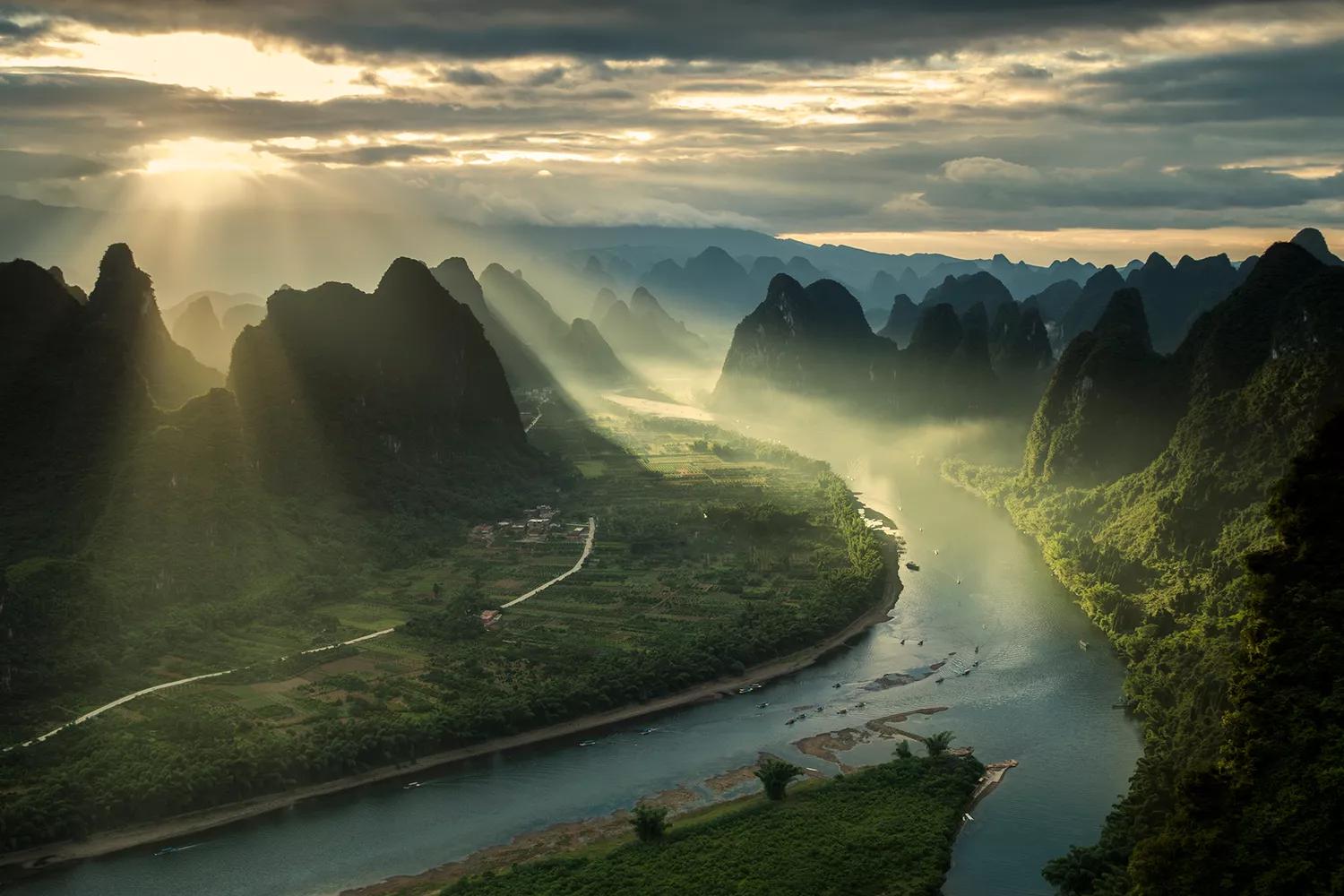
Inner Mongolia is China's great north — a province-sized sweep of grassland, desert and sky running 2,400 km along the Mongolian border, the homeland of the Mongol herders whose empire once spanned the world, and the place Chinese travelers go for the horizon: the grasslands' green seas, the yurt camps, the horses, the mutton and the stars. The region's scale is its first lesson (the distances are measured in the hundreds of kilometres, the days in the grassland sun), and its culture is the second — the herders' life, the Naadam games, the Genghis Khan inheritance that still shapes the land. This guide covers the essential regions, the seasons, the costs and the practical planning of the nomad's China.
The Regions, Explained: Where the Grasslands Are
Inner Mongolia's grasslands are not one landscape but a gradient, and the regions reward understanding. The Hulunbuir (the northeast's great grassland, around the city of the same name — the region's largest and greenest, the 'sea of grass' of the travelers' dreams, with the Erguna River's border country, the birch forests and the Russian-influenced villages) — the deep grassland, 2–3 days from Beijing by air to Hailar; the Xilingol (the central grasslands, 6–7 hours from Beijing — the classic herders' country, with the Xiwu Banner's rolling seas and the Naadam's summer games); the central options near Hohhot (the Xilamuren and the Gegentala grasslands, 2–3 hours from the capital — the accessible, developed day-trip and overnight versions, with the yurt camps and the horse rides); and the western edge (the Alxa and the Ordos — the grassland giving way to the desert, the Kubuqi and the Badain Jaran). The first-timer's choice: the Hulunbuir for the full grassland immersion, the Xilamuren for the easy first taste, and the desert for the contrast. Each delivers the same core — the sky, the grass, the horses and the hospitality — at different scales and distances.
The Grassland Experience: Yurts, Horses and the Herder's Day
The grassland day is the region's ritual, and the rhythm is simple and complete. The morning: the herders' camp stirring, the milk tea and the breakfast (the Mongolian dairy — the dried curds, the cheese, the butter), and the horse rides across the grass (the camp horses, led or free, 50–150 RMB per hour — the beginner's trot and the rider's gallop both available). The midday: the grassland lunch (the mutton — the boiled lamb, the hand-grabbed style, the milk tea and the yogurt), the yurt's shade, and the endless sky. The afternoon: the visits — the herder's family (the yurt's layout, the traditions, the crafts), the archery and the grassland games, and the long walks into the grass. The evening: the bonfire and the singing (the Mongolian songs, the dance, the toasting), the sunset over the horizon, and the night — the yurt's warmth, the stars' density (the grassland skies are among the darkest in China) and the wind's quiet. The yurt stay: the camps range from the simple herder yurts (100–200 RMB a night) to the resort yurts (300–800, with the bathrooms and the beds), and the experience — the horizon, the mutton, the stars — is the region's greatest value.
The Desert Contrast: Kubuqi and the Sand Seas
Inner Mongolia's western edge delivers the desert's drama — the contrast that completes the region. The Kubuqi Desert (the 'Golden Sand' — the seventh-largest desert in China, 2–3 hours west of Hohhot, the closest great dune sea to the capital) is the accessible version: the Xiangshawan (the 'Resounding Sand Gulf' — the resort complex with the camel rides, the sand surfing, the cable cars and the desert hotel, a full day from Hohhot); and the deeper Badain Jaran (the far-west desert of the world's highest sand dunes and the hundred lakes between them — the expedition country, 4–5 days from the region's west, for the serious desert travelers). The desert day: the camels (the classic ride, 100–150 RMB), the sandboarding and the buggies, the dune sunset, and the night — the desert camps' stargazing. The desert's lesson is the grassland's in reverse: the same sky, the opposite ground, and the nomad's world in its other form. The practical pairing: the grassland and the desert are the classic Inner Mongolia double bill — the Hohhot base (2–3 days) with the Xilamuren grassland overnight and the Kubuqi desert day.
The Culture: Genghis Khan, Naadam and the Nomad's Way
Inner Mongolia's culture is the Mongol inheritance, and the region's sights and festivals are its living form. The Genghis Khan Mausoleum (the great shrine at the Ordos, 300 km southwest of Hohhot — the ceremonial resting place, with the yurt-roofed halls, the relics and the daily ceremonies; the actual grave is unknown, as the tradition demands, but the shrine is the pilgrimage centre of the Mongol world); the Naadam (the summer festival of the 'three manly games' — wrestling, horse racing and archery — held across the grasslands through July and August, the region's greatest celebration, with the Hohhot and the banner-level Naadams the accessible versions); the Mongol cultural sites (the Inner Mongolia Museum in Hohhot — the region's history, from the Xiongnu to the empire to the modern era — the Hohhot's Dazhao Temple, the lamasery where the region's Buddhist tradition lives); and the living culture — the Mongolian language and script, the long songs and the throat singing, the dairy and the mutton, the horse culture that still defines the grassland's rhythm. The traveler's cultural access is the herders' welcome: the yurt visits, the festivals' crowds and the museum's halls all open the same door — the nomad's world, its empire's echo and its modern life.
Best Time to Visit: The Grassland's Seasons
The grassland's seasons are stark and the timing is the trip. The golden window: June–September — the grass green (the peak green in July–August), the Naadam festivals running, the days warm (20–30°C) and the nights cool (10–15°C, the yurt's blankets welcome); the July–August peak is the region's best and busiest (the Naadam, the summer camps, the higher prices — book ahead). May and September–October are the shoulders: the grass greening or gold, the crowds gone, the prices lower — the photography and the quiet rewards. The winter (November–April) is the grassland's white silence: the herds grazing the snow, the camps closed, the temperatures -20°C — the connoisseur's season for the hardy, with the region's winter festivals (the Hohhot ice and snow events) as the draw. The rule: the summer for the full grassland experience, the shoulders for the empty horizon, and the Chinese holidays (the National Day week) avoided — the grassland's camps fill and the roads jam.
Food and the Nomad's Table
Inner Mongolia's food is the nomad's larder — mutton, dairy and the grassland's gifts — and the table is the region's culture on a plate. The essentials: the mutton (the boiled hand-grabbed lamb, the roasted whole lamb of the celebrations, the lamb skewers, the 'shuan' hotpot of the region — the plain broth, the fresh lamb, the sesame sauce); the dairy (the milk tea — the salty, buttery staple of every meal — the dried curds, the milk skin, the yogurt); the noodles and the breads (the hand-pulled noodles, the 'shaomai' of Hohhot — the lamb-stuffed steam buns that the capital is famous for); and the drinks (the milk tea above all, the fermented mare's milk of the tradition, and the region's beer). The eating rules: the mutton is the centre (the vegetarians find the dairy and the noodles abundant), the meals are generous and communal, and the Hohhot food streets (the city's night markets) hold the region's best eating — the shaomai, the skewers and the milk tea in the capital's lanes.
Costs and Practicalities: The Honest Numbers
Inner Mongolia is a value destination with the distances as the real cost. The numbers: the Hohhot hotels 200–500 RMB (the mid-range), the grassland yurts 100–800 (the herder camps to the resorts), the food 60–120 RMB a day, the horse rides 50–150 per hour, the desert complex 150–300 RMB (the Xiangshawan's entry and activities), the Genghis Khan Mausoleum 120 RMB, and the transport — the flights to Hohhot and Hailar (the region's two gateways, with the domestic routes from every hub), the high-speed rail to Hohhot (2–3 hours from Beijing — the new line), and the long road legs (the Hohhot–Hulunbuir 1,600 km — fly, don't drive; the grassland legs 100–300 km with the drivers or the tours). The practicals: the region's scale demands the itinerary's respect (the 'three days, three grasslands' is the classic mistake — one grassland, done properly, beats the sprint); the sun and the wind are the grassland's constants (the hat, the sunscreen, the lip balm); the camps' facilities are basic at the herder level (the wet wipes, the torch, the warm layer for the night); and the summer's bookings (the Naadam, the camps) need the weeks' lead.
A Perfect 4-Day Inner Mongolia Plan
| Day | Plan | Base |
|---|---|---|
| 1 | Arrive Hohhot; Inner Mongolia Museum; Dazhao Temple; the food streets | Hohhot |
| 2 | Xilamuren or Gegentala grassland: horses, yurt lunch, herder visits; overnight in the yurt | Grassland |
| 3 | Grassland sunrise; return to Hohhot; the Kubuqi desert afternoon (Xiangshawan) | Hohhot |
| 4 | Genghis Khan Mausoleum day trip (or the desert's full day); departure | Hohhot |
The four-day plan delivers the region's three worlds — the city's culture, the grassland's horizon and the desert's sand — with the Hohhot base as the hinge. The five-to-seven-day version flies north for the Hulunbuir's full immersion (the grassland, the Erguna border country, the birch forests — China's greenest corner); the two-day version covers the grassland and the desert from Hohhot; and the family version adds the desert resort's sand activities and the horse rides' gentle paces. Every version ends with the same north-country gift: the sky's scale, the grass's green and the horizon's calm.
The Final Word: The Horizon's Country
Inner Mongolia is the antidote to the crowded China — the country's great open, where the sky is the ceiling, the grass is the floor and the horizon is the point. Between the Hulunbuir's green seas, the yurt camps' fires, the Kubuqi's dunes and the Genghis Khan shrine, the region delivers the nomad's perspective that the cities cannot: the scale, the slowness and the sky. The planning is the respect for the distances; the reward is the grassland's calm — the horse's pace, the mutton's warmth, the stars' density — and the memory of a horizon that goes on forever. Come in the summer, stay in the yurt, and let the grassland reset the compass. Our Hohhot, Hulunbuir and the region's guides carry the full depth of the north.
The Nomad's Year: Festivals and the Grassland Calendar
Inner Mongolia's calendar is the nomad's year, and the festivals are its landmarks. The Naadam — the summer games of the 'three manly sports' (wrestling, horse racing and archery) — is the region's great celebration, held through July and August across the banners; the Hohhot and the major banners' Naadams are the accessible versions (the opening ceremonies, the wrestlers' dances, the horse races across the grassland — a full day of the region's soul). The other festivals: the Mongolian New Year (the winter's Tsagaan Sar, with the family visits, the dairy and the mutton); the horse festivals of the spring (the herds' gatherings, the races, the herders' skill shows); the Nadam's lesser siblings — the camel festivals of the west (the desert caravans' games) and the harvest festivals of the agricultural east. The traveler's access: the summer Naadam is the region's cultural peak (plan the dates, book the Hohhot hotels early), and the quieter festivals — the spring and the autumn's events — reward the flexible itinerary with the grass almost to yourself.
Inner Mongolia with Families and the Slow Traveler
The north country works for every traveler, and the styles are well served. The families: the horse rides (the led ponies for the children), the yurt stays (the adventure of the round house), the desert's sand sports (the Xiangshawan's gentle slopes), the grassland's wide-open safety and the dairy's snacks — the region is the country's easiest wild adventure for the young. The slow traveler: the grassland's whole premise is the slow pace — the horizon, the herders' hours, the sky's changes — and the yurt camp's second day (the walks, the tea, the nothing) is the region's real gift; the photographers find the same reward in the light (the grassland's dawn and dusk, the desert's dunes, the stars' density). The practical family notes: the summer's sun is real (the hats, the sunscreen), the camps' facilities are basic at the herder level (the wet wipes, the torch), and the distances demand the itinerary's respect — one grassland, done slowly, beats the sprint through three.
Inner Mongolia FAQ: The Everyday Answers
Can I visit the grassland independently? Yes — the Hohhot-based grasslands (Xilamuren, Gegentala) run daily buses and shared vans; the deep grassland (Hulunbuir) benefits from the car-and-driver or the tour. Do I need to book the yurts ahead? In the summer season, yes — the popular camps fill (book 1–2 weeks ahead; the Naadam weeks months). Is the region safe? Yes — the grassland and the desert are safe and well-touristed, with the usual sun-and-distance precautions. What about the language? The cities and the camps manage the basics; the translation apps cover the rest; the Mongolian hospitality — the tea, the gestures, the welcome — needs no words. And the one rule: the region's weather turns fast (the summer storms, the cold nights) — the warm layer and the rain shell are the constant companions, and the summer's sunshine is the only certainty.
The Region's Gateways: Hohhot and Hailar
Inner Mongolia's two gateways anchor the region's travel, and each is worth a day of its own. Hohhot (the capital, 2–3 hours by the new high-speed rail from Beijing) is the accessible base: the Inner Mongolia Museum (the region's history — the Xiongnu and the Mongol empires, the grassland life and the modern era — the essential first stop), the Dazhao Temple (the great lamasery, with its silver Buddhas and its history), the Wuta (Five Pagoda) Temple, the old city's lanes and the food streets (the shaomai, the milk tea, the skewers). Hailar (the Hulunbuir's capital, 2 hours by air from Beijing and Hohhot) is the deep-grassland gateway: the city's Russian-influenced streets, the grassland's day-trip base and the Erguna border country's starting point. The gateways' rule: a day in each — the museums and the streets — before the grassland's long drive, and the region's culture will have its context when the horizon opens.
The Horse Culture: Riding the Grassland
The horse is the grassland's soul — the Mongol identity that the region still lives — and the riding is the traveler's closest contact with it. The camps' horses are the working animals of the herders: the led rides (50–100 RMB per hour — the beginner's trot, the guide holding the line), the free rides for the experienced (100–150 per hour, the herder's pace across the grass), and the longer day-rides (the half-day loops to the far pastures, 300–500 RMB with the lunch). The riding etiquette: the horses are the family's stock — follow the herder's instructions, do not kick hard, and let the horse find the path; the Mongolian riding style is the long-stirrup, the relaxed seat and the one-handed rein — the style the steppe empires rode to the world's edge. The riding is the grassland's ritual: the horse's pace is the nomad's pace, the horizon moves at the gallop's rhythm, and the bond with the animals — the herders' pride in their stock, the horses' calm with the strangers — is the culture's living core. Ride at the camps, watch the Naadam's races, and the grassland's horse culture will have its travelers' initiation.
Frequently Asked Questions
When is the best time to visit Inner Mongolia?
June–September is the golden window — the grass green (peak in July–August), the Naadam festivals running and the days warm. May and September–October are the quiet shoulders; winter is the white silence for the hardy. The National Day week is the crowd peak.
How do I get to the grasslands?
Fly to Hohhot (2–3 hours by the new high-speed rail from Beijing, or direct flights from every hub) for the central grasslands (Xilamuren, 2–3 hours away); fly to Hailar for the Hulunbuir's deep grassland (2–3 days from Beijing by air). The desert (Kubuqi) is 2–3 hours west of Hohhot.
How much does a grassland trip cost?
Budget: 300–500 RMB a day (hostels, buses, simple yurts); mid-range: 600–1,200 (hotels, the resort yurts, private drivers); the flights and the long road legs are the real costs. A 4-day Hohhot-based plan runs 2,000–4,000 RMB per person.
Can I ride horses and stay in a yurt?
Yes — the grassland camps offer horse rides (50–150 RMB per hour, led or free) and yurt stays (100–800 RMB a night, from the simple herder camps to the resort yurts). The yurt overnight with the bonfire and the stars is the region's essential experience.
Is Inner Mongolia safe and easy to travel?
Yes — the region is safe and tourism-ready, with the Hohhot base as the practical hub. The challenges are the distances (plan one grassland, not three) and the sun and wind (pack accordingly). The Mongolian hospitality — the tea, the mutton, the welcome — is the region's warmest asset.
Plan this trip with our China team
Tickets, hotels, trains and local arrangements — free booking help, reply within hours.