Hangzhou Travel Guide: The West Lake, Tea Villages and a Perfect 3-Day Plan
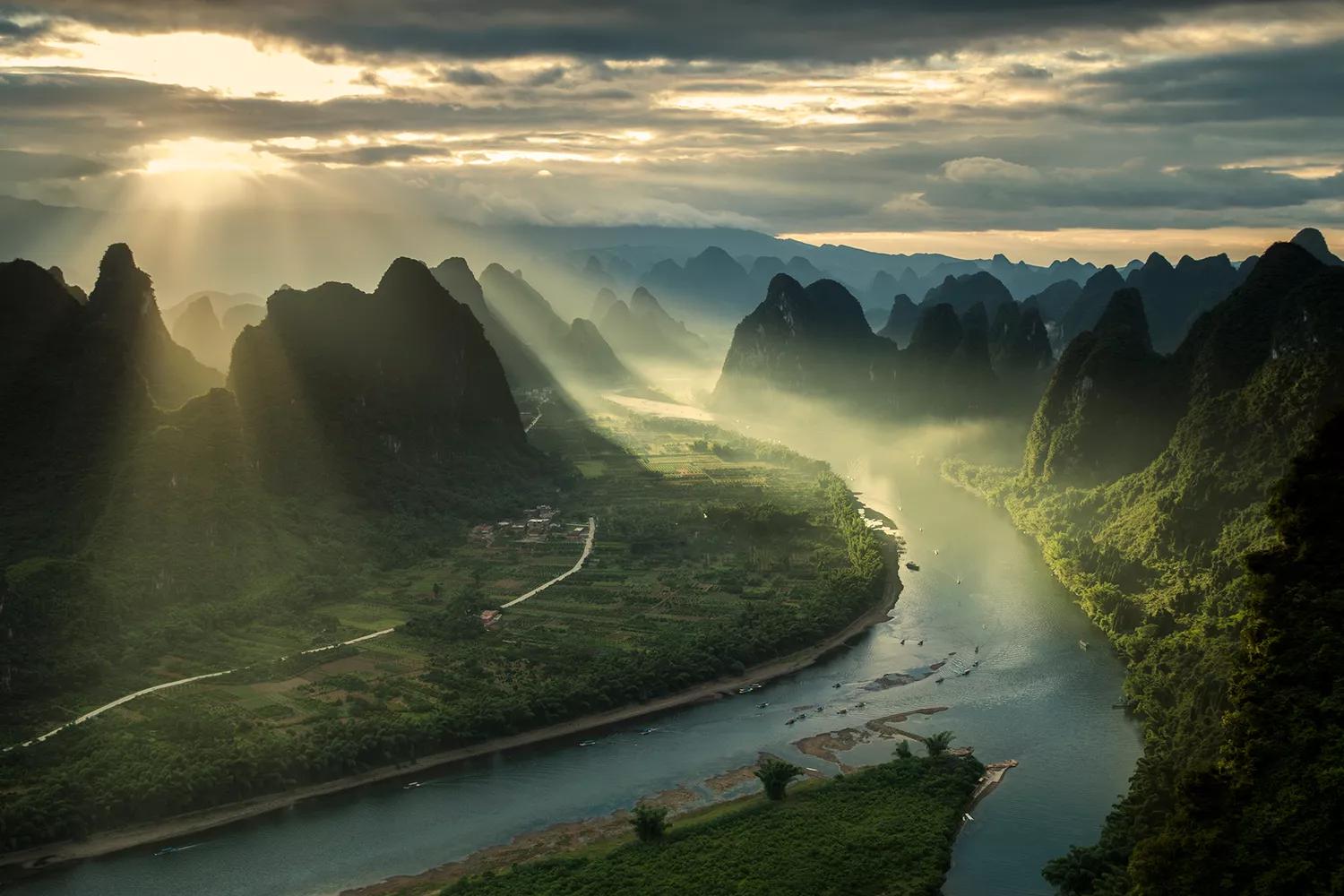
Hangzhou is the city Chinese poetry has praised for a thousand years — 'above there is heaven, below there are Hangzhou and Suzhou' goes the proverb — and the praise is not nostalgia: the West Lake, the tea hills, the temples and the slow city rhythm still deliver one of China's most beautiful urban experiences. The city is also the perfect introduction to the Jiangnan (the Yangtze Delta's water country): the lake and the gardens, the canals and the tea, the refined cuisine and the unhurried pace that defines the region's charm. This guide builds the ideal visit — the West Lake's classic circuit, the tea villages, the temples, and the three-day rhythm that fits the city's best — with the practical detail that makes Hangzhou effortless.
The West Lake: The Circuit, Decoded
The West Lake is Hangzhou's heart, and its beauty is deliberate: the lake was shaped over a millennium by poets, painters and officials — the causeways built by the poet-governor Su Dongpo, the islands and pavilions placed for the views, the 'Ten Scenes' named by the emperors and their painters. The classic circuit covers the essentials: the Su Causeway's willow-lined walk (the lake's most famous view), the Broken Bridge (the legend of the White Snake), the Three Pools Mirroring the Moon (the lake's little island with its stone pagodas), the Leifeng Pagoda (the sunset view over the lake), and the lakeside promenades that wrap the whole shore. The best way: walk the Su Causeway at sunrise (the locals' tai chi and the mist), take the boat to the islands mid-morning (the lake's scale from the water), and finish at the Leifeng Pagoda or the Baochu Pagoda hill for the sunset. The lake is free to walk; the boat rides and the pagodas carry modest tickets (the Leifeng Pagoda 40 RMB, the boat trips 55–90 RMB).
The lake's four seasons each have their signature: spring's peach and willow blossom, summer's lotus (the Quyuan Garden's lotus ponds), autumn's osmanthus fragrance (the city's scent in October), and winter's broken-bridge snow. Come for the season you love, and the lake will oblige — and the city's micro-seasons (the plum blossom of February, the tea-picking of late March) add their own calendar.
The Tea Country: Longjing Village and the Dragon Well Hills
Hangzhou is China's green-tea capital, and the Longjing (Dragon Well) villages on the lake's west are the source of the country's most famous tea. The experience is a half-day of hills, terraces and tea houses: the Longjing village's tea terraces climb the valley, the farmers roast the spring leaves in their courtyards (the flat, chestnut-sweet Dragon Well is hand-roasted in woks — the roasting is the show), and the tea houses along the terraces pour pot after pot of the day's pickings. The ritual: arrive by bus or taxi (20–30 minutes from the lake), walk the terraces, visit a family tea house, and buy the spring tea at source (the honest prices run 100–300 RMB for 50 grams of the real thing; the famous 'First Batch' Longjing sells for many times that at auction). The timing: late March–April is the picking season (the hills are busy, the tea is freshest), the rest of the year is quieter and the tea is still good. The China National Tea Museum, on the lake's west, adds the full history with free entry.
The Temples: Lingyin and the Sacred Hill
Lingyin Temple — the 'Temple of the Soul's Retreat' — is one of China's great Buddhist temples and the region's spiritual heart. The complex delivers on every level: the Feilai Feng grottoes (the 300+ rock carvings in the cliffs, the earliest from the 10th century — the 'laughing Buddha' is the most photographed), the temple halls climbing the hill (the Grand Hall's 24-metre camphor-wood Buddha, the halls' incense and gold), and the monks' rhythm through the courtyards. The practicals: the combined entry is 75 RMB (the Feilai Feng grottoes 45 RMB + the temple 30 RMB), the crowds are heaviest mid-morning (arrive at the opening at 07:30), and the temple is a half-day experience — add the adjacent Yongfu Temple's teahouse terrace and the north peak's cable car (45 RMB) for the city panorama. The other temple of note: the Jingci Temple on the lake's south shore, quieter, with the sunset bell that names one of the Ten Scenes.
Beyond the Lake: The Grand Canal and the City's Other Faces
Hangzhou is more than its lake. The Grand Canal — the world's longest ancient waterway, stretching 1,700 km from Beijing to Hangzhou — ends at the city's north, and the canal quarter (Gongchen Bridge, the canal museums, the old warehouse streets turned cafés and galleries) is a lovely half-day of waterway history. The Xixi Wetland (the 'Venice of Hangzhou' — the 10 sq km of waterways, reed marshes and village islands, best by boat, 80 RMB) is the city's green counterpoint. The Hefang Street and the old city lanes hold the food and the crafts; the Southern Song Imperial Street traces the dynasty that made Hangzhou China's capital (1127–1279); and the Qiantang River's tidal bore (the world's largest, best at the autumn equinox) is the dramatic natural show at the city's edge. Give the city three days and you will see the lake, the tea, the temples and the water country — the full Jiangnan.
A Perfect 3-Day Hangzhou Itinerary
| Day | Plan | Notes |
|---|---|---|
| 1 | West Lake morning circuit (Su Causeway, boats, islands); Leifeng Pagoda sunset | The classic lake day |
| 2 | Lingyin Temple and Feilai Feng (opening time); tea village afternoon (Longjing) | Temples + tea hills |
| 3 | Grand Canal quarter; Xixi Wetland boat; Hefang Street evening | Water country + old city |
The three-day plan covers the city's essentials with a natural rhythm — the lake's calm, the hills' green, the water country's depth. Add a fourth day for the surrounding region: the water towns of Wuzhen and Xitang (1–1.5 hours away), the Anji bamboo forest, the Qiandao Lake, or the Qiantang tide in season. Hangzhou is also the perfect complement to Shanghai — 45 minutes by high-speed rail — and the classic East China itinerary pairs the two.
When to Go: Hangzhou's Seasons
Hangzhou is beautiful year-round with three clear windows. Spring (March–May): the peach and willow blossom, the tea-picking, the mildest weather — the classic season, and the busiest. Autumn (September–November): the osmanthus fragrance, the clear lake light, the comfortable temperatures — many locals' favorite. Summer (June–August): hot and humid, but the lotus is out and the morning lake is the city's air conditioning. Winter (December–February): cold, misty and empty — the broken-bridge snow and the plum blossom (February) are the rewards. The festival calendar adds color: the spring tea festivals, the Mid-Autumn lake lanterns and the Qiantang tide (the equinoxes). The crowds peak on the Chinese holidays (May Day, National Day) — avoid them if you can, and book the tea-village and lakeside hotels well ahead in the seasons.
Hangzhou Food: The Jiangnan Table
Hangzhou's cuisine — the Zhejiang tradition's crown — is the refined, fresh, wine-and-vinegar cooking of the water country. The essential dishes: West Lake vinegar fish (the sweet-sour freshwater fish, the city's signature), Dongpo pork (the red-braised belly named for the poet-governor — melt-in-the-mouth, one portion per table), Longjing shrimp (the river shrimp stir-fried with the tea leaves), Beggar's Chicken (the whole chicken baked in lotus leaves and clay), the bamboo-shoot dishes of spring, the river fish of the seasons, and the tea-scented everything. The city's food streets: the Hefang Street snack lanes, the lakeside restaurants' window tables, and the small houses of the old city where the locals eat. The tea culture is the meal's frame — the Longjing before, the oolong after, and the city's teahouses (the lakeside houses and the tea-village terraces) as the dessert.
Hangzhou Practicalities: Transport, Hotels and the Details
Hangzhou is 45 minutes from Shanghai by high-speed rail (73 RMB second class) — the classic day-trip and the natural pair for any East China itinerary. The city's own transport is the metro (six lines covering the lake, the station and the airport), the buses, the bikes and the boats — the lake loop is walkable, the tea villages need the bus or taxi, and the Didi app handles the rest. The airports: Hangzhou Xiaoshan (40 minutes from the lake) and the Shanghai hubs for the international flights. The hotels: the lakeside is the classic base (the mid-range 400–800 RMB, the famous lakefront properties far more), the old city and the canal quarter the characterful alternatives, and the tea-village guesthouses the countryside escape. The other details: the lake is free and open all hours, the city is safe and walkable, the translation apps cover the menus, and the one essential booking is the Lingyin Temple's early slot in season.
The Final Word: The City the Poets Were Right About
Hangzhou is the rare city that lives up to a thousand years of praise. The West Lake's deliberate beauty, the tea hills' green, the temples' incense and the water country's calm add up to the Chinese ideal of the good life — and the city delivers it without ceremony, on foot, for the price of a pot of tea. Between the causeway sunrises, the roasting courtyards of Longjing and the canal evenings, Hangzhou is the destination that makes the case for slowing down — and the reason every East China itinerary should leave a few days for the lake. Our Hangzhou guides and the tea-village day-tour pages carry the full depth of the city.
The Legend of the White Snake: The Story Behind the Broken Bridge
The West Lake's most famous landmark is named for a love story, and knowing it turns the walk into a pilgrimage. The Legend of the White Snake — one of China's four great folk tales — tells of Bai Suzhen, a white snake spirit who took human form and fell in love with a young scholar, Xu Xian, on the Broken Bridge. Their happiness is opposed by the monk Fahai, who sees the snake's true nature; the story's climax comes at the lake when Fahai traps Bai Suzhen under the Leifeng Pagoda, where she remains until her son — grown to scholar's rank — releases her. The tale is everywhere in Hangzhou: the Broken Bridge (where the lovers met), the Leifeng Pagoda (the prison), the Jinshan Temple across the water (the confrontation), and the opera and films that have retold it for centuries. Walk the bridge at sunset and the story is in the water: the lake's romance, the city's soul, and the reason the West Lake's beauty has always been a story as much as a view.
Hangzhou Tea Culture: Beyond Longjing
Longjing is the star, but Hangzhou's tea world is deep. The city sits at the heart of China's green-tea country, and the connoisseur's map extends from the lake: the West Lake's own Longjing villages (the five 'core' villages — Longjing, Wengjiashan, Yangmeiling, Manjuelong and the surrounding terraces — where the best Dragon Well is grown); the Jiuxi (Nine Creeks) valley's tea trails (the 18 bends of the stream through the terraces — the most beautiful tea walk in China); and the surrounding mountains' other greens (the Anji white tea of the north, the Qingshan lake teas). The tea knowledge worth bringing: Longjing's four characters (flat, smooth, tender, even), the spring picking's three grades (the pre-Qingming 'Mingqian' is the finest), the roasting's craft (the wok-frying that gives the flat leaf), and the brewing (the glass cup, the 80°C water, the first pour's aroma). Buy at the village farms, taste before you buy, and let the hills teach the rest — the tea culture of Hangzhou is a masterclass in the leaf that runs China.
Hangzhou with Kids and the Slow Traveler
Hangzhou is one of China's best family cities, and its pleasures suit every age. The lake is the family playground: the boat rides, the duck-feeding, the causeway walks, the park playgrounds and the sunset pagoda visits fill a day without a single queue. The tea hills are the older kids' hike (the terraces, the roasting courtyards, the teahouse pancakes); the Xixi Wetland's boats are the nature lesson (the reeds, the egrets, the village islands); the China National Tea Museum and the Canal Museum add the rainy-day education; and the city's parks, plazas and lakeside promenades are safe, stroller-friendly and endlessly walkable. The slow traveler finds Hangzhou's second gift: the teahouses, the lakeside benches, the canal cafés and the unhurried rhythm that make the city the model of the Chinese good life. Stay three days and both will feel like a week.
Hangzhou FAQ: The Everyday Questions
Is Hangzhou expensive? Mid-range — comparable to Shanghai's second tier: hotels 400–800 RMB for the good lakeside options, meals 60–150 RMB per person at the good restaurants, the tea and the sights modest. Can I do Hangzhou as a day trip from Shanghai? Yes — 45 minutes by rail — but the day version sees only the lake's highlights; the city rewards an overnight or two. Is the tea worth buying at the village? Yes, at the farm houses with tasting — 100–300 RMB for 50 grams of good Longjing; the tourist-shop boxes are the ones to avoid. What about the summer heat? It is real (the lake is the relief), and the mornings and evenings are the comfortable windows. And the one booking rule: the lakeside hotels and the tea-village stays need 2–4 weeks' lead in the spring and autumn seasons.
The Water Towns: Hangzhou's Perfect Day Trips
The Yangtze Delta's water towns — the canal-crossed, bridge-arched, white-walled villages that define Jiangnan — are Hangzhou's natural day trips. Wuzhen (90 minutes north, the most famous) is the perfect museum-piece water town: the East Gate's canals and stone bridges, the old dye-houses and the night lights, with the West Gate's modern extension the polished complement; Xitang (2 hours, the 'living' water town, with its roofed corridors along the canals — the region's most atmospheric lanes, quietest after the day-trippers leave); and the nearer villages (the Anchang and the smaller unnamed canal settlements) for the unpolished version. The practicals: the buses and the organized day tours from Hangzhou cover all three; the water towns' magic is the evening (the lanterns, the empty bridges), so the overnight or the late train home is worth the plan; and the photography — the reflections in the still canals, the bridges from the boats, the laundry in the alleys — is the region's richest vein. The water towns are the Hangzhou experience's perfect extension: the lake's beauty, carried into the countryside.
Hangzhou Hotels: Where to Wake Up in the Water Country
Where you sleep in Hangzhou shapes the experience, and the options cover every style. The lakeside (the north shore, the Su Causeway area and the old city side) is the classic base: the lake at your door, the dawn walks and the sunset promenades, the mid-range business hotels 400–800 RMB and the famous lakefront properties (the state-guesthouse era hotels and the modern design houses) far more — book the lake-view rooms early. The tea-country stays (the Longjing villages and the hills above the lake) are the countryside escape: the village guesthouses, the terrace breakfasts, the tea-house evenings — a different Hangzhou, 20 minutes from the lake, worth one night of any trip. The old city and the canal quarter hold the characterful options (the courtyard hotels, the converted warehouses), and the West Lake's south shore the quieter lakeside. The booking rules: the lake-view and tea-village rooms need 2–4 weeks' lead in the seasons, and the Christmas and Chinese New Year weeks are the annual peaks.
Frequently Asked Questions
How many days do you need in Hangzhou?
Three days is the ideal first visit (West Lake, tea villages, temples and the water country); two days covers the essentials (the lake and Lingyin); a day trip from Shanghai is feasible but rushed. The city rewards the extra night.
When is the best time to visit Hangzhou?
Spring (March–May) for the blossom and the tea-picking, and autumn (September–November) for the osmanthus fragrance and the clear lake light are the golden windows. Summer is hot but lotus-filled; winter is cold, misty and crowd-free.
How do I get from Shanghai to Hangzhou?
High-speed rail: 45 minutes from Shanghai Hongqiao to Hangzhou East, 73 RMB second class, with trains every few minutes. It is the classic day-trip pairing and the natural addition to any East China itinerary.
Is the West Lake free to visit?
Yes — the lake and its shore promenades are free and open all hours. The paid extras: the Leifeng Pagoda (40 RMB), the boat trips (55–90 RMB) and the island visits. The Lingyin Temple and the Feilai Feng grottoes are 75 RMB combined.
What is Hangzhou famous for?
The West Lake (China's most celebrated urban landscape), Longjing (Dragon Well) green tea from the city's hills, Lingyin Temple and its grottoes, the Grand Canal's southern terminus, and the refined Zhejiang cuisine — West Lake vinegar fish and Dongpo pork above all.
Plan this trip with our China team
Tickets, hotels, trains and local arrangements — free booking help, reply within hours.