China on a Budget: How to Travel China Cheaply Without Missing the Icons
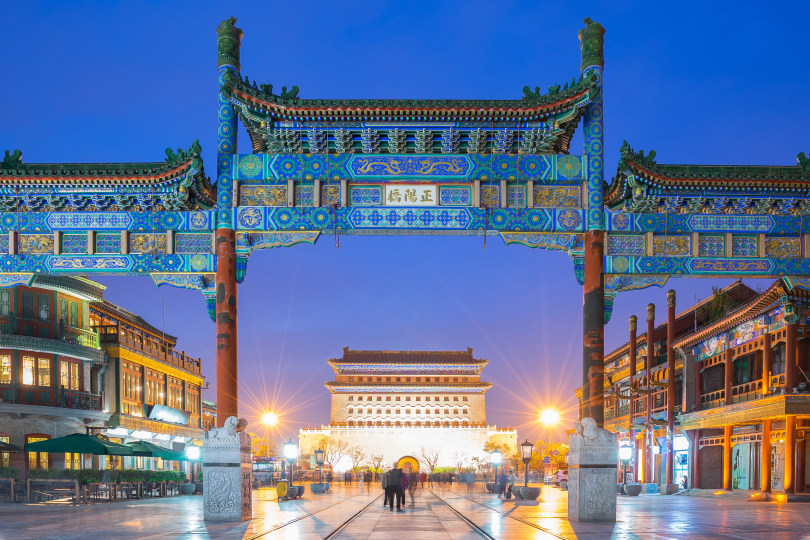
China has a reputation — mostly among people who have never been — as an expensive, faraway destination. The reality is the opposite: China is one of the world's best-value travel destinations, and a traveler on a genuine budget can see the Great Wall, the Terracotta Army, the karst peaks and the Shanghai skyline for US$40–60 a day. The secret is that China's everyday economy — noodles, trains, hostels, street food — is astonishingly cheap, and the famous sights themselves cost less than a museum ticket in most Western capitals. This guide shows you exactly how to do it: real daily costs, where the money actually goes, and the budget routes that skip nothing important.
The Honest Daily Budget: What China Actually Costs
Here is what a budget traveler actually spends per day in China, based on real 2026 prices. The numbers assume one traveler, moving between cities, eating street food and local restaurants, and using public transport.
| Item | Budget (per day) | Notes |
|---|---|---|
| Sleep | 60–120 RMB (US$8–17) | Hostel dorm or budget hotel room; more in Beijing/Shanghai |
| Eat | 50–100 RMB (US$7–14) | Street breakfasts + noodle lunches + simple dinners |
| Transport | 30–80 RMB (US$4–11) | Metro, buses, occasional high-speed rail leg |
| Sights | 30–60 RMB (US$4–8) | The big tickets amortized over days of free sights |
| Misc | 20–40 RMB (US$3–6) | Water, snacks, laundry, small extras |
| Total | 190–400 RMB (US$27–56) | Realistic for a comfortable budget trip |
A comfortable mid-range traveler (private rooms, restaurant meals, taxis, tours) runs 700–1,200 RMB/day. The budget numbers are not suffering numbers — they buy real beds, real meals and every iconic sight. China's cost structure simply rewards the basics: noodles cost the same in Beijing as in a village, and the metro is cheaper than any taxi.
The Three Biggest Budget Wins
If you remember only three money strategies, these are the ones. First: eat like a local. Chinese street food and noodle shops are not just cheap — they are the food locals actually eat, and a jianbing breakfast (6–10 RMB), a noodle lunch (15–30 RMB) and a dumpling dinner (20–40 RMB) total less than a single Western hotel breakfast. The quality is not a compromise; it is the destination.
Second: use the metro and the high-speed rail's second class. The metro costs 3–9 RMB per ride and covers every major sight; a second-class high-speed ticket Beijing–Xi'an costs 515 RMB (US$72) — about a quarter of a comparable Western rail fare, and half the price of a flight once you factor airport transfers. Second class is perfectly comfortable; the premium classes are luxury, not necessity.
Third: make the free sights your spine. China's best experiences are often free: the Bund promenade at night, the hutongs and temples of every city, the parks (tai chi at 06:00), the lakes and riversides, the night markets (eating included), the great museums (Beijing's National Museum, the Shanghai Museum, the Shaanxi History Museum are free with advance booking), and simply walking the old streets. Budget the paid tickets — Forbidden City 60 RMB, Terracotta Army 120 RMB, Great Wall 45 RMB — and let the free layer carry the rest of the trip.
Budget Transport: Trains, Buses and the Cheap Ways Between Cities
China's transport is a budget traveler's gift. The metro systems of the big cities are world-class and cheap. Within cities, the buses (1–2 RMB) and shared bikes (1.5 RMB per 30 minutes) cover the rest. Between cities, the hierarchy: high-speed rail second class is the comfort option (and often the cheapest once you compare door-to-door); conventional trains (K/T/Z) are the real budget game — a hard-sleeper overnight berth on the classic routes runs 200–350 RMB, saving both a hotel night and a day; and long-distance buses fill the gaps the rails miss, especially in the west (Yunnan, Gansu, Xinjiang).
The overnight sleeper is the budget traveler's secret weapon: Beijing–Shanghai, Xi'an–Chengdu, Guilin–Guangzhou, Urumqi–Lhasa — you sleep in a bunk, wake in a new city, and save a night's accommodation. Book soft sleepers (ruanwo, four bunks, door) for comfort; hard sleepers (yingwo, six open bunks) for the classic budget experience. Always book through 12306 or Trip.com — station scalpers overcharge and the official system is easy.
Flights are the trap: they look cheap (Beijing–Chengdu from 500 RMB) until you add airport transfers (2–4 hours each way) and the metro/express costs. For journeys under 4 hours by rail, the train wins on total cost and comfort; over 4 hours, compare honestly — the early-morning flights are usually the budget pick.
Cheap Sleep: Hostels, Budget Hotels and the Good Surprises
China's accommodation market is deep and cheap. Hostels (qingnian lüshe) in the big cities run 40–90 RMB a dorm bed, often in excellent locations — Beijing's Gulou and Nanluoguxiang hostels, Shanghai's French Concession dorms, Xi'an's courtyard hostels near the wall. Budget hotels (the local chains: Hanting, Home Inn, 7 Days Inn, Pod Inn, and the English-friendly Ibis and Holiday Inn Express) run 150–300 RMB for a private room with en-suite bathroom — the budget traveler's upgrade, worth it after hostel nights.
The good surprises: Chinese budget hotels are generally clean, safe and centrally located; the check-in process needs your passport (hotels are legally required to register foreign guests); and the 'capsule' and 'pod' hotels in the big cities (40–80 RMB a capsule, with shared showers and lounges) are the cheapest private-ish option for solo travelers. A practical tip: book budget hotels on Trip.com or the local apps for the best rates, check the windowless-room trap (some cheap rooms have no window — read reviews), and always confirm the hotel accepts foreign guests before booking (almost all do).
Free and Almost-Free Sights: The Budget Sightseeing List
- Beijing: National Museum (free, book ahead), Temple of Heaven park (2–6 RMB), Jingshan Park (2 RMB, the Forbidden City panorama), hutongs and the Drum Tower area, Olympic Park, 798 Art District, Qianmen
- Xi'an: city wall moat walk (free), Muslim Quarter streets, Big Wild Goose Pagoda plaza and fountain, Shaanxi History Museum (free, book ahead), the old city lanes
- Shanghai: the Bund promenade (free, the best show in China), Fuxing Park, the French Concession streets, the Huangpu ferry (2 RMB — the cheapest skyline cruise on Earth), the old city lanes
- Chengdu: People's Park teahouse ambience (the tea costs 15–30 RMB, the watching is free), Wenshu Monastery, Jinli streets, the riverside promenades
- Everywhere: parks at dawn (tai chi, dancing, opera — free entertainment), temples with free outer courtyards, night markets (free to walk, cheap to eat), lakes and riversides, old towns and lanes
The pattern is simple: China's great monuments charge (modestly), and China's daily life is free. Budget your trip around the paid icons and let the free layer — the parks, streets, markets and riversides — carry the rest.
Eating Cheaply and Well: The Budget Food Strategy
The golden rule of budget eating in China: eat where the locals queue, not where the menu is in English. A jianbing or baozi breakfast from a street stall (5–10 RMB), a bowl of noodles or a rice-and-stir-fry lunch from a hole-in-the-wall (15–30 RMB), and a dumpling house or hotpot-chain dinner (30–60 RMB per person) keep the food budget under 100 RMB a day while eating better than any Western Chinatown.
The regional specialties are also the bargains: Xi'an's roujiamo (8–12 RMB) and paomo (25–40 RMB), Guilin's rice noodles (5–10 RMB), Chengdu's dan dan noodles (10–15 RMB) and chuanchuan skewers (1–2 RMB each), Beijing's jianbing, Shanghai's shengjianbao (1.5–2.5 RMB each), and everywhere the fruit markets — a kilo of peaches, lychees or watermelon for a few yuan. The budget food rule has a bonus: the cheaper the food, the more local it is, and the more of China's real food culture you get.
A Realistic 14-Day Budget Itinerary (Costed)
Here is a two-week route with the budget numbers attached, assuming one traveler, hostels or budget hotels, street food, metro and one overnight sleeper.
| Day | Route | Budget (RMB) |
|---|---|---|
| 1–3 | Beijing (hostel 4 nights ~400) | 1,200 (sights: Forbidden City 60, Wall 45+transport) |
| 4 | Overnight sleeper Beijing → Xi'an (hard sleeper ~260) | 350 |
| 5–6 | Xi'an (hostel 2 nights ~160; Terracotta Army 120 + bus) | 700 |
| 7 | Overnight sleeper Xi'an → Chengdu (~300) | 380 |
| 8–9 | Chengdu (hostel 2 nights ~140; panda base 55) | 650 |
| 10 | Fly Chengdu → Guilin (book early, ~450) | 550 |
| 11–12 | Guilin & Yangshuo (hostel 2 nights ~130; cruise budget option) | 700 |
| 13 | HSR Guilin → Guangzhou (137 RMB) + overnight to Shanghai (sleeper ~330) | 550 |
| 14 | Shanghai (hostel 1 night ~90; free Bund and museums) | 250 |
Total: roughly 5,300–6,000 RMB (US$740–840) for 14 days, excluding international flights — that is under US$60 a day for a trip that includes every major icon, real beds and real food. Swap the sleeper trains for flights and the hostels for private rooms, and the same trip runs 9,000–12,000 RMB. The choice is yours, and both versions are excellent.
Money Tricks That Actually Save
- Link Alipay to your foreign card before arrival — it unlocks metro, bikes, Didi and the cheap food ecosystem; the 'tourist' workaround of cash-and-carry costs time and ATM fees
- Carry 500–800 RMB in cash — small stalls, villages and some markets are cash-only, and cash avoids the 1–3% card surcharge some small vendors add
- Book trains on 12306 (no service fee) or compare with Trip.com's fee; for sleepers, book 5–15 days ahead for the bottom bunks (the good ones go first)
- Travel mid-week: hotels drop 20–40% Friday-to-Sunday in every major city
- Eat at the chains for dinner: the hotpot and noodle chains (Haidilao lunch set, Malan Noodles, the dumpling chains) are cheap, clean and honest
- Free museum passes: the National Museum, Shanghai Museum, Shaanxi History Museum and most provincial museums are free with advance online booking — book 3–7 days ahead
- The 2 RMB Huangpu ferry, the metro over taxis, and shared bikes over both — the transport savings alone run 50–100 RMB a day
- Skip the 'must-buy' tourist shops: the tea, silk and jade at guided stops is marked up 3–10×; buy at fixed-price shops or markets where locals shop
China on a budget is not a compromise version of China — it is China as it actually lives: noodles, trains, parks and tea. The monuments are affordable, the food is the real thing, and the money you save buys the one thing every trip needs more of: time. Our city guides and the budget hotel directories have the full booking detail.
Budget Season by Season: When Cheap Meets Beautiful
China's prices follow its seasons, and the budget traveler's calendar has three tiers. The bargain windows: November–February (excluding the Spring Festival fortnight) — the classic low season, with hotel rates 30–50% off, empty sights and the winter beauty of the north (the Great Wall under snow, Harbin's ice festival); June–August — the hot-and-humid window that thins the crowds in the south and the cities, with the highlands (Yunnan, Qinghai, Tibet, Guilin's mountains) at their best prices; and the shoulder seasons (late February–April, November) — the sweet spot for both weather and value.
The price peaks to avoid on a budget: the National Day Golden Week (Oct 1–7, when hotels triple and trains sell out), the May Day holiday (late April–early May) and the Spring Festival fortnight (late January–February), when domestic tourism explodes and the budget inventory vanishes. The budget rule: travel in the shoulder or low season, book the high-speed legs early, and the same itinerary that costs 6,000 RMB in October costs 4,000 in November.
Budget Cities vs. Expensive Cities: Where Your Yuan Goes Further
China's cost map is not uniform, and choosing the right bases stretches a budget dramatically. The pricey tier: Beijing, Shanghai, Shenzhen and the first-tier cities — hotels run 30–50% above the national norm, and the famous sights cluster here. The value tier: Xi'an, Chengdu, Guilin, Chongqing, Changsha, Kunming, Zhengzhou and the second-tier capitals — same national chains at lower prices, street food cheaper, sights just as iconic (the Terracotta Army, the pandas, the karst). And the bargain tier: the west (Gansu, Qinghai, Xinjiang, Yunnan's smaller towns) and the mid-sized heritage cities (Pingyao, Datong, Luoyang, Kaifeng) — where a good hotel room runs 80–150 RMB and a full meal costs under 30.
The strategic implication: spend your paid nights in the second-tier cities and day-trip or sleeper-train through the first-tier ones. Beijing's free layer (National Museum, hutongs, parks) plus a budget hostel keeps the capital affordable; the nights you save there fund a private room in Xi'an or Chengdu, where your money buys twice as much.
Budget Gear and Logistics: What to Bring, What to Skip
The budget traveler's packing list is shorter than you think: a backpack (not a suitcase — the stairs of Chinese hostels and stations are relentless), walking shoes that survive 15,000 steps a day, a power bank (navigation drains phones), a universal adapter (China's sockets are Type A/C/I), an unlocked phone with an eSIM or local SIM (data plans are cheap — 30–60 RMB for 20–30 GB), a reusable water bottle (hotel kettles fill it free), hand sanitizer, and the essentials — passport copies, a travel insurance printout, and a translation app with offline Chinese packs.
Skip: adapters you can buy locally, toiletries (every chain store has them), and anything heavy. Buy: the eSIM or local SIM before arrival (airport counters are fast), a cheap prepaid metro card at the station (some cities discount it), and a small lock for hostel lockers. The one non-negotiable: travel insurance — it costs less than a single night in a Beijing hotel and covers the one event that would otherwise destroy the whole budget.
Working the Apps: The Budget Traveler's Toolbox
China runs on apps, and the budget traveler's phone is the wallet. Alipay (link your foreign card before arrival) unlocks the metro, the bikes, Didi, the noodle shops and the night markets — the entire low-cost economy. WeChat doubles as the communication and payment layer; Trip.com (or 12306) handles the trains and hotels; Amap or Baidu Maps in English mode navigates everything; and the food app Dianping shows the local queues, ratings and prices — the single best tool for eating cheap and well. Download them all before you land, set up Alipay's transport codes, and the city opens up.
The app trick worth learning: Alipay's mini-programmes now bundle tourist passes — some cities (Shanghai, Beijing, Hangzhou) offer combined sight-and-transport cards that save real money if your route matches; compare before buying. And the Didi app's English mode with international cards means no more taxi-meter negotiations — the meter is the app.
The Budget Mindset: What Cheap Travel in China Buys
The deepest secret of budget travel in China is that the cheap version is often the better version. The street-food breakfast is the one locals eat; the metro is how the city actually moves; the sleeper train is where you meet the country; the night-market dinner is the food culture's beating heart. Traveling on US$50 a day in China is not a hardship trip — it is an immersion trip, and the immersion is the point. The icons are affordable, the daily life is free, and the money you save is the freedom to stay longer, go deeper and come back sooner. That is the deal, and it is the best deal in travel.
China Budget Travel Q&A: The Questions Everyone Asks
Is China expensive to fly into? International fares vary, but the budget gateways — Shanghai, Beijing, Guangzhou, Shenzhen, Hong Kong — are competitive hubs with frequent sales; arriving in Hong Kong and crossing by high-speed rail can shave hundreds off the fare, and the rail leg (Hong Kong West Kowloon to Guangzhou, 47 minutes) is a pleasant start. Can I work while traveling? The tourist visa does not allow work, but the digital-nomad setup (cafés, coworking spaces and the fast wifi of the big cities) is excellent; stay within visa rules and you will find the infrastructure effortless. Is China safe for solo budget travelers? Exceptionally — the hostels are safe, the metro is safe, the street food is safe, and the hospitality culture is genuinely warm; the only hazards are the usual big-city ones (traffic, pickpockets in crowds, overpriced tourist stalls).
Do I need to speak Chinese? No — the translation apps and the hotel front desks cover the essentials, and the budget food world is largely pictorial (menus have photos, stalls have displays). Will I miss the luxury? The budget trip's luxuries are the ones money cannot buy — the sleeper train conversations, the teahouse afternoons, the hostel rooftop over the old city — and the splurge nights (one good hotpot, one private room) cost less than a single Western restaurant meal.
The Budget Itinerary Bank: Three More Routes
Beyond the classic Beijing–Xi'an–Chengdu–Guilin–Shanghai loop, three budget routes reward the traveler with more time. The southern heritage loop (7–10 days): Guangzhou (dim sum, free museums) → Guilin & Yangshuo (karst) → Guiyang and the Miao villages of Guizhou (some of China's cheapest, most photogenic countryside) → Kunming and Dali (Yunnan's lakes and old towns), linked by cheap high-speed rail and buses, with daily costs running 30–40% below the northern cities. The Buddhist west (10–14 days): Xi'an → Lanzhou (hand-pulled noodles) → Xiahe (the Labrang Monastery) → the Gannan grasslands → Xining and Qinghai Lake → (for the brave) the train to Lhasa — a route where the sleeper trains are the accommodation and the scenery is the entrance fee. And the northeast winter (5–7 days): Beijing → Shenyang → Harbin (the Ice and Snow World, 330 RMB, and the Russian-era streets) — cold, cheap and unforgettable.
Each route follows the same budget logic: sleeper trains between cities, street food and noodle shops, hostels or budget hotels, free museums and parks, and one or two paid icons per city. The west and the northeast are China's most affordable travel regions, and their lower costs buy the deeper immersion that the east's speed lacks.
The Final Word: Budget China Is the Real China
The cliché says you get what you pay for; China's travel market quietly disagrees. The street food is what locals eat, the metro is how the city moves, the sleeper train is where the country talks, and the free museums hold the national treasures. A budget trip to China does not skip the icons — it skips the wrappers: the taxis, the tour buses and the tourist restaurants that insulate the premium traveler from the country itself. Between the noodles, the trains and the teahouses, the US$50-a-day China is not the poor man's version of the trip; it is the trip, in its truest and most welcoming form. Come cheap, stay long, and the country will meet you more than halfway.
Working Travel: Stretching a Budget Further (Legally)
China's tourist visas do not permit paid work, and the honest traveler respects that line — but there are legal ways to stretch the budget further. Teaching English informally is off-limits on a tourist visa, but the volunteering and cultural-exchange programmes (hostel work-exchanges, the language-exchange apps, the university programmes) exist in the grey zone and should be treated with care — the safe rule is to fund the trip from savings, not from undeclared work. What the budget traveler can legally do: use the student and senior discounts where they apply (bring documentation), take the free museum bookings seriously (they are real and generous), use the overnight sleepers as accommodation, and — the honest hack — slow down. The weekly rate at most hostels and budget hotels drops 10–20%; a two-week city base instead of a three-city sprint cuts transport, packing costs and decision fatigue together.
The longer-game option: China's second-tier cities are quietly building digital-nomad infrastructure (the coworking spaces of Chengdu, Kunming and Xi'an, the café culture of Hangzhou), and the regional visa policies (the growing list of visa-free nationalities, the longer-stay options in select cities) reward slow, legal travel. For most travelers, though, the answer is simpler: China on US$40–60 a day already buys the full experience, and the only 'work' needed is the planning — which this guide, and the city guides it links to, have already done for you.
Frequently Asked Questions
How much does a trip to China cost per day?
Budget travelers spend US$27–56 (200–400 RMB) per day including hostels, street food and transport; mid-range travelers US$100–170 (700–1,200 RMB); luxury is open-ended. A comfortable 14-day budget trip totals US$740–840 excluding international flights.
Is China cheap or expensive to travel?
China is one of the best-value major destinations: cheap street food (US$1–3 meals), cheap metro (US$0.5–1.5), cheap high-speed rail (Beijing–Xi'an US$72), and moderate sight tickets (Forbidden City US$8.5). Accommodation in Beijing/Shanghai is pricier but still affordable.
Can I travel China with US$50 a day?
Yes — comfortably. A hostel bed (US$8–17), street food meals (US$7–14), metro and buses (US$4–11), and amortized sight tickets (US$4–8) total US$27–56. The $50/day mark buys a very good budget trip; $40/day is doable with more sleepers and fewer splurges.
What is the cheapest way to travel between Chinese cities?
Overnight hard-sleeper trains are the cheapest way to move long distances (200–350 RMB for a bunk, saving a hotel night); second-class high-speed rail is the best value for journeys under 4 hours; long-distance buses are cheapest in the west. Book on 12306 or Trip.com.
What are the best free things to do in China?
The Bund at night, parks at dawn (tai chi), hutongs and old streets, night markets (cheap to eat), temples' outer courtyards, riverside promenades — and the great free museums: Beijing's National Museum, the Shanghai Museum and the Shaanxi History Museum with advance booking.
Plan this trip with our China team
Tickets, hotels, trains and local arrangements — free booking help, reply within hours.