7 Days in Beijing: The Perfect First-Visit Itinerary
Beijing is the imperial heart of China — a city where the Forbidden City's crimson walls sit across the street from mirrored skyscrapers, where emperors once hunted in parks now filled with retirees doing tai chi, and where every hutong hides a story. Seven days is the ideal first-visit length: long enough to cover the icons at a civilised pace, short enough to stay hungry for more. This itinerary is built for first-timers, balancing big-ticket sights with slow wandering, and it includes tickets, opening hours, food stops and honest tips.
Before You Start: Beijing Basics
Beijing's public transport is excellent and cheap — the metro costs 3–9 RMB per ride and covers every sight on this itinerary. Buy a transport card or simply tap Alipay's transport code. Taxis and Didi are plentiful; the airport express train from Daxing International Airport takes about 40 minutes (35 RMB), and from Capital Airport the metro and airport express both work well.
Two planning rules will save you frustration. First, book the Forbidden City, Great Wall and National Museum tickets online in advance — the Forbidden City sells out days ahead in peak season. Second, build your days around opening hours: most major sites open at 08:00–08:30, and crowds peak between 10:00 and 15:00. Go early, take a lunch break, and return to the streets when the tour groups thin out.
Day 1 — Arrival, Tiananmen Square and the Forbidden City
Land, check in, and take the afternoon slowly. Start at Tiananmen Square, the world's largest public square, ringed by the Great Hall of the People, the National Museum and the Chairman Mao Memorial Hall. Passport and security checks at the square are standard — carry your passport.
Walk north into the Forbidden City (Gu Gong), the imperial palace of the Ming and Qing dynasties for almost 500 years. Allow three to four hours inside: cross the Golden Water Bridges, climb the marble staircases to the Hall of Supreme Harmony, walk the axis from the Meridian Gate to the Imperial Garden, and peek into the side galleries that house ceramics, clocks and paintings. Tickets are 60 RMB in peak season (40 RMB off-peak), free for children under 18, and must be booked online via the official WeChat mini-programme or through tour platforms, usually 1–7 days ahead. Bring your passport — it is required for entry.
Exit the north gate into Jingshan Park (2 RMB) and climb the artificial hill for the single best panorama of the palace roofs — come at golden hour if you can. Dinner: Peking duck. The famous brands (Quanjude, Siji Minfu, Dadong) have branches citywide; a half-duck meal runs 150–300 RMB per person.
Day 2 — The Great Wall at Mutianyu
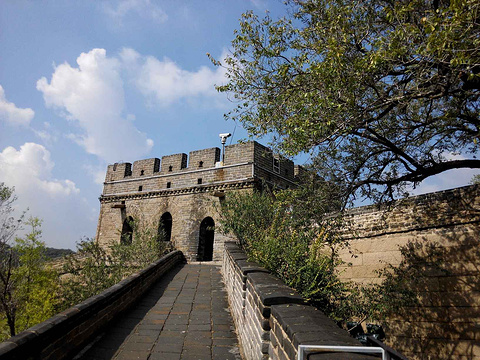
No Beijing trip is complete without the Great Wall. Your choices: Badaling (closest, most crowded, most restored), Mutianyu (40 km northeast, fewer crowds, cable car and toboggan, my recommendation for first-timers), Jinshanling (dramatic unrestored sections, longer transfer, best for hikers), and Simatai/Gubei Water Town (night wall).
For this itinerary, choose Mutianyu. It is roughly 1.5 hours from central Beijing by car or private tour, 2–3 hours by public bus. The wall here runs along forested ridges with 22 watchtowers, and the cable car (up 100 RMB, down 100 RMB, round-trip 120 RMB) plus the famous toboggan descent make it accessible for all fitness levels. Allow four hours at the wall including lunch at the base village.
Practical notes: wear grippy shoes, carry water, and buy tickets in advance online (45 RMB admission). Afternoon options: return to the city for the 798 Art District, or rest — tomorrow is a full day.
Day 3 — Temple of Heaven and the Hutongs
Start at the Temple of Heaven (Tiantan), a UNESCO World Heritage site and the masterpiece of Ming-Qing architecture. The circular Hall of Prayer for Good Harvests — the iconic triple-eaved blue-roofed hall you have seen in every photo — sits at the centre of a vast park that doubles as Beijing's living room. Arrive at opening (08:00, 06:00 for the park itself) to watch locals practicing tai chi, dancing, and playing diabolo before the tour groups arrive. Combined ticket: 34 RMB.
Spend the afternoon in the hutongs — the traditional courtyard neighbourhoods that are Beijing's historical soul. The best-preserved area wraps around Shichahai, the Drum Tower and the Bell Tower, north of the Forbidden City. Rent a bike or join a walking tour through narrow lanes of grey-brick siheyuan courtyards, snack on candied hawthorn and jianbing, and end at the Drum Tower for a sunset view over the grey roofs.
Dinner idea: Donghuamen night market is touristy; instead try the food street near Guijie (Ghost Street) for crayfish and hotpot, or a hutong courtyard restaurant for Beijing-style family dishes.
Day 4 — Summer Palace and the Olympic District
The Summer Palace (Yiheyuan), 15 km northwest of the centre, is the largest imperial garden in the world — a lake, a marble boat, the famous Long Corridor with 14,000 painted scenes, and the hilltop Tower of Buddhist Incense overlooking Kunming Lake. Allow half a day; entrance is 30 RMB (through-ticket 60 RMB). Take a dragon boat across the lake, then walk the lakeside path the way the Empress Dowager Cixi did.
On the way back, stop at the Olympic Park to see the Bird's Nest stadium and the Water Cube — more striking after dark when they light up. If you have energy, the nearby 798 Art District (in the former electronics factories) hosts galleries, street art and cafés until early evening.
Day 5 — The National Museum and Wangfujing
The National Museum of China, on the east side of Tiananmen Square, is one of the world's great museums and it is free — but you must reserve a ticket online in advance (ID or passport required). The Ancient China gallery on the second and third floors is the highlight: a 5,000-year walk from jade dragons and bronze ding vessels to the terracotta miniatures and Ming porcelain. Give it three hours minimum.
Afterwards, stroll Wangfujing, Beijing's premier shopping street, and its snack street, where you can try scorpions-on-a-stick and other novelty bites (a tourist ritual). For serious shoppers, the nearby Oriental Plaza mall carries international and domestic brands. Evening option: a hutong cooking class or a kung fu show at the Red Theatre.
Day 6 — Day Trip: Gubei Water Town & Simatai, or Chengde
Two excellent day trips reward a sixth day. The first combines Gubei Water Town — a beautifully restored canal town of inns, temples and night-time shows at the foot of the mountains — with the Simatai Great Wall, the only section officially open at night. It is about 1.5 hours by car from Beijing; many travelers stay overnight for the lit-up wall.
The second option is Chengde, 2.5 hours northeast by car or 1 hour by high-speed train: the Mountain Resort and its Eight Outer Temples (UNESCO), a Qing-dynasty summer palace complex that mimics gardens from across the empire, topped by the massive Putuo Zongcheng Temple modelled on the Potala Palace. Entrance to the resort: 130 RMB.
If you prefer a rest day, spend it in the artsy 798 District, the Temple of Confucius and the Lama Temple, or shopping for tea and silk in the Qianmen area.
Day 7 — Qianmen, Tea and Last Souvenirs
Use your final morning at Qianmen Street and the Dashilan area south of Tiananmen — the restored commercial street with old brands, traditional medicine shops and a working silk shop where you can watch artisans. Walk the lane to Liulichang, Beijing's antique and calligraphy street, for brushes, seals and scrolls.
Buy souvenirs with thought: Longjing or jasmine tea from a proper tea house, hand-painted snuff bottles, Beijing silk, and 'tudou' snacks. Then collect your bags and head to the airport or station — the airport express and high-speed trains make the exit smooth.
Where to Eat in Beijing: A Quick Food Map
- Peking duck — Quanjude (oldest), Siji Minfu (best value), Dadong (modern, crisp skin)
- Zhajiangmian — thick wheat noodles with fermented soybean paste; try the classic at Haidilao's street neighbours or any hutong noodle shop
- Jianbing — the iconic Beijing street crepe, folded around egg, cracker and sauces, 6–10 RMB at any breakfast stall
- Hotpot — dozens of chains (Haidilao, Little Sheep); choose the spicy and clear dual broth
- Guijie (Ghost Street) — a full street of restaurants open late, famous for crayfish and chuan'r (skewers)
- Muslim Quarter at Niujie — lamb skewers, pita and sweet soups
Beijing Budget: What It Costs
| Item | Budget | Mid-range |
|---|---|---|
| Hotel per night | 300–500 RMB (hostels/budget hotels) | 600–1,200 RMB (3–4 star) |
| Meal per person | 30–60 RMB (street food, noodle shops) | 100–300 RMB (restaurant) |
| Attraction tickets | 60 RMB Forbidden City, 45 RMB Great Wall | Tours from 300 RMB incl. transport |
| Metro per day | 10–20 RMB | 10–20 RMB |
| Total per day | 400–600 RMB (US$55–85) | 900–1,500 RMB (US$125–210) |
English-friendly hotels, guided tours and premium restaurants push the top end higher, but the numbers above reflect a comfortable standard. For hotels across every budget, browse our Beijing Hotels directory; for more sights than you can fit in a week, the Beijing Attractions page lists everything with tickets and hours.
Beijing in 7 Days: The Takeaway
Seven days in Beijing is the right amount of time to fall for the city without rushing it. The formula is simple: one grand monument per morning, one neighbourhood per afternoon, and one great meal per night. Book your Forbidden City and Great Wall tickets early, carry your passport, download a translation app, and leave the itinerary open enough to sit in a park and watch Beijing do its thing. The city rewards exactly that kind of traveler.
Arriving at Beijing's Airports: What You Need to Know
Beijing has two major airports, and knowing which one you land at saves you real time. Beijing Capital International Airport (PEK) is the older hub 25 km northeast of the centre — the airport express train to Dongzhimen station takes about 30 minutes (25 RMB) and the metro reaches it too; taxis cost 80–150 RMB depending on traffic. Beijing Daxing International Airport (PKX), opened in 2019, is the huge starfish-shaped terminal 46 km south of the city — the Daxing airport express train reaches Caoqiao in about 40 minutes (35 RMB) and connects to the metro network, while taxis run 150–250 RMB.
Practical advice for both: buy your airport express ticket with the same card you use on the metro, allow extra time for security (Chinese airports screen thoroughly), and download your airline's app for gate updates. If you have an early-morning international flight, consider a hotel near the airport the night before — several decent options sit within the airport complexes. For flight schedules and airline information, our Flights section covers both airports and every major airline operating in China.
Beijing for Families: Making the Trip Work
Beijing is a superb family destination, and a few adjustments make it smooth. Children under 18 get free entry to the Forbidden City and most major museums — bring passports for proof of age. The Great Wall at Mutianyu is the family pick: the cable car up and toboggan down turn the day into an adventure ride. The Summer Palace's lake boats, the Temple of Heaven's parks (packed with kites, diabolo players and acrobats) and the National Museum's kid-friendly galleries all work brilliantly.
Logistics: book a private car for the Great Wall day (a door-to-door driver costs roughly 500–800 RMB and removes every transfer headache), keep hotel locations central near a metro line, and stock up on snacks — Beijing street food is a hit with kids, but picky eaters will always find noodles, dumplings and fried rice. Strollers are workable in parks but tough in hutongs and the Forbidden City's marble courtyards; a lightweight carrier is more practical.
Jet lag usually means early starts, which is a blessing: the Forbidden City and Great Wall are at their best — and emptiest — before 09:30. Build in a rest afternoon mid-week; kids (and parents) will enjoy Beijing far more after a nap.
Solo Travel in Beijing: Safe, Easy and Rewarding
Beijing is one of the safest big cities in the world for solo travelers, and the infrastructure makes it easy. You will never feel isolated in a city of 22 million, yet you can enjoy total anonymity. The metro is safe at any hour it runs; hutongs and parks are lively; and restaurant culture is solo-friendly — noodle shops, dumpling houses and hotpot chains all serve one-person tables happily.
Join a free walking tour or a small group day tour to meet fellow travelers on the Great Wall or hutong days; hostel common rooms in the Gulou and Nanluoguxiang areas are the social hubs. For safety, the standard advice applies — keep your passport and valuables at the hotel, use official taxis and licensed ride-hailing, and be cautious late at night in unfamiliar areas. Solo travelers consistently describe Beijing as one of the easiest places they have ever wandered alone.
Hidden Gems Beyond the Guidebooks
Once the icons are ticked, Beijing rewards deeper exploration. The Temple of Confucius and the neighbouring Imperial College form a serene complex of ancient pines and stone tablets. The Red Gate Gallery inside a Ming dynasty watchtower mixes old and contemporary art. The China Railway Museum in the old Qianmen station houses vintage locomotives. And the Shichahai lakes after dark — lantern-lit, with hutong bars and courtyard cafés — offer the city's most atmospheric evening stroll.
For photographers, the Jingshan Park hill at dawn, the Forbidden City's corner towers reflected in the moat at sunset, and the rooftop views from the Drum Tower and the China World hotel bars deliver postcard shots without the postcard crowds. The 798 Art District keeps changing; the neighbouring Caochangdi area has quieter galleries. And for a genuine Beijing morning ritual, join the locals at a park teahouse — cheap jasmine tea, loud birdsong, and the best people-watching in China.
Season by Season: What Changes in Beijing
Spring (March–May) brings cherry and crabapple blossoms to the parks and the Forbidden City moat; the weather is mild but sandstorms in March–April occasionally dust the city — check air quality and carry a mask. Summer (June–August) is hot and humid with afternoon thunderstorms; the Summer Palace and the Great Wall are cooler than the city, and early starts become essential. Autumn (September–November) is Beijing's masterpiece season: crisp air, sapphire skies, and golden gingko leaves along Sanlihe and the Temple of Confucius — the time most locals will tell you to come. Winter (December–February) is cold (often below freezing), the city goes quiet, and the Great Wall under snow is a once-in-a-lifetime scene; indoor museums and hotpot make the cold painless.
Air quality, the question everyone asks: Beijing's air has improved dramatically over the past decade, and blue-sky days are now the norm in spring and autumn. Winter inversions can still bring hazy stretches; check the air quality index app and plan indoor sights accordingly — the National Museum, the Capital Museum and the Palace Museum's galleries are your haze-day saviours.
Beijing Money-Saving Tips That Actually Work
- Use the metro instead of taxis — 3–9 RMB per ride versus 20+ RMB for the same trip
- Book hotels near metro Line 2 or Line 4 — central without the Wangfujing premium
- Eat like a local: jianbing breakfasts, noodle lunches and hutong snacks cost 30–60 RMB a day
- Free highlights: Temple of Heaven park (before 06:00 entry), the National Museum, Qianmen, the Olympic Park, the 798 District, Jingshan Park at 2 RMB
- Buy Great Wall and Forbidden City tickets online directly — tour platforms add markup for the same tickets
- Travel mid-week: hotel rates drop 20–40% from Friday–Sunday
- Fill a reusable water bottle from your hotel kettle — bottled water adds up
Between the icons and the hutong cafés, seven days in Beijing delivers more than most travelers expect — and leaves you planning the return before the plane lands. Book the essentials in advance, keep the pace relaxed, and let the city's layers reveal themselves.
Getting Around Beijing: Metro, Didi and the Hutong Way
Beijing's metro is the backbone of any visit — 22 lines, clean trains every 2–5 minutes, English signs on every platform, and fares from 3 RMB. The key lines for tourists: Line 1 runs east-west past Tiananmen and the Forbidden City; Line 2 circles the old city; Line 4 reaches the Summer Palace and the Beijing Zoo; Line 8 crosses the Olympic Park. Download Amap or Baidu Maps in English mode and the metro map becomes your whole navigation system — both apps show exits, transfer times and the exact station for every sight.
For door-to-door moves, Didi (the Chinese ride-hailing app with an English interface) is cheaper than taxis and accepts foreign cards. Flag-down taxis are plentiful but slower in traffic and sometimes reluctant to take short rides. The hutong areas — Shichahai, Gulou, Nanluoguxiang — are best on foot or by shared bike (Mobike and HelloBike app bikes are everywhere and cost about 1.5 RMB per 30 minutes). A final tip: buses are cheap (1–2 RMB) and cover everywhere, but they stop on request — tell the driver your stop or watch the English map display.
Beijing Essentials: Language, Connectivity and the Lingo
You do not need Mandarin to enjoy Beijing, but ten phrases transform the trip. Nǐ hǎo (hello), xièxiè (thank you), duōshǎo qián (how much), zhège (this one), bùyào là (not spicy), fúwùyuán (waiter), mǎi dān (the bill), cèsuǒ (toilet), yòu biān/zuǒ biān (right/left), and wǒ bù dǒng (I don't understand) cover 90% of daily interactions. Older residents speak little English; hotel staff, younger people and tourist-area vendors speak more. A translation app with offline packs closes the rest of the gap — hold the phone screen up for the other person to read.
Connectivity is the other essential. Google services and most Western social apps are blocked in mainland China; buy an international eSIM with VPN included before departure, or a local SIM from China Unicom or China Mobile at the airport (passport required). WeChat is the de facto communication app — set it up with your hotel and tour contacts. And remember: for any urgent travel help, your hotel front desk is the most effective English-speaking resource in the city.
Frequently Asked Questions
How many days do I need in Beijing?
Five to seven days is ideal for a first visit. Seven days lets you cover the Forbidden City, Great Wall, Temple of Heaven, Summer Palace, hutongs and National Museum comfortably, with room for a day trip to Gubei Water Town, Simatai or Chengde.
Which section of the Great Wall is best near Beijing?
Mutianyu is the best choice for first-timers: dramatic scenery, cable car and toboggan, and far fewer crowds than Badaling. Jinshanling is better for hikers who want unrestored wall; Badaling is most convenient but busiest.
Do I need to book the Forbidden City in advance?
Yes — the Forbidden City limits daily visitors to around 40,000–80,000 and tickets regularly sell out, especially in April–October and on weekends. Book online 1–7 days ahead via the official mini-programme or tour platforms, and bring your passport.
Is Beijing expensive to visit?
Beijing is affordable by international standards. Budget travelers can manage on 400–600 RMB (US$55–85) per day; mid-range travelers spend about 900–1,500 RMB (US$125–210). Attractions are cheap; the big costs are hotels and tours.
What is the best season for Beijing?
Late April–June and September–October are ideal: mild days, clear skies and manageable crowds. Winter is cold but quiet and atmospheric, especially for Great Wall snowscapes; summer is hot and humid with July–August thunderstorms.
Plan this trip with our China team
Tickets, hotels, trains and local arrangements — free booking help, reply within hours.